Where to go: Big 5 Safaris in Africa
Where a big 5 trip goes: the countries, parks, islands and coasts, and what each one is for.
Big 5 destinations
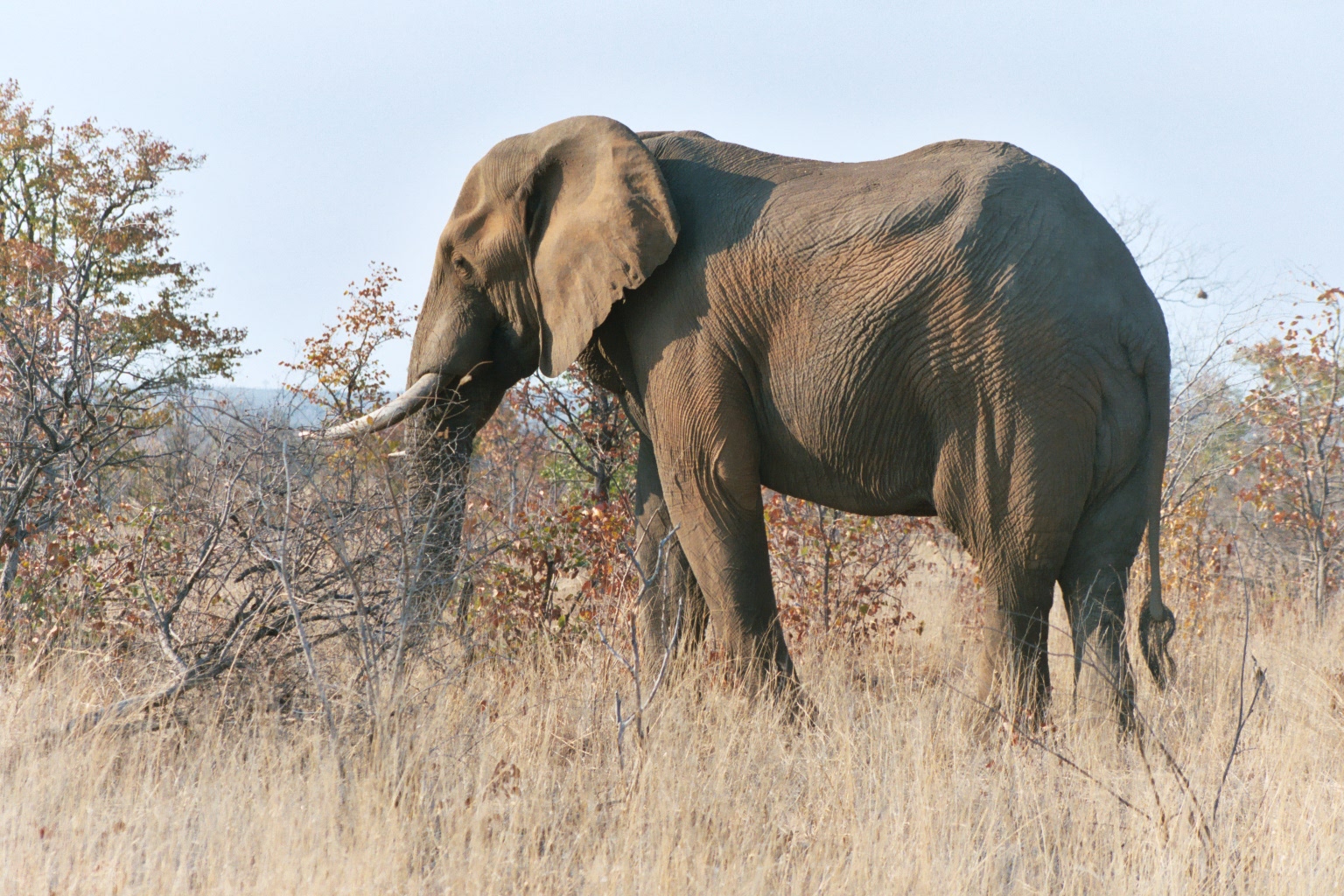
Southern Africa is the heartland. The private reserves on the Kruger's western edge, Sabi Sands and Timbavati among them, allow off-road driving and night drives, and their guides have decades of leopard knowledge between them. Botswana adds Chobe's elephant herds and the Okavango's water, and Zimbabwe's Hwange and Mana Pools bring big, quiet parks with few vehicles.
East Africa offers the open-grassland version: the Masai Mara and the Serengeti, where lion prides and the migrating herds share the plains, Ngorongoro Crater with its resident black rhino, and Kenya's conservancies in Laikipia, which have become known for their rhino work and their low vehicle numbers.
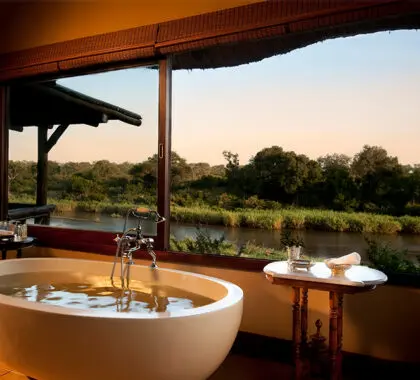
South Africa: Cape Town, Kruger National Park, Sabi Sands, Cape Winelands and 12 more
Cities, vineyards, mountains, and some of the continent's best-known wildlife reserves, all easy to join into one trip.
South Africa can be a city, a wine valley, a malaria-free reserve, and a beach in one trip. The roads and the flights make that practical.
Kruger and the private reserves beside it are the wildlife. Cape Town is the start or the finish. You do not have to choose.
South Africa destination guide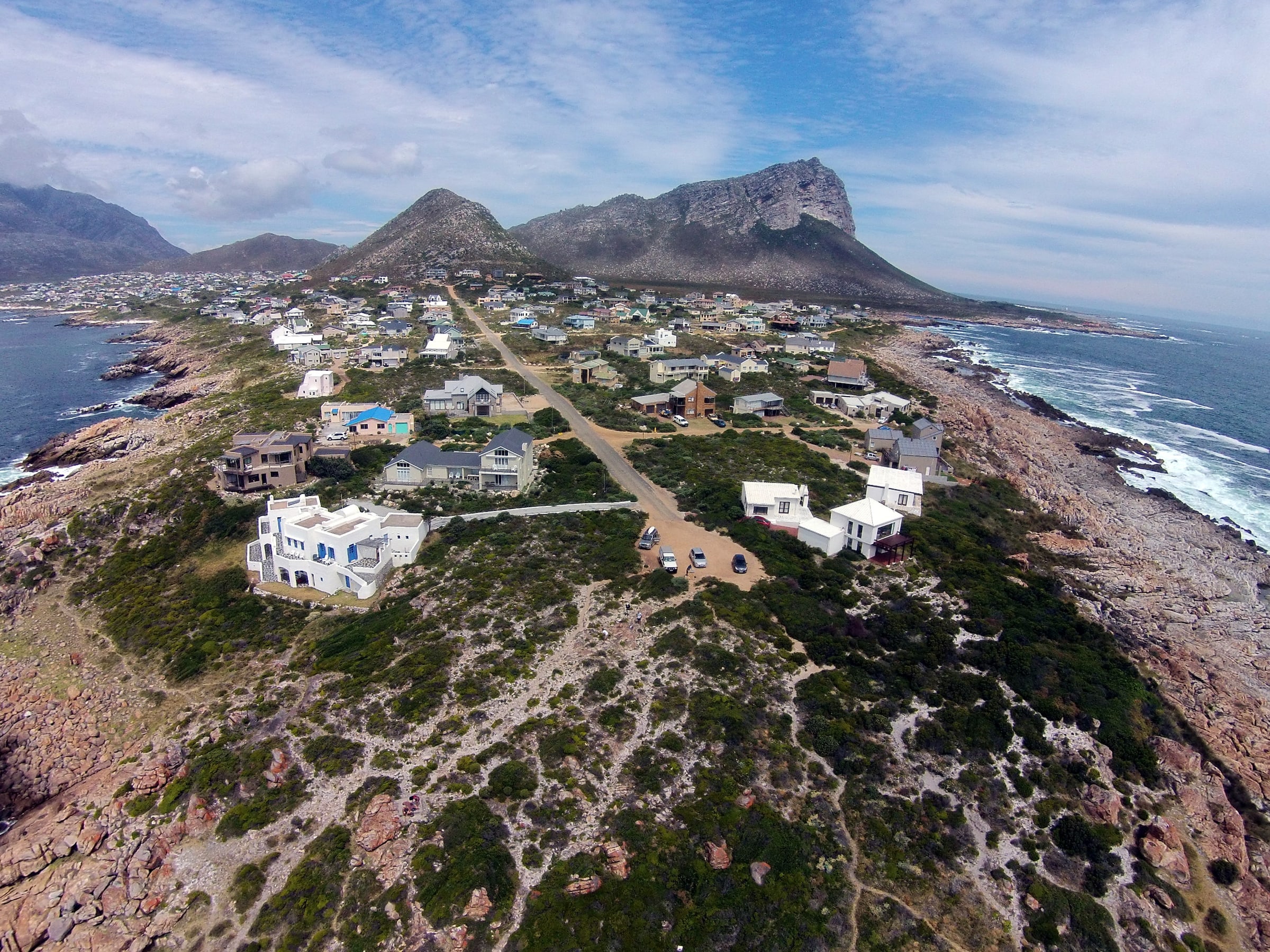
Cape Town
A harbour city between Table Mountain and the Atlantic, useful as a start or finish to a longer safari.
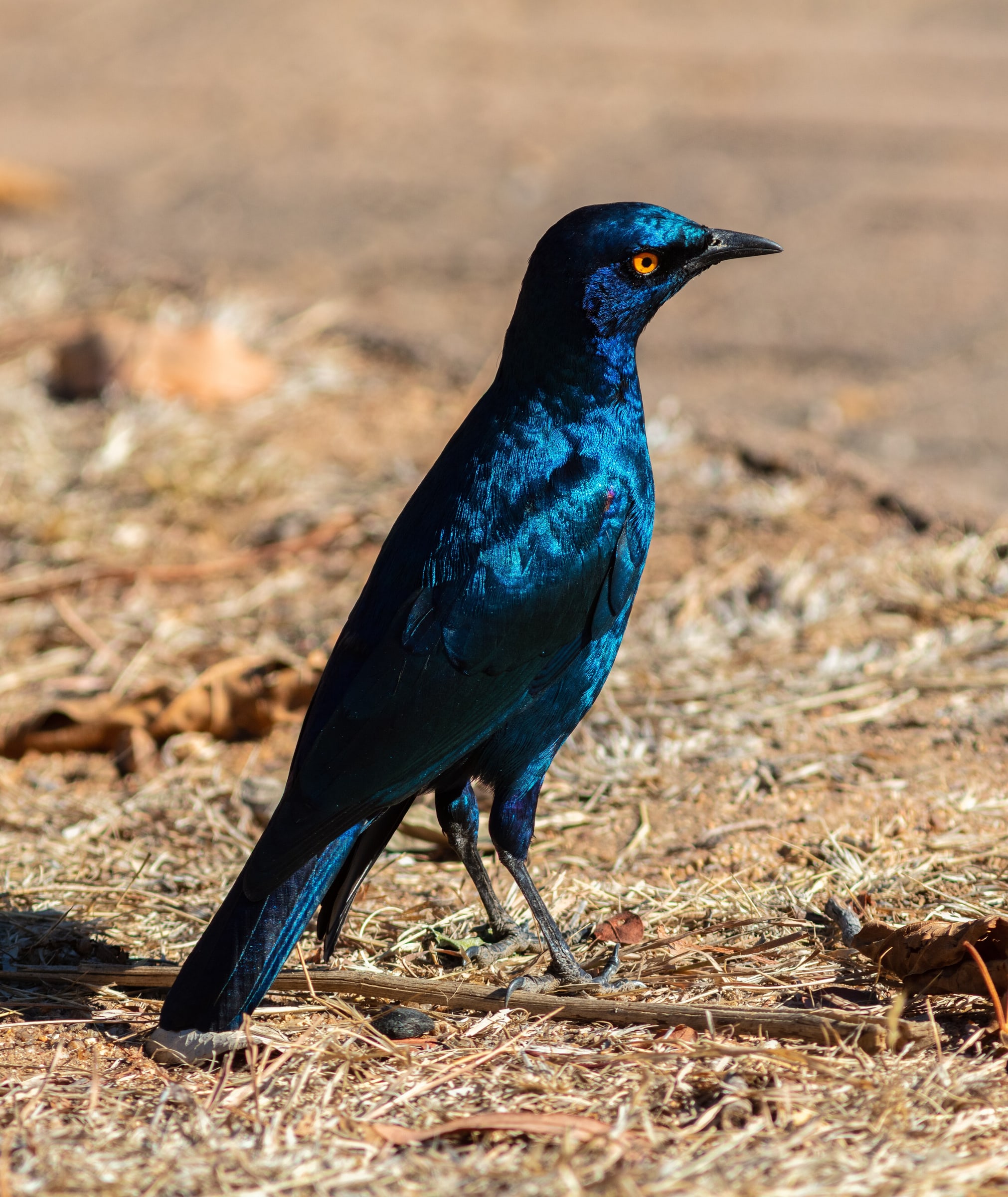
Kruger National Park
A vast lowveld park along the Mozambique border, with year-round wildlife viewing and an easy mix of public and private camps.
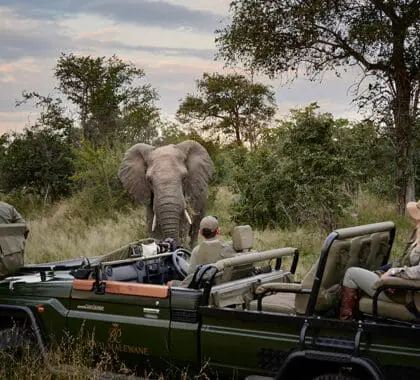
Sabi Sands
A private reserve open to Kruger, widely visited for leopard viewing and small camps.
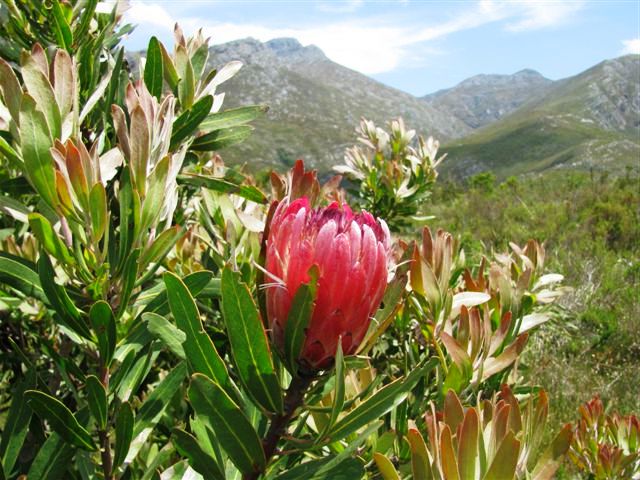
Cape Winelands
Dutch-gabled towns and vineyard valleys about an hour from Cape Town.
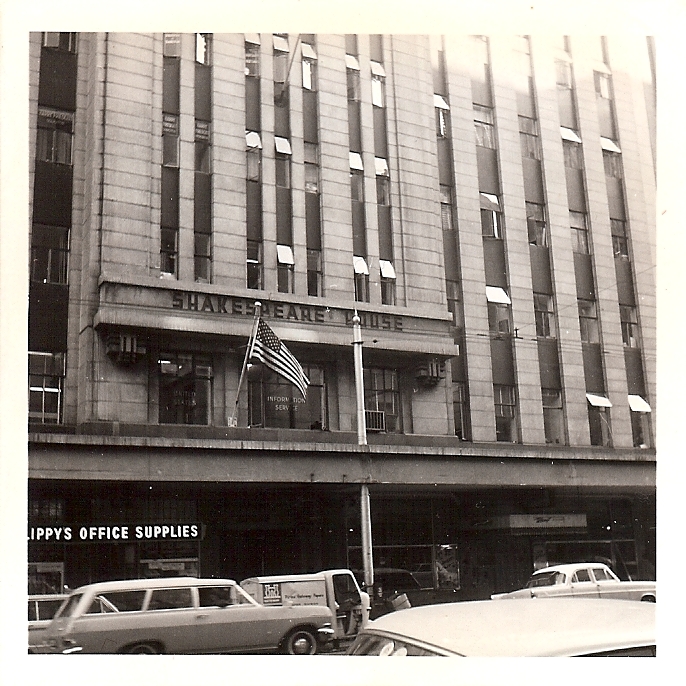
Johannesburg
South Africa's largest city, and the usual flight hub for Kruger and the northern reserves.
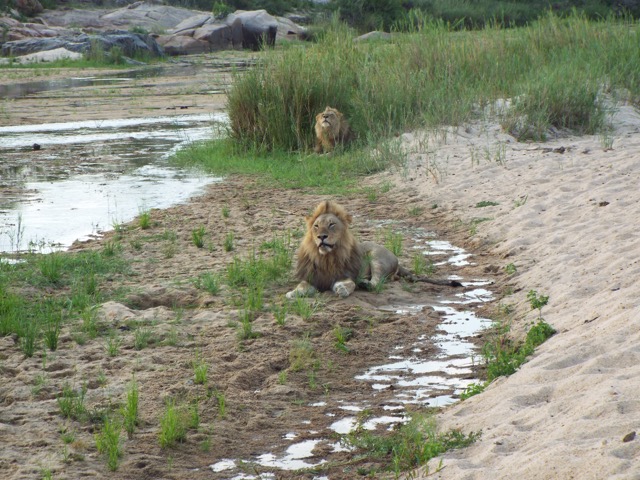
Kruger Private Concessions
Private land inside the greater Kruger, where drives can leave the public roads.
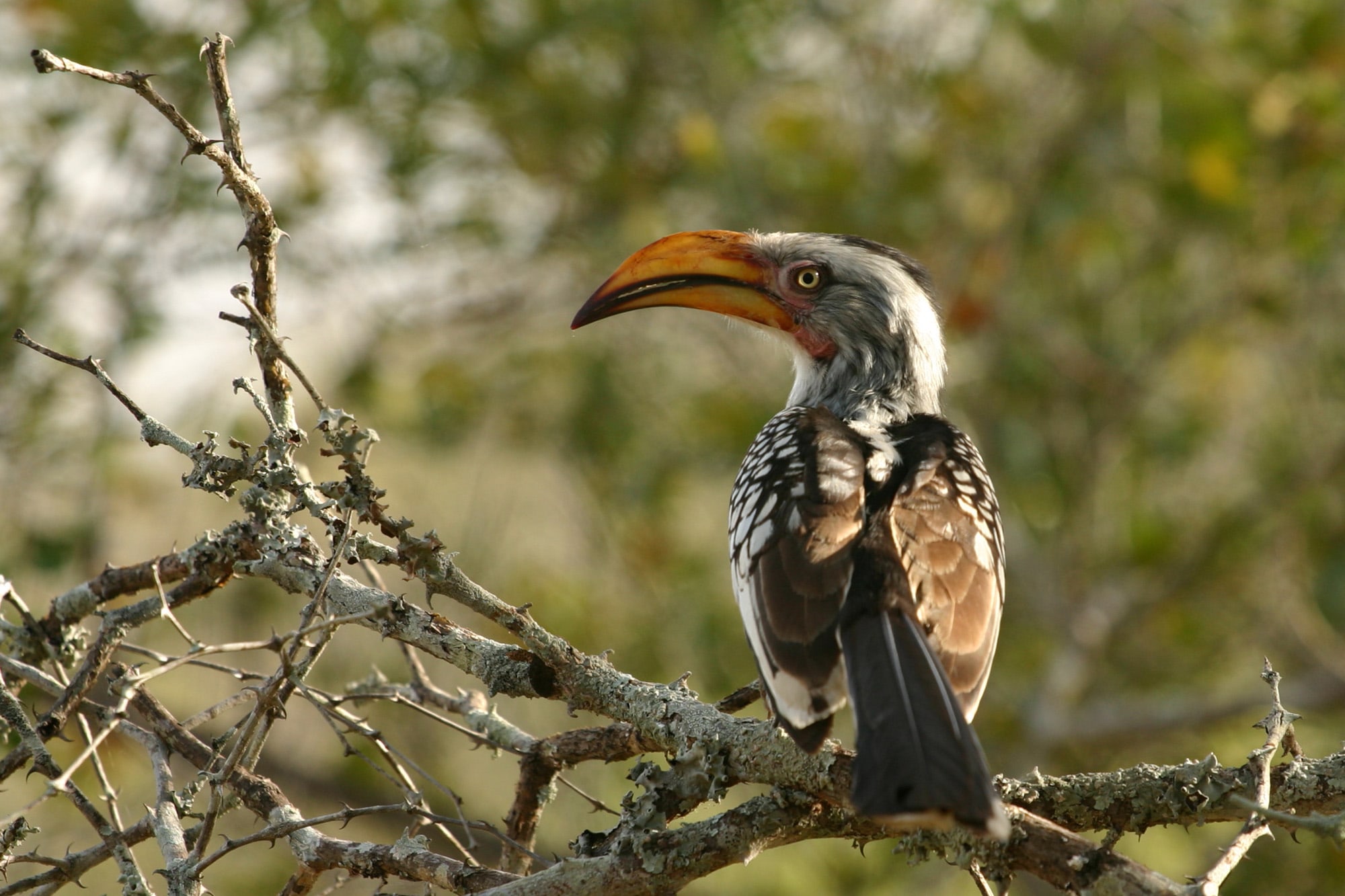
Kruger Private Reserves
Reserves on Kruger's western boundary that share the same wildlife, with fewer vehicles.
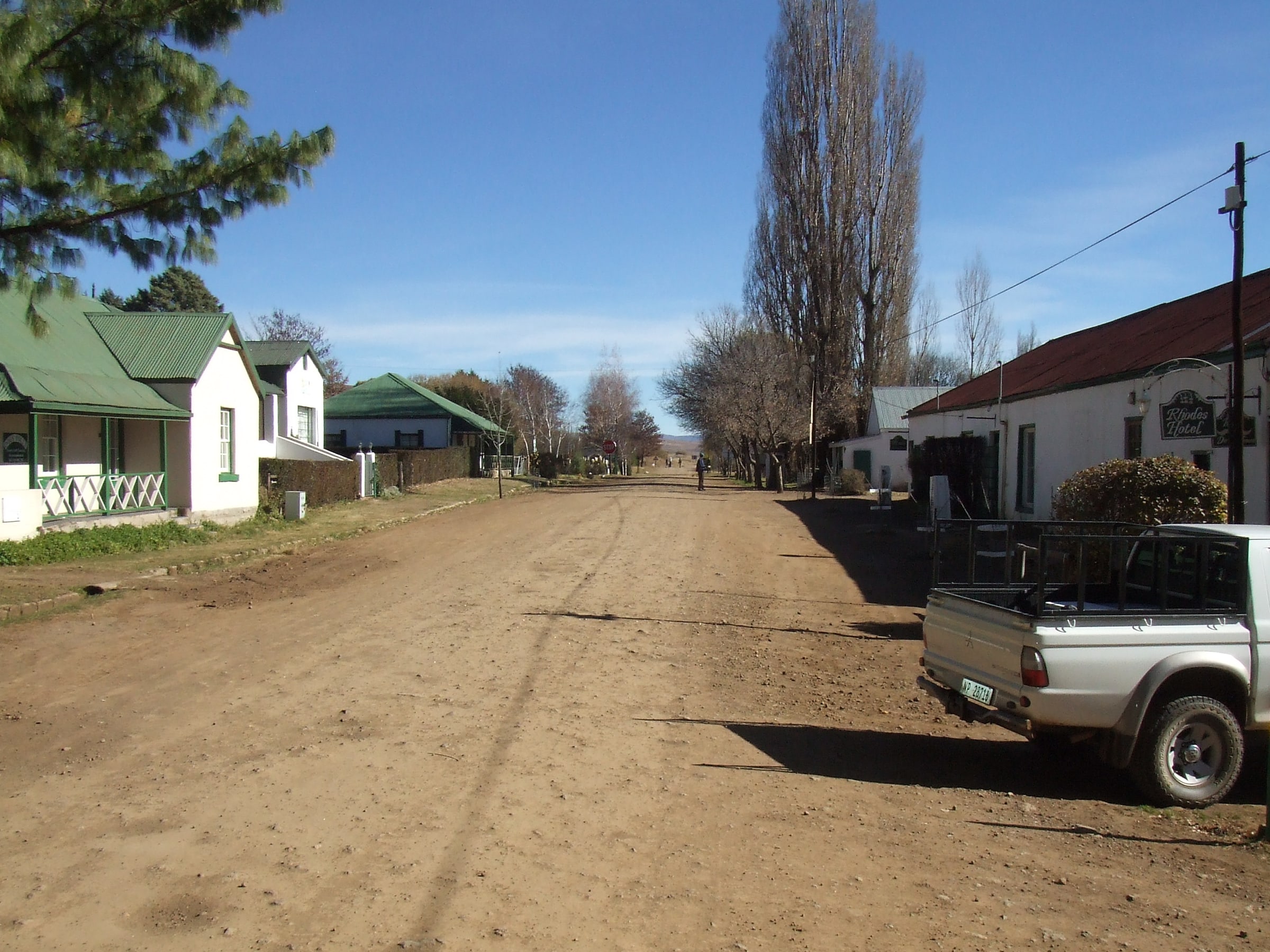
Eastern Cape
A quieter province of coastline, farming towns, and malaria-free reserves such as Addo.
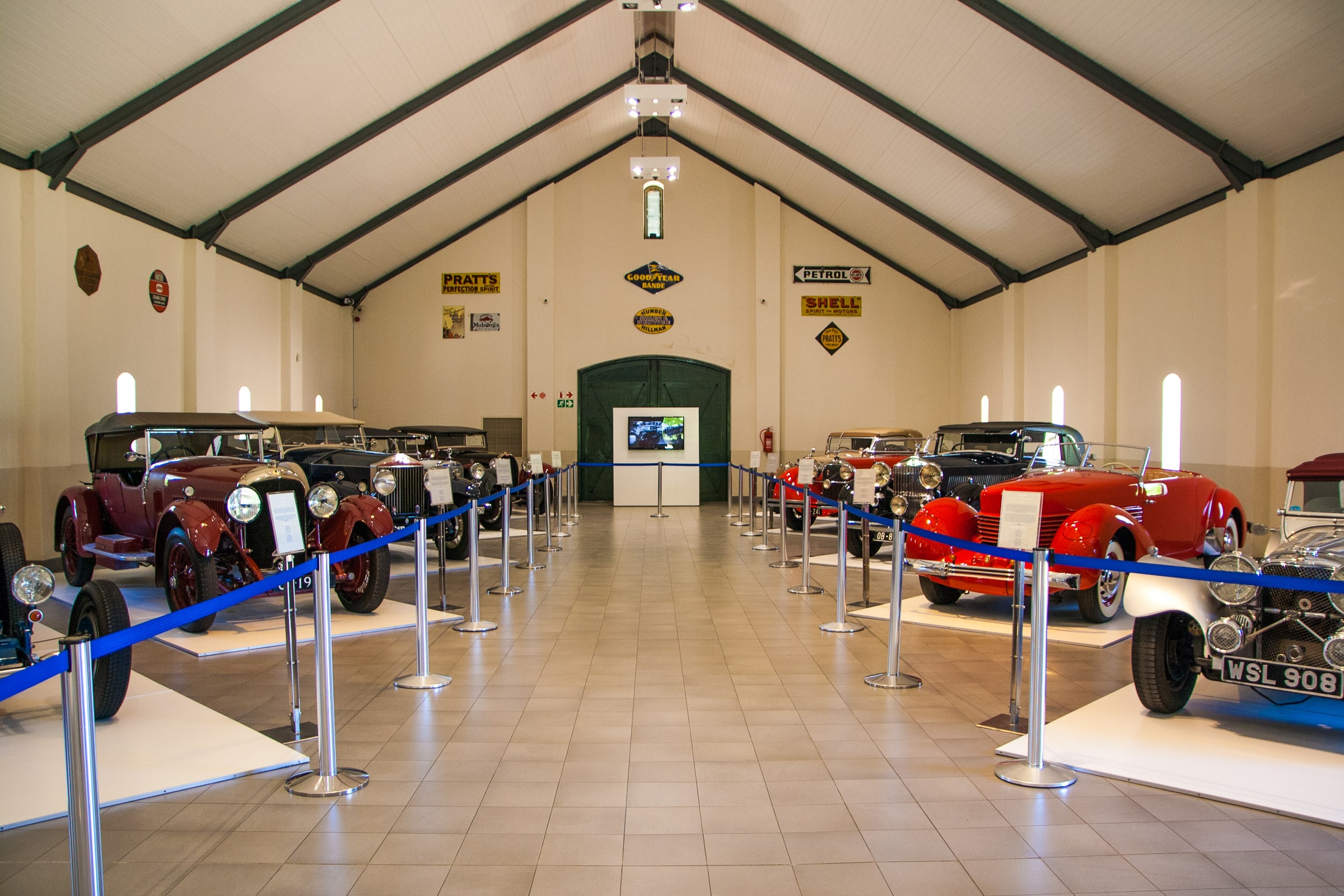
Franschhoek
A small winelands town in a valley, known for long lunches and cellar visits.
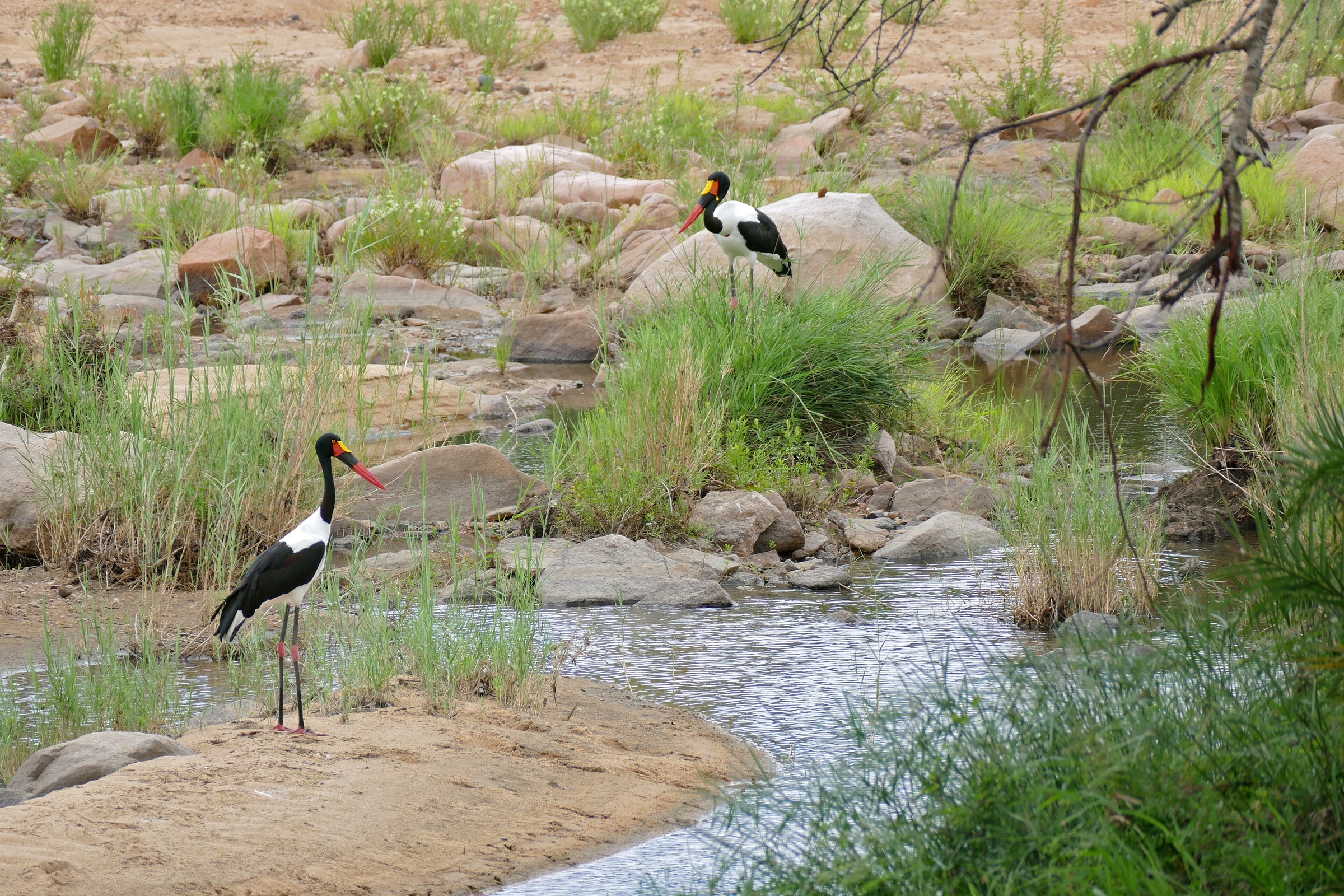
Timbavati
A private reserve north of Sabi Sands, sharing Kruger's animals with a quieter road network.
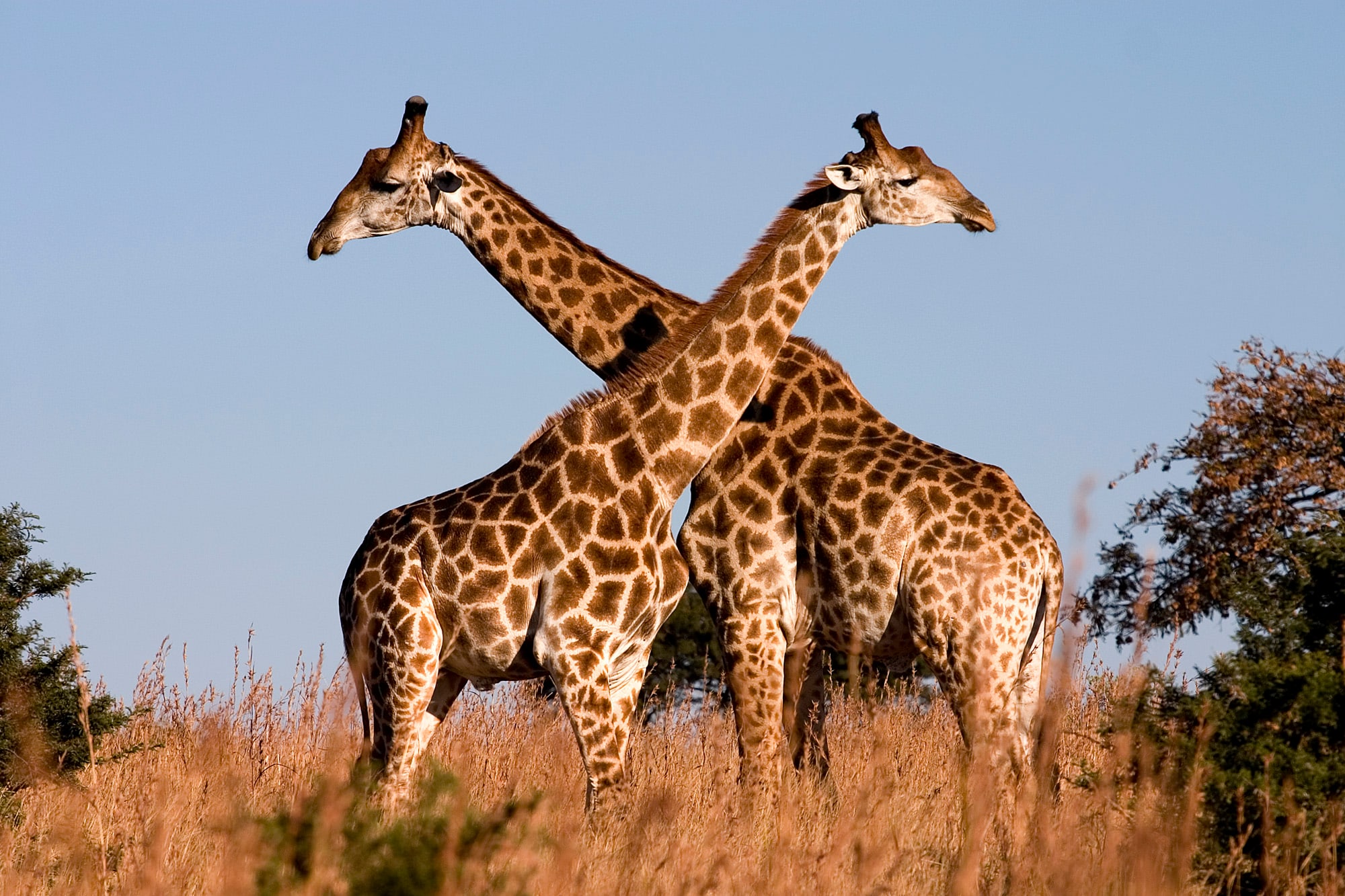
KwaZulu-Natal
The province from the Drakensberg to the Indian Ocean, with Durban as its main city.
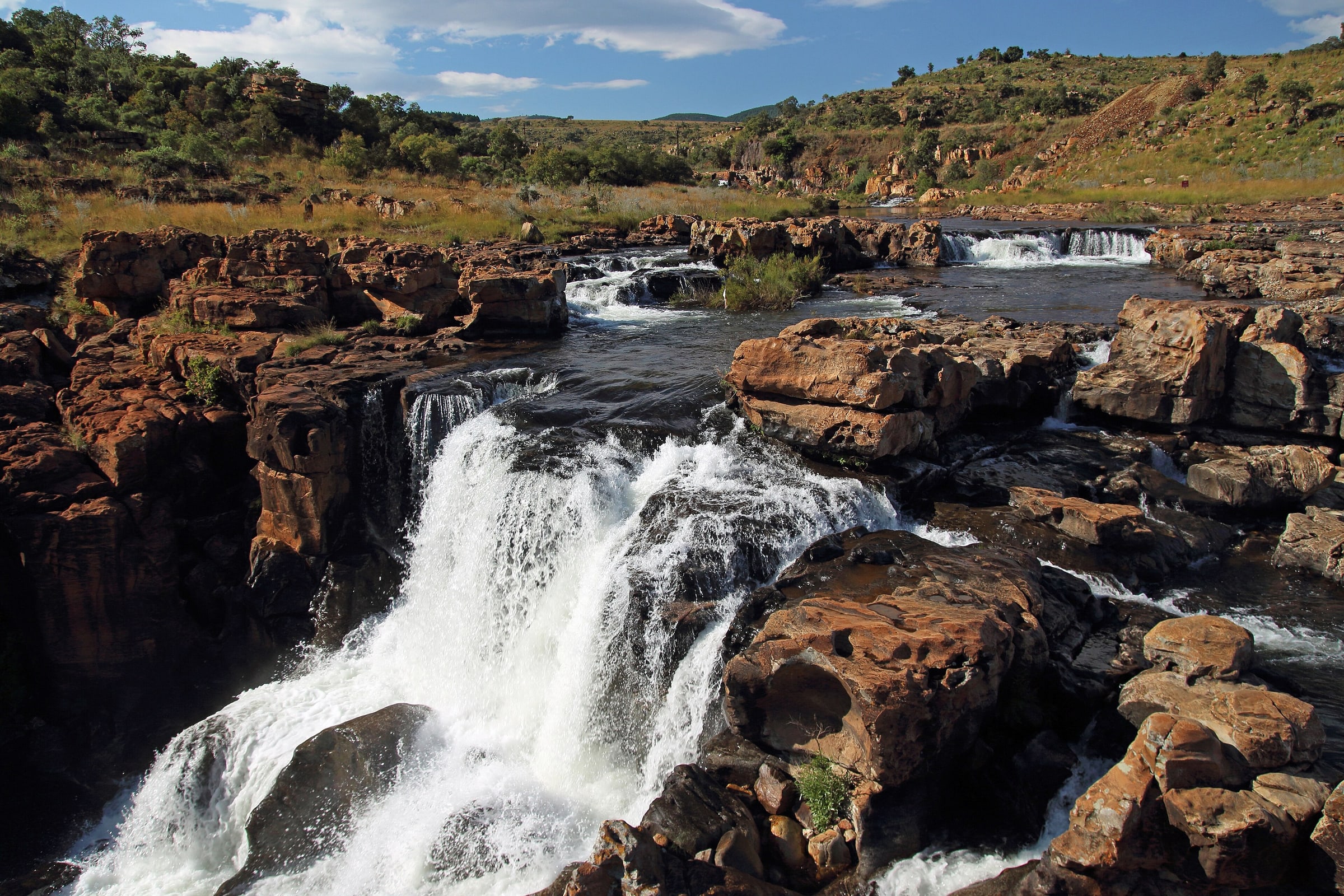
Panorama Route
Blyde River Canyon and the escarpment viewpoints above the lowveld, on the way toward Kruger.
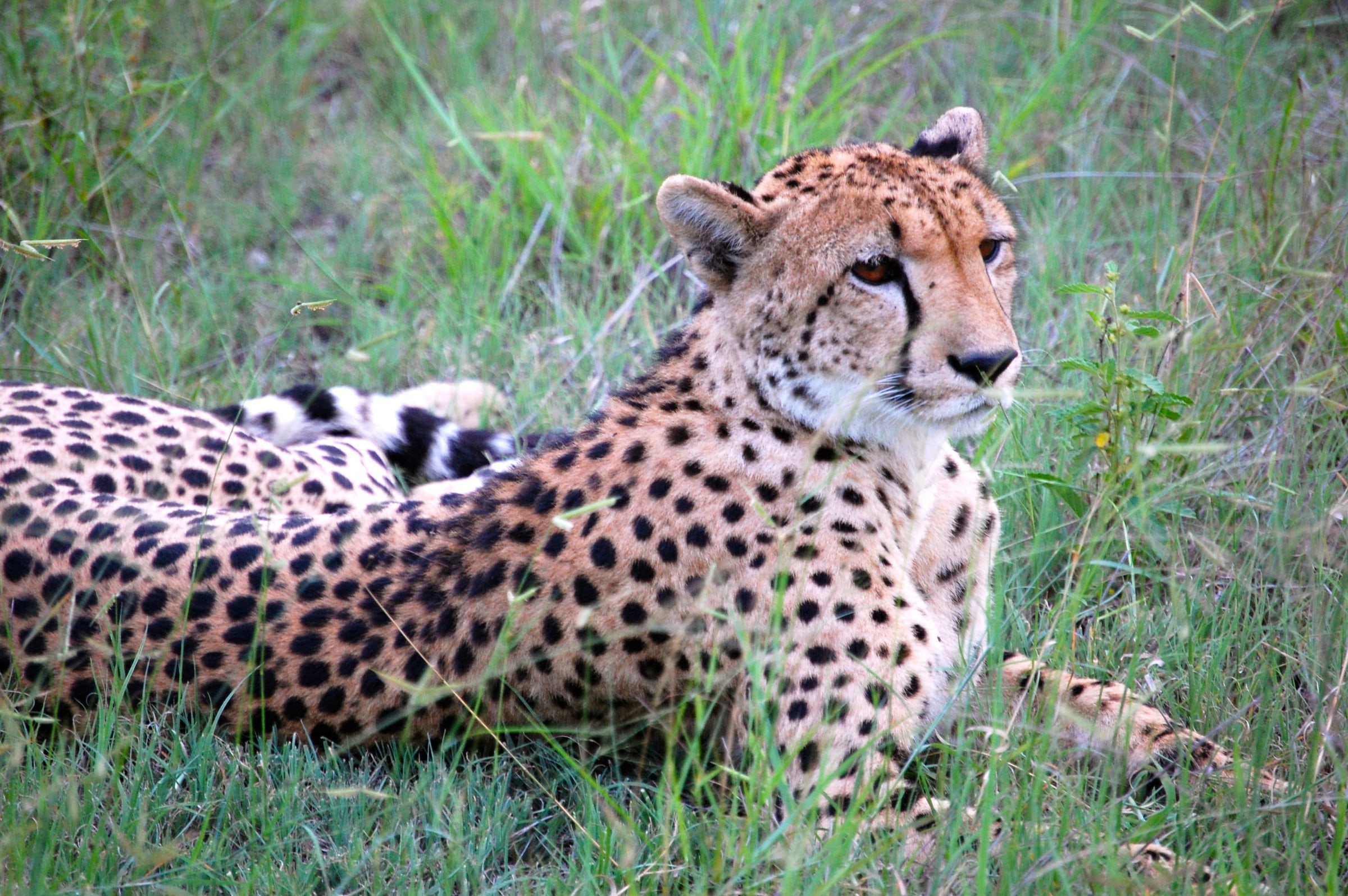
Thornybush Game Reserve
A private reserve on the western boundary of Kruger, with guided drives and no self-drive gates.
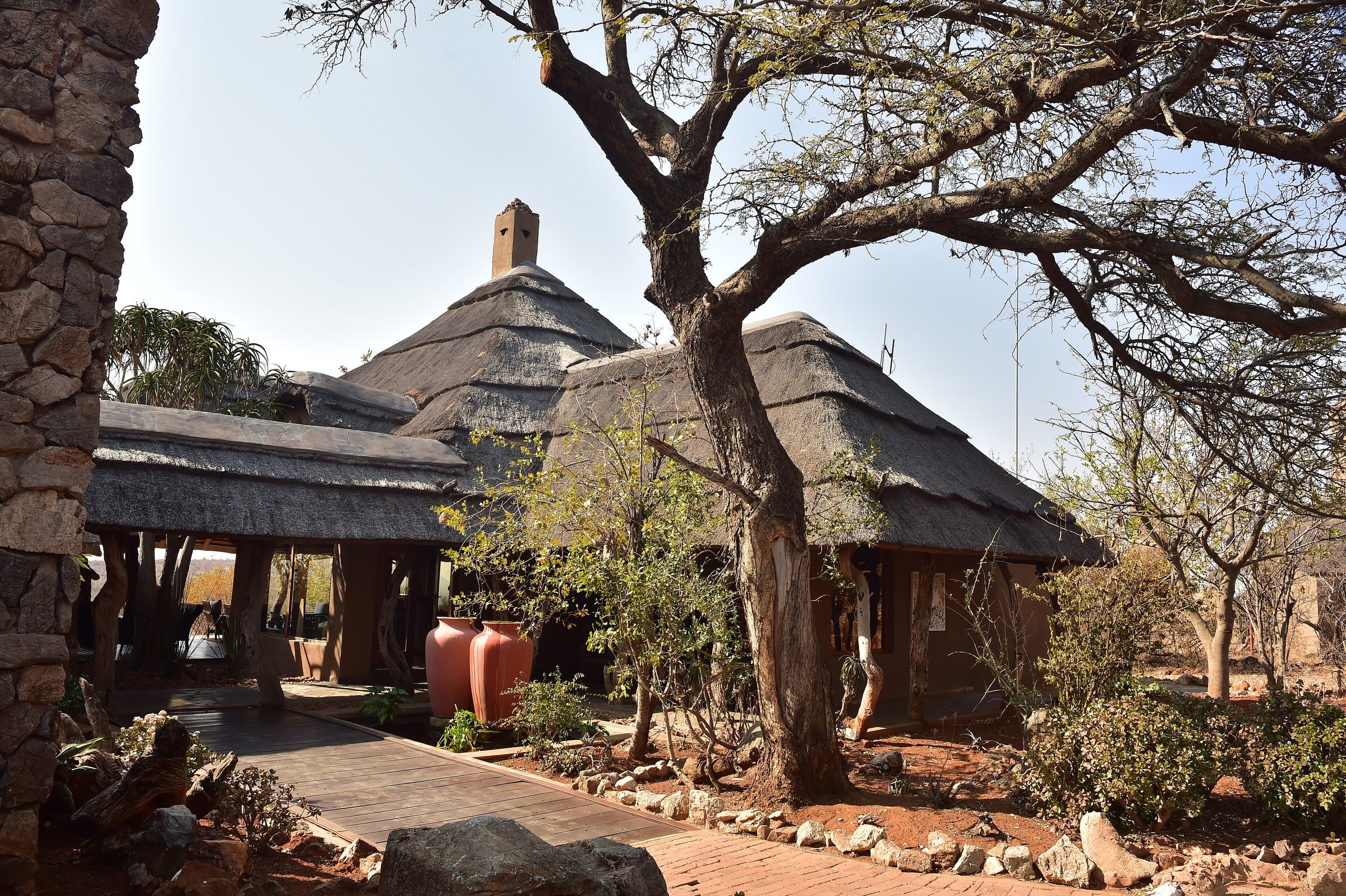
Madikwe
A malaria-free reserve on the Botswana border, reached from Johannesburg rather than the lowveld.
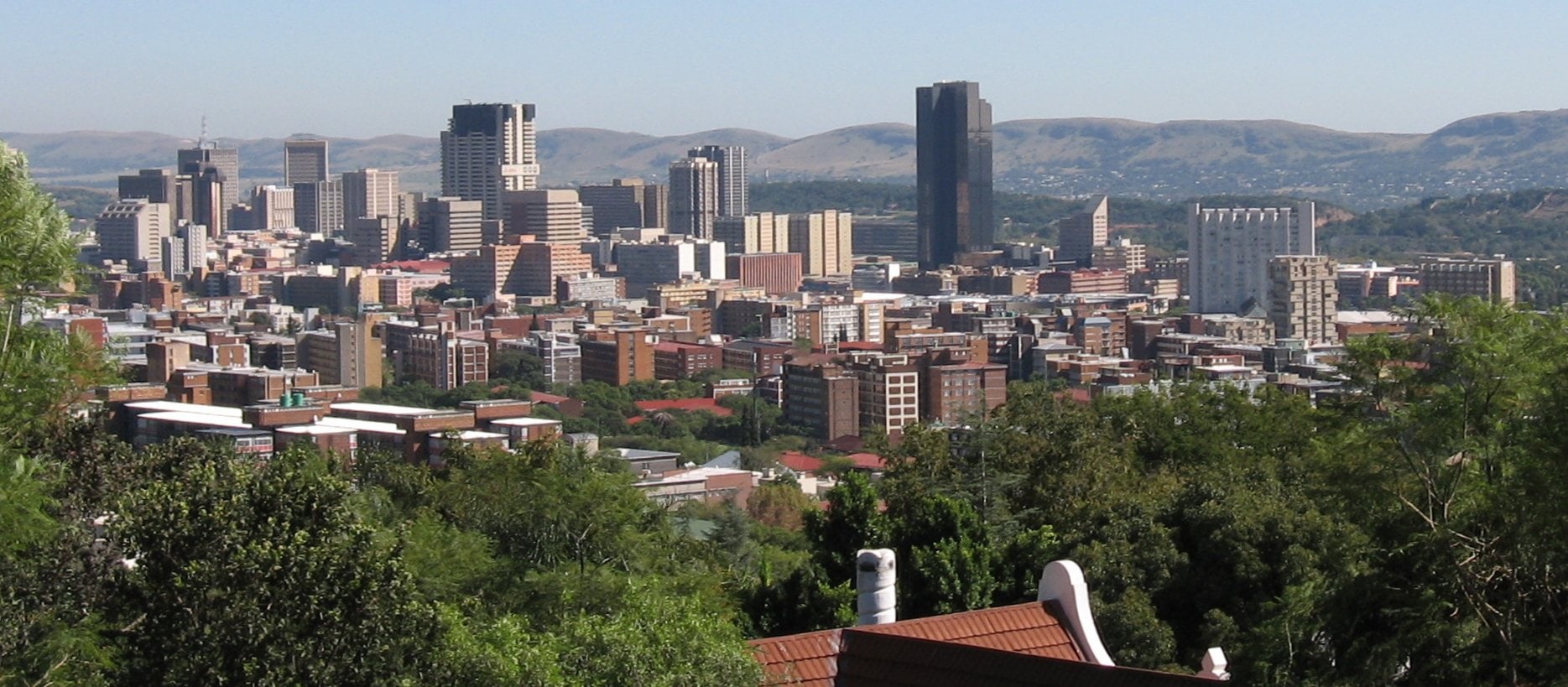
Pretoria
The capital city just north of Johannesburg, with jacaranda streets and the Union Buildings.
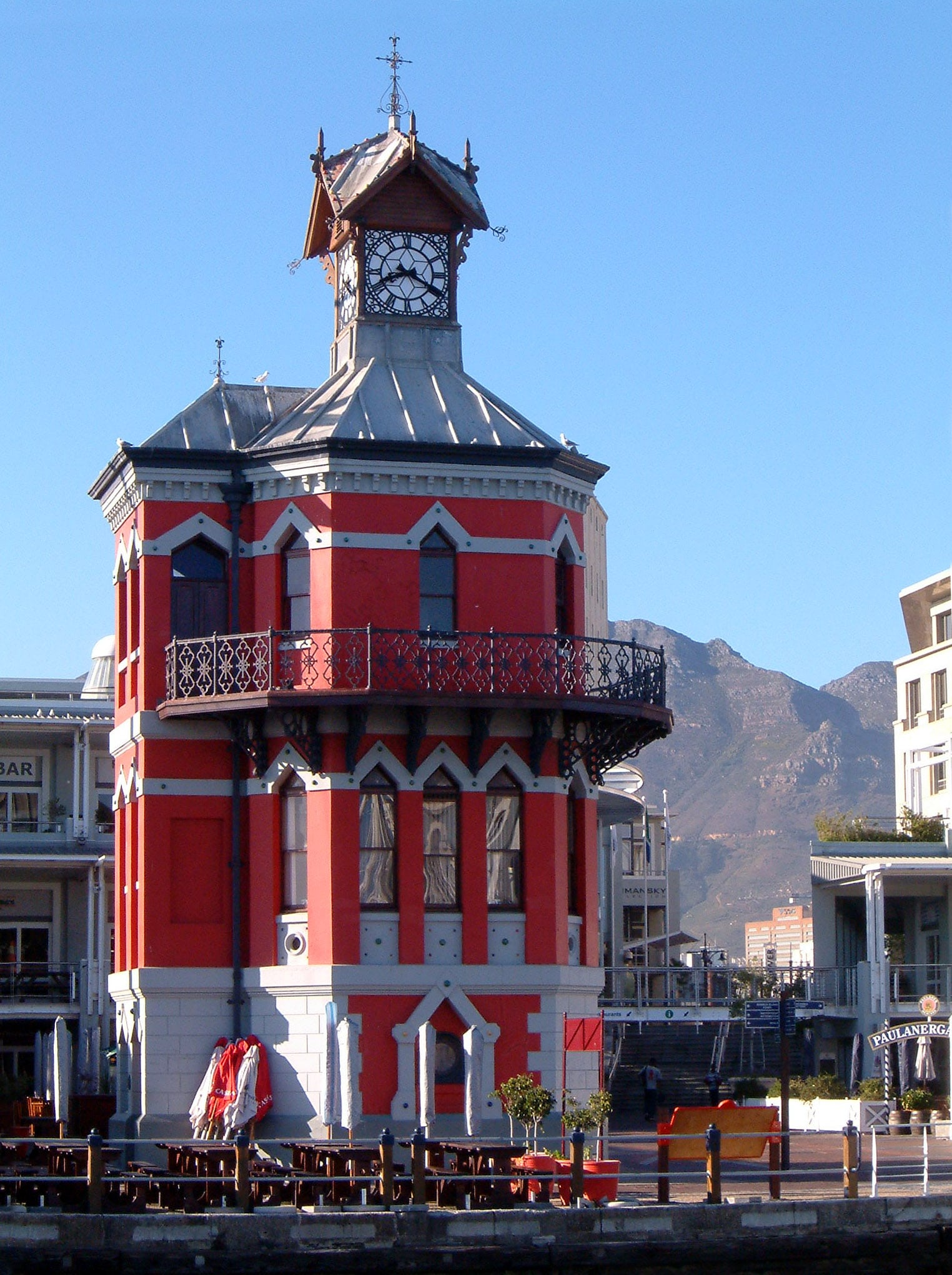
V&A Waterfront
Cape Town's working harbour front, with boats, shops, and the ferry to Robben Island.
Kenya: Masai Mara, Nairobi, Samburu, Amboseli National Park and 1 more
Savannah reserves, highland lakes, and a palm coast, usually linked by short flights from Nairobi.
Kenya is the original safari map: the Masai Mara, Laikipia and Samburu to the north, and a coast when you want to stop driving.
The migration river crossings, when they happen, are in the Mara from roughly July into October. The rest of the year the reserve is still one of Africa's great big-cat parks.
Kenya destination guide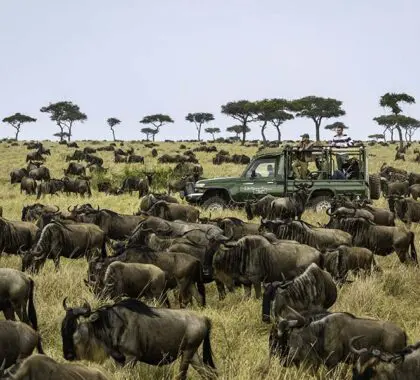
Masai Mara
Kenya's best-known reserve, continuous with the Serengeti, and the stage for the Mara River crossings.
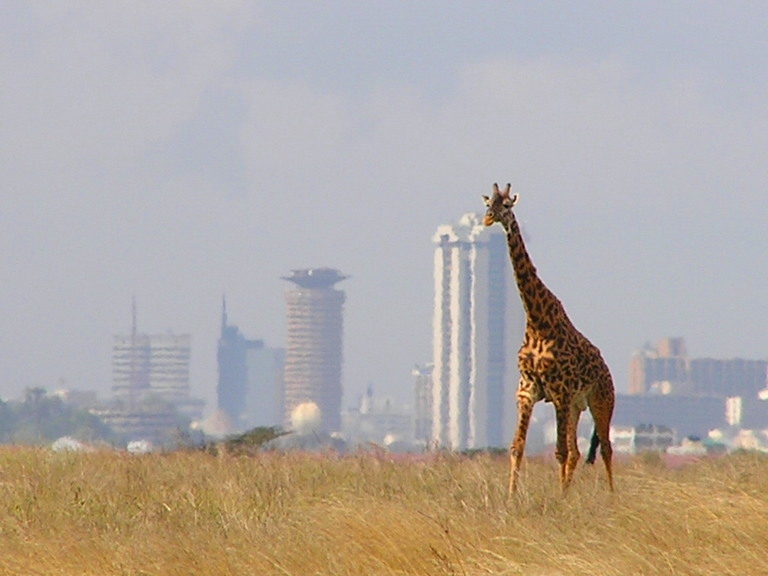
Nairobi
Kenya's capital and the usual first night, with a national park on the edge of the city.
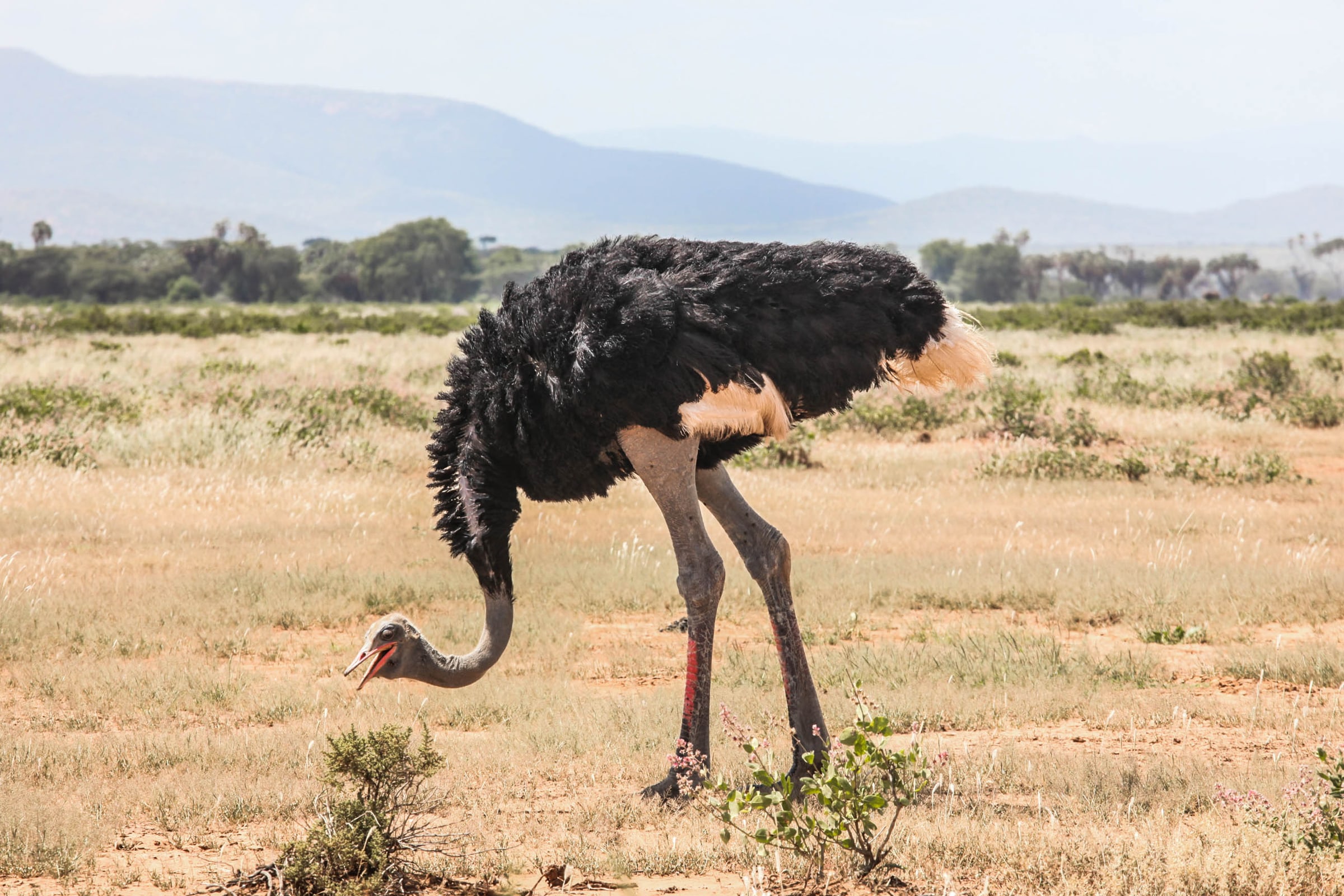
Samburu
A dry northern reserve on the Ewaso Ng'iro, home to species rarely seen further south.
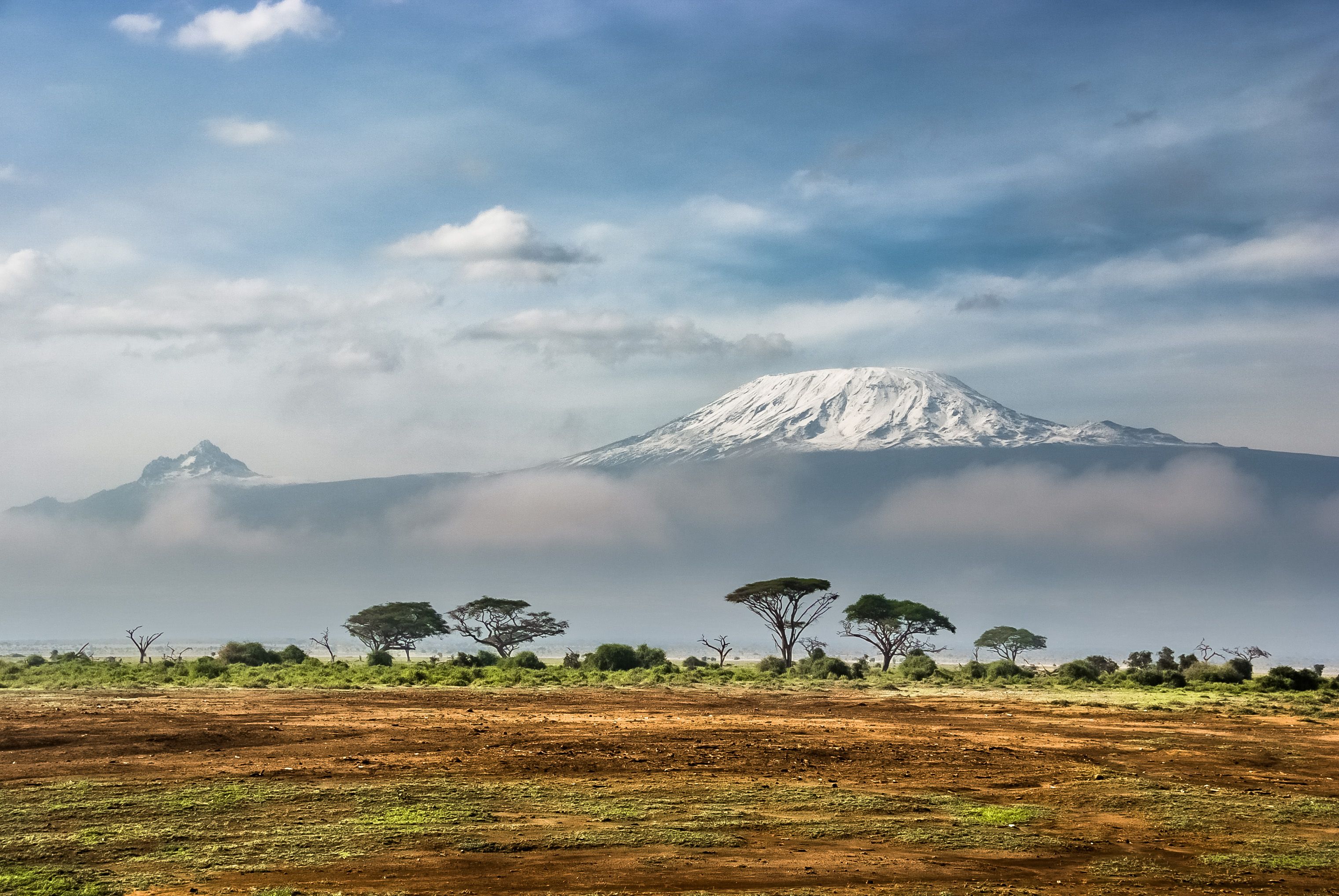
Amboseli National Park
Open plains and swamps beneath Kilimanjaro, known for big elephant herds and a clear view of the mountain.
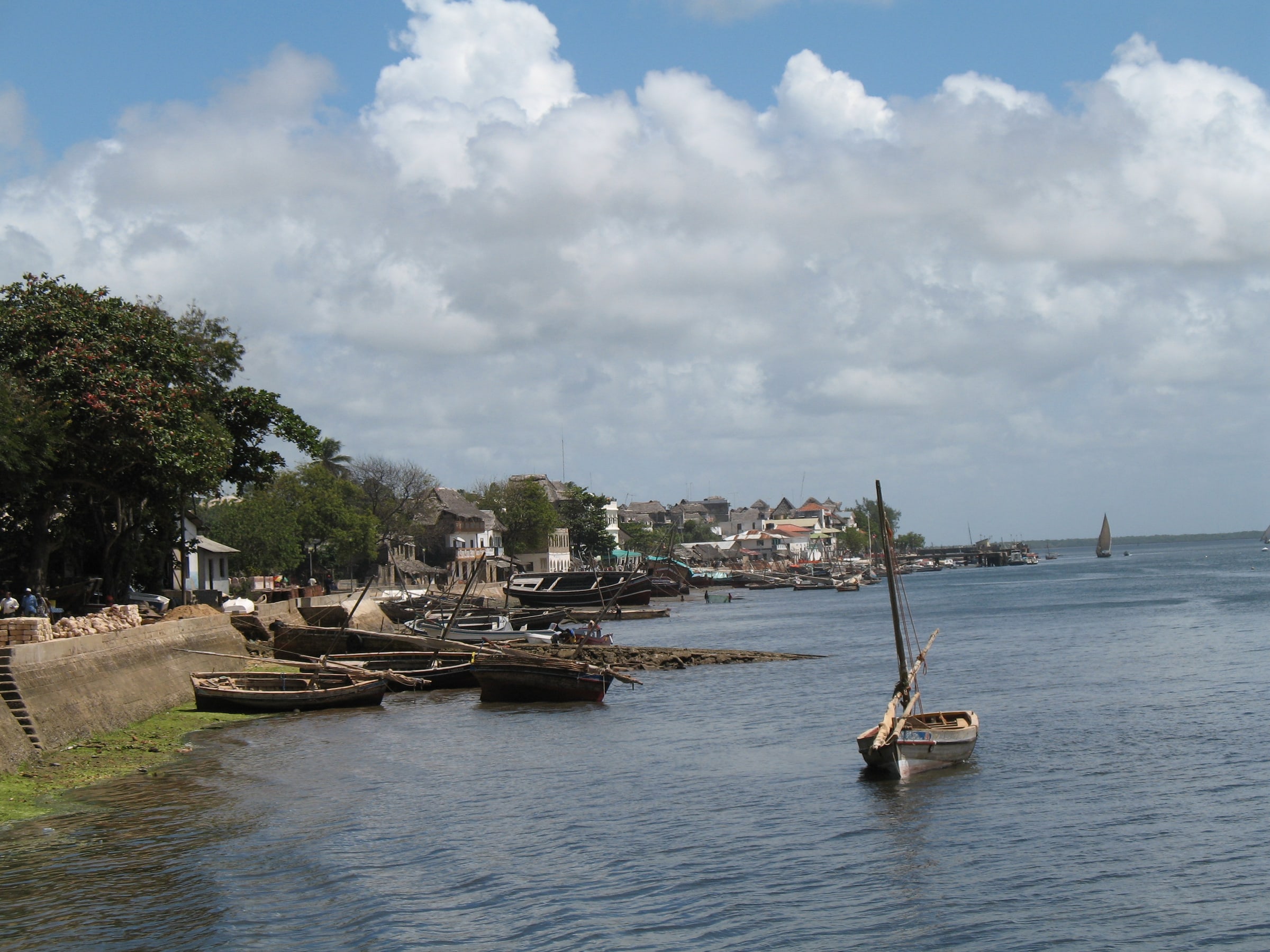
Lamu
A car-free Swahili island town on the north coast, reached by light aircraft.
Tanzania: Serengeti, Ngorongoro Crater, Arusha, Tarangire and 7 more
The Serengeti, Ngorongoro, and a long Indian Ocean coast, with Zanzibar as the classic beach finish.
Tanzania holds the Serengeti, the Ngorongoro Crater, and a beach on Zanzibar. The northern circuit is the famous one. The south - Ruaha and Nyerere - is the quieter one.
The wildebeest migration is in Tanzania for most of the year. River crossings in the north are a mid-year event. Calving in the south is around February. Neither is guaranteed on a given morning.
Tanzania destination guide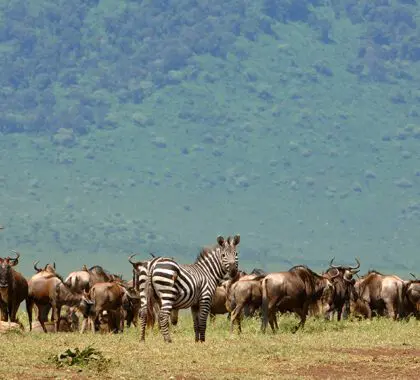
Serengeti
Tanzania's great plains park, continuous with the Masai Mara, and the path of the wildebeest migration.
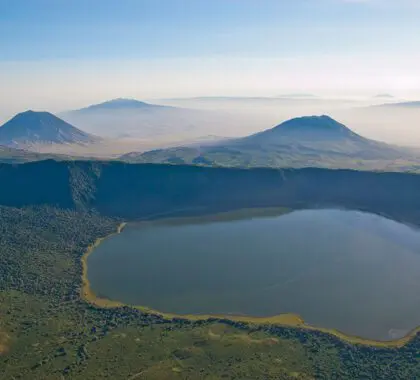
Ngorongoro Crater
A collapsed volcano whose floor holds a full spread of wildlife in a single day's drive.

Arusha
The northern safari hub, sitting between Kilimanjaro and the road to the crater highlands.
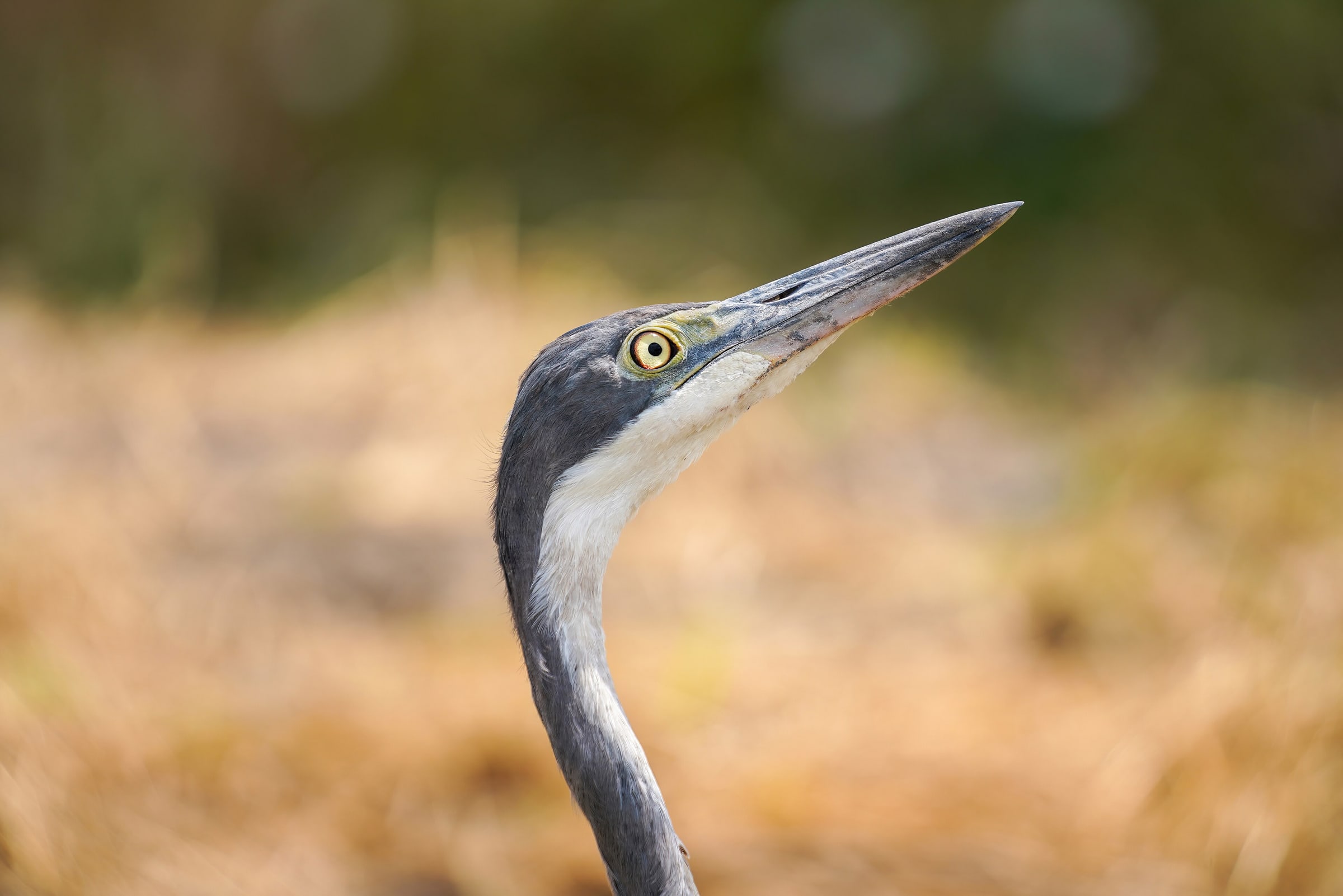
Tarangire
A baobab-studded park south of Lake Manyara, especially busy with elephants in the dry months.
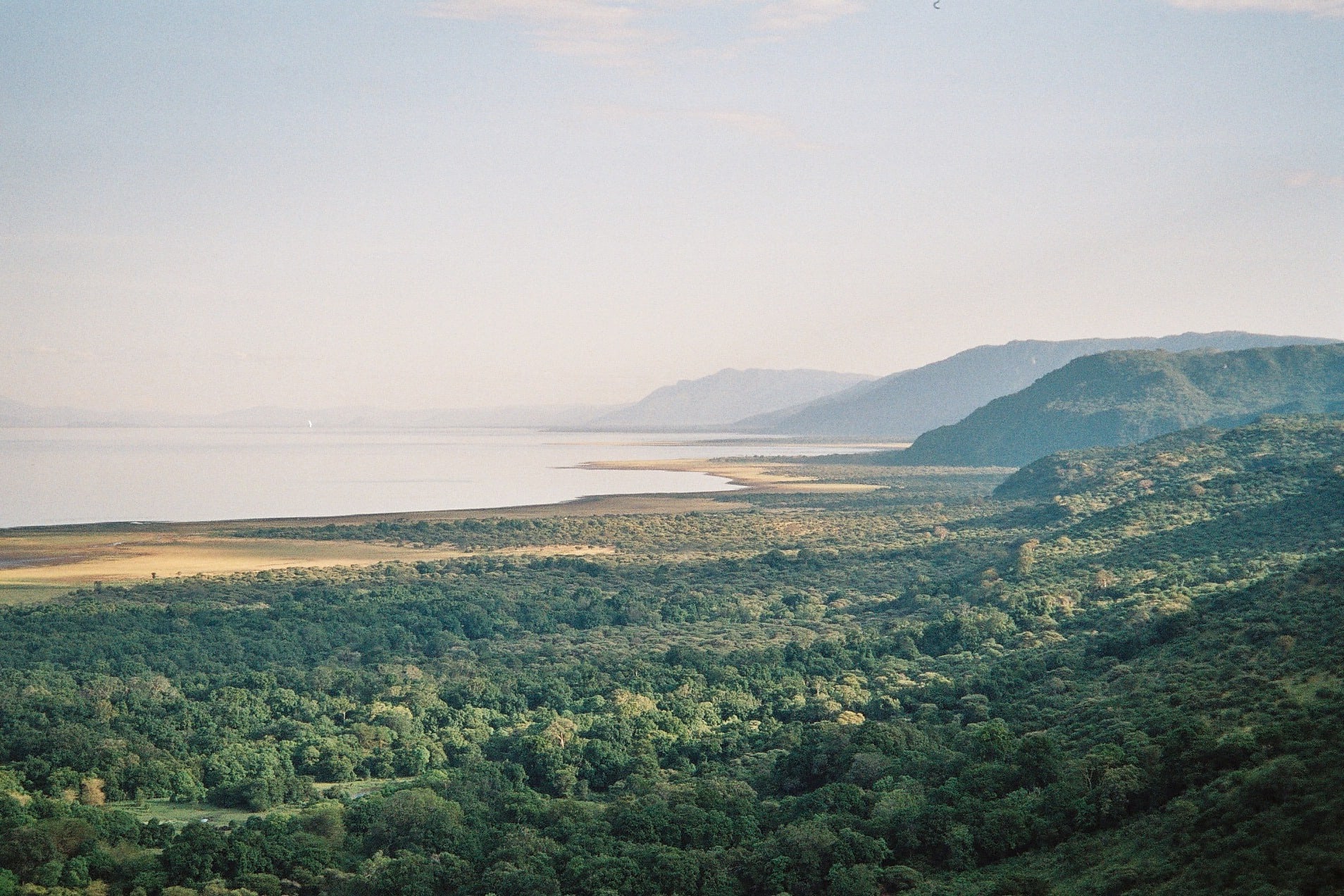
Lake Manyara
A compact park under the Rift wall, mixing groundwater forest, soda lake, and open flats.
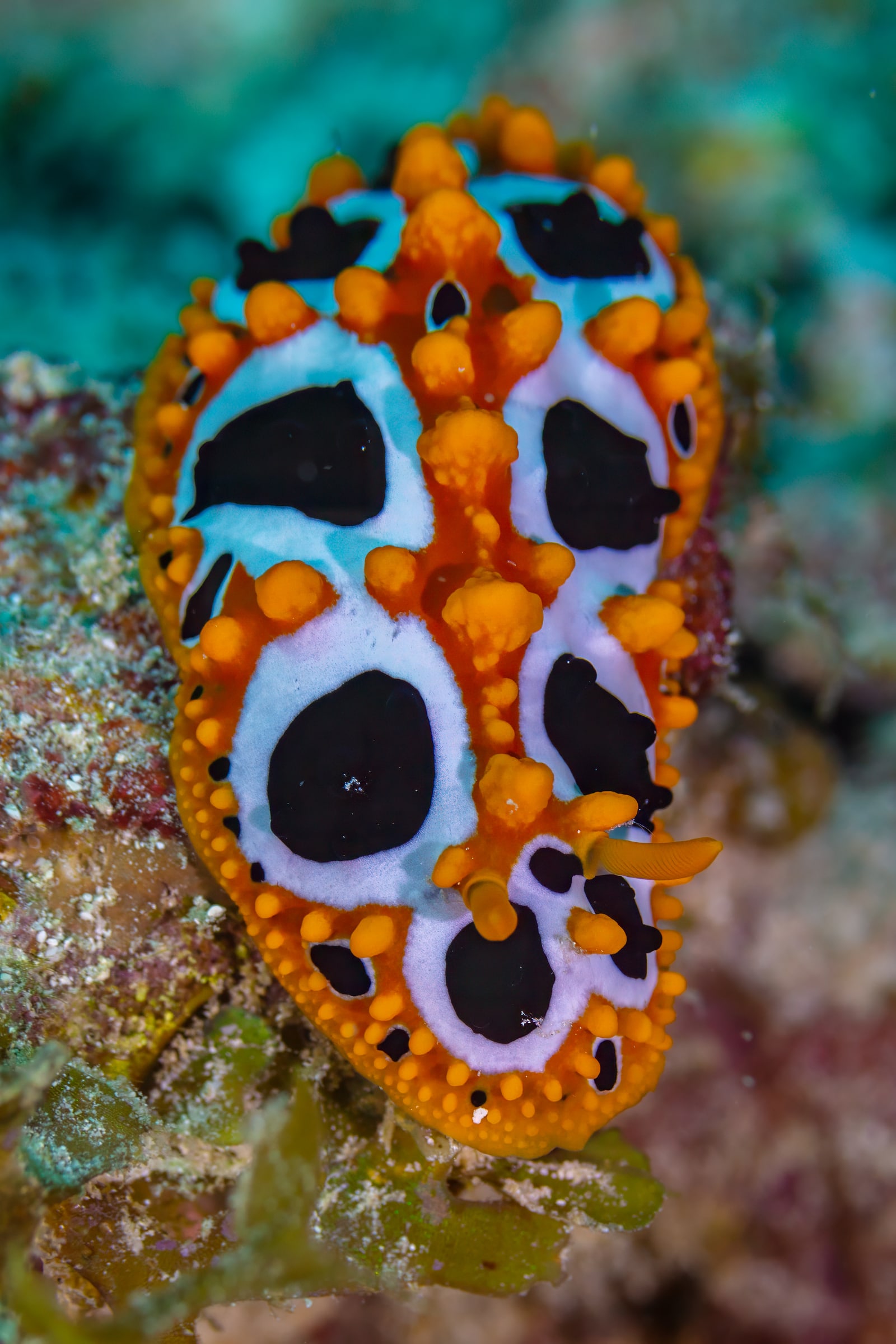
Zanzibar
The Spice Island off Dar es Salaam, with Stone Town, reefs, and a string of north and east coast beaches.
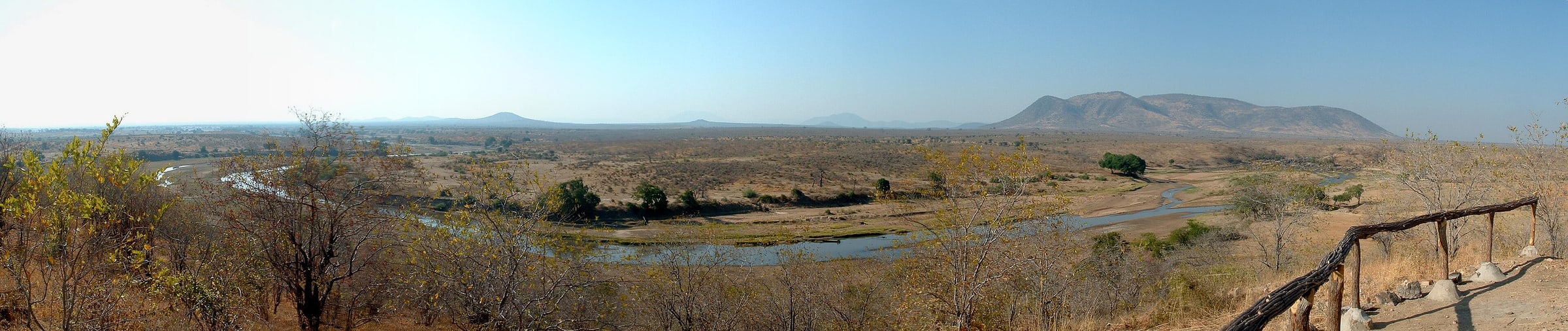
Ruaha
A large, quieter southern park of baobabs, sand rivers, and strong predator viewing.
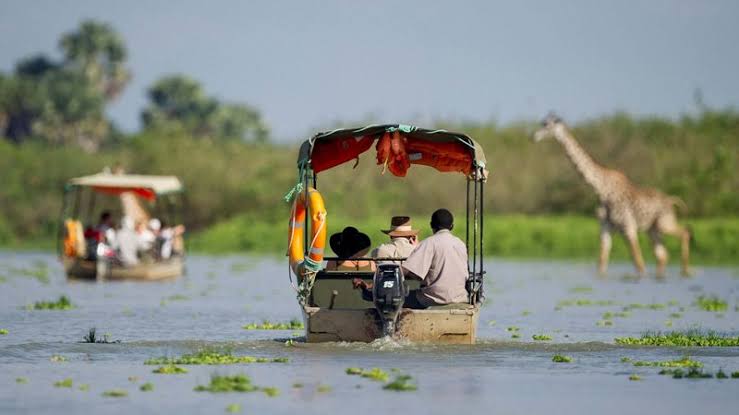
Nyerere
The current name of the great southern reserve long called the Selous, with boat safaris on the Rufiji.
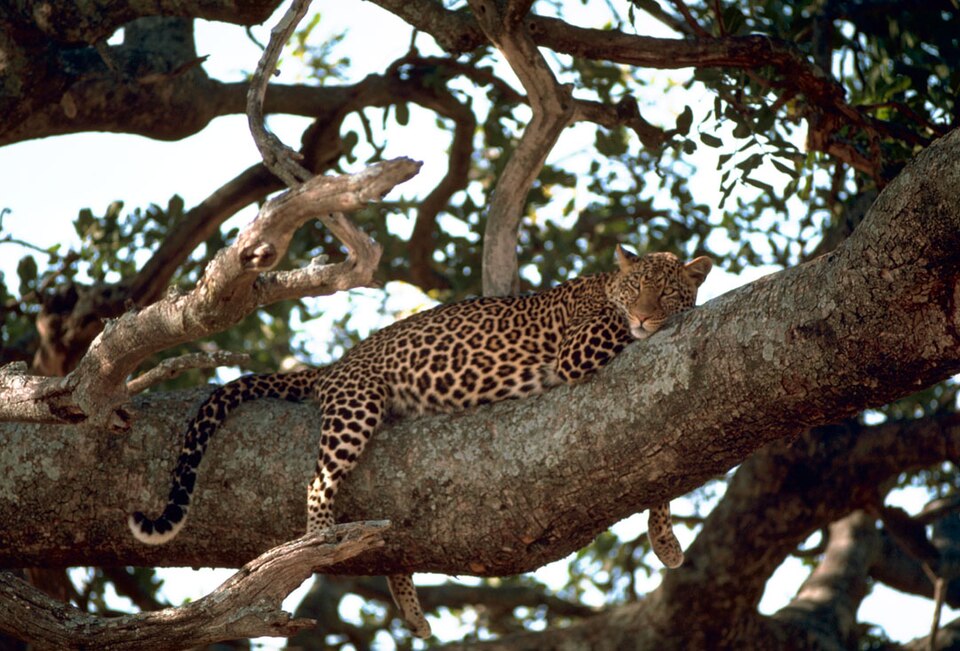
Rubondo Island
A forested island national park in the Tanzanian waters of Lake Victoria.
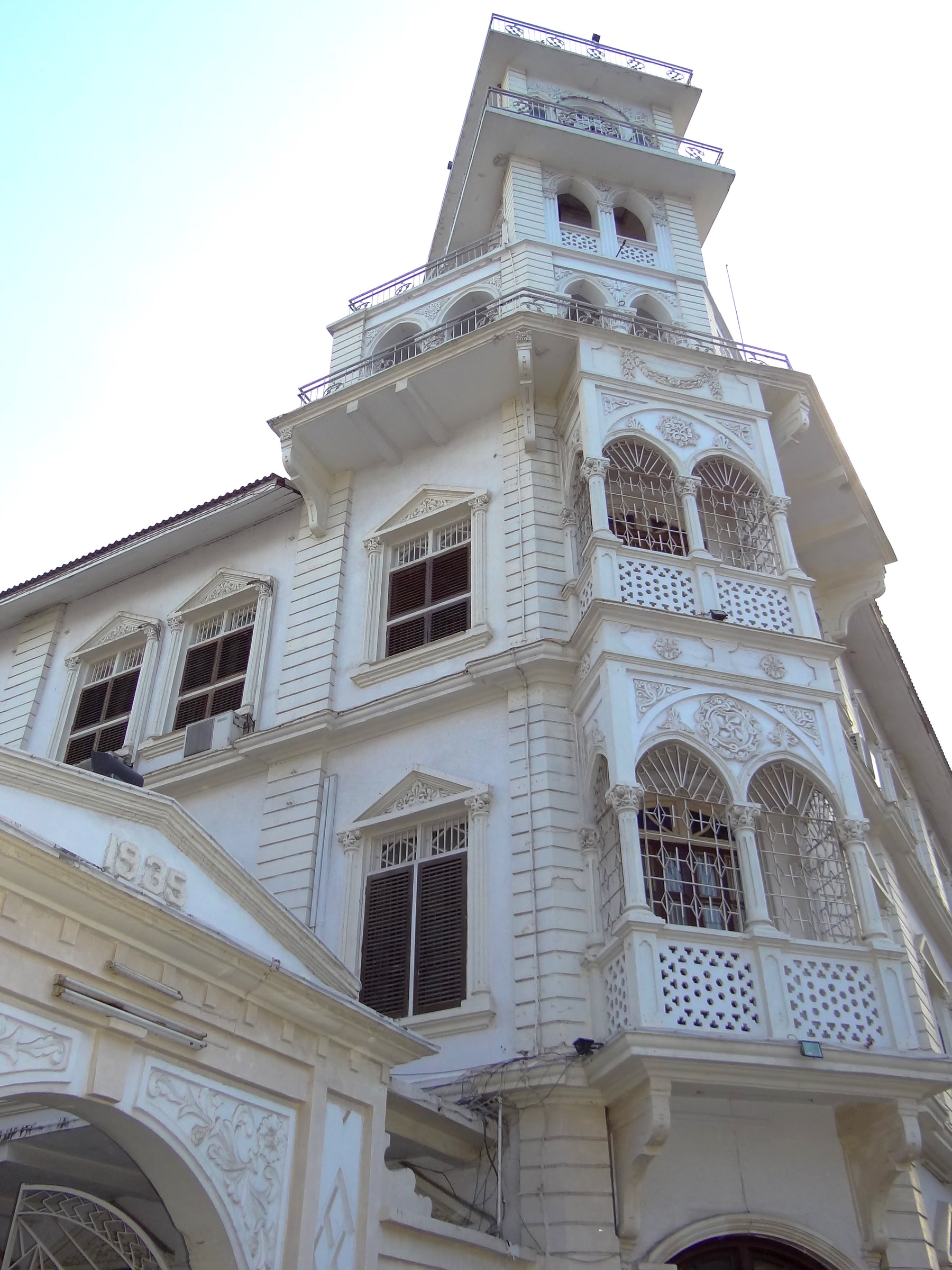
Dar es Salaam
Tanzania's largest city and the flight link for the southern parks and Zanzibar.
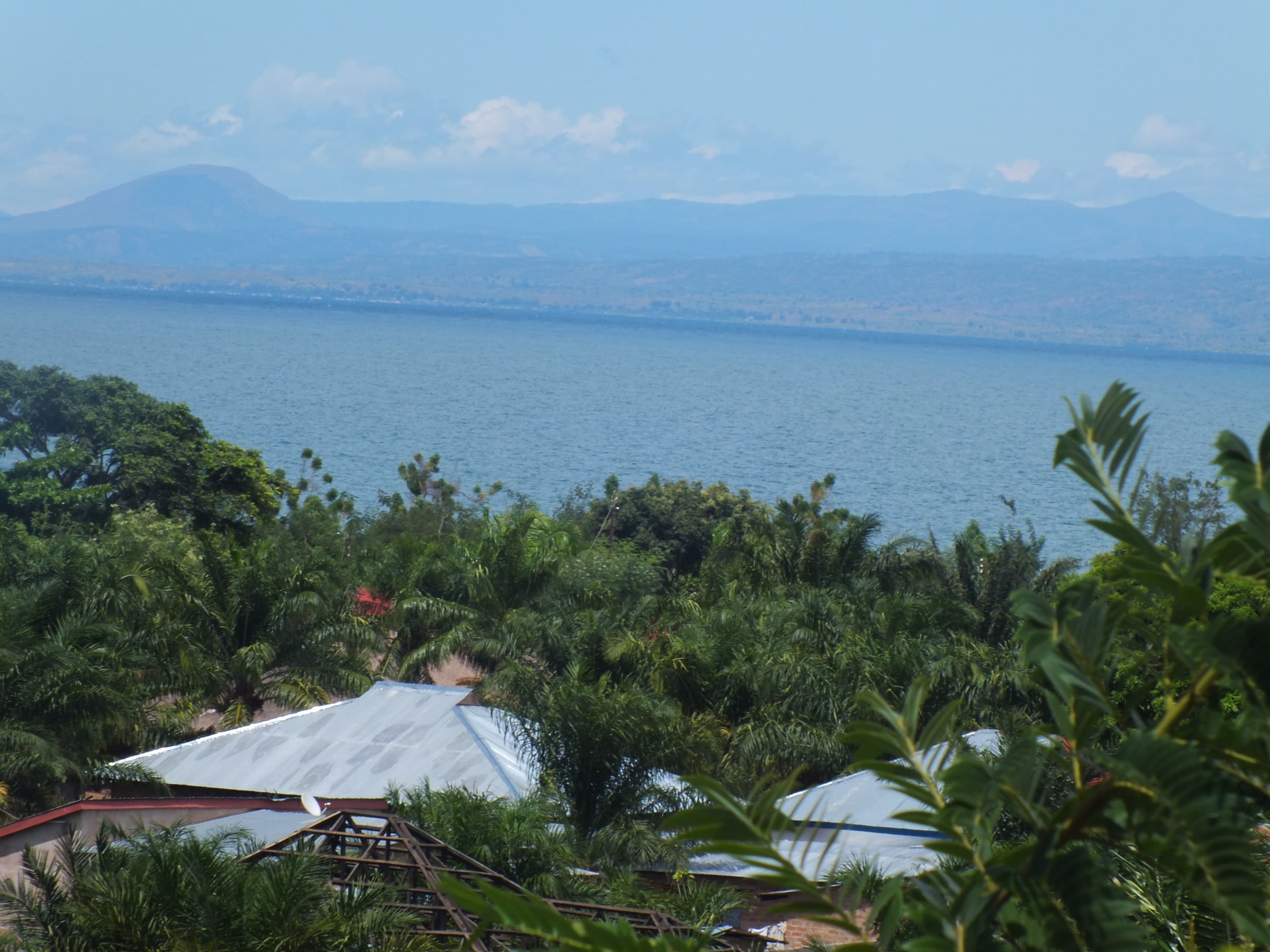
Lake Tanganyika
A deep Rift lake bordered by Tanzania, Zambia, and the Congo, visited for chimpanzees and quiet shoreline camps.
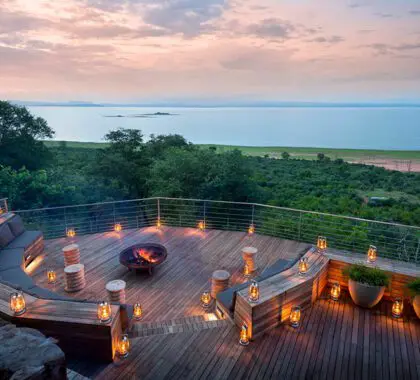
Zimbabwe: Victoria Falls, Hwange, Gonarezhou & Malilangwe, Matobo National Park and 2 more
Victoria Falls, Hwange's elephants, and the canoe country of Mana Pools.
Zimbabwe is Victoria Falls, Hwange's elephants, and Mana Pools on the Zambezi. The falls town is also the easiest place in the region for a scenic flight or a day on the river.
Dry-season wildlife is excellent, and the country links cleanly to Chobe and to the Zambian side of the falls.
Zimbabwe destination guide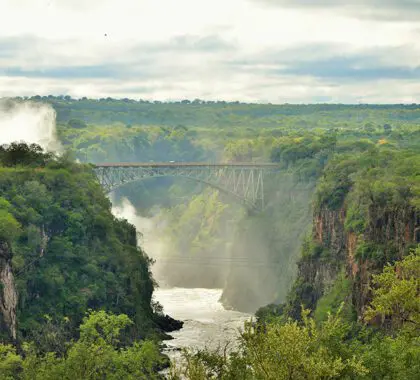
Victoria Falls
The waterfall on the Zambezi between Zimbabwe and Zambia, with the town of Victoria Falls on one bank and Livingstone on the other.
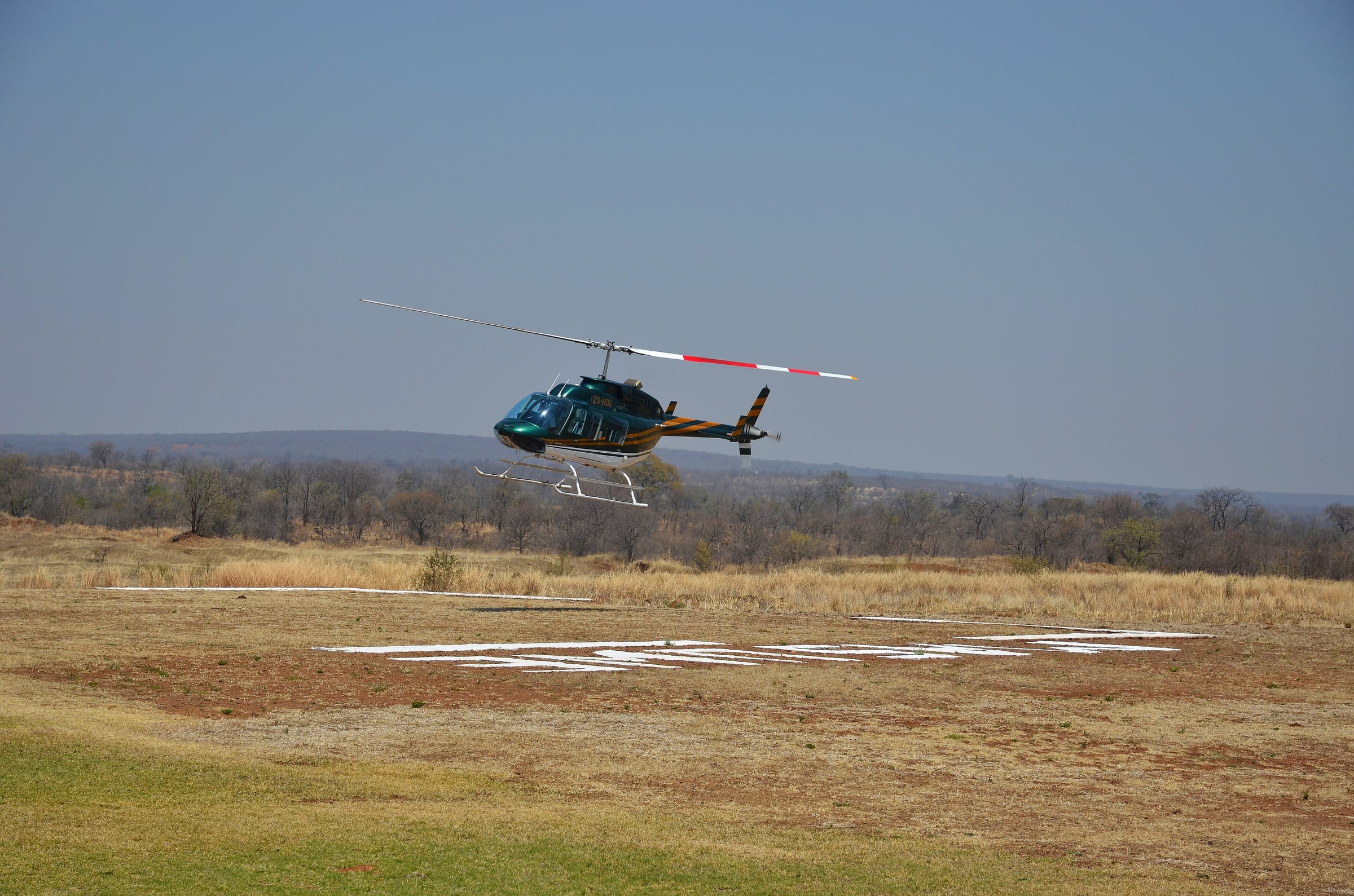
Hwange
Zimbabwe's largest park, a dry woodland where elephants and painted wolves visit pumped waterholes.
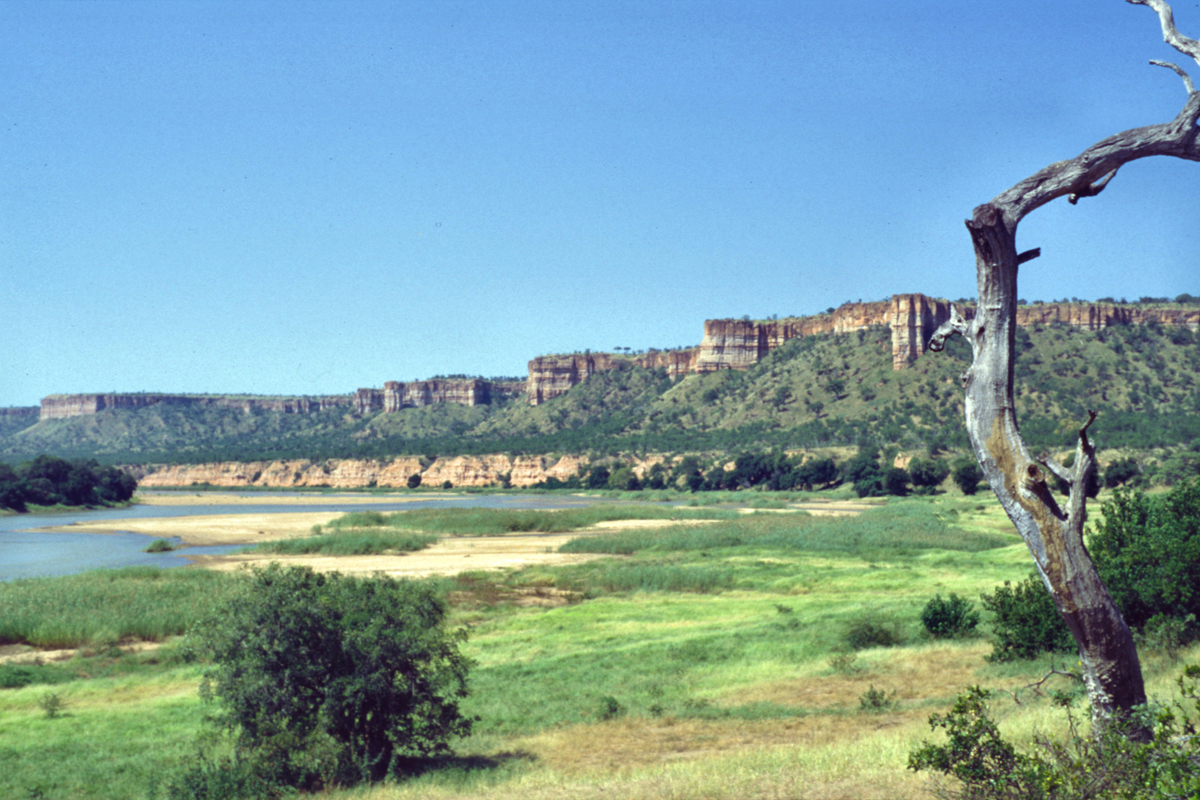
Gonarezhou & Malilangwe
The remote south-east of Zimbabwe: a vast park and the private reserve beside it.
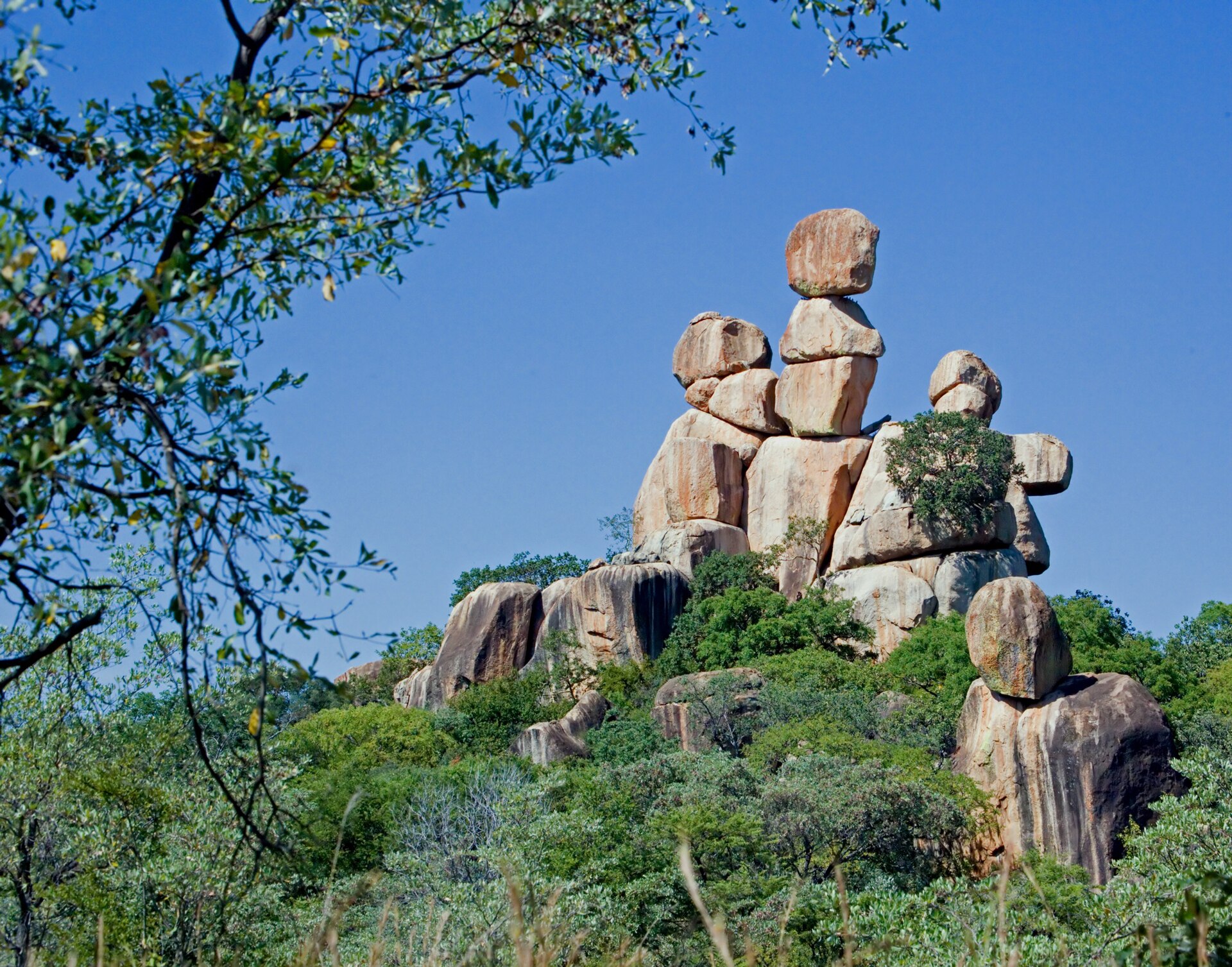
Matobo National Park
Granite hills south of Bulawayo, with rock art, black rhino, and walks among the boulders.
Matusadona National Park
A remote shoreline park on Lake Kariba, reached by boat or light aircraft.
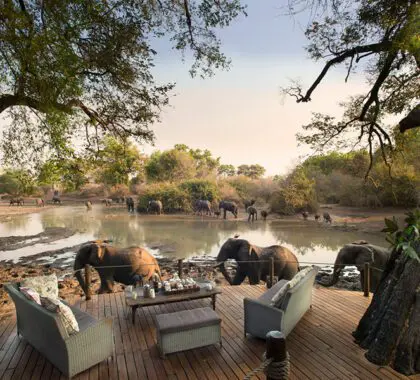
Mana Pools
A Zambezi floodplain park known for walking safaris and canoe trips under albida trees.
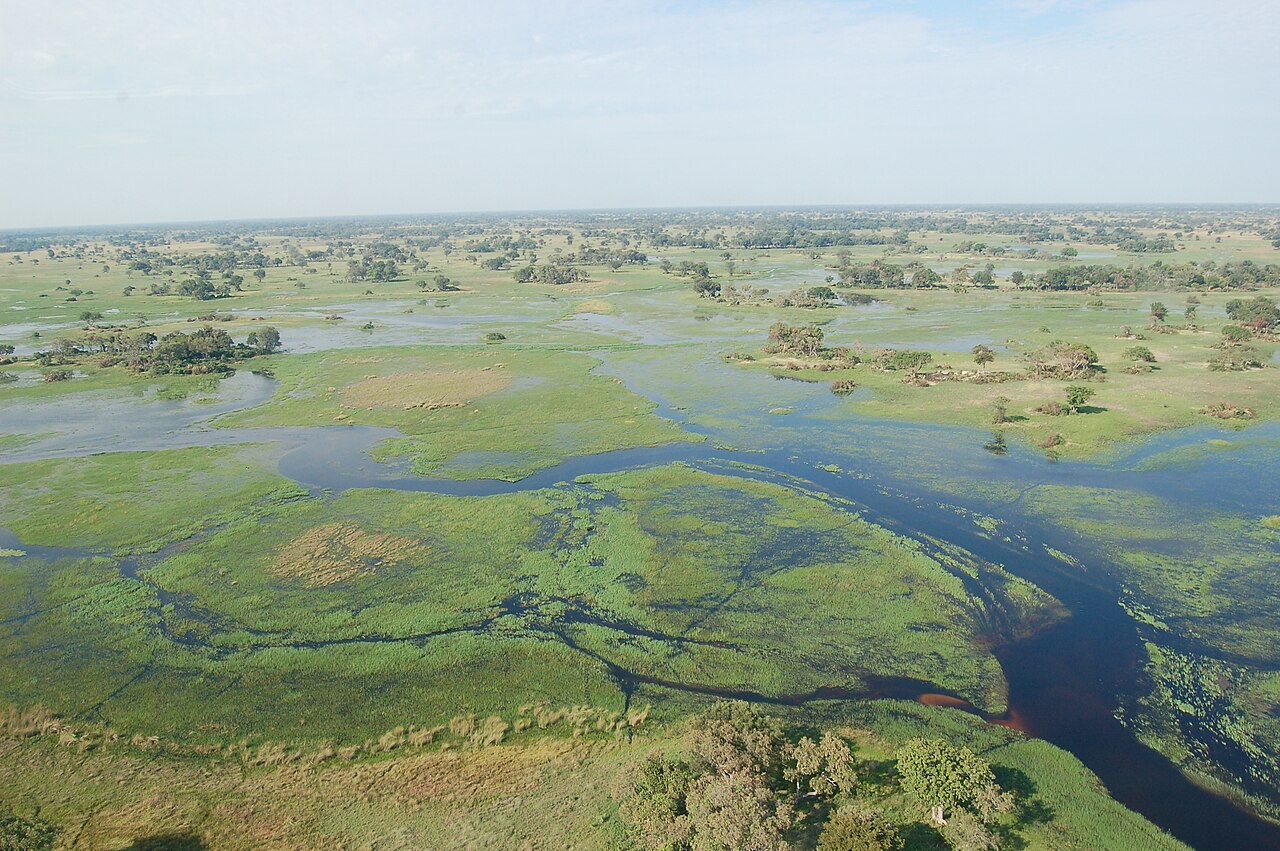
Botswana: Okavango Delta, Chobe National Park, Kalahari, Moremi and 3 more
Water and desert in one country: the Okavango, Chobe, and the Kalahari, usually flown camp to camp.
Botswana is water and desert in one country: the Okavango's channels, Chobe's elephant herds, and the open Kalahari.
Most safaris here are fly-in. Camps stay small, and the north is set up for boats and mokoros as well as game drives. Cape Town, the Namib, and Victoria Falls are straightforward to add before or after.
Botswana destination guide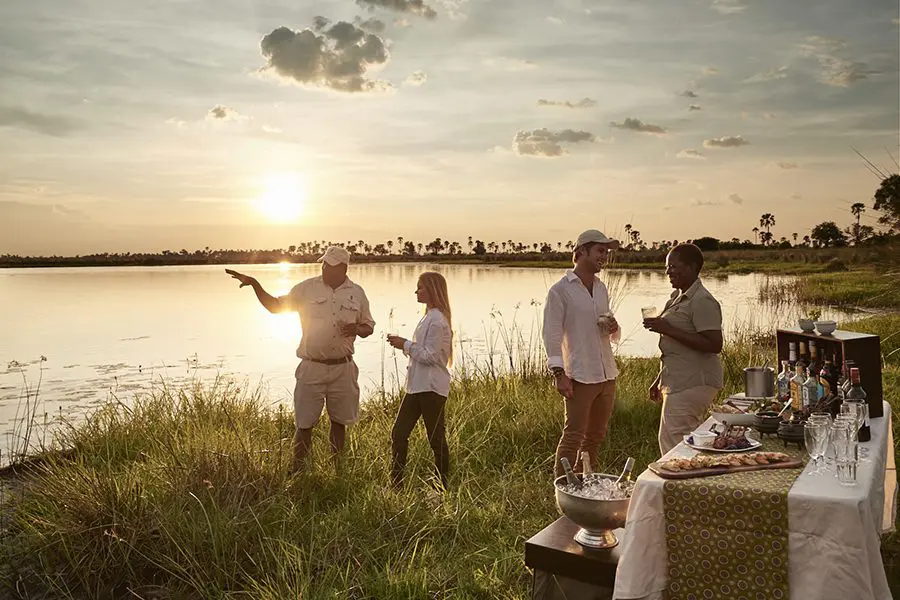
Okavango Delta
An inland delta of channels and islands, explored by mokoro, boat, and game drive.
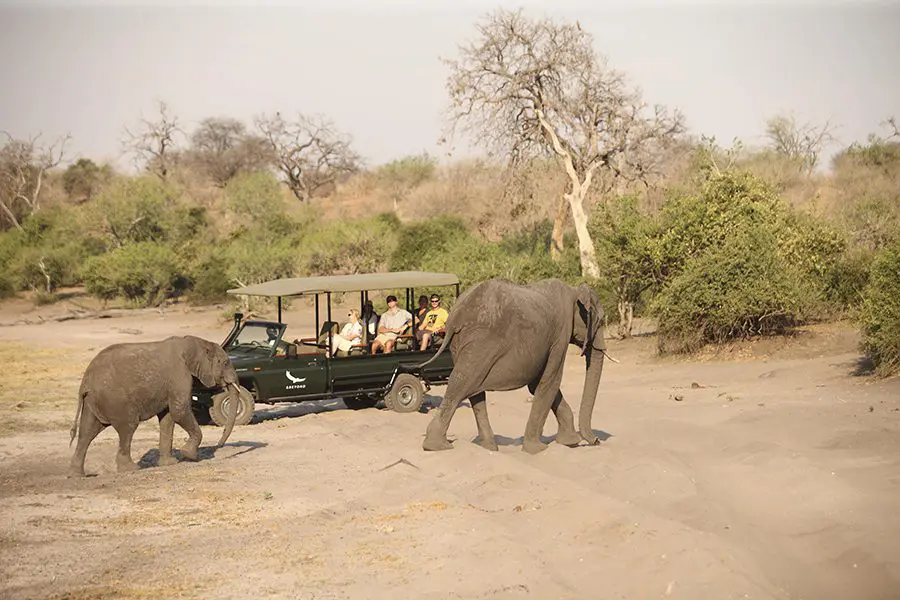
Chobe National Park
A northern park famous for elephants along the Chobe River and for the drier Savuti interior.
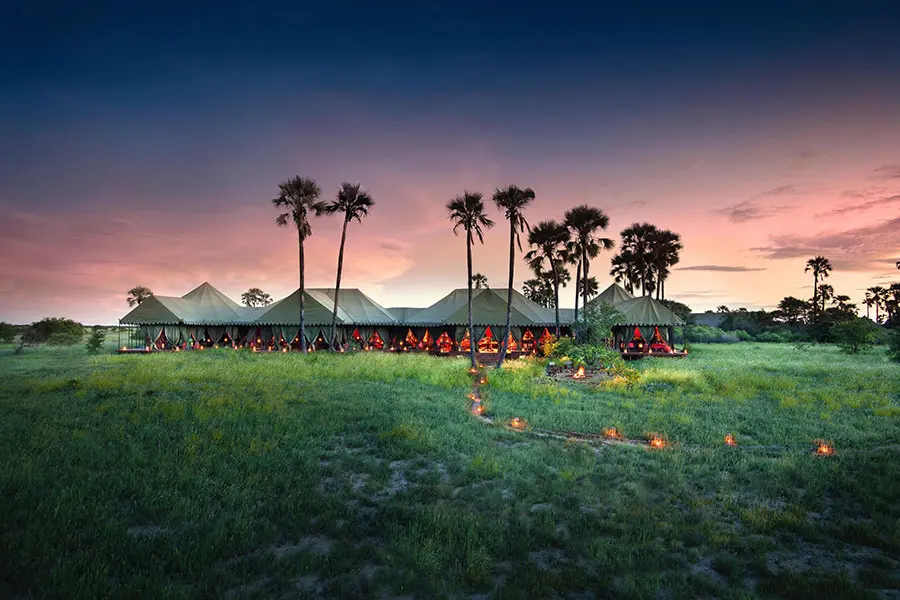
Kalahari
Red dunes and salt pans stretching across Botswana, Namibia, and northern South Africa.
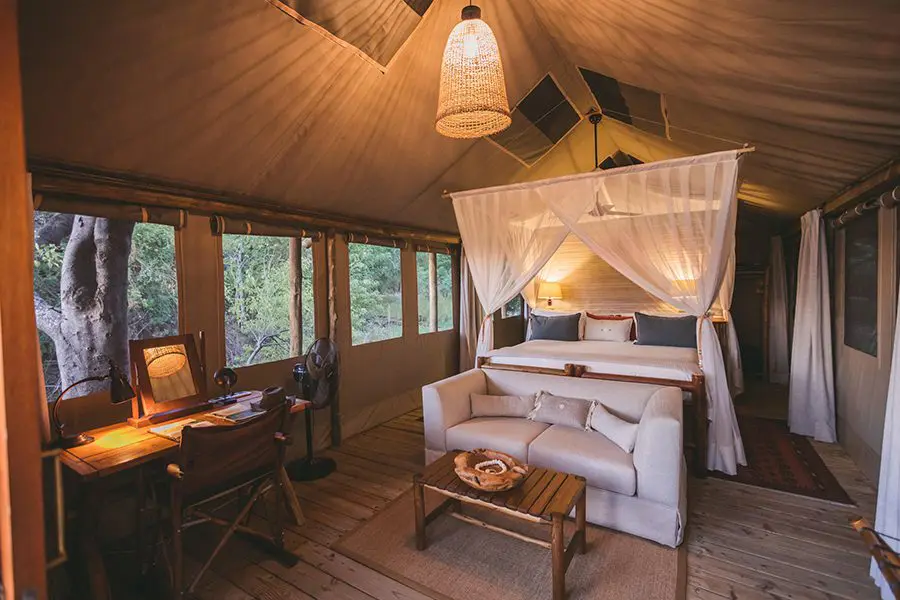
Moremi
The protected eastern side of the Okavango, mixing dry land, lagoons, and high wildlife density.
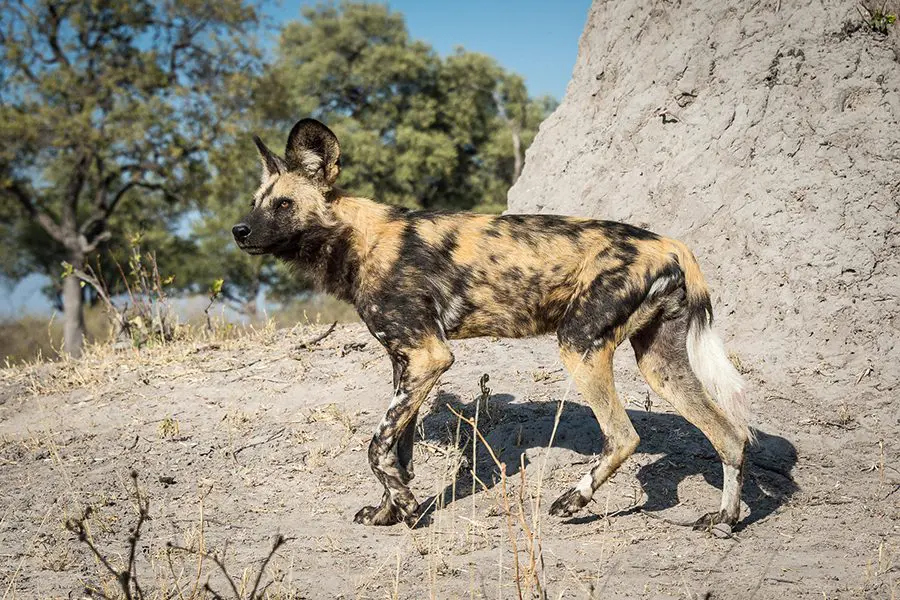
Linyanti
A private concession of marshes and woodland between Chobe and the Okavango.
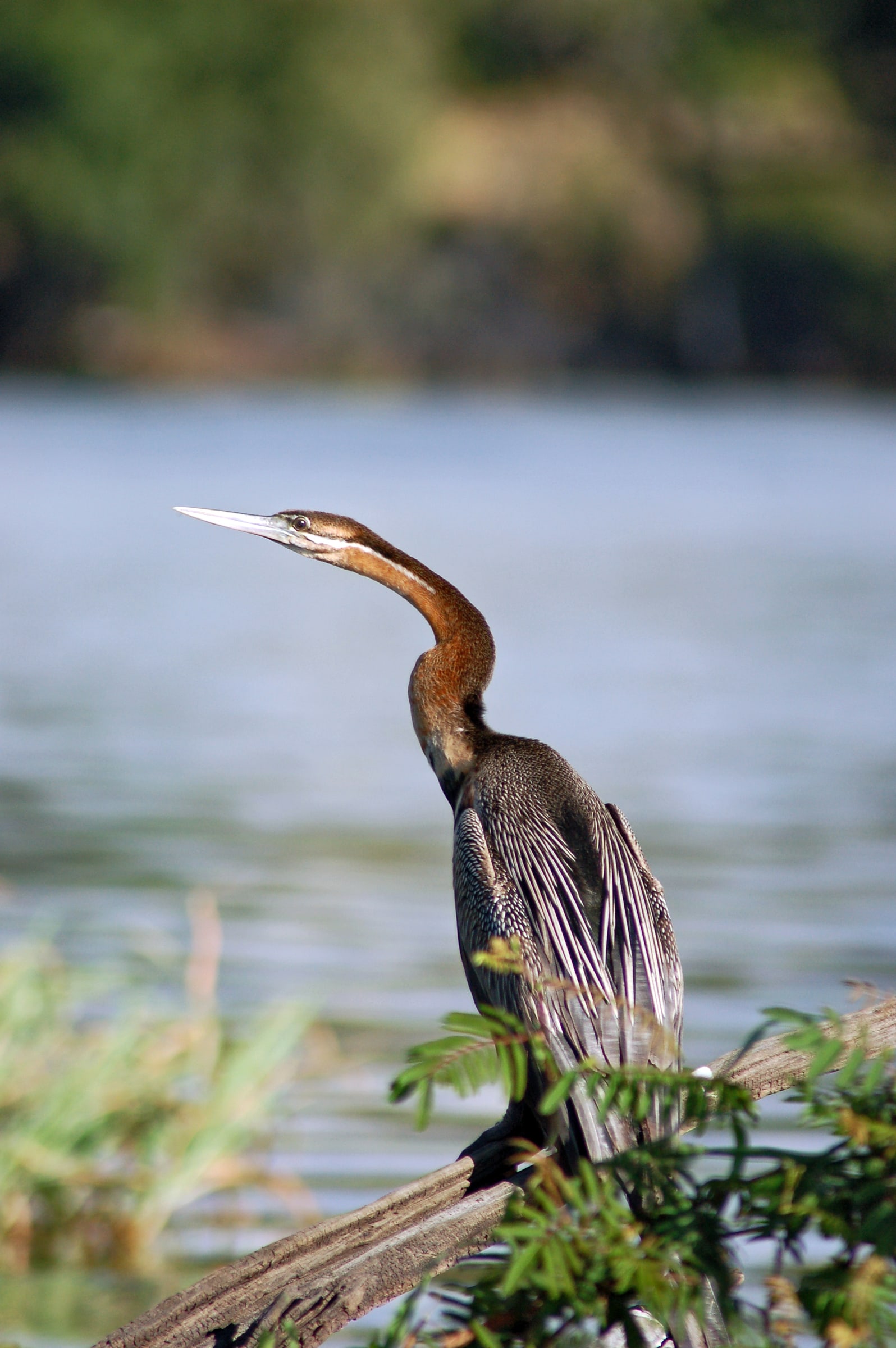
Chobe River
The riverfront of Chobe, where boat cruises run beside large elephant herds.
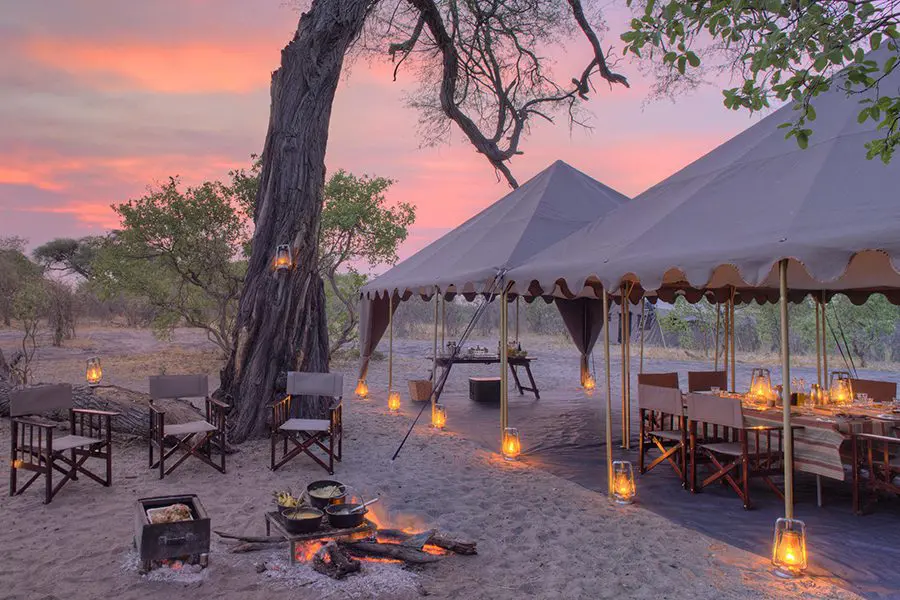
Savuti
A dry channel and marsh inside Chobe, known for predator activity in the drier months.
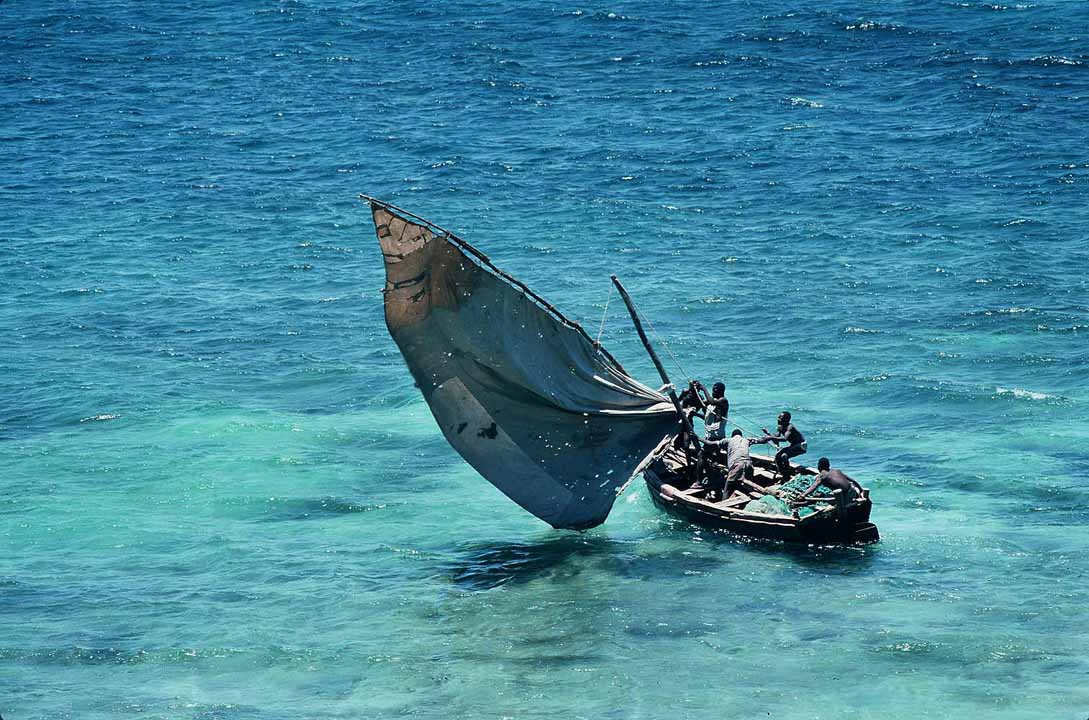
Mozambique: Bazaruto Archipelago
A long Indian Ocean coast of islands and reefs, easy to pair with a Kruger or South Africa safari.
Mozambique is 2,500 kilometres of Indian Ocean coast, plus a handful of real wildlife parks inland.
The usual trip is a beach in the Bazaruto islands, sometimes after Kruger, which sits just across the South African border. Gorongosa is the park if you want elephants without leaving the country.
Mozambique destination guide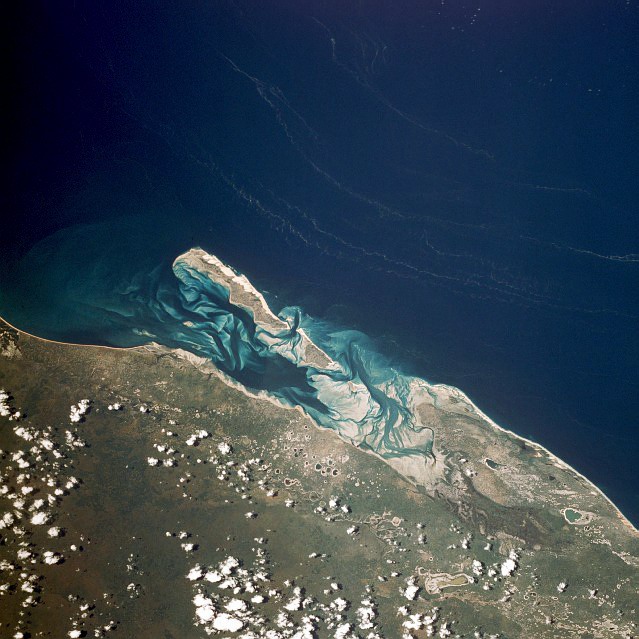
Bazaruto Archipelago
A marine park of sand islands off Vilanculos, visited for dhows, dunes, and reef snorkelling.
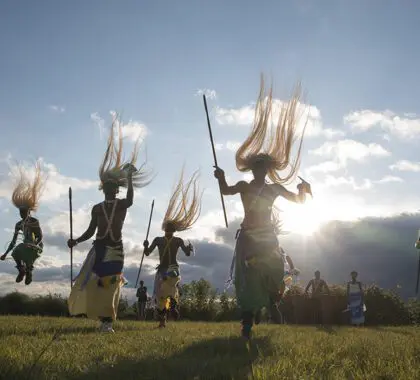
Rwanda: Kigali, Volcanoes National Park, Akagera
A compact highland country, visited above all for gorilla trekking in Volcanoes National Park.
Rwanda is the compact gorilla trip. Kigali to Volcanoes National Park is a few hours, and the country is small enough to add chimps or a savannah park without a second week of travel.
The permit is the heart of the cost and the reason most people come. The rest - Lake Kivu, Nyungwe, Akagera - is what makes it more than a single trek.
Rwanda destination guide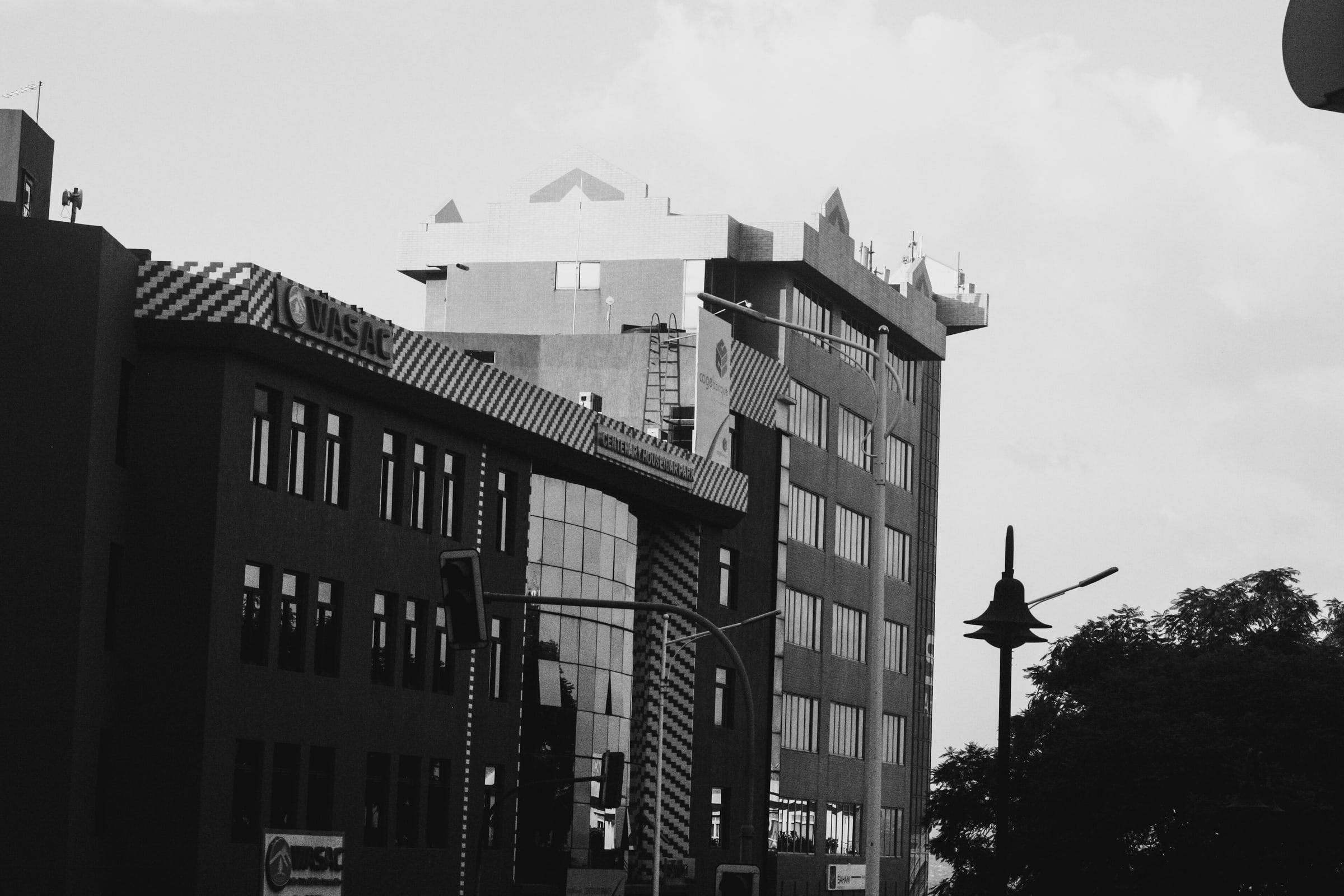
Kigali
Rwanda's capital, and the night before or after a gorilla trek.
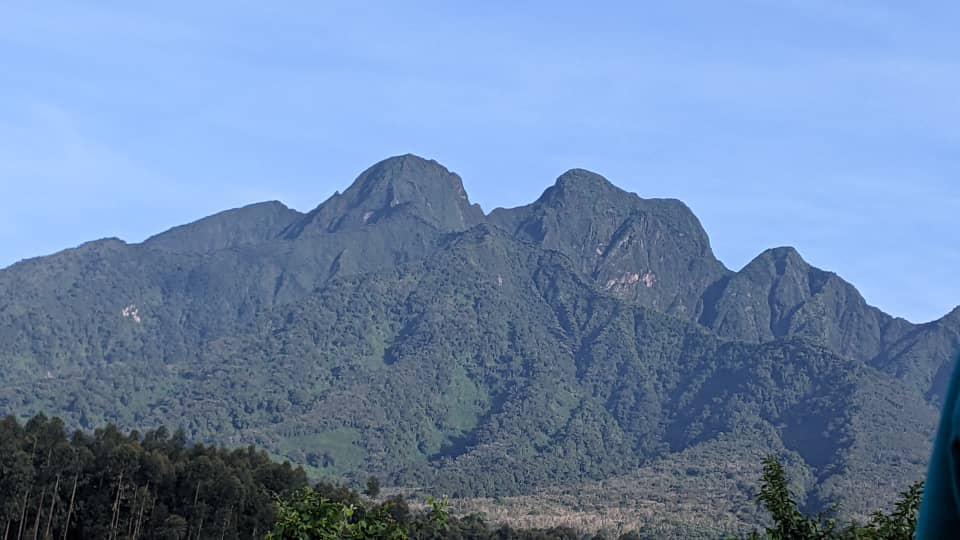
Volcanoes National Park
The Virunga volcanoes in north-west Rwanda, where most mountain-gorilla treks in the country start.
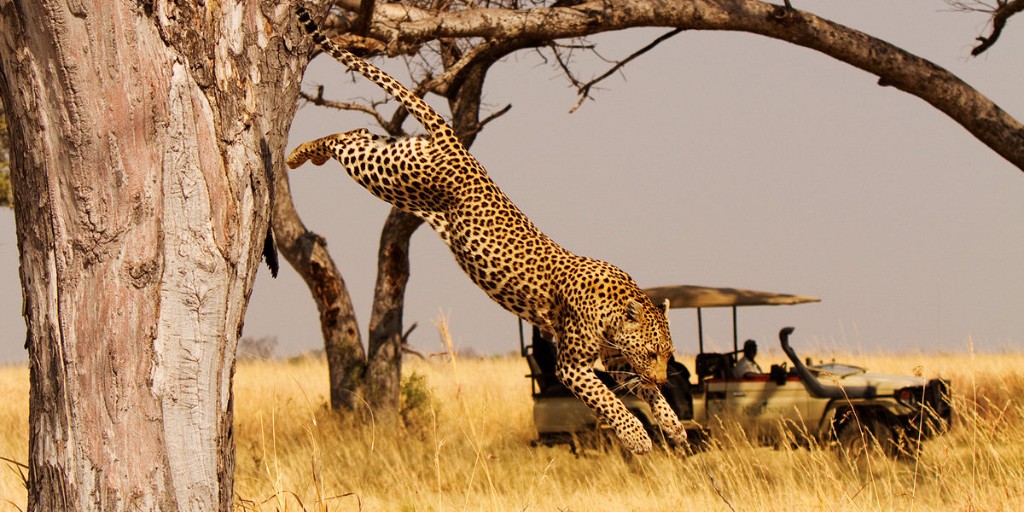
Akagera
Rwanda's savannah park on the eastern lakes, with plains wildlife rather than a gorilla trek.
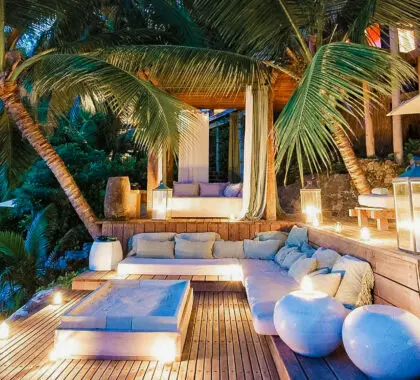
Seychelles: Private Islands, Praslin
Granite islands in the Indian Ocean, usually Mahé, Praslin, and La Digue on one ticket.
The Seychelles are granite islands in the Indian Ocean: pale sand, huge boulders, and water that stays warm all year.
Most trips hop between Mahé, Praslin, and La Digue. It is a natural finish after a Kenya, Tanzania, or gorilla safari, and it is also a complete beach holiday on its own.
Seychelles destination guide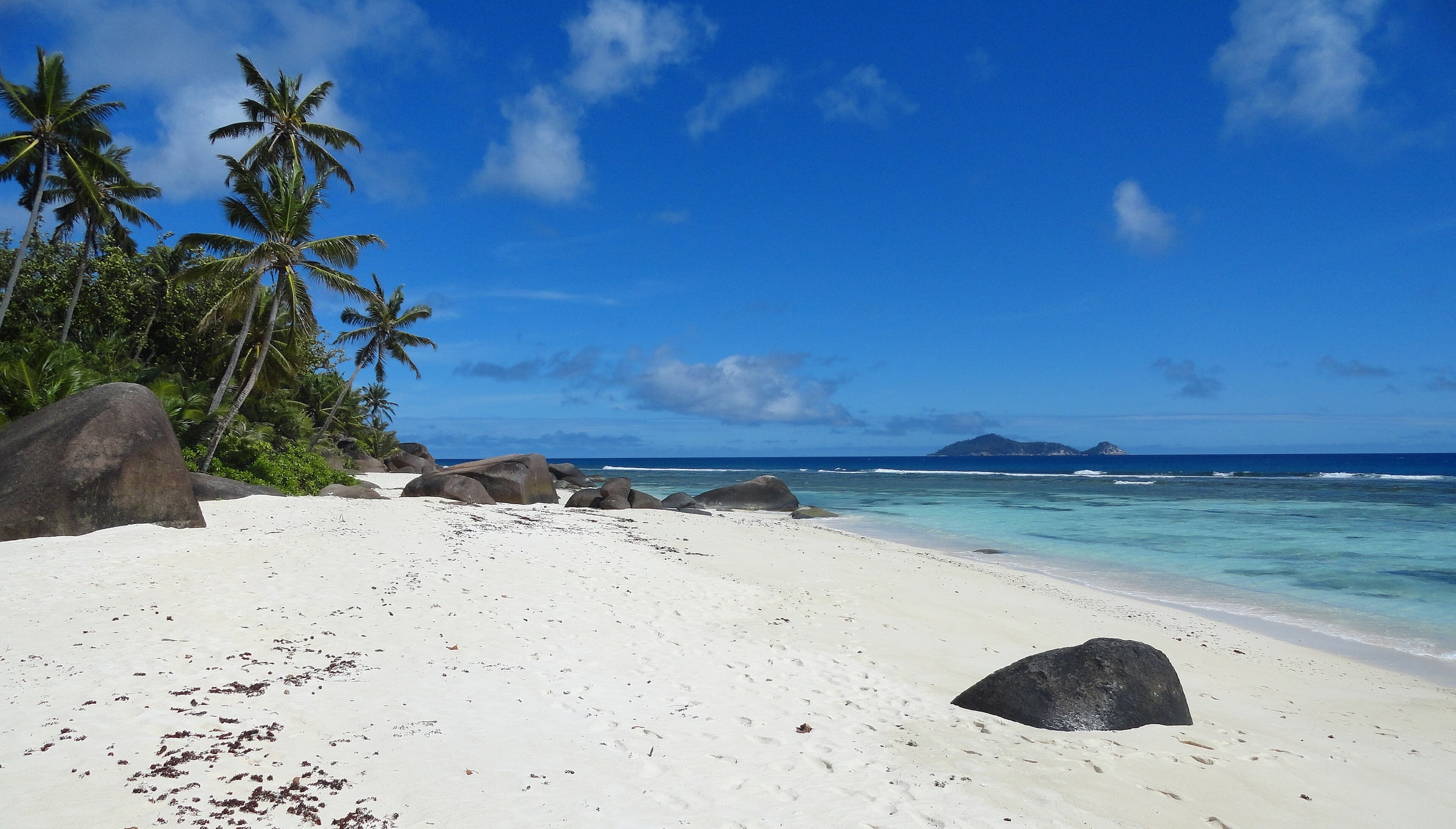
Private Islands
Exclusive island stays, usually added to a Seychelles or Mozambique beach week.
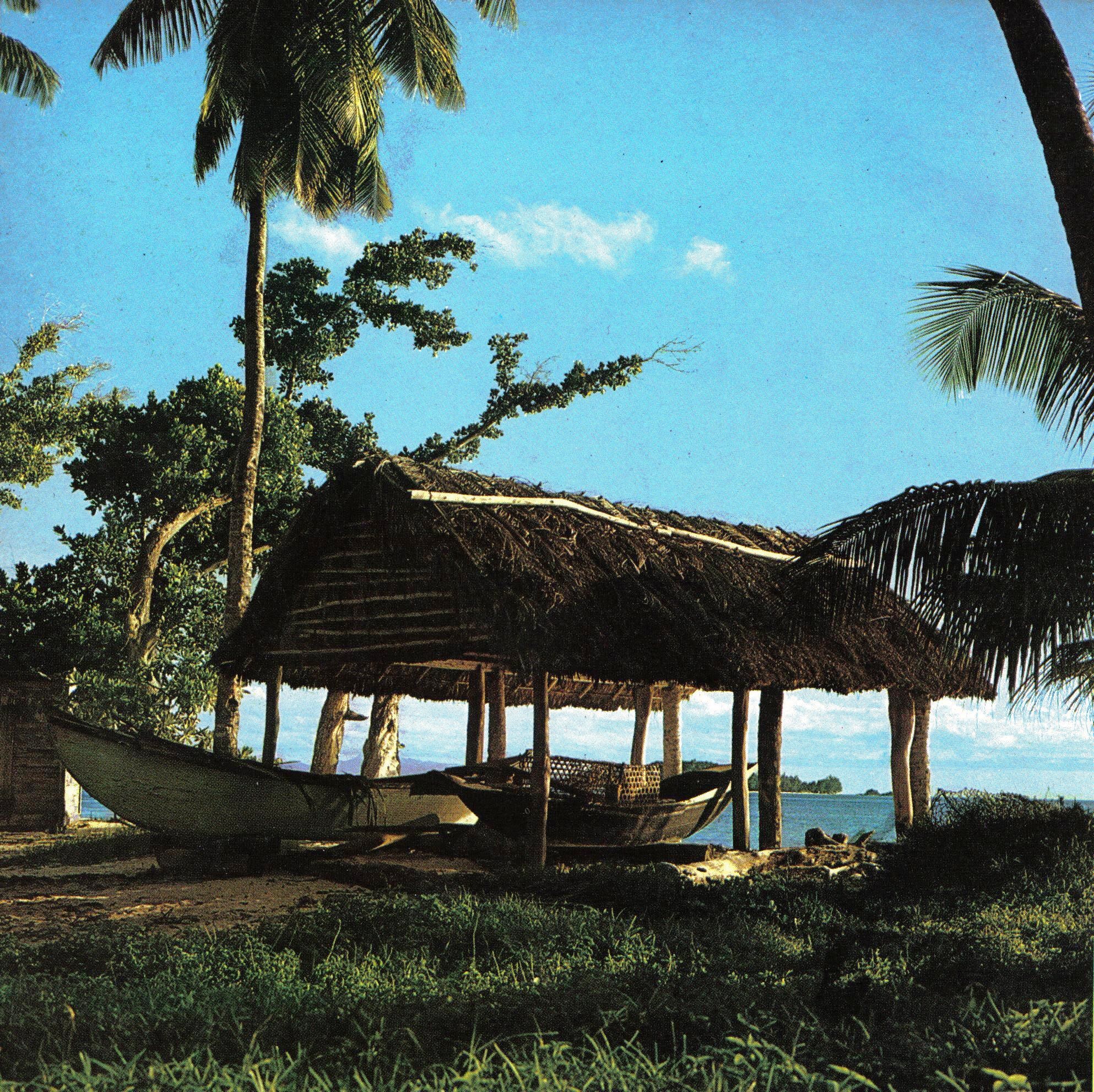
Praslin
A quieter island north of Mahé, known for Anse Lazio and the Vallée de Mai palm forest.
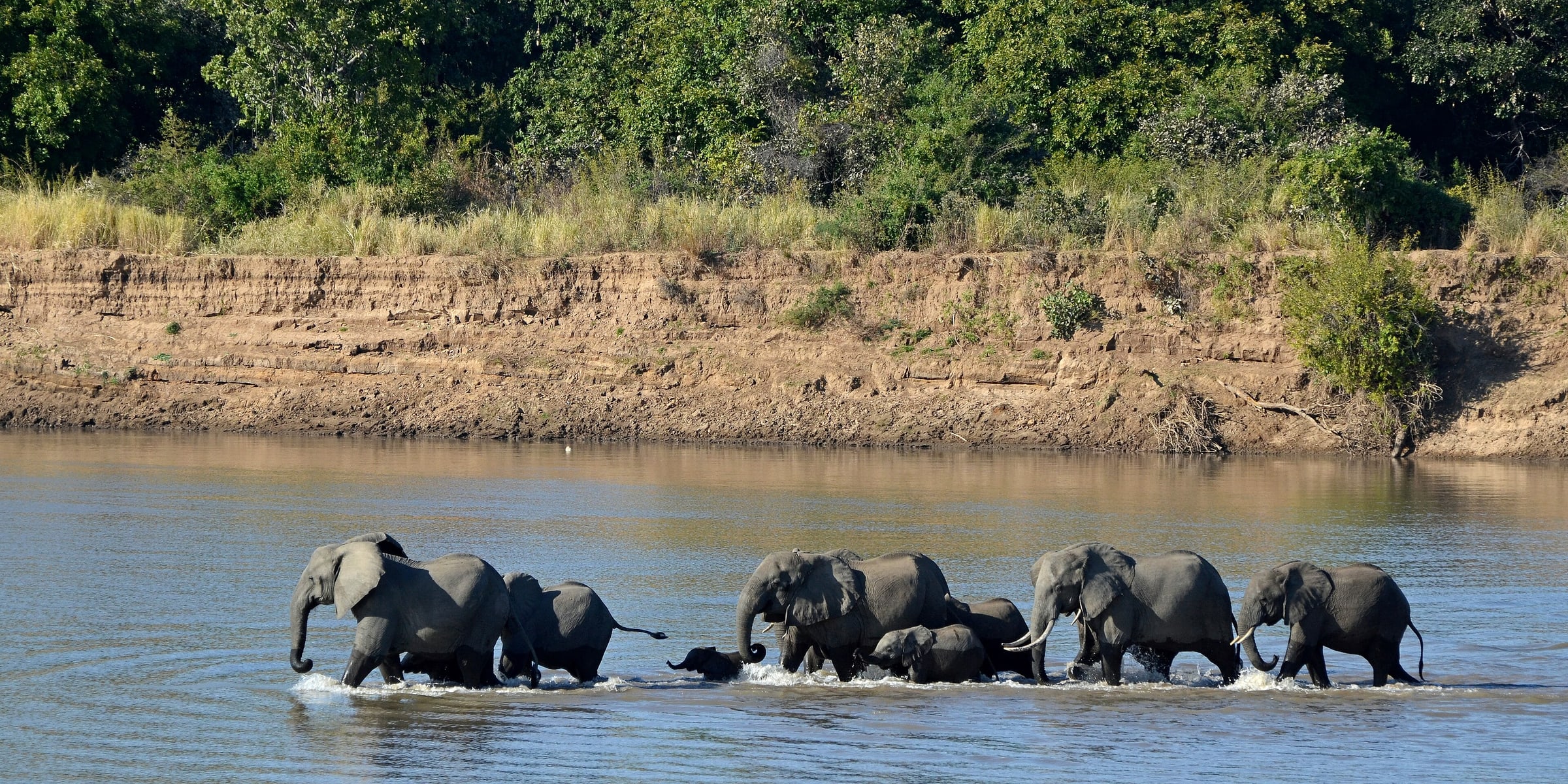
Zambia: South Luangwa, Lower Zambezi
Walking safaris in South Luangwa, river camps in the Lower Zambezi, and the Zambian side of Victoria Falls.
Zambia is where walking safaris became the point of the trip. South Luangwa, the Lower Zambezi, and Victoria Falls are the three reasons most people come.
Parks sit far apart, so the trip is usually a flight between them rather than a long drive.
Zambia destination guide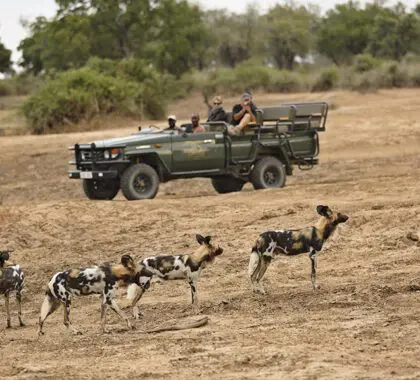
South Luangwa
A wildlife-rich valley park where walking safaris were pioneered, along the Luangwa River.
Lower Zambezi
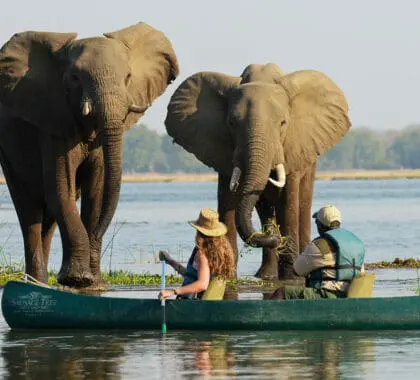
The Zambian bank of the Zambezi opposite Mana Pools, with canoeing, boating, and game drives.
Uganda: Bwindi
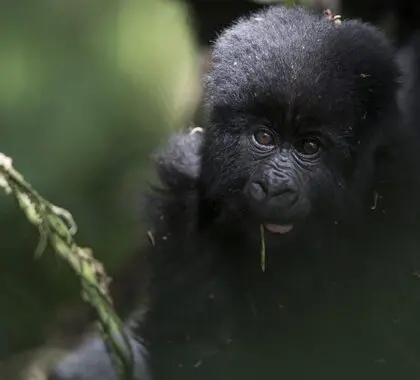
Gorilla trekking in Bwindi, plus savannah parks and the source of the Nile region.
Uganda is gorillas, chimpanzees, and a proper savannah, with the Nile at Murchison Falls. It is greener and more spread out than Rwanda.
A first trip is usually Bwindi for gorillas and one other park, not all three famous parks in a single week.
Uganda destination guide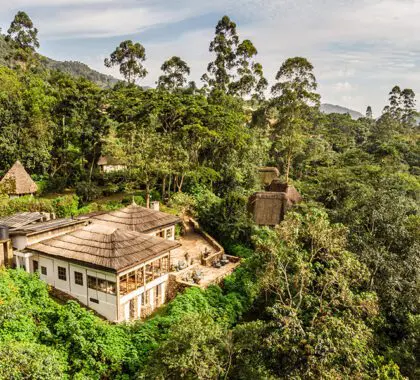
Bwindi
Impenetrable forest on the edge of the Albertine Rift, and one of the main places to trek mountain gorillas.
Namibia: Damaraland, Etosha, Namib Desert, Skeleton Coast and 3 more
Desert, coast, and Etosha's wildlife, with long distances that suit a fly-in or a careful self-drive.
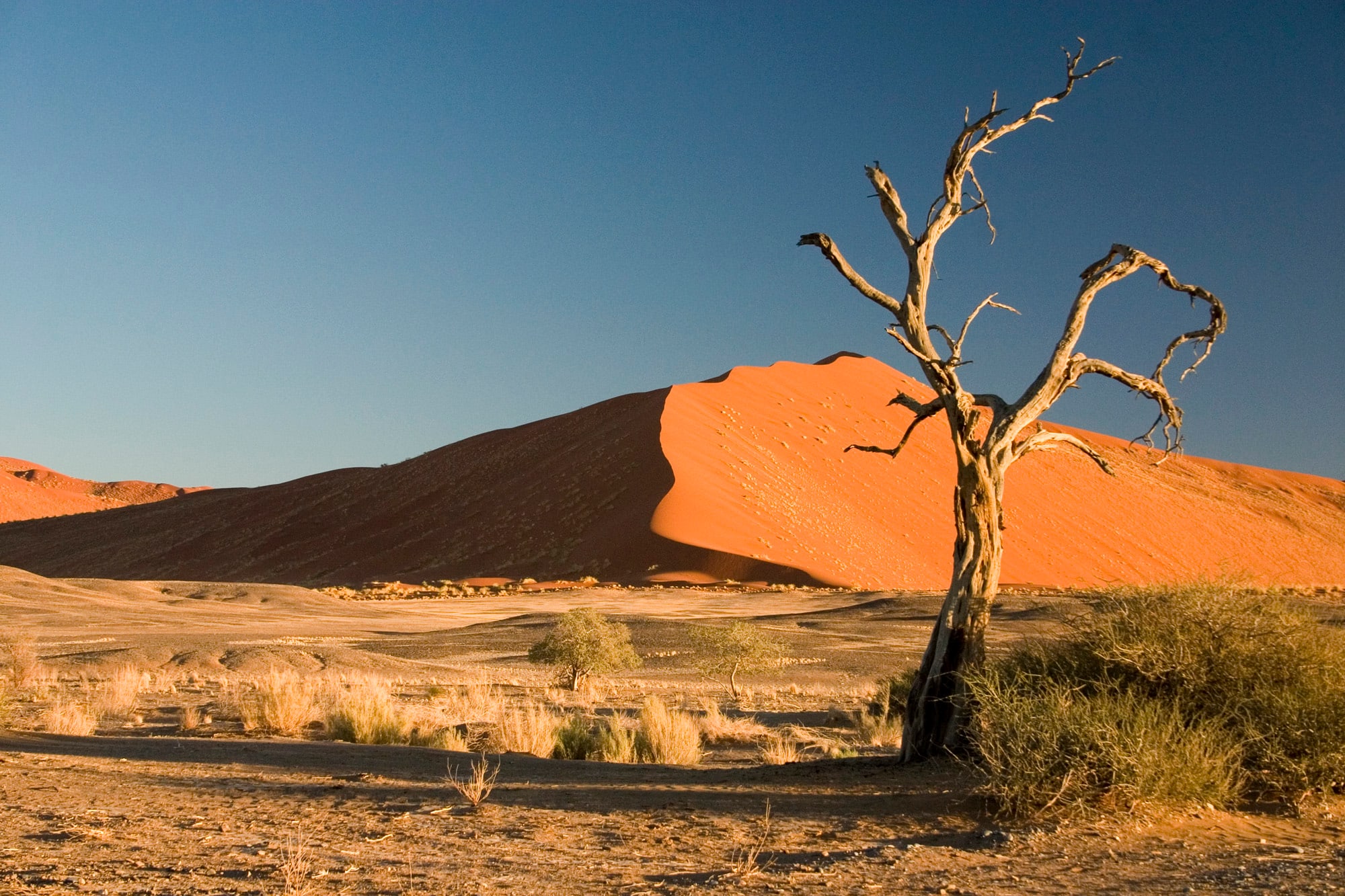
Namibia is desert, coast, and one great wildlife park. Sossusvlei's dunes, Etosha's waterholes, and Damaraland's desert elephants can sit in a single self-drive.
It is one of the easier countries to travel without a private guide, and one of the most striking if you do.
Namibia destination guide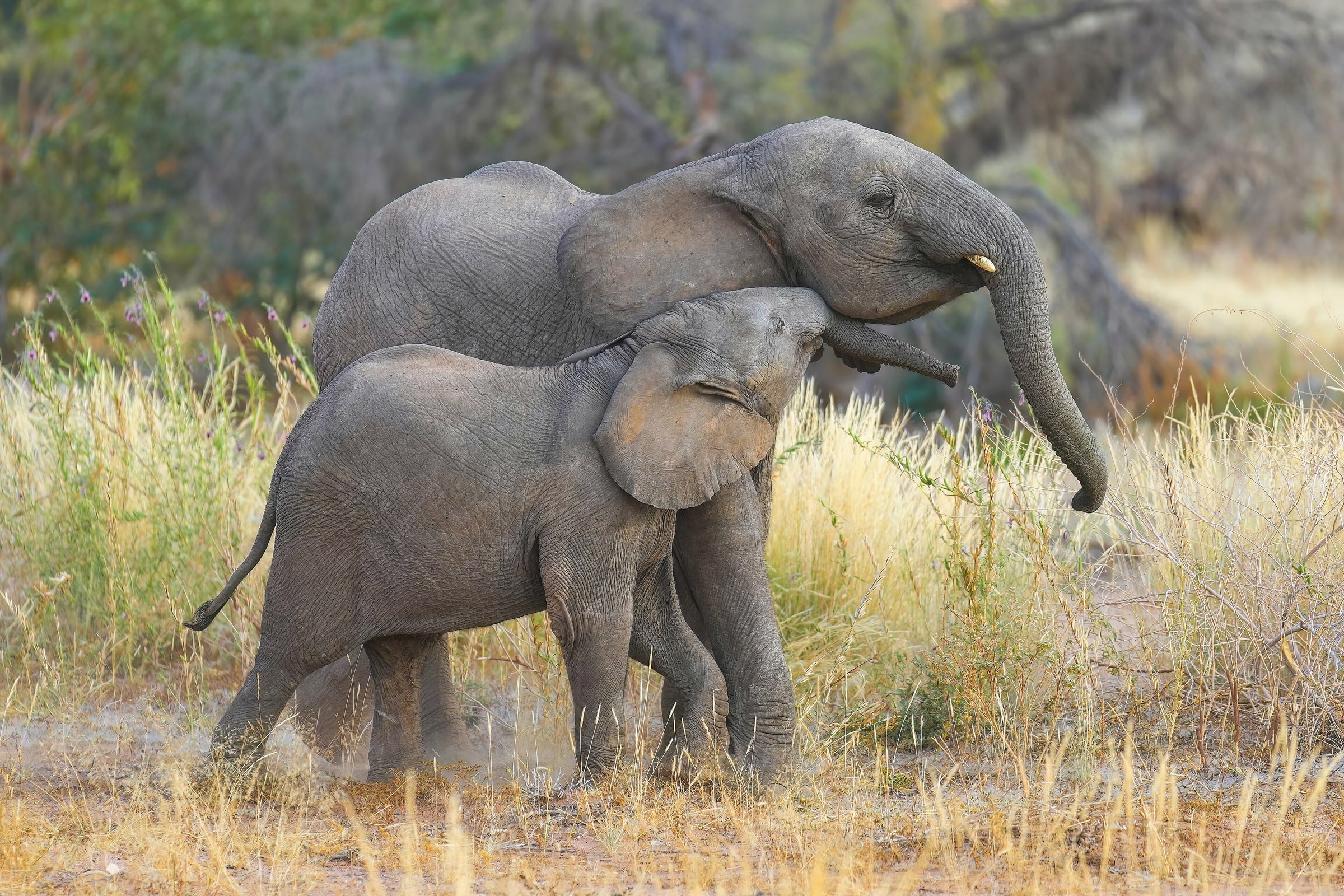
Damaraland
Rocky desert west of Etosha, tracked for desert-adapted elephants and ancient rock art.
Etosha
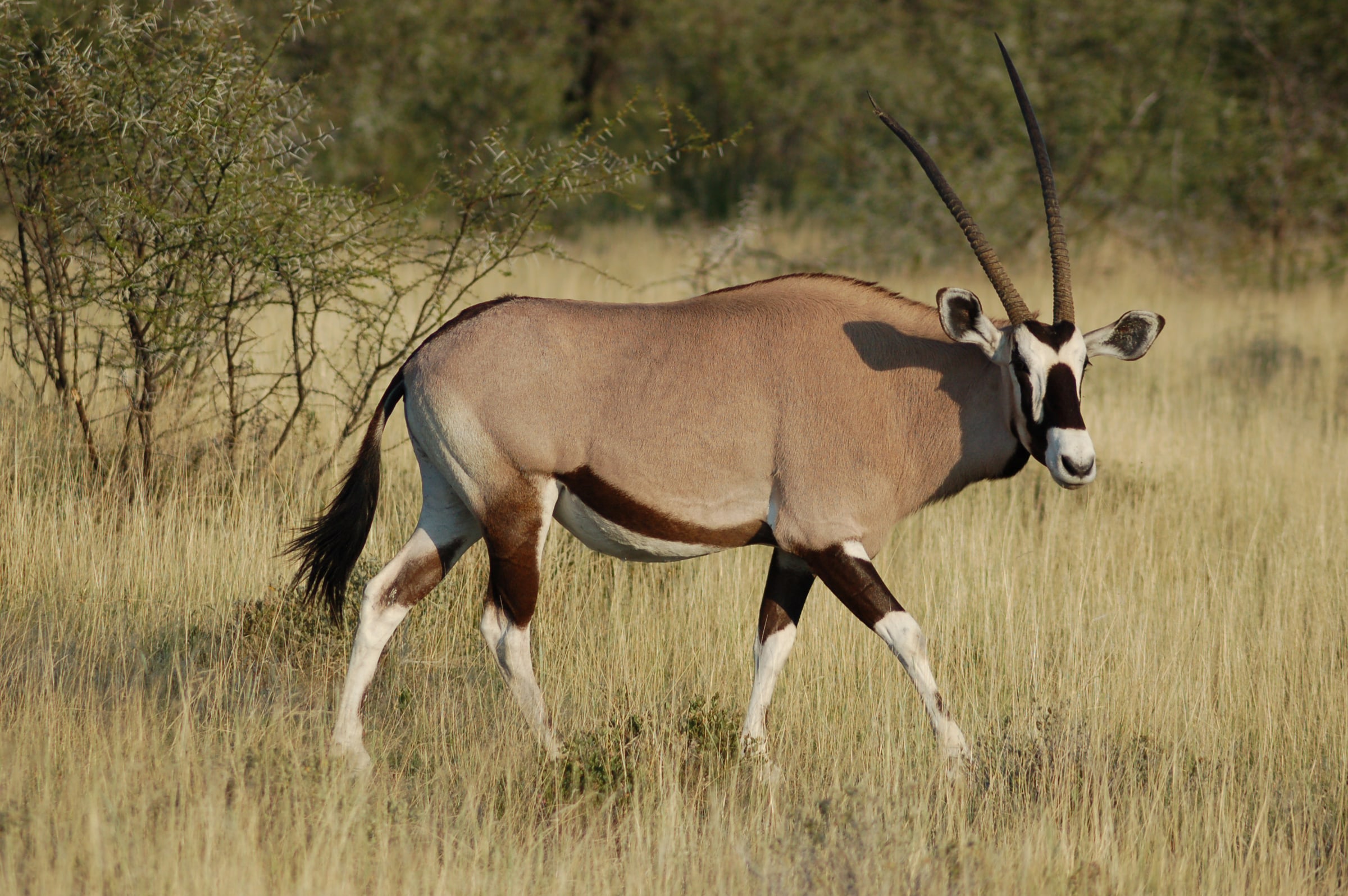
A huge salt pan park in the north, where animals gather at floodlit and daytime waterholes.
Namib Desert
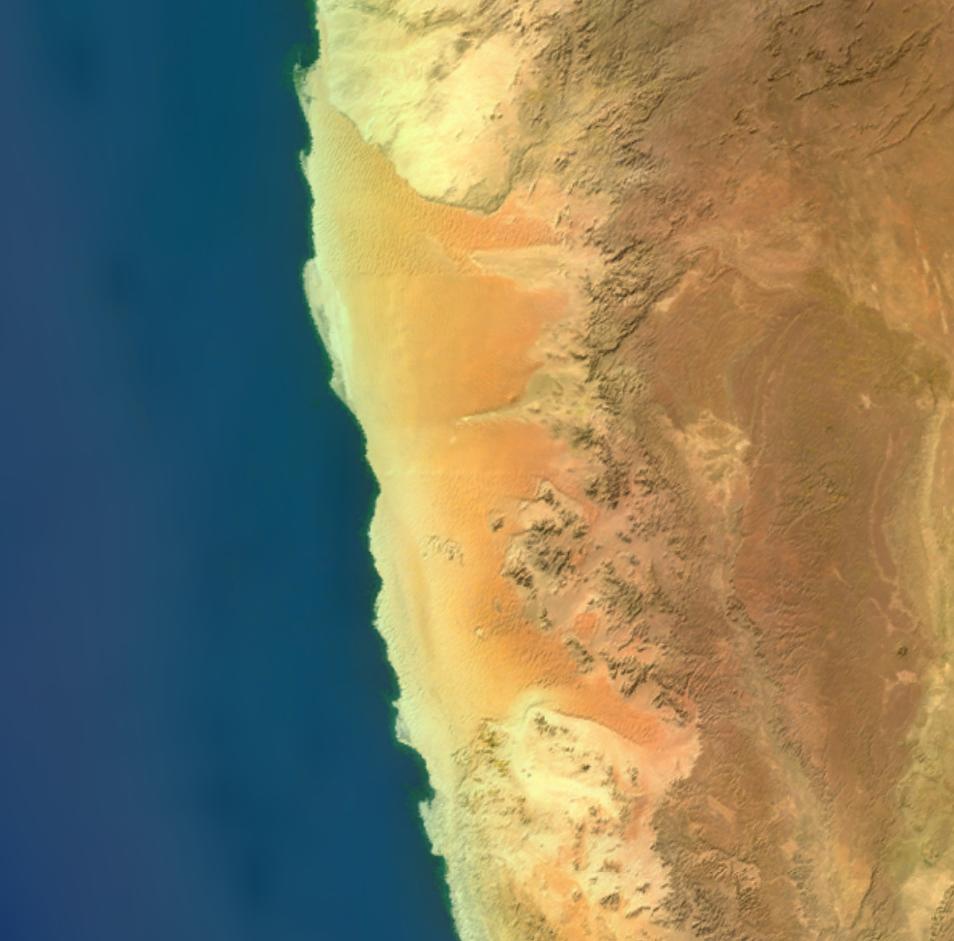
The coastal desert of apricot dunes that runs from the Kuiseb down toward Lüderitz.
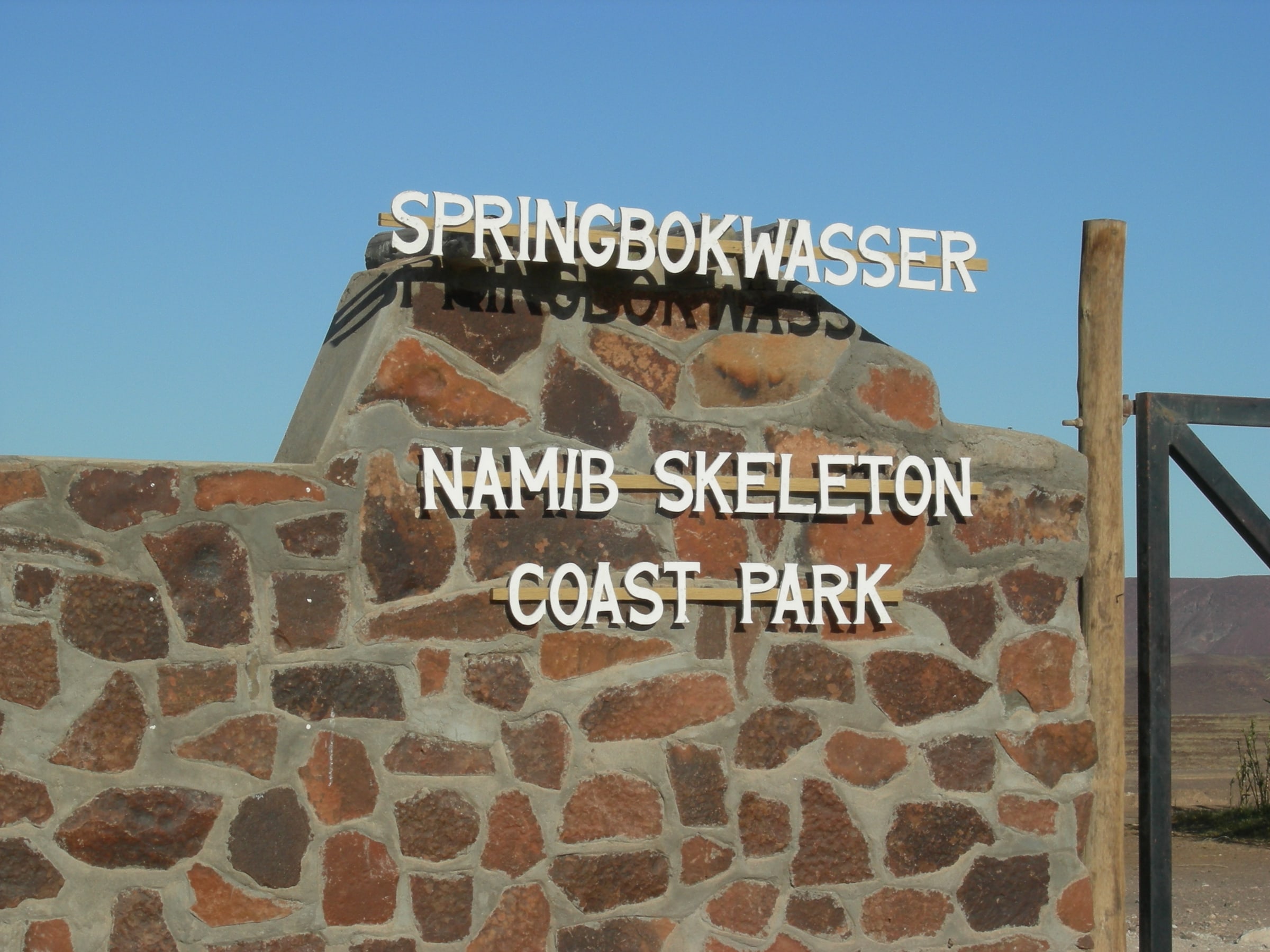
Skeleton Coast
A foggy Atlantic shoreline of dunes, seal colonies, and shipwreck history.
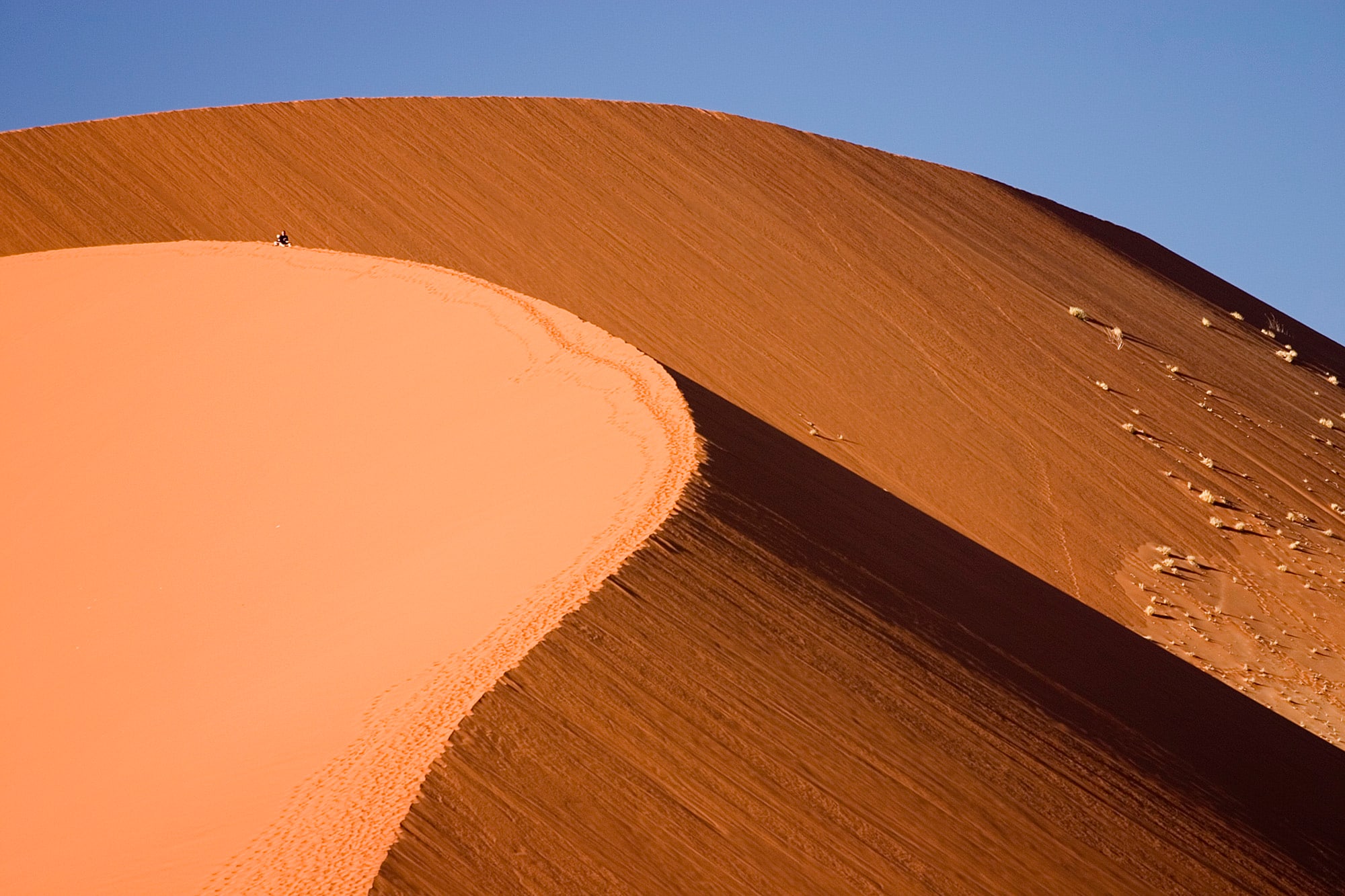
Sossusvlei
The tall red dunes and white clay pan at the heart of the Namib-Naukluft.
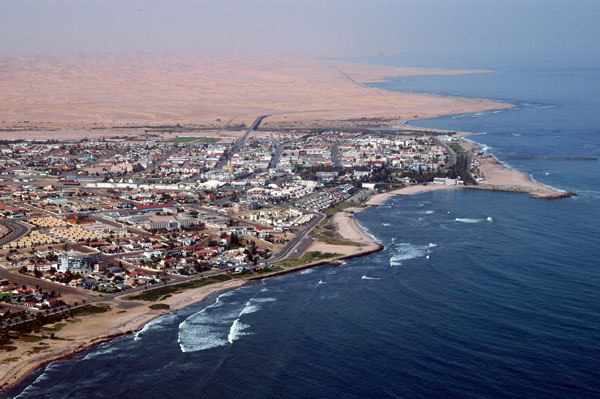
Swakopmund
A small German-influenced town on the Atlantic, between the dunes and the sea.
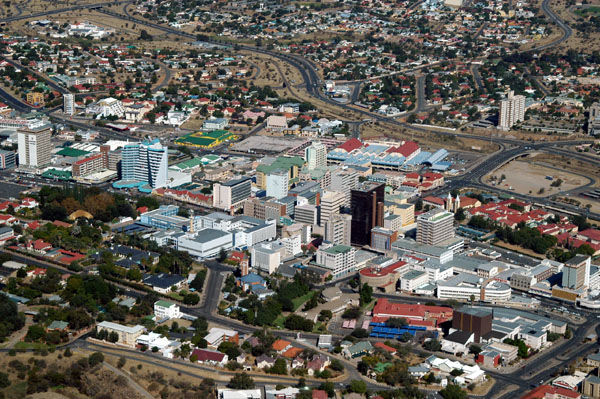
Windhoek
Namibia's capital, and the usual first night before a flight or drive into the desert.
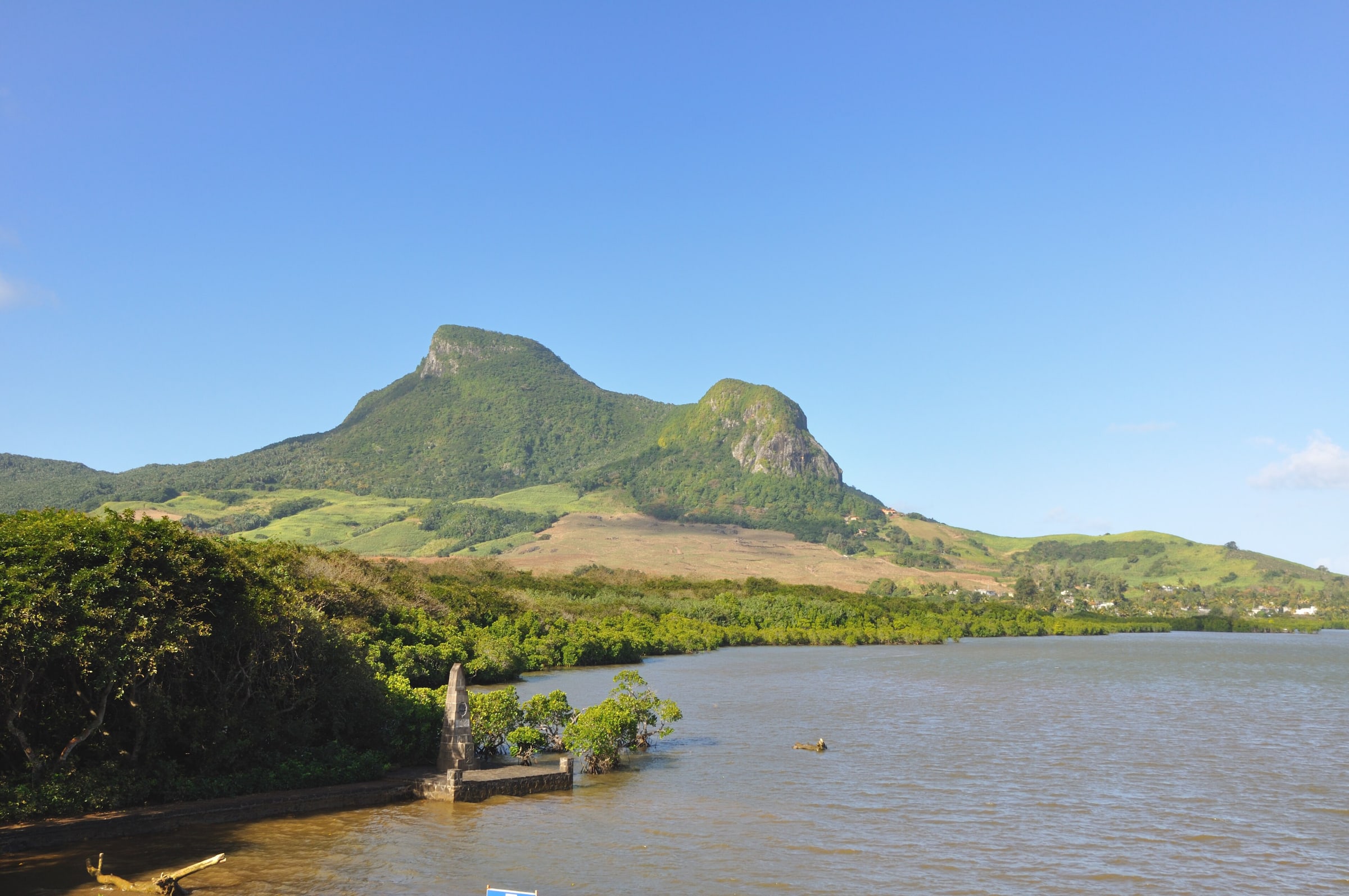
Mauritius: North coast, West coast, East coast, South and inland
A volcanic island east of Madagascar, with a reef lagoon and hotels along the coast.
Mauritius is a lagoon island off the east of Madagascar: beaches, reefs, and short drives, usually taken as a rest after a safari rather than instead of one.
The island is small enough to see Chamarel, a tea field, and a second beach in one hired car, without changing hotel.
Mauritius destination guideNorth coast
Grand Baie and Trou aux Biches. The busiest corner, useful if you want restaurants. Flat Island and the northern islets are boat trips, not places to stay.
West coast
Flic en Flac, Tamarin, and Le Morne. The usual choice for sunsets, kites at certain spots, and diving. Le Morne is the mountain you see in the photographs.
East coast
Belle Mare and the longer resort beaches. Beautiful in the calm months, breezier in mid-winter.
South and inland
Gris Gris and the wild south shore, plus Chamarel and Black River. Better as a day out than as your only base if swimming is the plan.
More places that suit a big 5 trip
Ask for any of these on the quote and we will write them into the route.
Not sure which country?
Tell us the month, who is travelling and what you most want to see. We suggest two or three places that fit and send a quote for the one you choose. Nothing is paid until you accept it.