
From KSh1,030,930 to KSh2,747,414 pps
Arusha Coffee Lodge
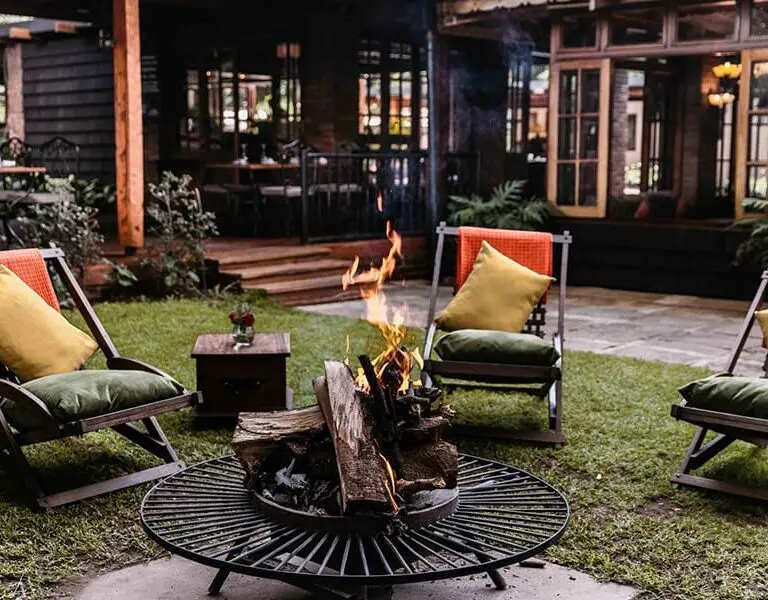 Arusha, Tanzania
Activities travellers enjoyed
Conservation projects | Cultural visits | Bush dining | Bird watching | Picnics | Jogging trails
HomeDestinationsTanzania
Tanzania holds the Serengeti, the Ngorongoro Crater, and a beach on Zanzibar. The northern circuit is the famous one. The south - Ruaha and Nyerere - is the quieter one.
Get a quote
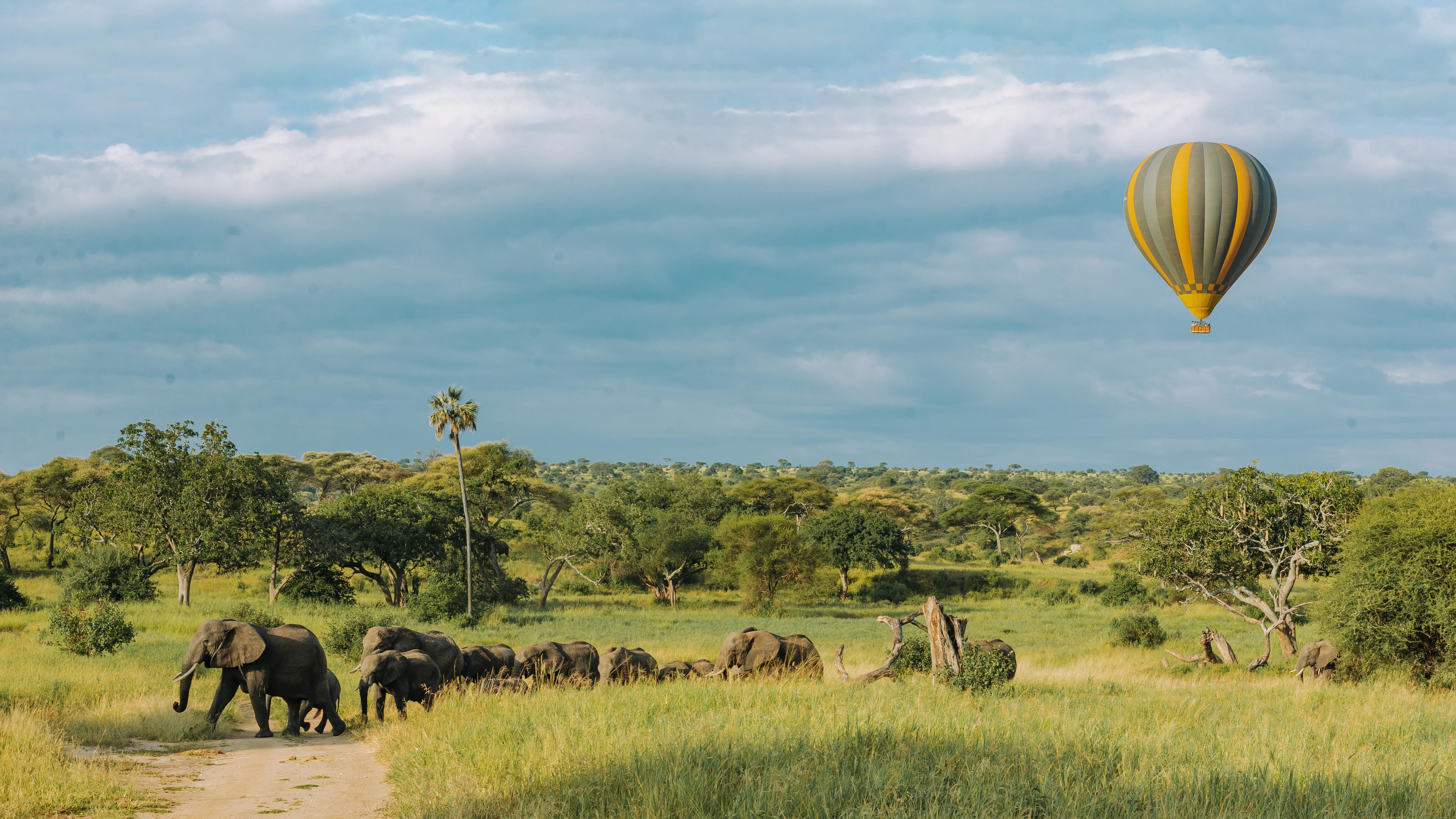
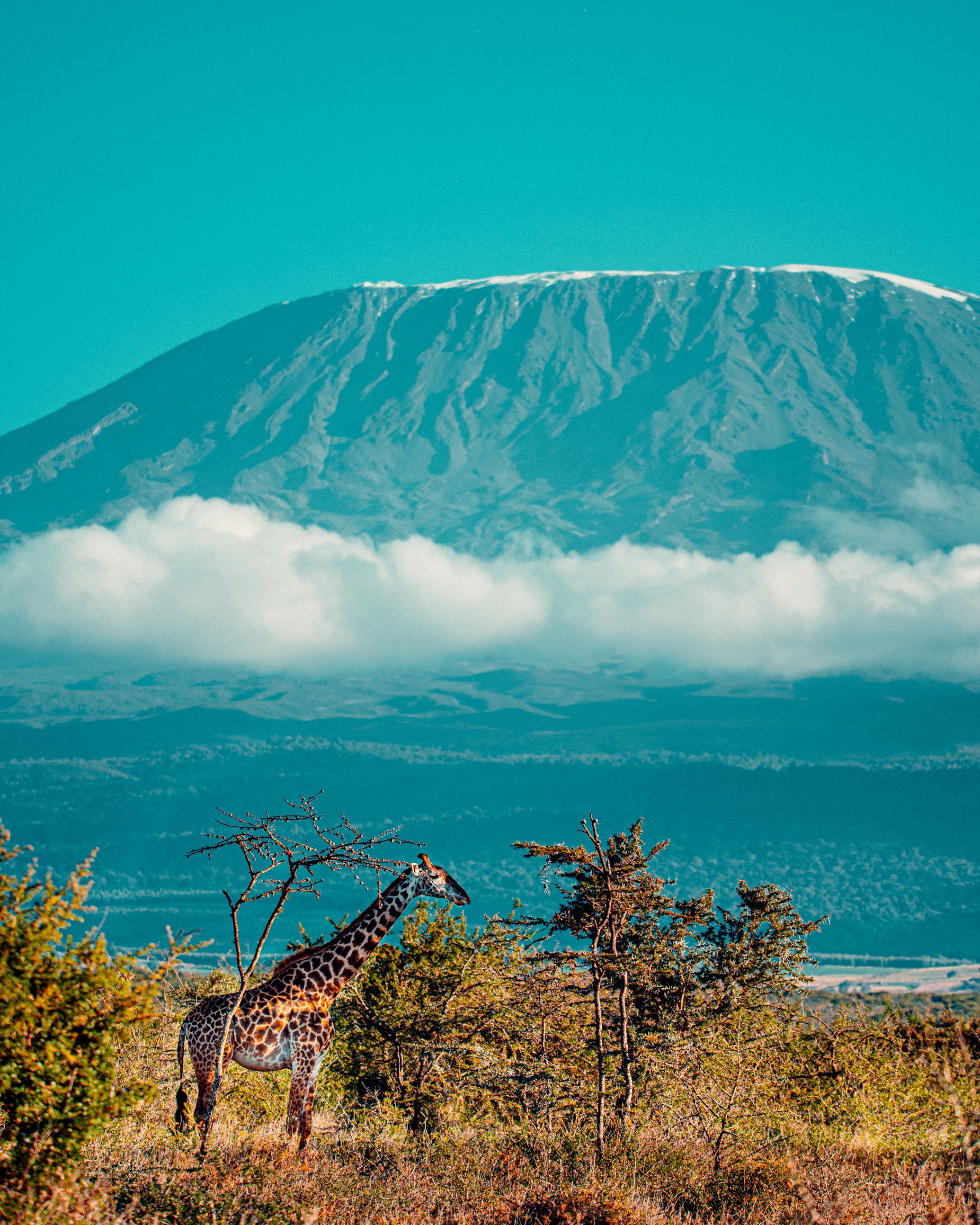
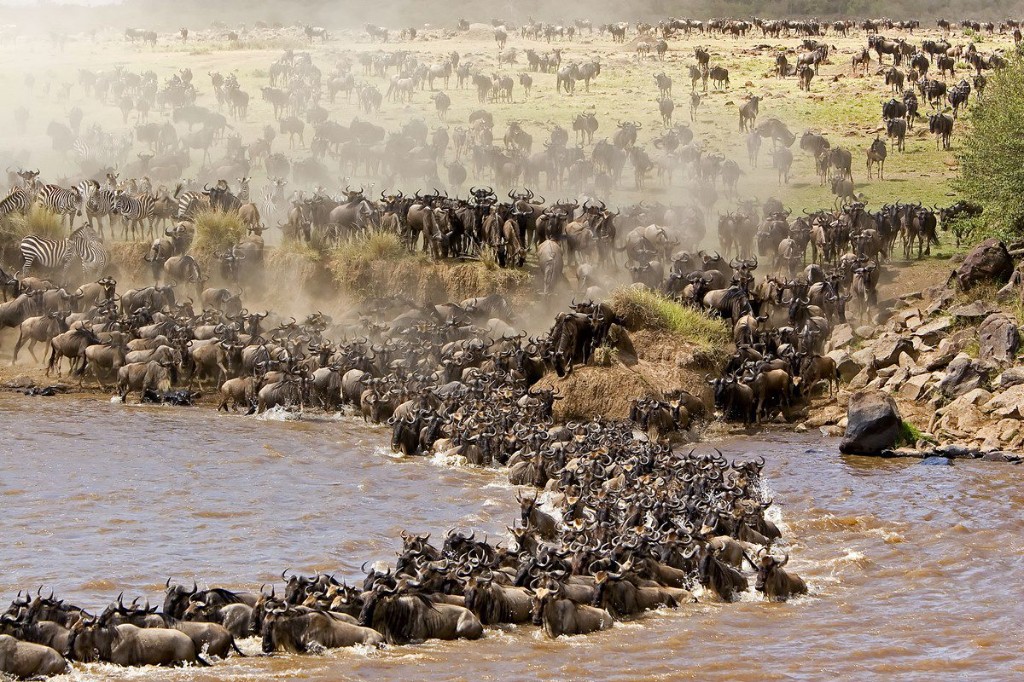
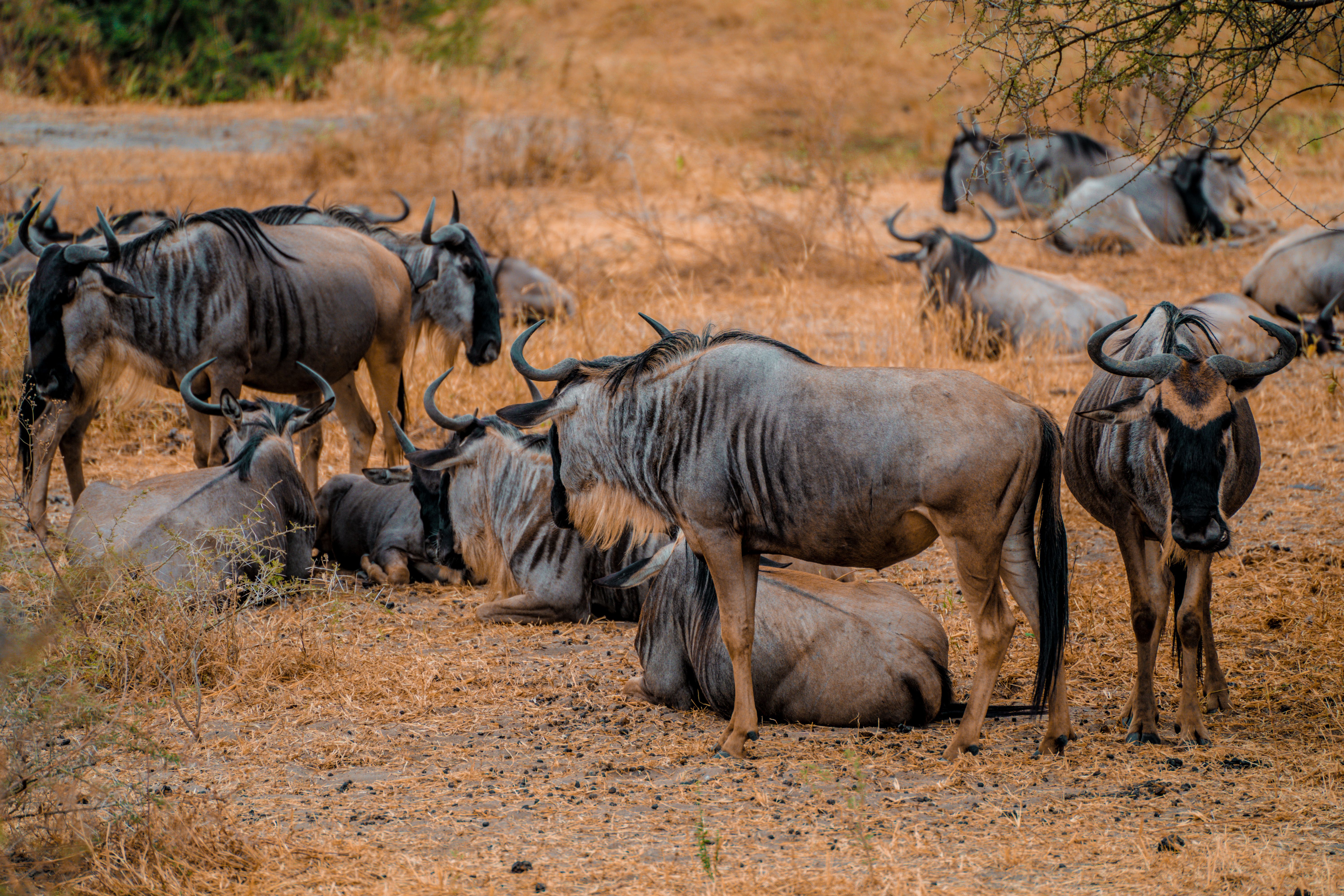
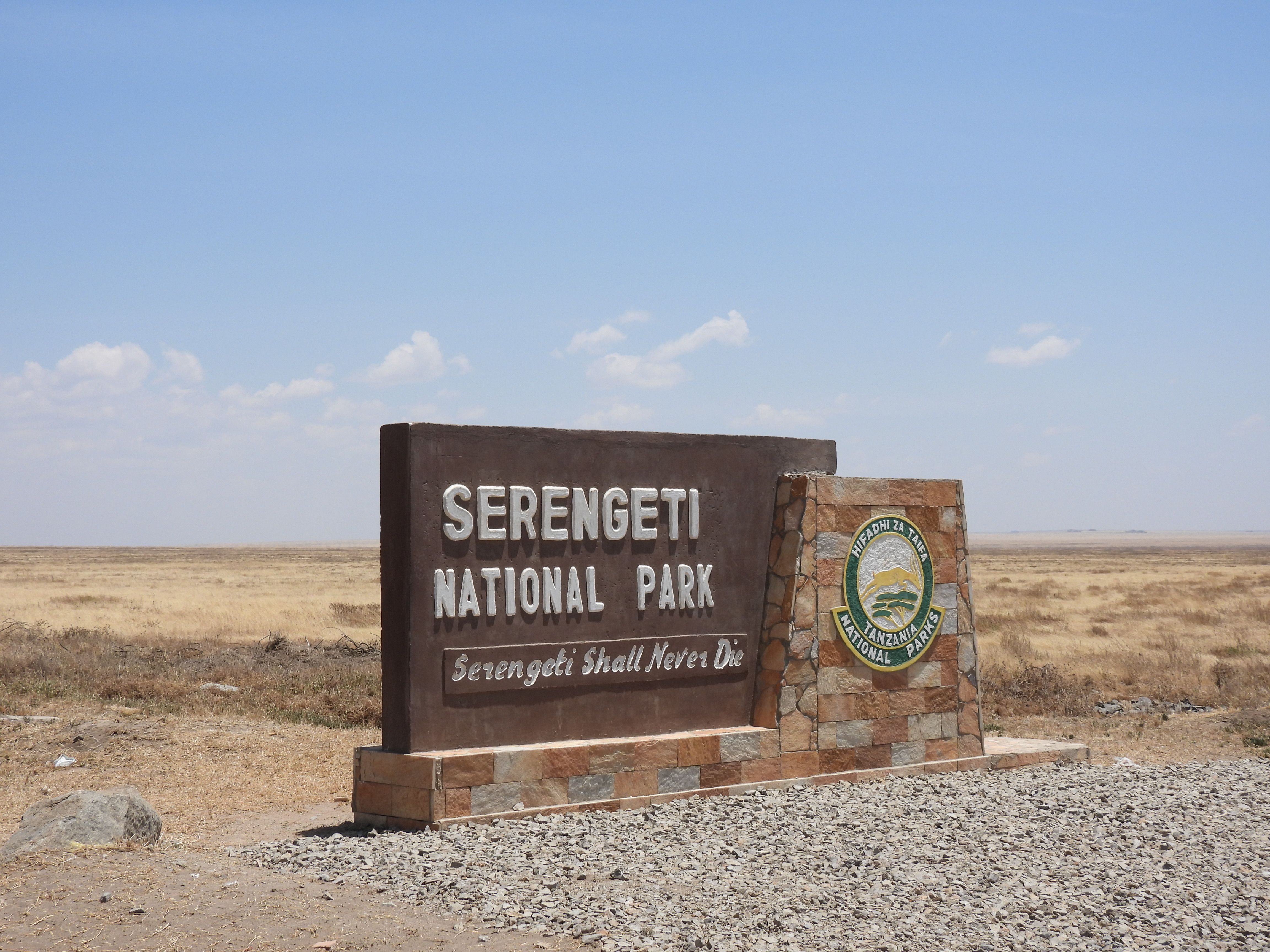
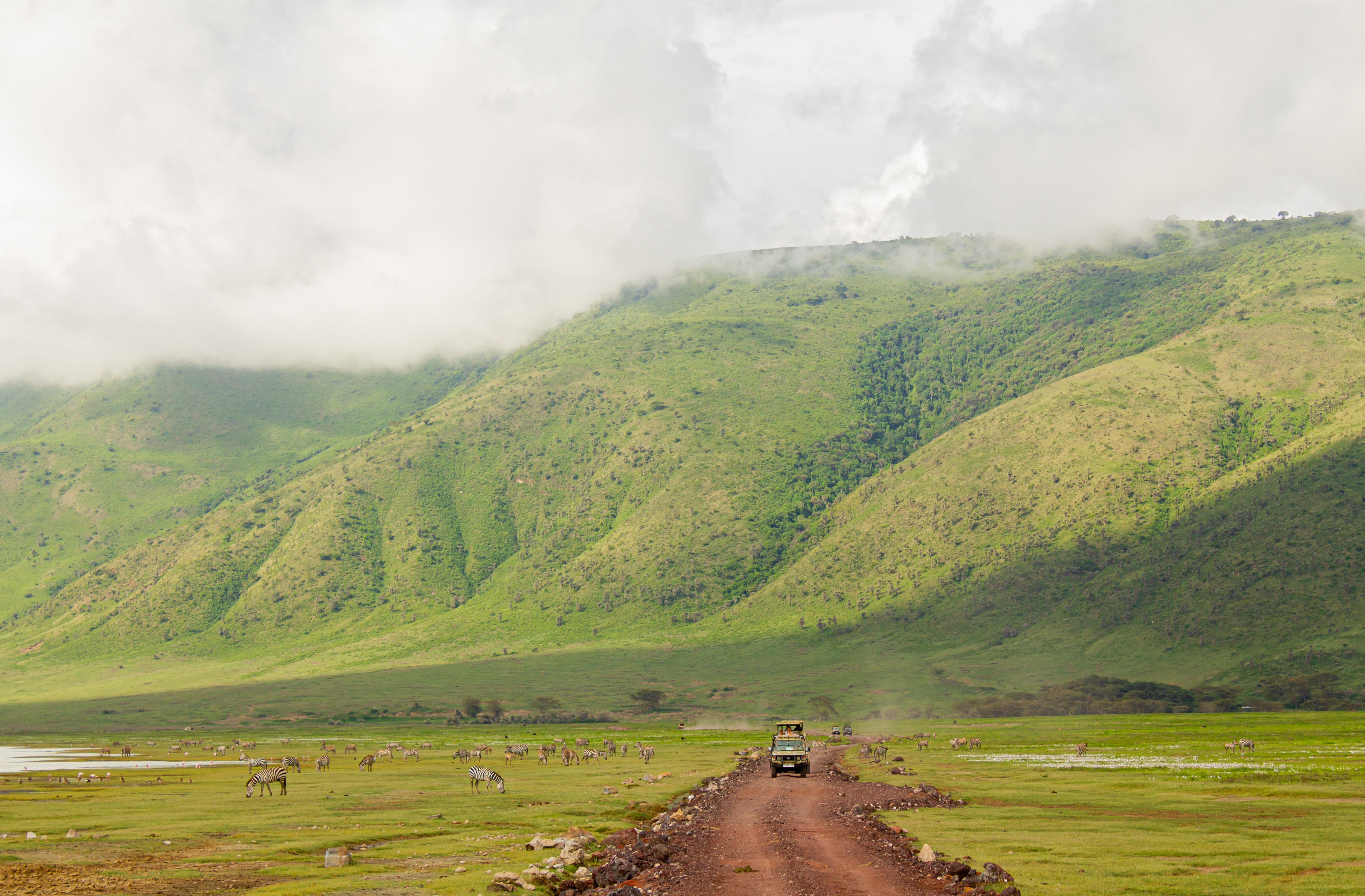
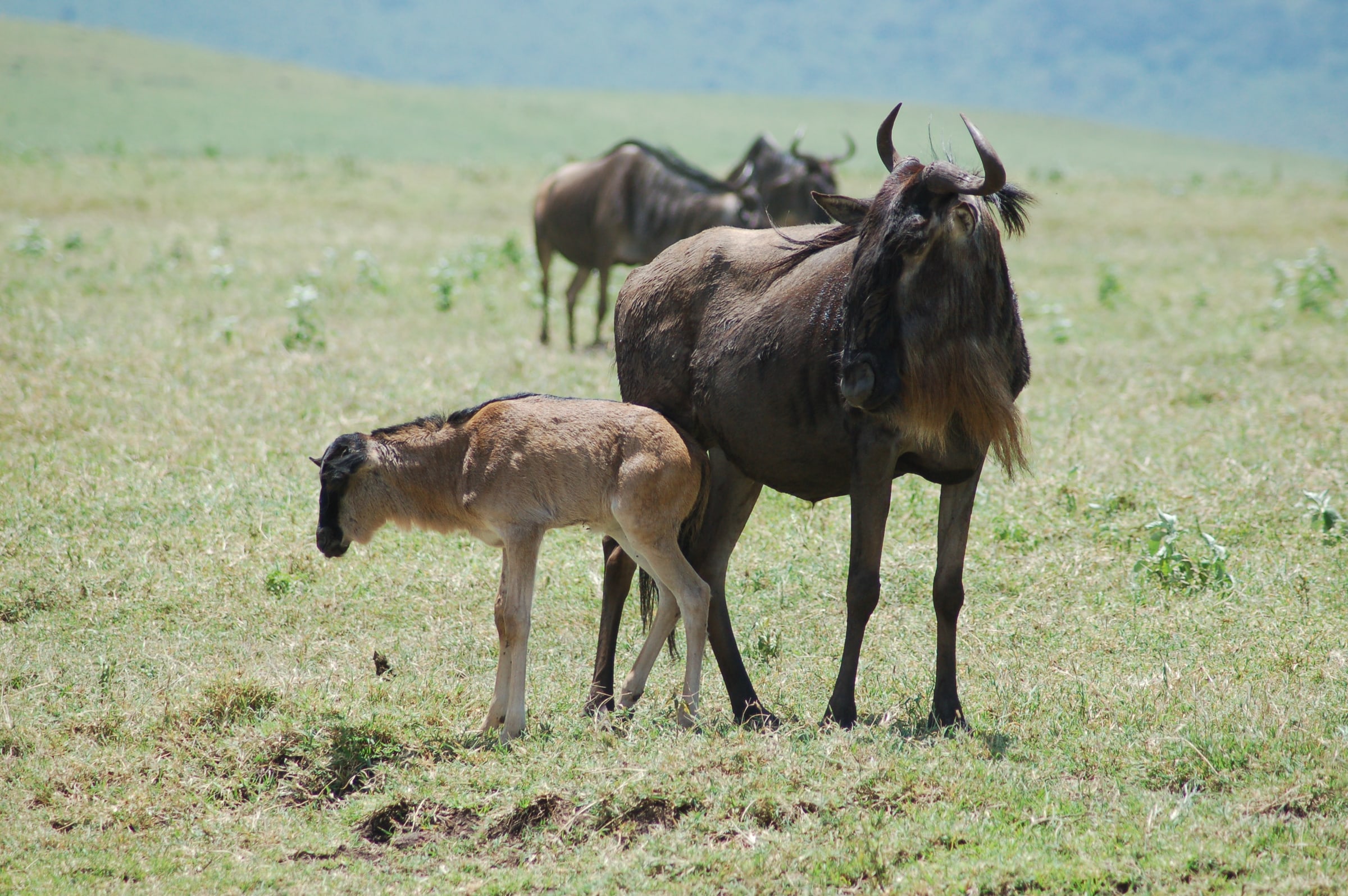
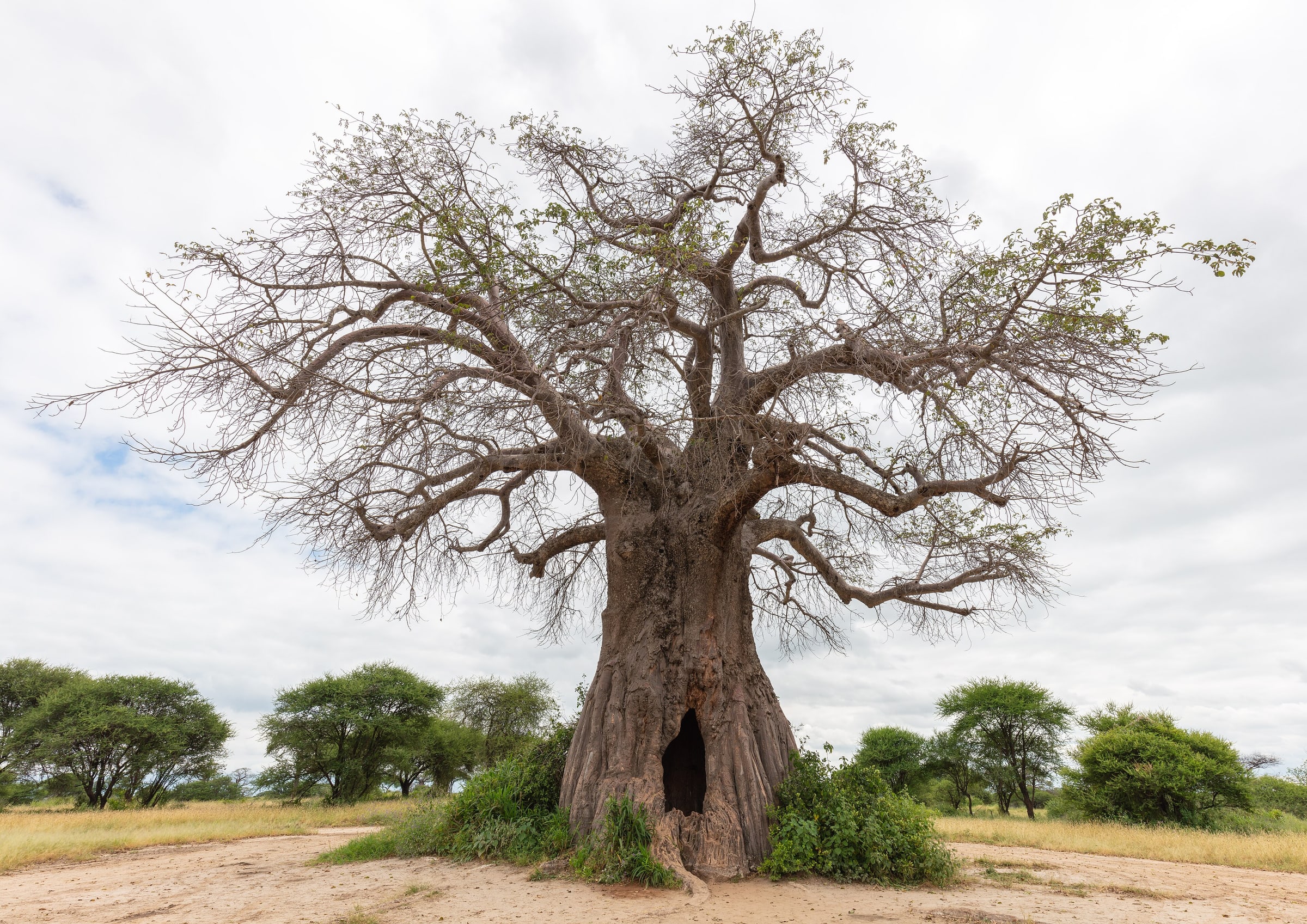
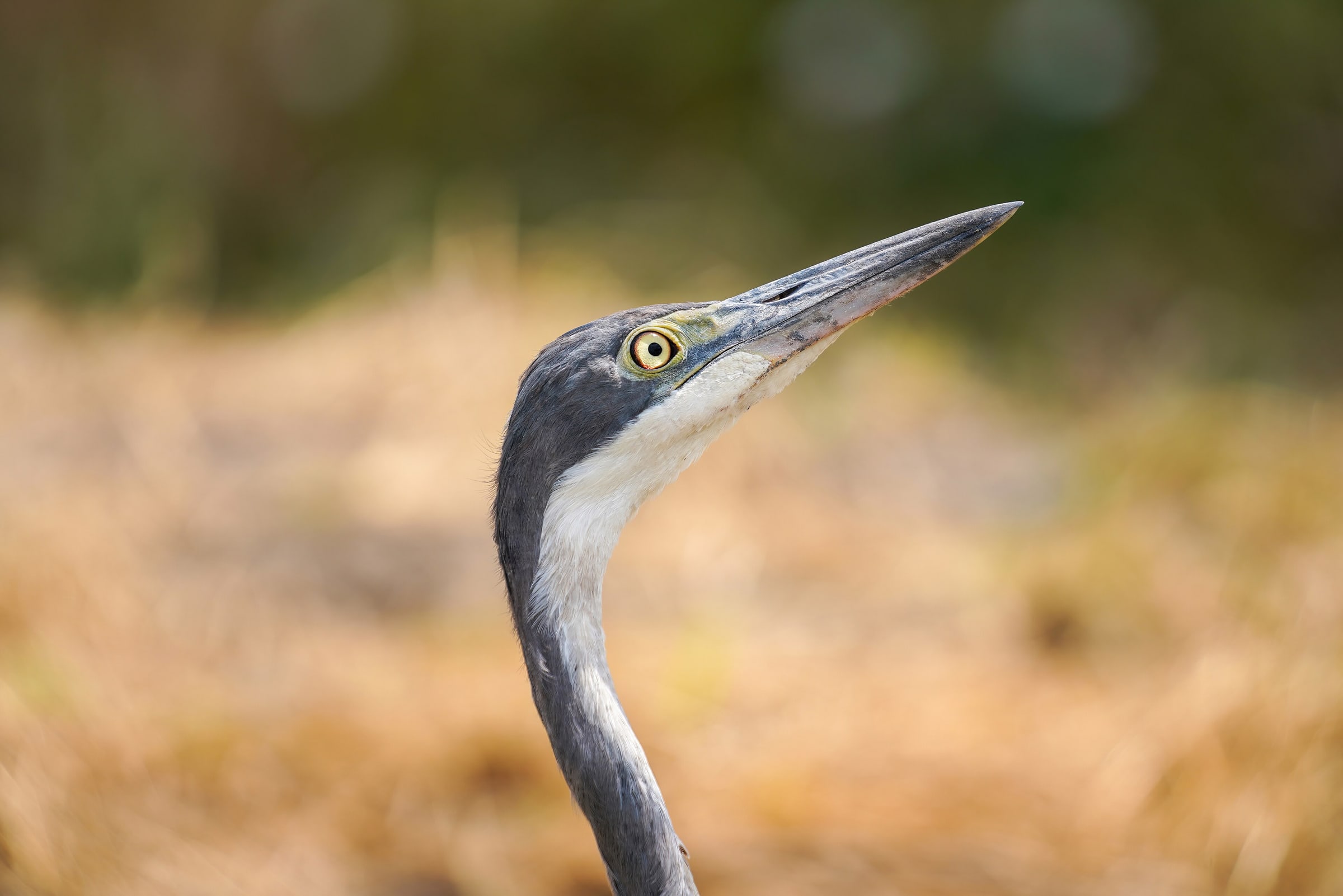
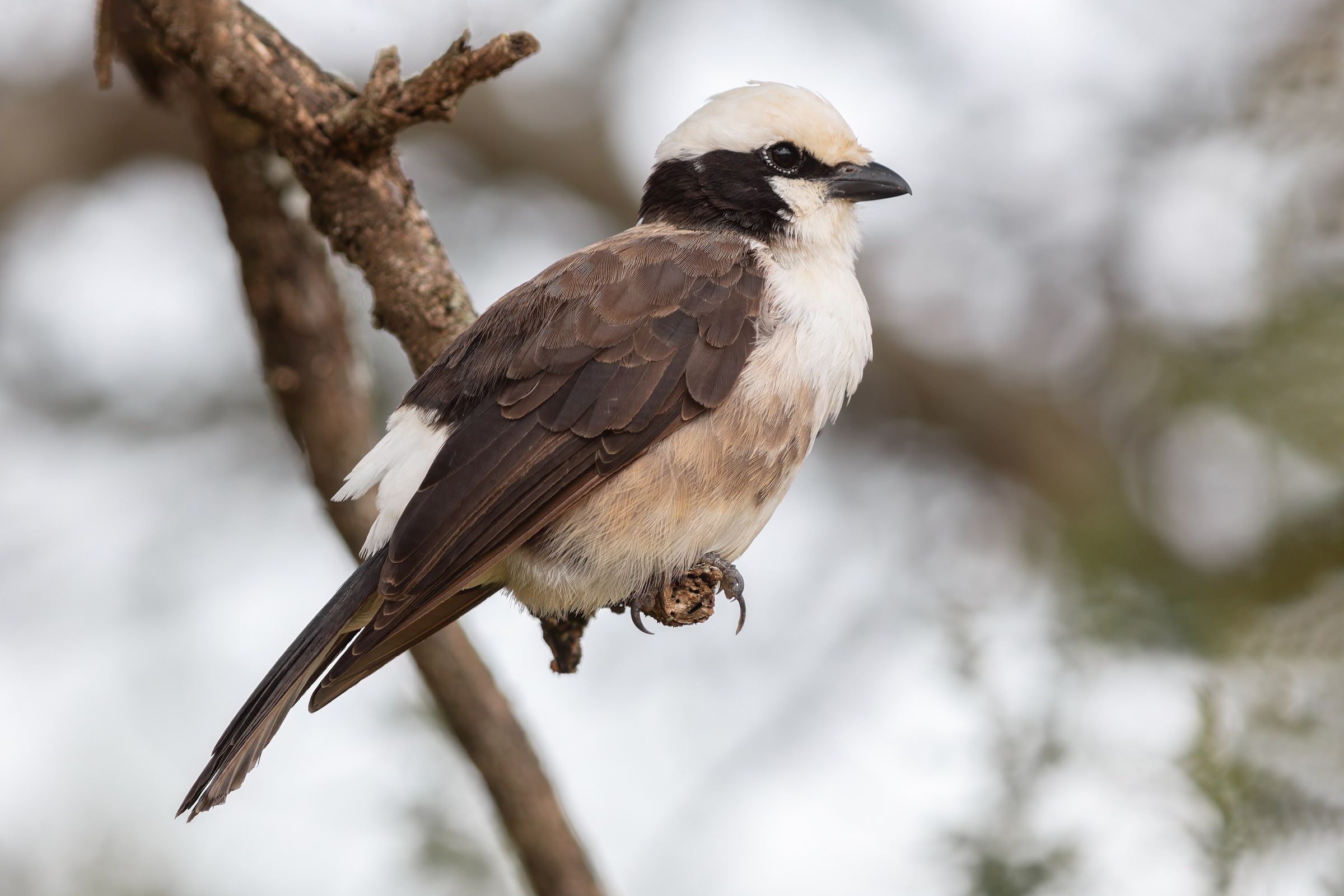
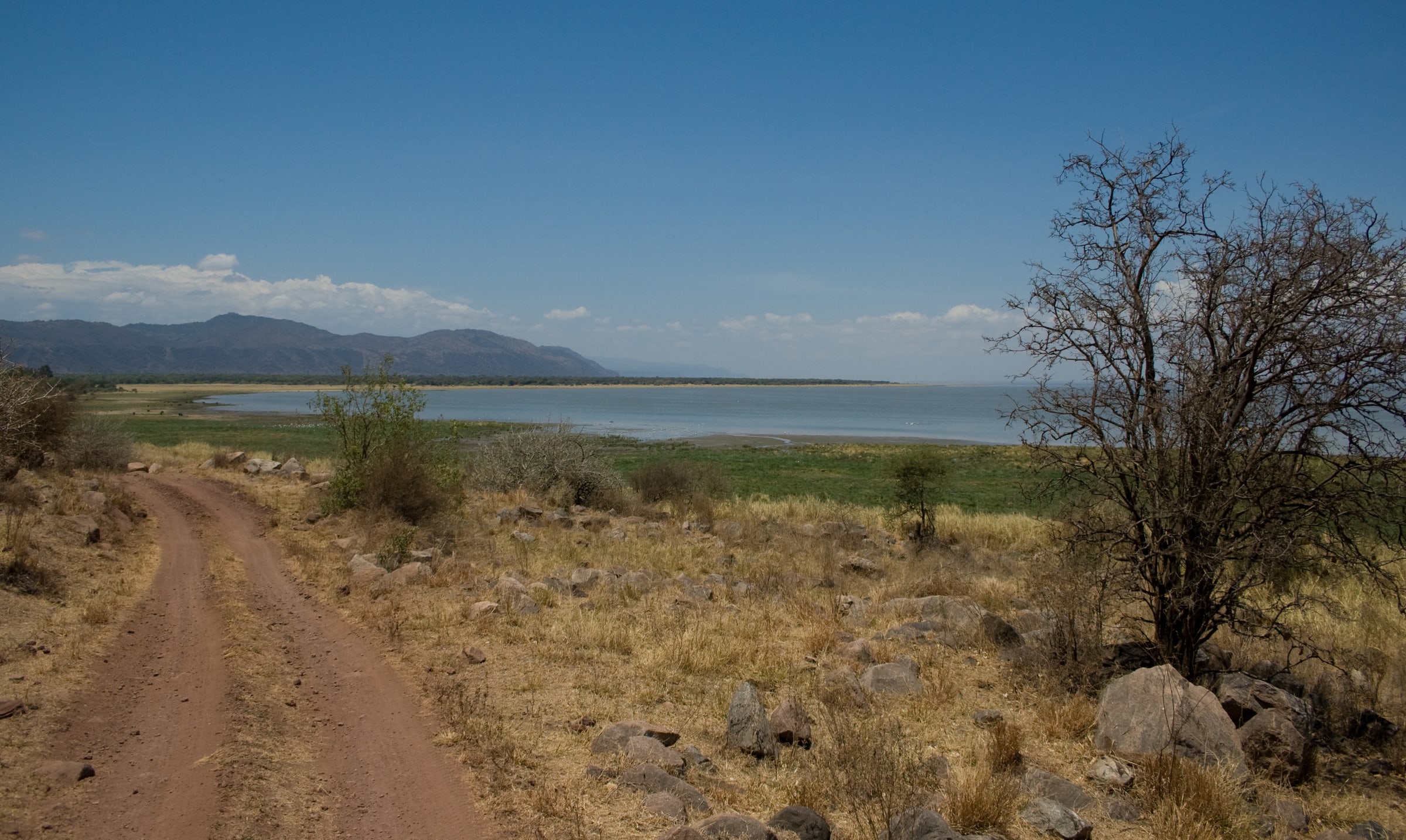
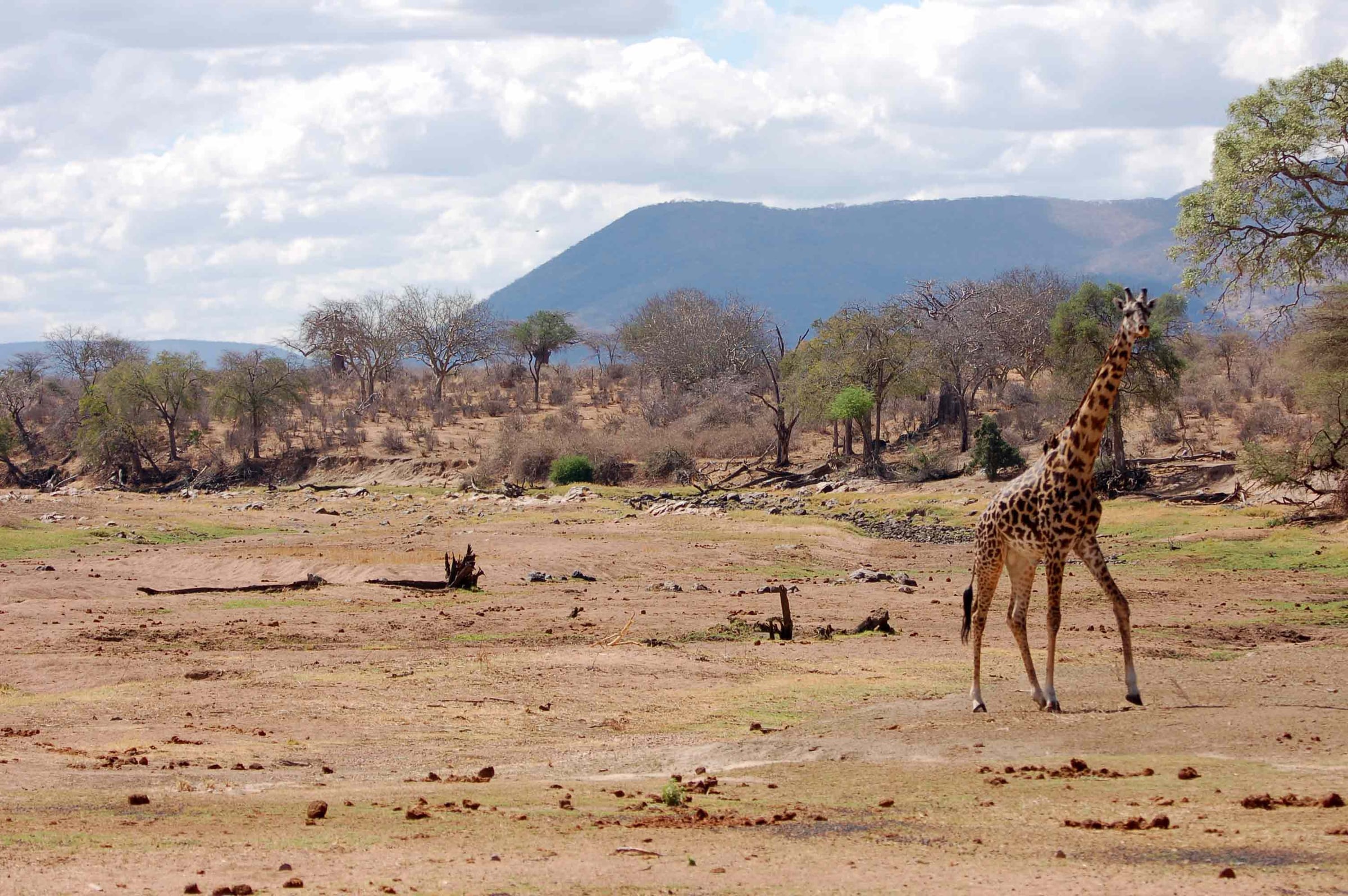
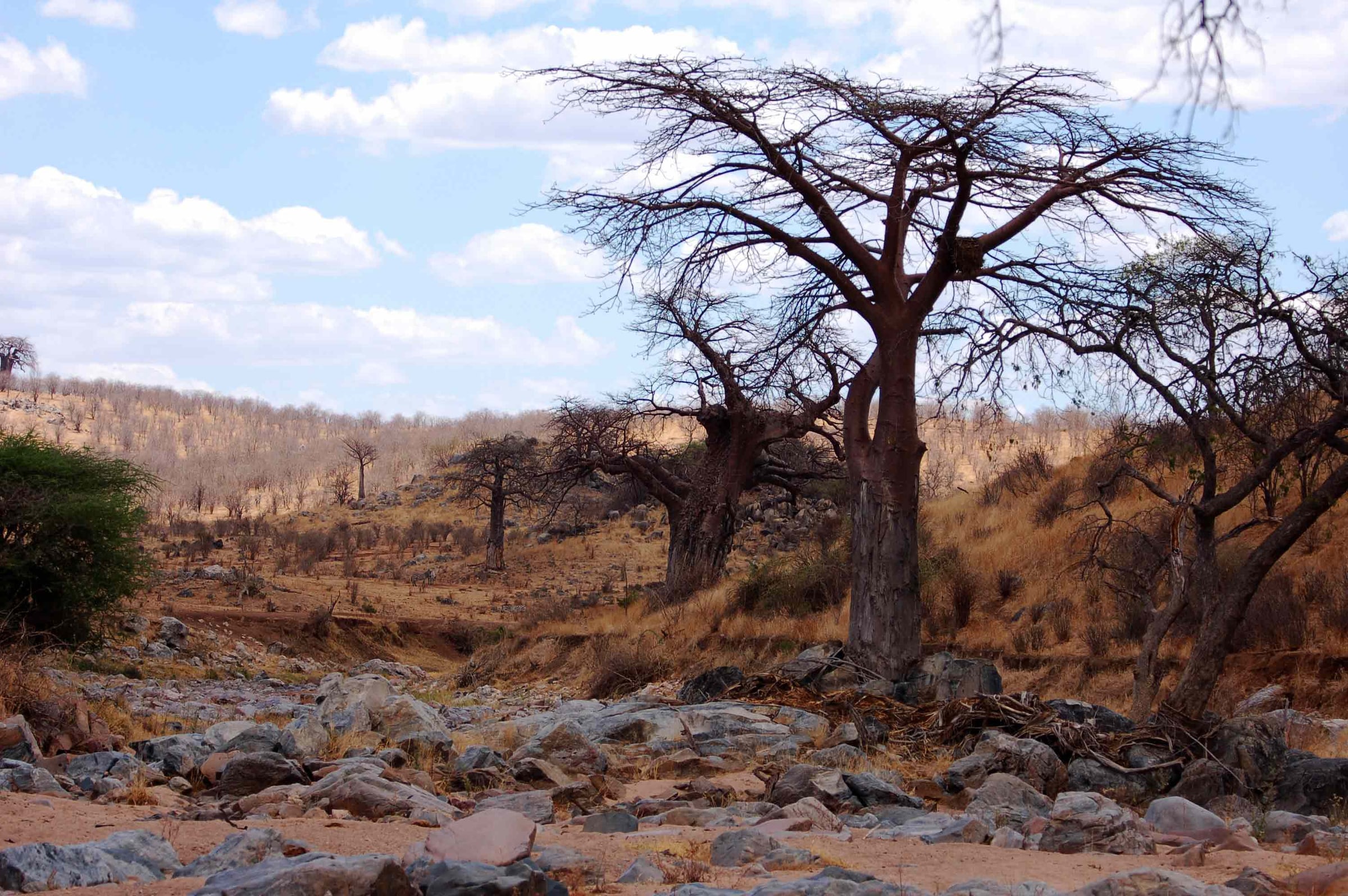
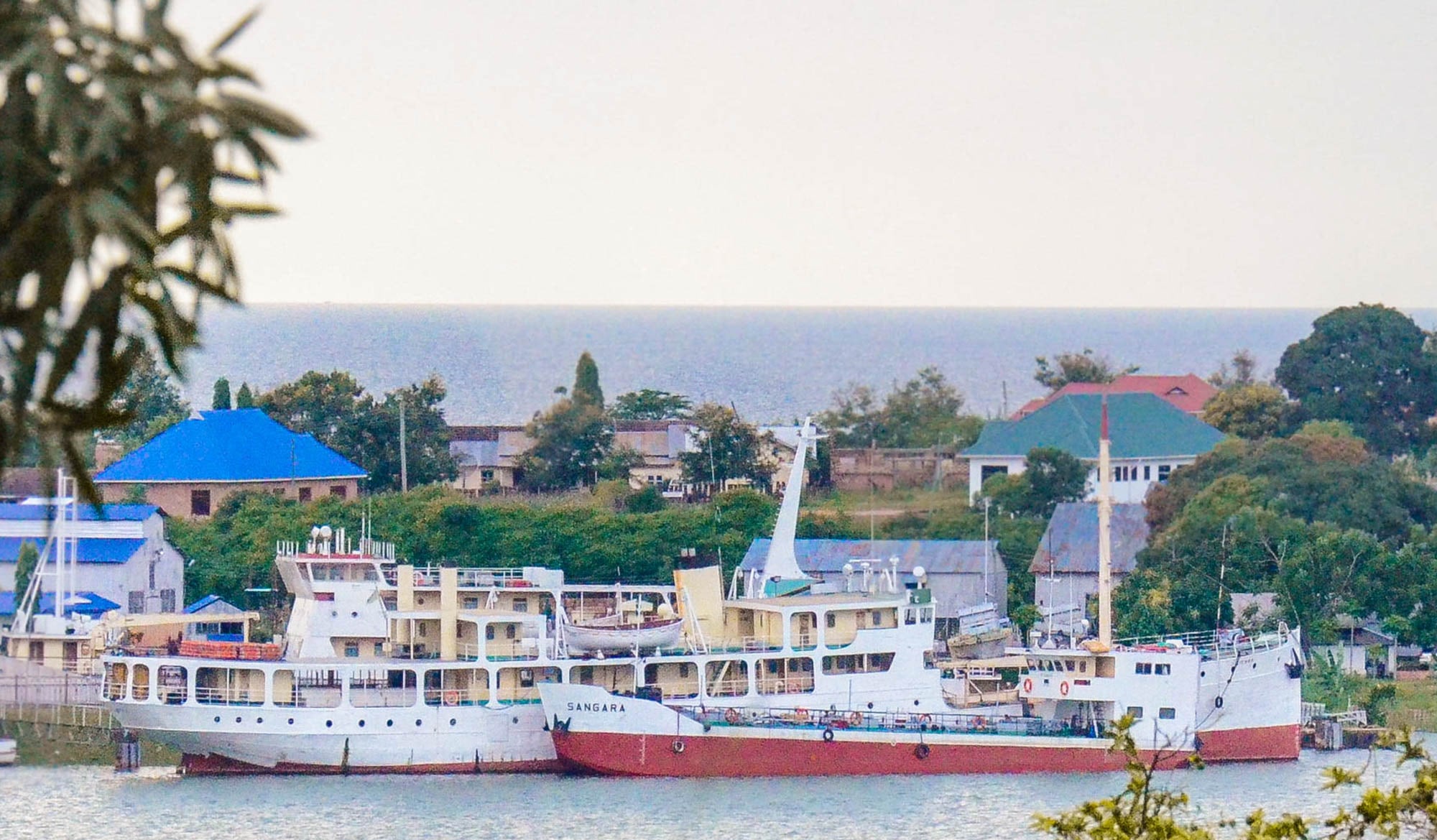
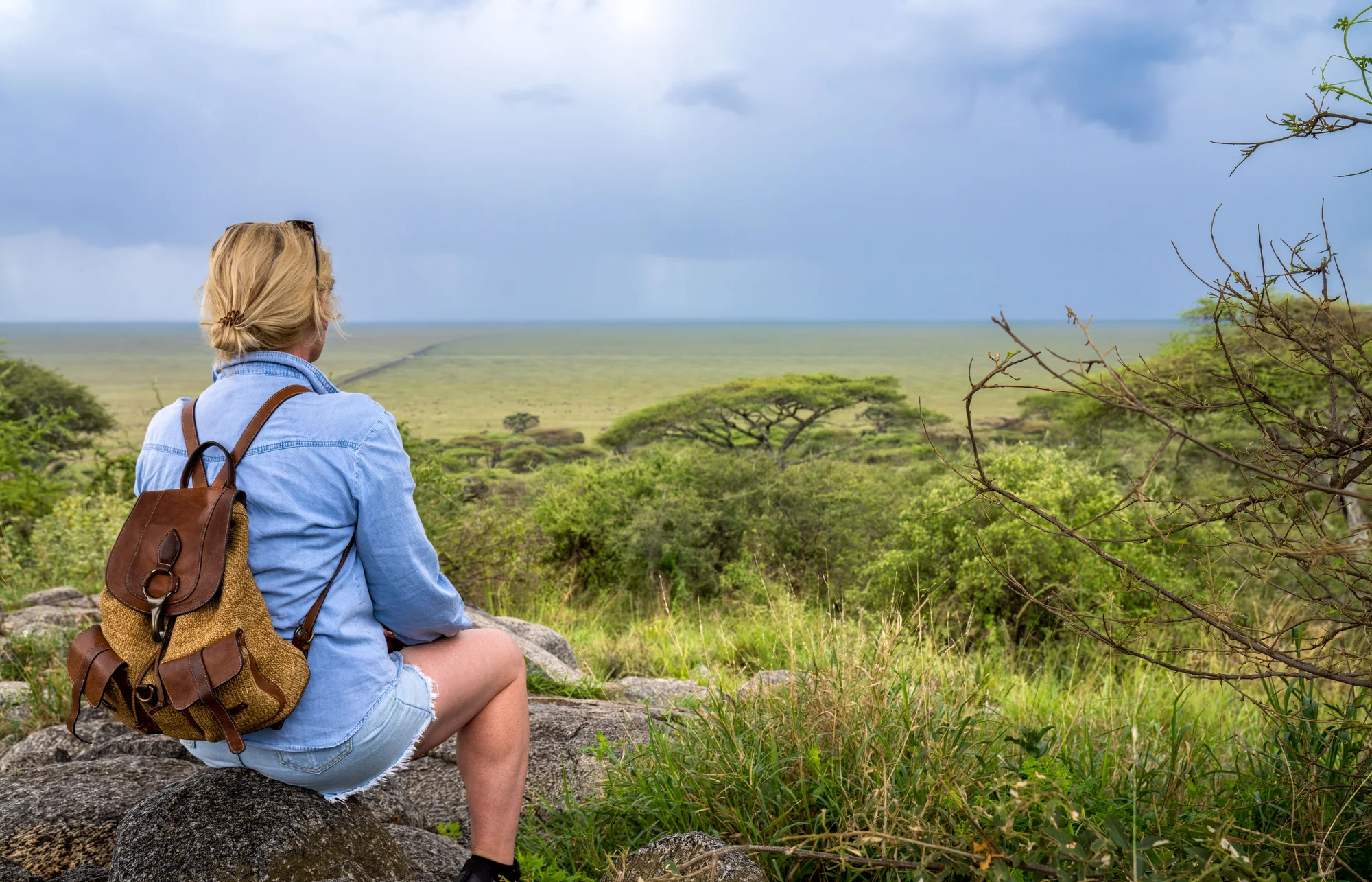
Safari happens almost everywhere you look in Tanzania. It's been a way of life in East Africa's second-largest country for decades. Few destinations in Africa can rival Tanzania’s diversity of wildlife and landscapes. From the classic savannah destinations of the Serengeti, Tarangire and Ngorongoro Crater to the beaches and coral reefs of Zanzibar, a Tanzania safari delivers one massive experience after another. And that’s before you discover the off-the-beaten-path gems like chimpanzee trekking in the untouched rainforests of Mahale and Rubondo, or crowd-free game viewing among the beautifully wild and unique landscapes of Nyerere (previously Selous) and Ruaha.
Tanzania is the second largest country in East Africa and one of the continent's stalwart safari destinations. It lies on the idyllic Indian Ocean coast and shares borders with other incredible safari destinations like Kenya, Uganda, Rwanda, Zambia, Malawi and Mozambique.
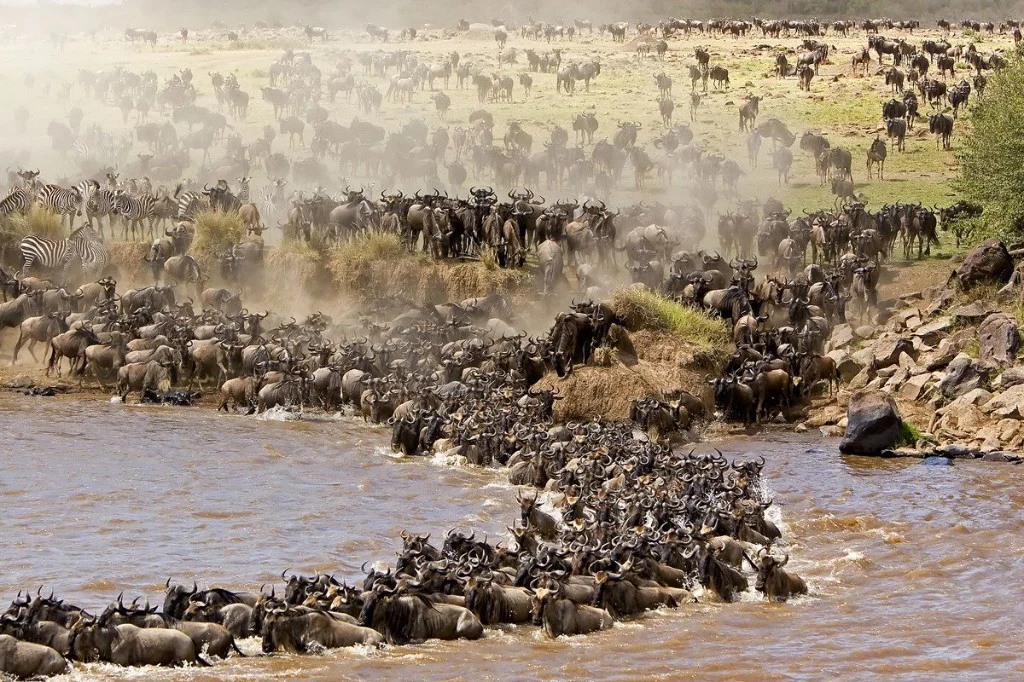
Hardly any other destination on Earth can offer a wildlife encounter to match the annual Wildebeest Migration, and it is the best time to go to Tanzania when it is in full swing. Forming the centrepiece of most inaugural Tanzania safari itineraries, the Migration is a mind-blowing display of nature at her most extraordinary. About 2 million wildebeest, zebra and antelope run the gauntlet of predators as they migrate around the Serengeti-Mara ecosystem in search of fresh grazing. This awe-inspiring event is one of the last mass terrestrial animal movements left on the planet – the herds are so big they can be observed from space!
Note: availability of well-located safari camps between June and October (river crossing season) is limited. If you want front-row seats to the dramatic river crossings, you should book your Tanzania safari at least a year in advance. Or opt to go when the herds give birth and graze their way across the plains, which is just as impressive to see but easier to guarantee – plus the tourist crowds are fewer. Chat with one of our Africa Safari Experts to plan your trip to coincide with the movements of the herds.
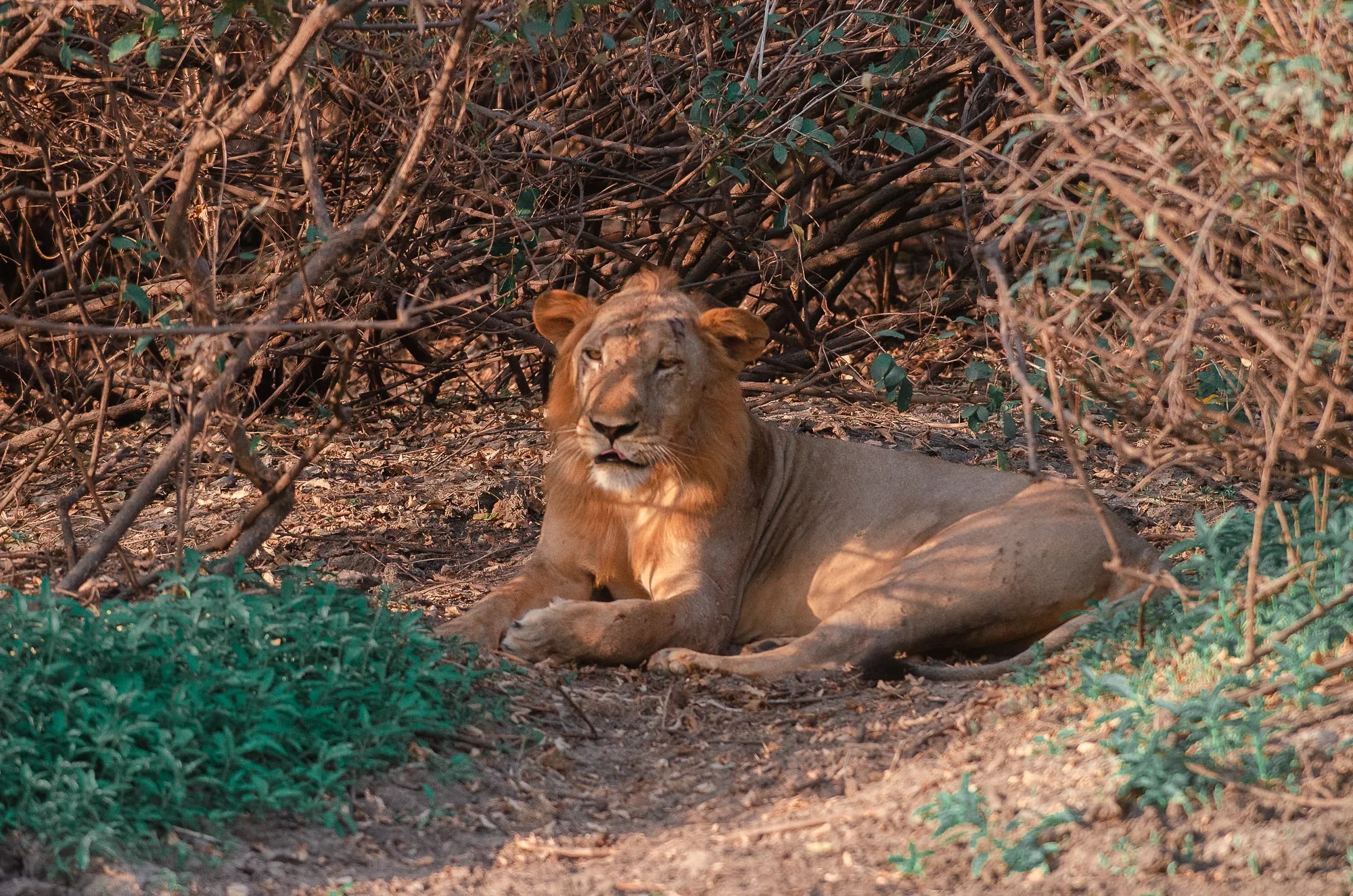
Tanzania is home to a great diversity of wildlife, fascinating cultures and natural, scenic beauty. It's a dream destination from the classic, sweeping savannah of the Serengeti to the flamingo-lined shores of Lake Manyara, world wonders Ngorongoro Crater and Mount Kilimanjaro (Africa's highest mountain).
It also offers bucket-list experiences recommended on every Tanzania safari guide, like chimpanzee trekking in the rainforests of Mahale and Gombe, and game viewing in the far-flung wildernesses of Katavi, Ruaha and Nyerere National Park (Selous).
| Destination | Why Go | ||
|---|---|---|---|
| Ngorongoro Crater |
|
||
| Tarangire National Park |
|
||
| Lake Manyara National Park |
|
||
| Ruaha National Park |
|
||
| Nyerere National Park (Selous) |
|
||
| Mahale Mountains National Park |
|
||
| Serengeti National Park |
|
It's worth noting that Tanzania combines beautifully with other safari destinations in East Africa like Kenya (home to the Masai Mara), and Uganda and Rwanda (exhilarating gorilla trekking adventures).
Tanzania's little-visited parks and reserves are ideal for intrepid safari-goers and those who have already experienced the more familiar destinations in Northern Tanzania. From savannahs and swamps to rainforests and lakes, Tanzania's undiscovered safari spots offer incredible wildlife encounters far away from the crowds. Plus you can enjoy activities like fishing, walking and boating safaris, and off-roading and night drives – activities not permitted in national parks like the Serengeti.
Many Tanzania safaris end with a relaxing stay on a palm-fringed beach lapped by the Indian Ocean's warm azure waters. Days on safari can be long and dusty, and a sun-kissed tropical island is the ideal place to reflect on your incredible experience before heading back to everyday life. You can easily fly from a Tanzania safari camp after breakfast and be on a powder-soft beach in time for sunset cocktails.
Mount Kilimanjaro is not only the tallest mountain in Africa, it's also the highest free-standing mountain on Earth. Rising almost 6 kilometres (4 miles) above Tanzania's plains, climbing to the ‘Roof of Africa' can take five or more days to complete. There are many routes to the top with varying levels of difficulty, climbing time, crowdedness and natural beauty. Chat with one of our Experts about planning a Kilimanjaro hike, based on your wishes and abilities. We can also easily combine your Kili experience with a Tanzania safari in nearby parks and reserves.
Every Tanzania trip can be shaped around your priorities and budget. That being said, here are some ballpark figures for a Tanzania safari, with transfers and accommodation included on a price-per-person-per-night (PPPN) basis:
| 4-Star Comfort | 4-Star Luxury | 5-Star Luxury | |||
|---|---|---|---|---|---|
| Low | High | Low | High | Low | High |
| $550 – $700 | $600 – $800 | $900 – $1,300 | $1,050 – $1,500 | $1,400 | $2,000 |
Note: The above amounts are guidelines only. If you're considering a Tanzania safari, get in touch with one of our Africa Safari Experts for accurate costs that match your personal needs and travel wishes.
Tanzania's wildlife and natural beauty makes it an unforgettable safari destination – and if you would like to contribute to its conservation for future generations to enjoy, we have a few itineraries that offer the best of both worlds. From participating in research activities to meeting and engaging with Maasai tribes, our trips with a purpose in Tanzania ensures you enjoy the best of an African safari while leaving the wilderness better than you found it.
With over 25 years of traversing safari destinations under their belt, our African Safari Experts are perfectly positioned to craft a Tanzania holiday that ticks all your boxes. Get in touch and start planning the safari of your dreams:
Bird watching
Cultural interactions
Hot air ballooning
Mobile camping
Private concessions and conservancies
Scenery
Wildebeest Migration
Wildlife and safari
From witnessing millions of wildebeest, zebra and other antelope traverse the plains of the Serengeti to ascending to the snow-capped peak of Mount Kilimanjaro or sipping chilled drink on the white-sand beaches of Zanzibar, Tanzania offers travellers some of the most diverse safari experiences in Africa.
A vibrant and beautiful country with exceptional parks and reserves, Tanzania is blessed with the winning combination of unparalleled game viewing and dazzling tropical beaches. Because Tanzania is so vast (almost 1.5 times the size of Texas), it helps to divide the country's major holiday destinations into four areas:
Where you go will depend on what you want to see and experience while on safari in Tanzania and the best time to visit Tanzania. While the Northern Safari Circuit provides is a favourite among first-time and experienced safari goers alike, both Southern and Western Tanzania are hidden gems of this multifaceted destination.
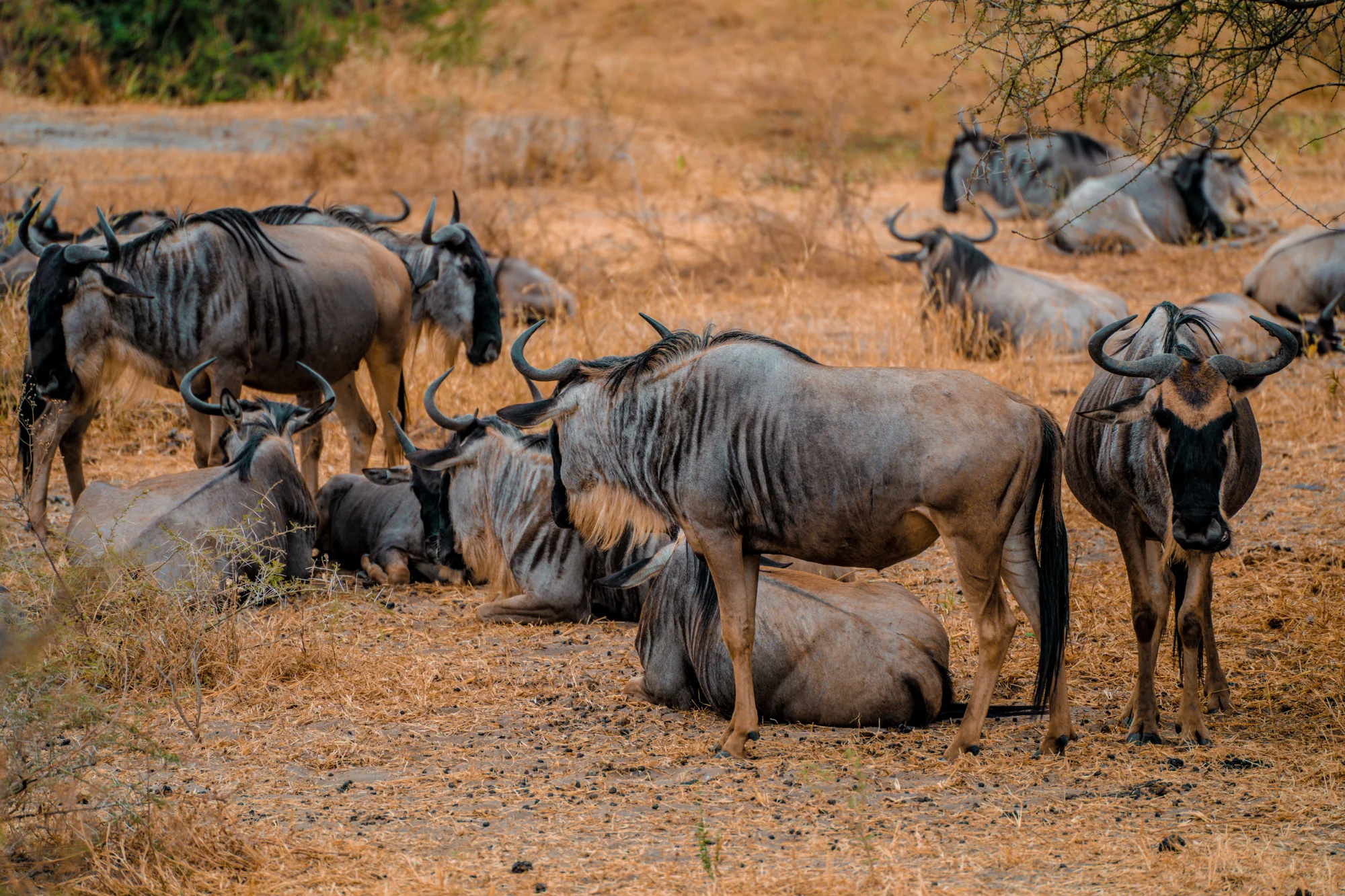
Synonymous with safari, the Serengeti is where to go in Tanzania for game viewing at its most dramatic. Hosting the lion's share of the Wildebeest Migration (from about January to September), the Serengeti’s sheer size, accessibility, top-quality lodges and camps, and year-round abundance of wildlife make it one of the best safari destinations in Africa. It’s also a regular stop on the best Tanzania safari tours.
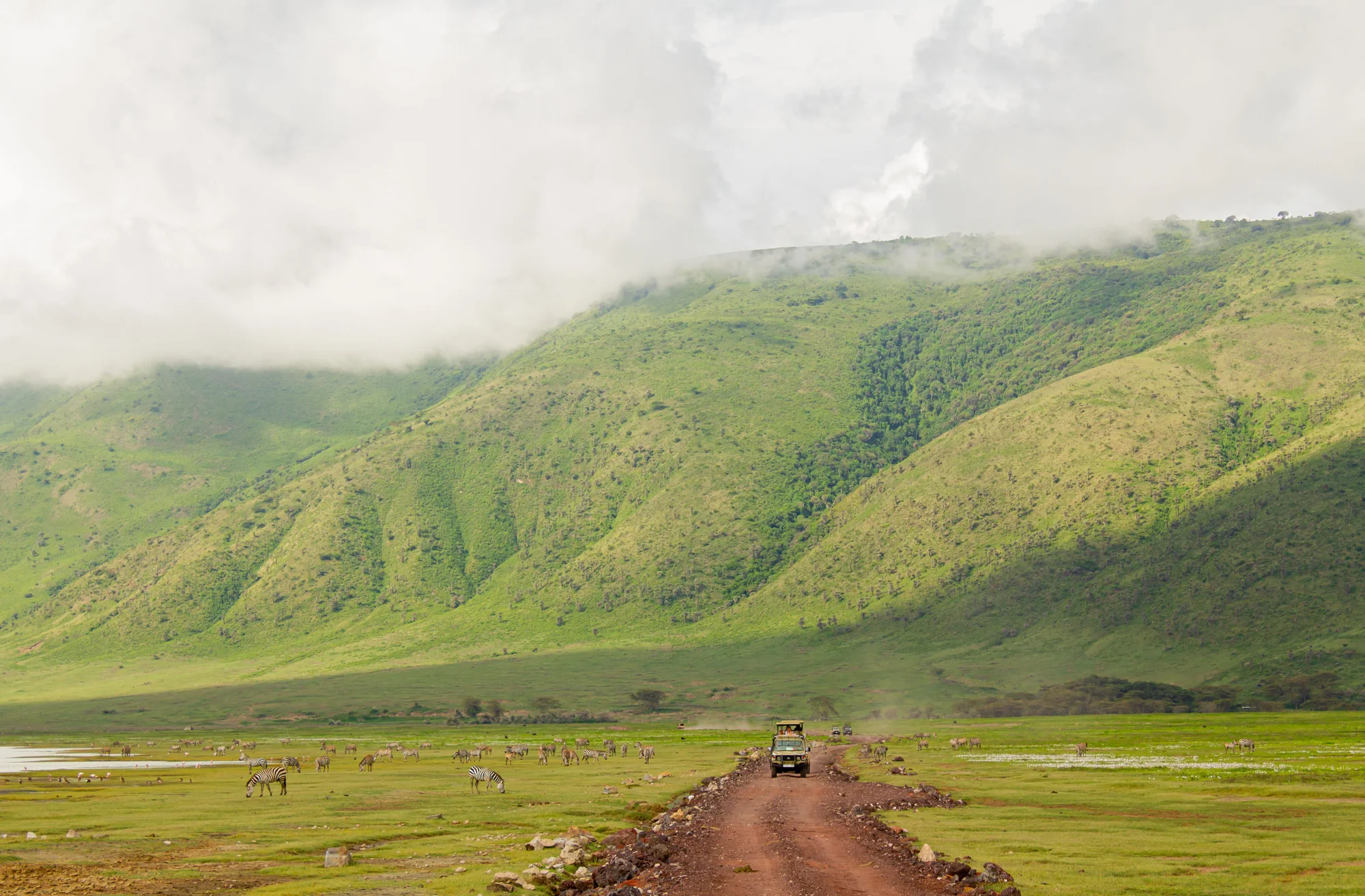
Take about 30 000 animals and place them inside the crater of an extinct volcano. Add wetlands, forest, grasslands and some out-of-this-world cliff-top accommodation, and the result is the Ngorongoro Crater. This superb Tanzania safari destination offers excellent game viewing in an unbelievably unique setting. It's renowned for delivering the easiest and most reliable Big 5 sightings in East Africa, and it provides what is arguably the best safari in Tanzania.
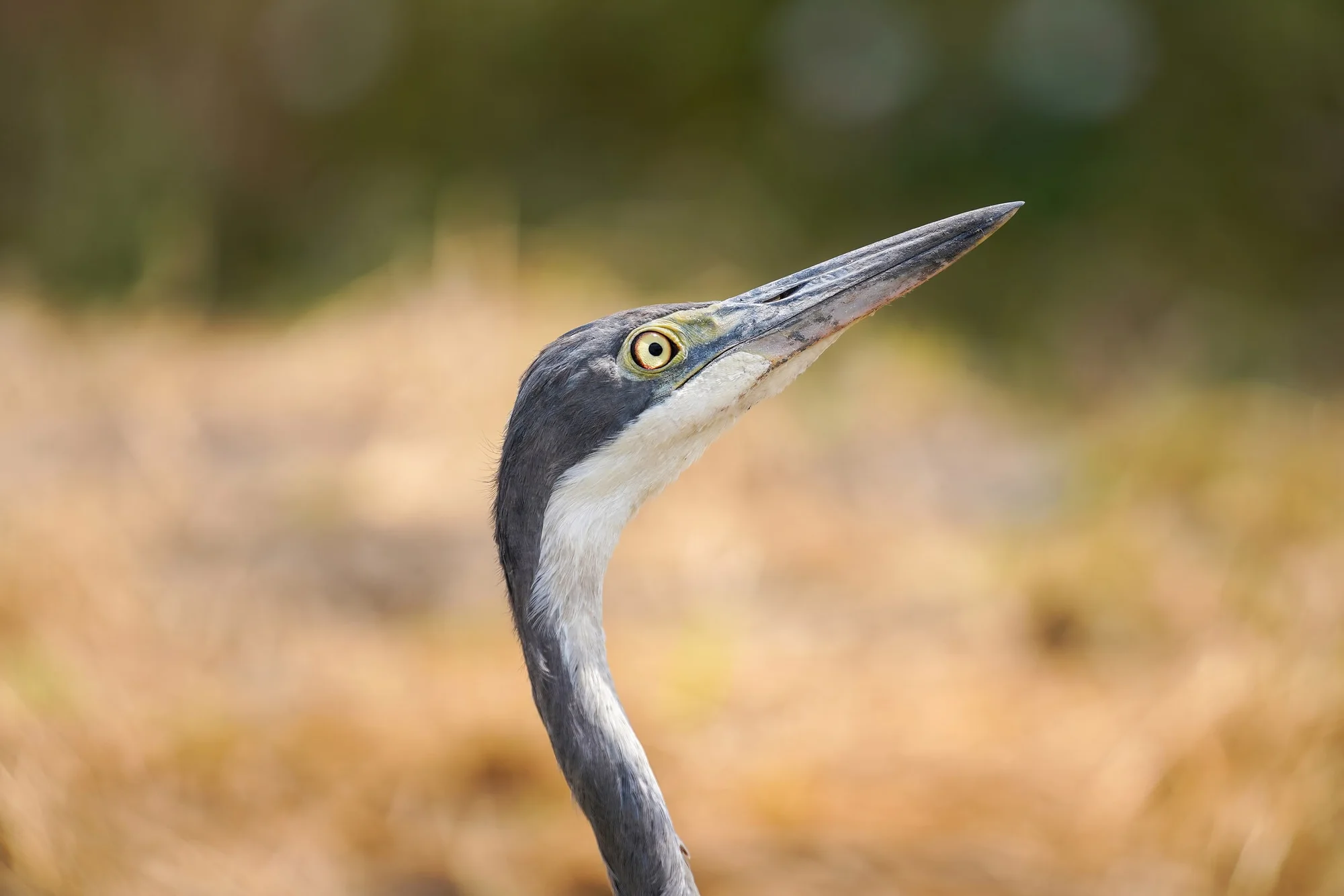
Close to Lake Manyara and the Ngorongoro Crater, Tarangire is worth much more than the usual day visit. During the June to October dry season, animal – especially elephant – concentrations along the Tarangire River are among the highest in the country. The park's bird count of more than 500 species means that a visit here is one of the most rewarding Tanzania safaris for twitchers, while its full range of large predators complete the appeal. Tarangire is a beautifully diverse wilderness featuring riverine forest, huge swamps and open woodlands that include Africa's iconic baobab trees.
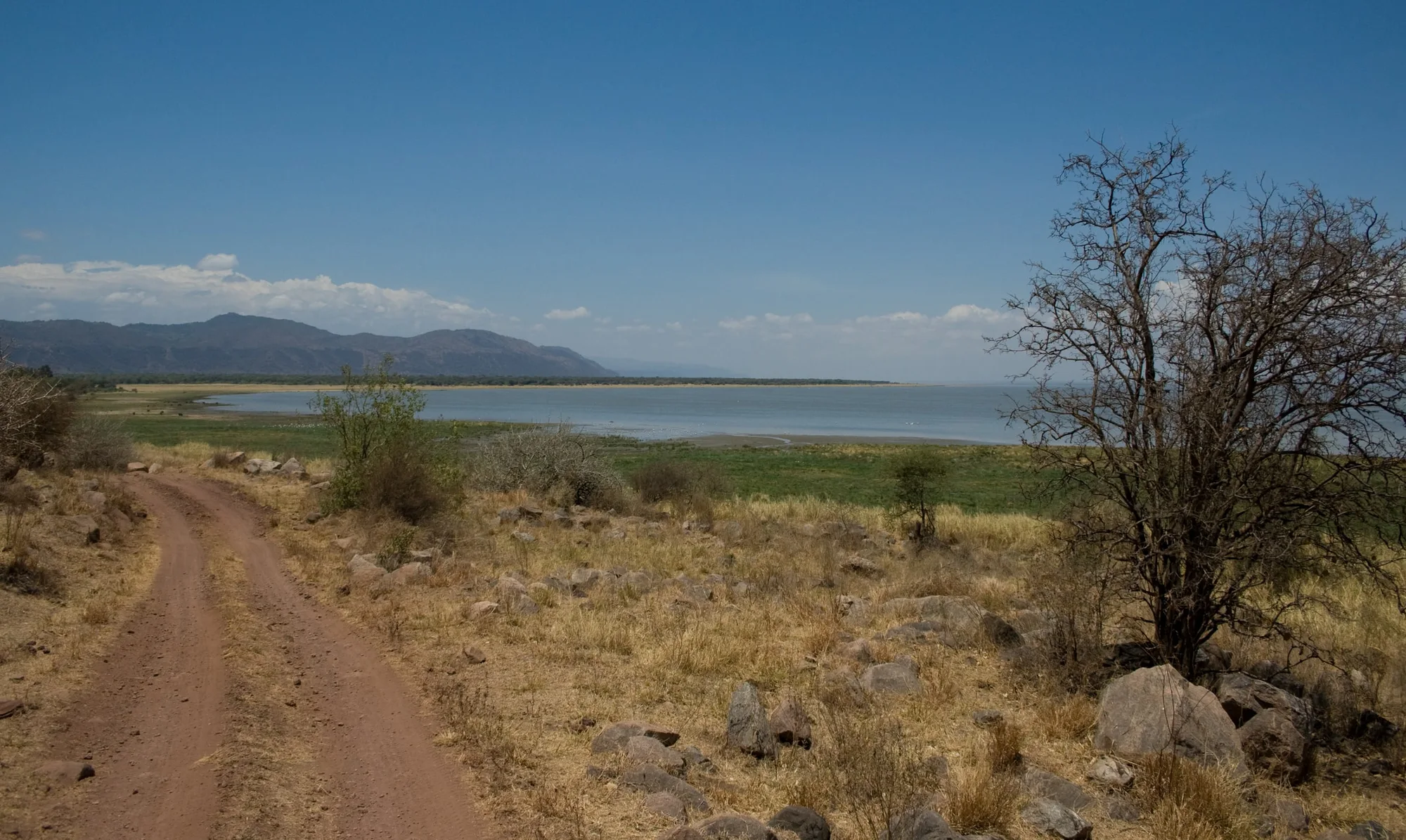
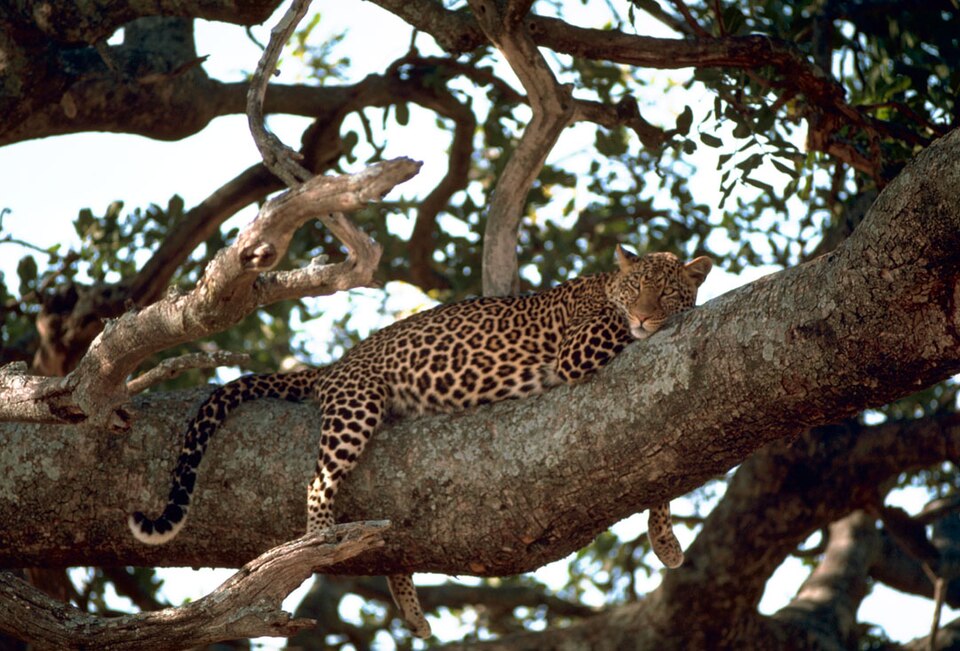
Part of Tanzania’s famed Northern Safari Circuit, Lake Manyara offers easy game viewing in a beautiful setting. The park is home to a good range of heavyweight species, including buffalo, hippo, giraffe, elephant, leopard, and its famous tree-climbing lions. Lake Manyara is an exceptional bird-watching destination. You'll often see flocks of pelicans and flamingos in the middle of the lake, and the floodplains, woodlands and evergreen forests are equally vibrant.
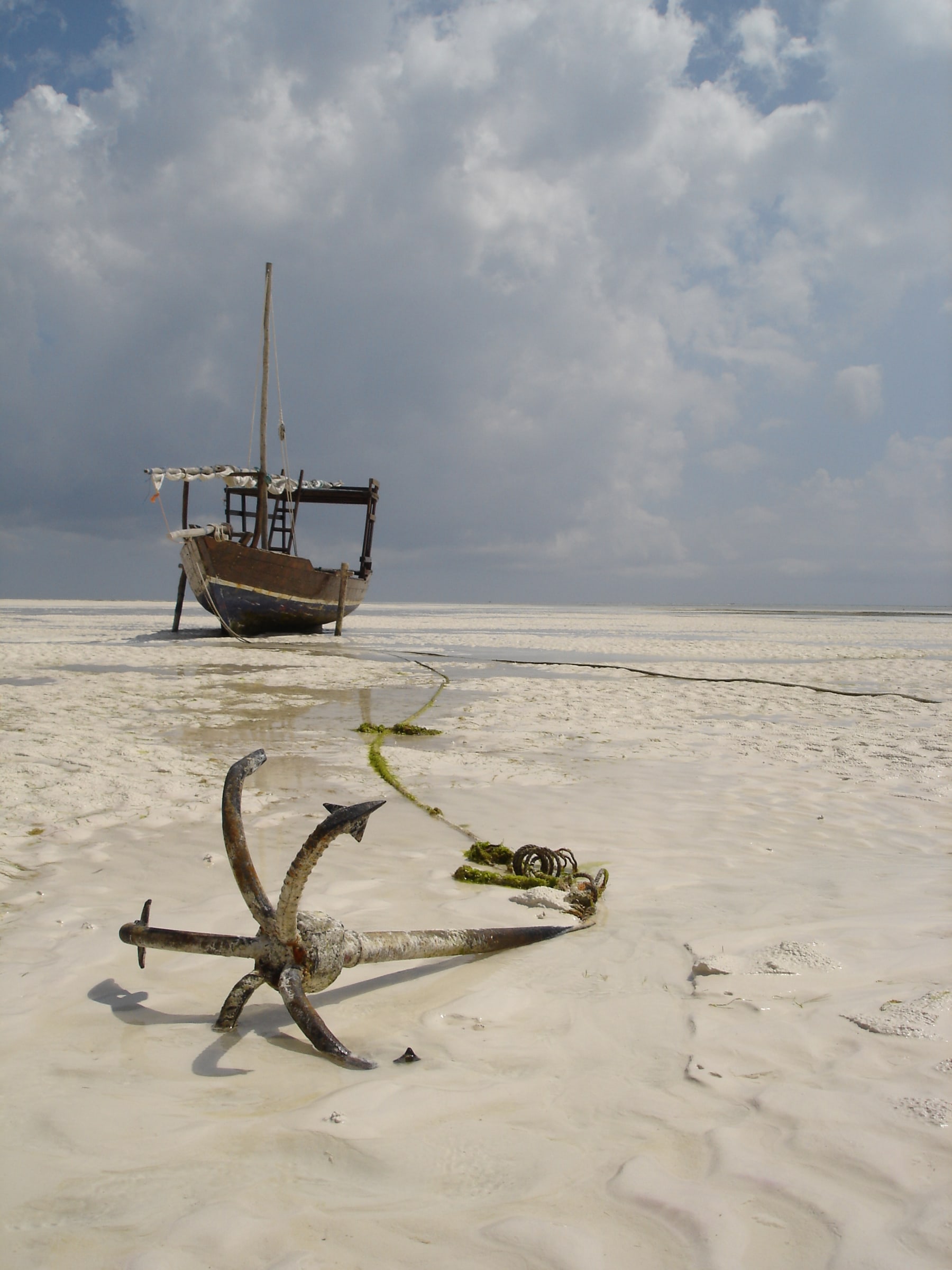
Crown your East Africa safari experience with a stay on Tanzania’s Spice Island: Zanzibar. Perfect for both families and honeymooners, it’s where to go in Tanzania for glorious beaches and coral reefs, dhow (traditional boat) trips at sunset, and exploring fragrant back-street markets. Tanzania’s other Indian Ocean islands won’t disappoint either. Pemba, Mafia and Chole are superlative beach holiday destinations with superb diving, exclusive boutique accommodation and all the indulgent pampering you could wish for.
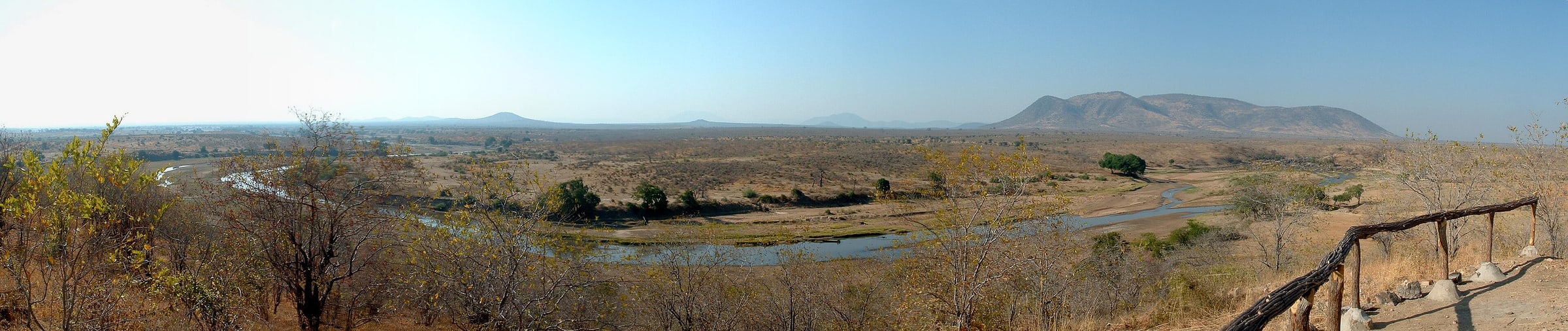
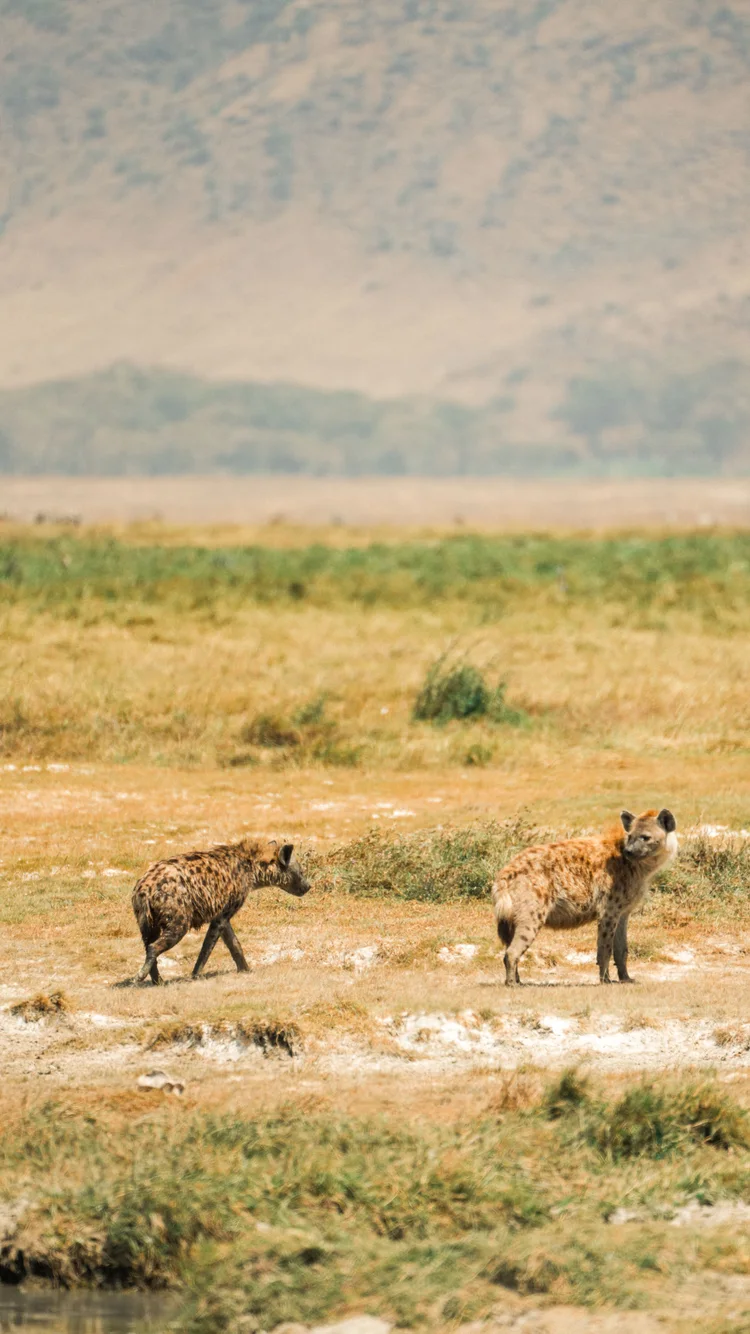
Ruaha's wild and unbridled character is what sets it apart from other safari destinations. This hidden gem is Tanzania's biggest national park and there are only a handful of safari camps despite its size. You won't see other tourists around – only a plethora of animals like buffalo, giraffe, kudu, sable, roan, lion, cheetah and leopard. It's home to Tanzania's biggest elephant population and a stronghold for rare African wild dogs.
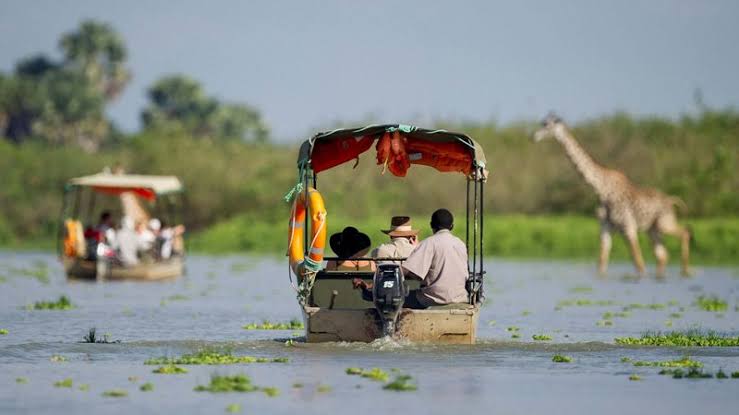
Nyerere National Park (previously Selous) is Africa's largest game reserve – bigger than Switzerland. Its lifeblood, the colossal Rufiji River, forms an intricate network of channels, swamps and lakes from which one of East Africa's most magnificent ecosystems is born. Buffalo, hippo, crocodile and lion thrive here, while the reserve is also one of Africa's most important sanctuaries for endangered wild dog. Don't miss a boat safari, guided walk or fly-camping excursion is this breathtaking wilderness.
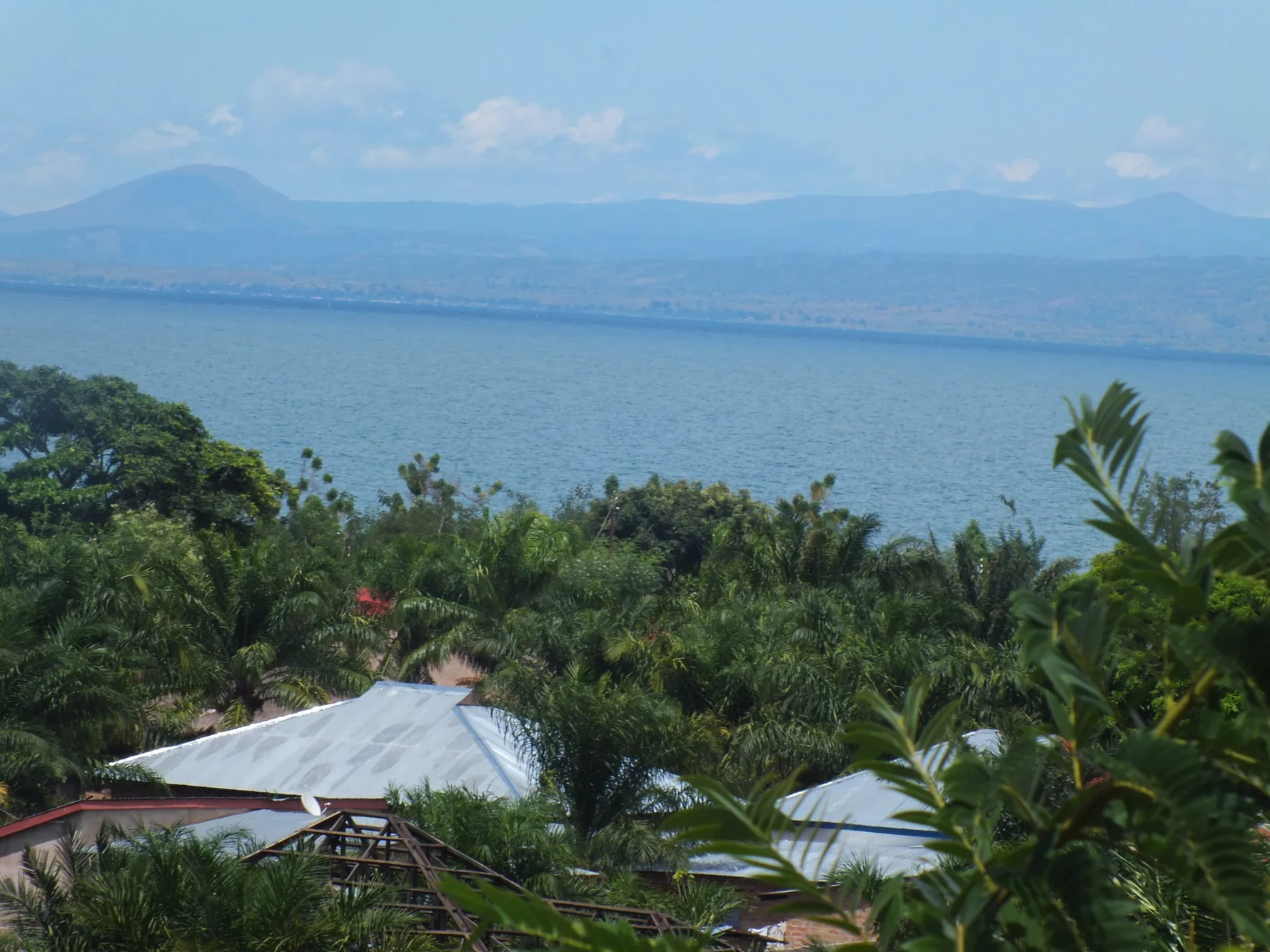
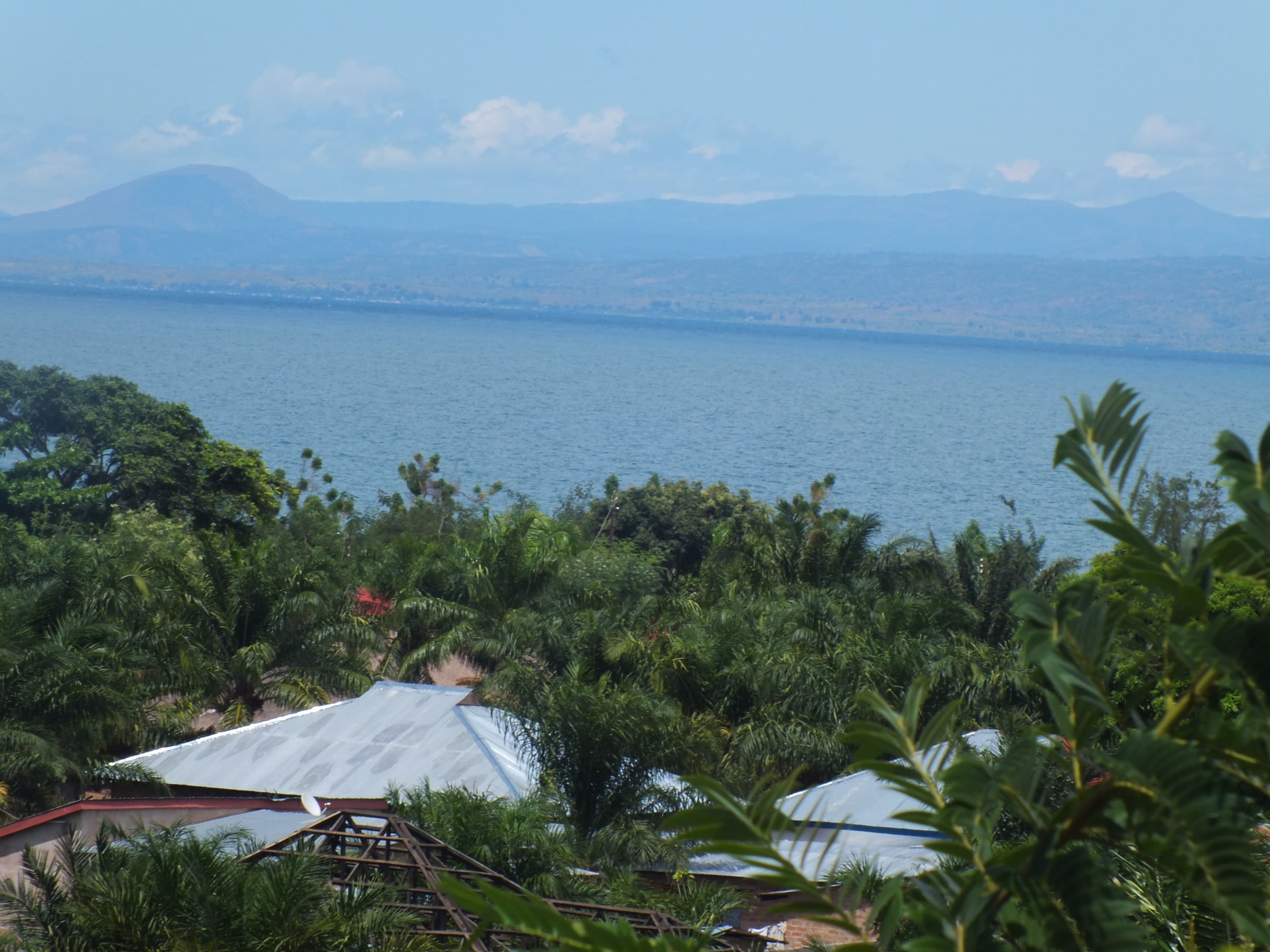
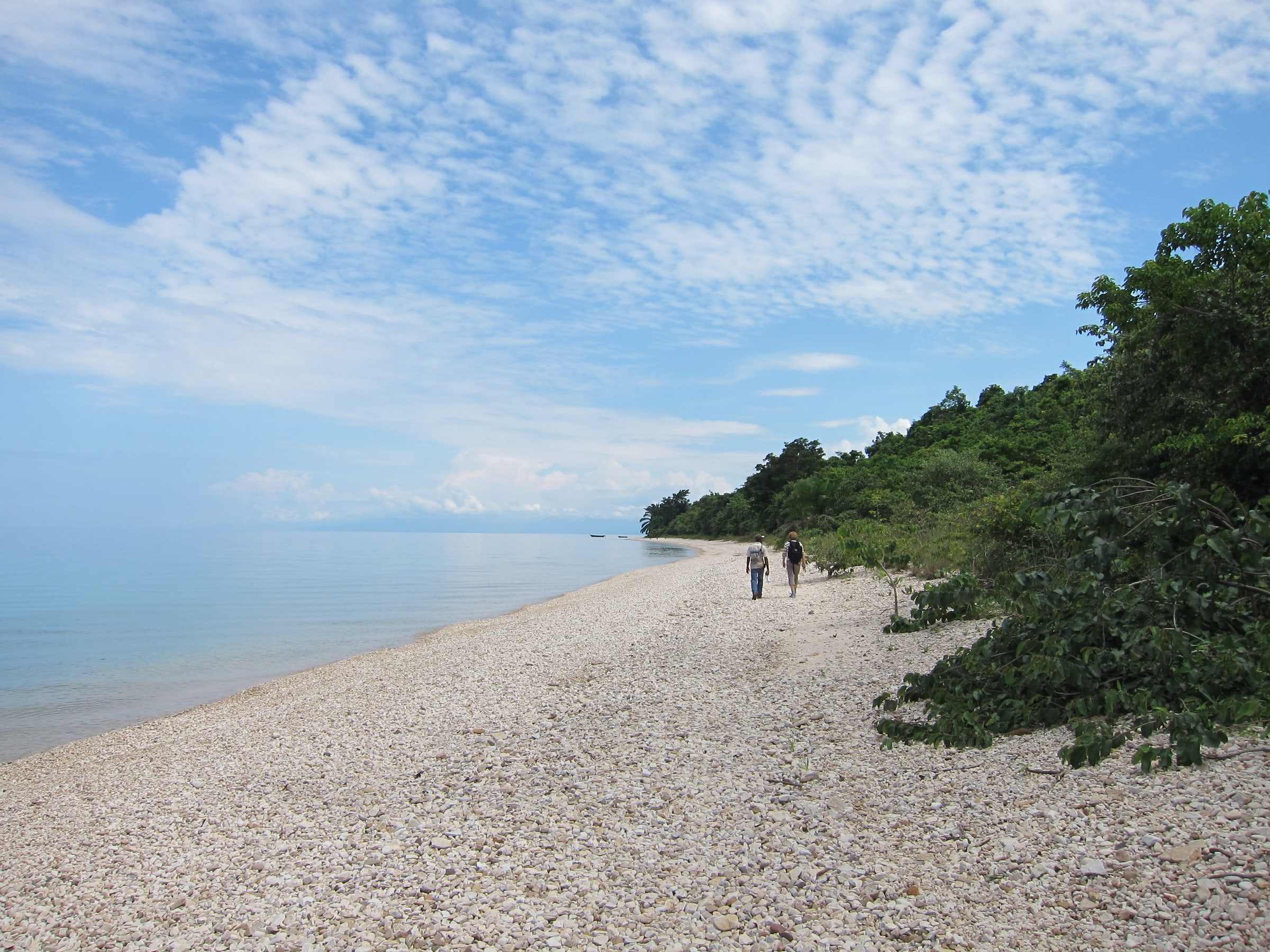
The world's longest freshwater lake is hemmed in by the mountainous walls of the Great Rift Valley. It’s one of our planet’s most biologically rich habitats, not least due to the lakeside presence of the Mahale Mountains and Gombe Stream National Parks. These two far-flung destinations are worth the effort it takes to get to them, as both deliver some of Tanzania’s most unique safari experiences: tropical rainforest wildlife viewing and remarkable chimpanzee trekking.
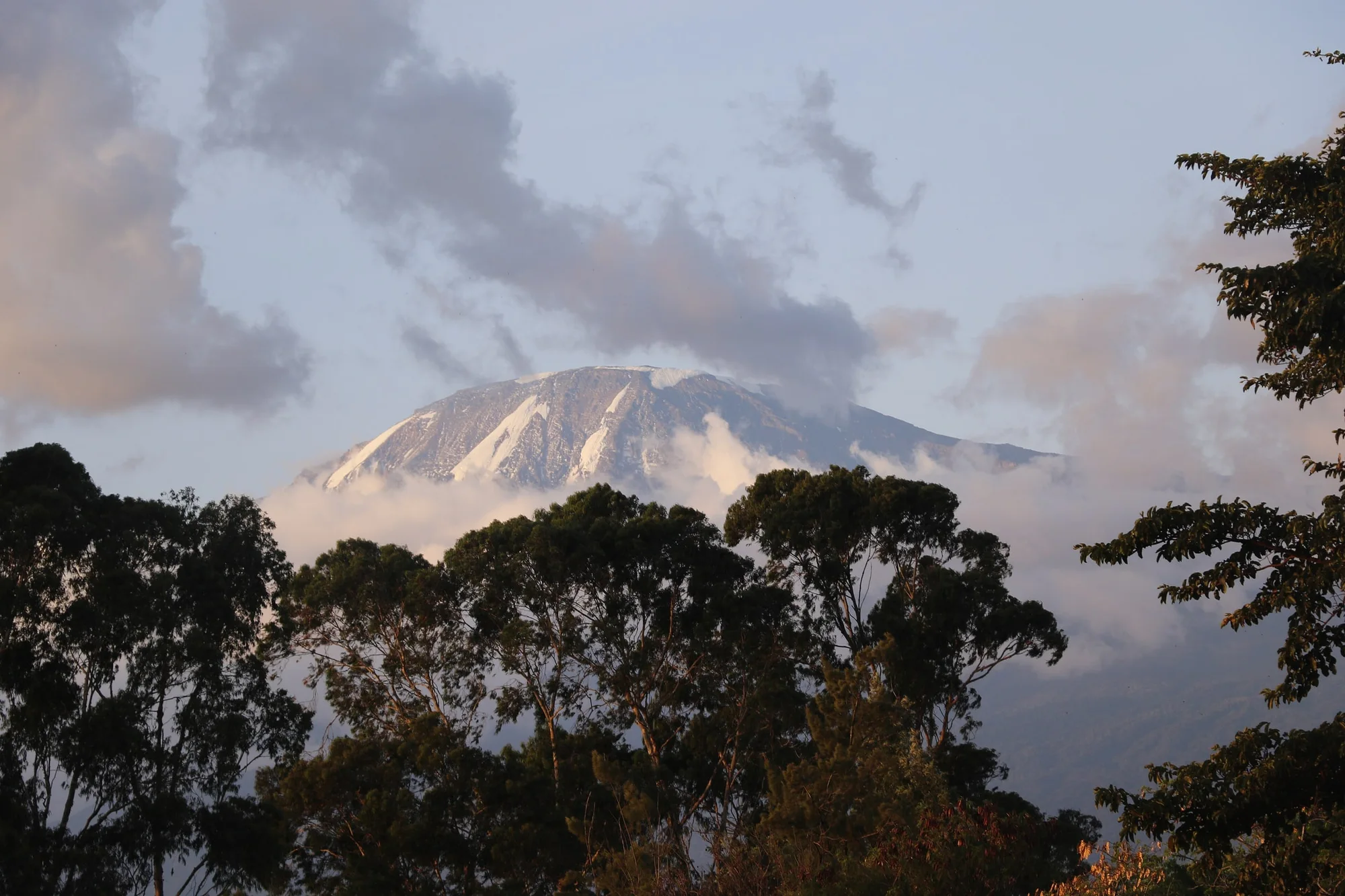
Whether you're content with standing in its mighty shadow or yearn to climb to its icy summit, the iconic Mount Kilimanjaro won’t fail to stir your soul. At 5 895 metres (19 340 feet), it’s Africa’s highest mountain and the tallest free-standing mountain on Earth. But its snow-capped peaks are far more accessible than you may think. If you climb Kili in the dry season between July and October or January and March, no technical climbing is required. But organising and executing a hike to the summit does call for a fair amount of logistical planning.

The undisputed safari capital of Tanzania, the city of Arusha is on the itinerary of virtually anyone visiting the Serengeti, Ngorongoro Crater and Lake Manyara, as logistics often dictate an overnight layover in or around the city. Set in the shadow of Mount Meru, Arusha has its own international airport (Kilimanjaro International Airport) as well as the smaller Arusha Airport for charter flights to final destinations. If you spend some time in Arusha, you'll have many opportunities to buy souvenirs, take in the cultural activities and visit local places of interest.
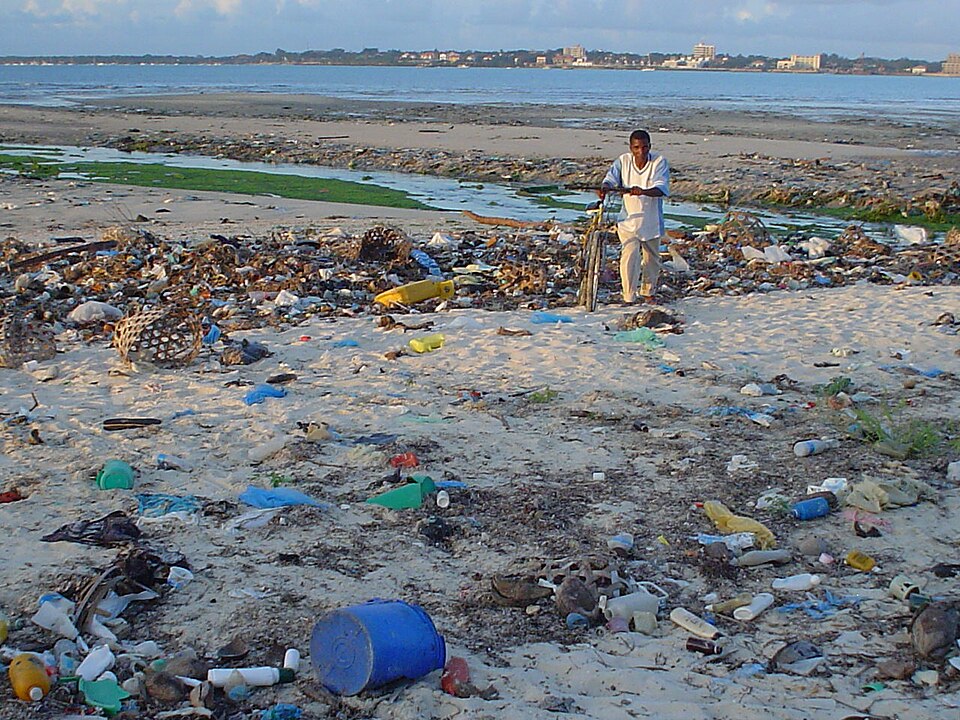
Most visitors to Dar es Salaam are on their way to Zanzibar or the Indian Ocean coast, but this thriving city provides easy access to Tanzania’s lesser-known reserves such as Selous. High-quality accommodation is available if you need to overnight.
The best time to visit Tanzania for a safari is during the dry season from late June to October. Tanzania has two distinct rainy seasons: April to May (the ‘long rains') and November to December (the ‘short rains'). Generally, the country's ‘long rains' produce tropical downpours in the afternoons and some safari camps may close. The ‘short rains' bring about the occasional brief shower.
Most safari areas in Tanzania enjoy warm days and cool evenings year-round. While temperatures drop to below freezing on Mount Kilimanjaro and Mount Meru, the country's Indian Ocean coast and lakeside regions are hot and humid.
The best time for a Tanzania safari will depend on where you want to go and what you want to see. For first-time safari goers, the best time to go to Tanzania is usually during the dry season, as wildlife is easier to track and spot. Whether you’re visiting Tanzania for the first time, understanding the difference between the safari high season vs low season is a great place to start.
| High or Peak Season | Low or Green Season | ||
|---|---|---|---|
| About June to October (long dry season) | About January to March and November to December | ||
| Highest rates | Lowest rates | ||
| Need to book well in advance | No need to book too far in advance | ||
| Cool and dry weather | Hot and occasionally wet weather | ||
| Not many baby animals around | Lots of baby animals around | ||
| Not many migrant birds to see | Fantastic time for bird-watching | ||
| Most crowded | Least crowded | ||
| Good photography conditions | Greenest, most scenic landscapes with the best light of the year for photography |
In addition to knowing what you want to see and experience, knowing when you intend to visit will also affect your plans for where to go in Tanzania.
| Event | Approximate Time | ||
|---|---|---|---|
| Calving or Birthing Season | January to March | ||
| Intense Big Cat Action | January to March | ||
| Rutting (a period of sexual excitement, reproductive activity and mating battles between males) | January to March | ||
| Grumeti River Crossings | May to July | ||
| Mara River Crossings | July to September |
Note: the above are approximate dates only. The Wildebeest Migration is a year-round, circular journey and the river crossings cannot be predicted, although they generally occur between May and September. Sometimes the herds stay put for two weeks, other times they could cross four times in one day! You can take a look at our detailed Wildebeest Migration guide for more information about this natural spectacle.
| Destination | Jan | Feb | Mar | Apr | May | Jun | Jul | Aug | Sep | Oct | Nov | Dec |
|---|---|---|---|---|---|---|---|---|---|---|---|---|
|
31°C
68mm |
32°C
76mm |
32°C
140mm |
31°C
256mm |
30°C
169mm |
29°C
34mm |
29°C
28mm |
29°C
23mm |
29°C
27mm |
30°C
56mm |
31°C
117mm |
31°C
96mm |
|
|
24°C
174mm |
24°C
150mm |
24°C
185mm |
24°C
188mm |
24°C
23mm |
24°C
1mm |
24°C
0mm |
25°C
1mm |
26°C
11mm |
26°C
62mm |
24°C
168mm |
23°C
215mm |
|
|
2°C
168mm |
4°C
165mm |
3°C
296mm |
2°C
327mm |
0°C
172mm |
-1°C
63mm |
-1°C
64mm |
-1°C
71mm |
1°C
67mm |
2°C
172mm |
1°C
296mm |
1°C
235mm |
|
|
29°C
210mm |
29°C
202mm |
29°C
246mm |
28°C
225mm |
27°C
72mm |
26°C
12mm |
26°C
5mm |
27°C
7mm |
28°C
11mm |
29°C
28mm |
30°C
72mm |
30°C
145mm |
|
|
28°C
137mm |
28°C
129mm |
28°C
111mm |
27°C
55mm |
27°C
4mm |
26°C
0mm |
26°C
0mm |
26°C
0mm |
28°C
1mm |
30°C
7mm |
30°C
34mm |
29°C
139mm |
|
|
27°C
94mm |
27°C
99mm |
27°C
136mm |
26°C
137mm |
25°C
64mm |
25°C
27mm |
25°C
12mm |
25°C
25mm |
27°C
31mm |
27°C
42mm |
26°C
96mm |
26°C
111mm |
|
|
17°C
87mm |
17°C
104mm |
16°C
137mm |
16°C
140mm |
15°C
60mm |
14°C
12mm |
14°C
6mm |
14°C
7mm |
15°C
7mm |
16°C
27mm |
16°C
85mm |
15°C
113mm |
|
| Dry Season | ||||||||||||
| Wet Season | ||||||||||||
| The Great Wildebeest Migration | ||||||||||||
| Best Time for Safari |
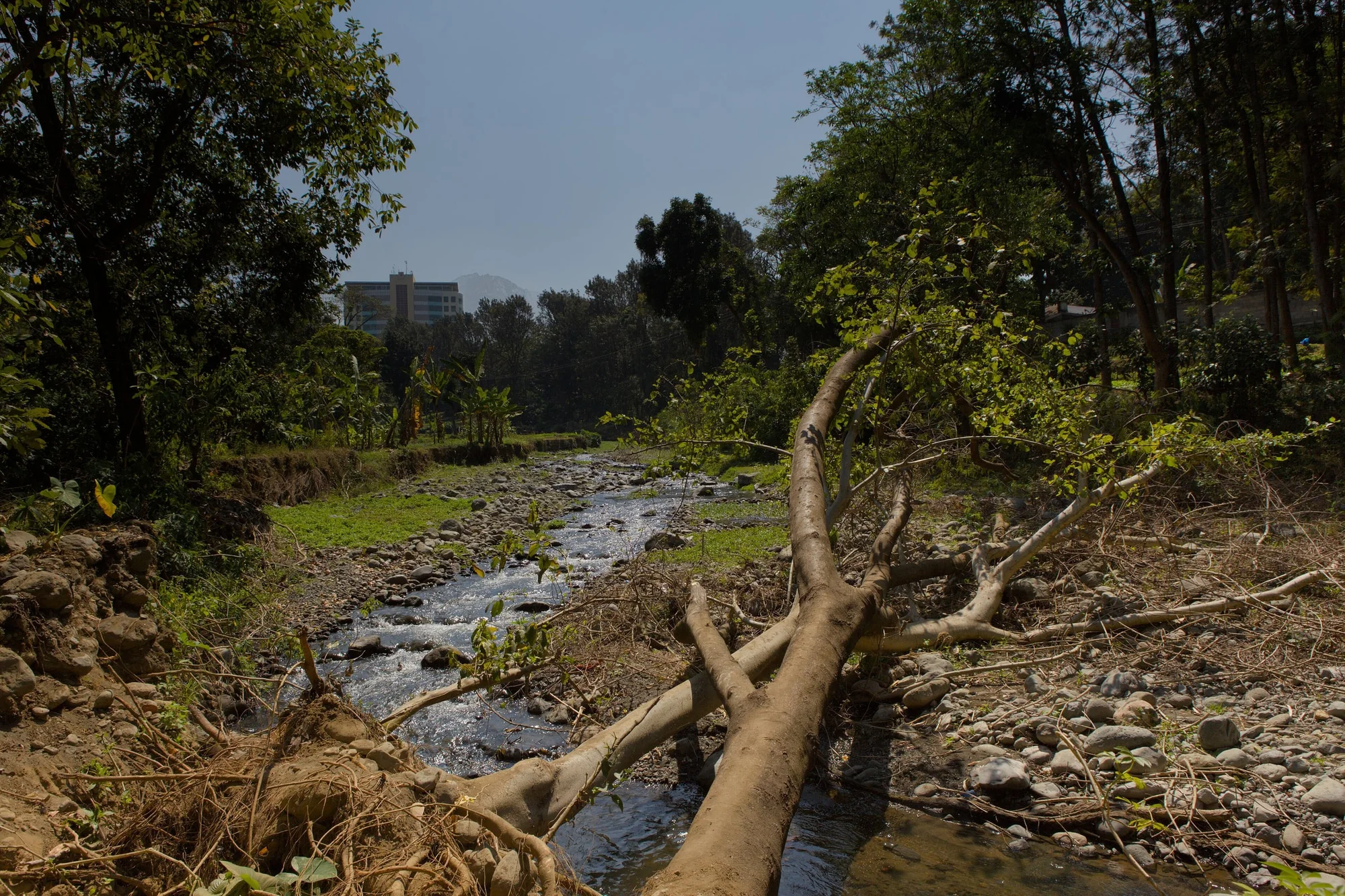
If it's a tropical beach holiday that you're after, January is one of the best times to visit Tanzania's coast. Experiencing Zanzibar for a vacation consists of powder-soft sand beaches, azure waters, and total relaxation. For the Wildebeest Migration, the first month of the year usually sees the herds move into the southern Serengeti to give birth to their calves.
It's hot and humid during February, and it's the start of calving season when thousands of wildebeest give birth to their young and predators lie in wait. Approximately 500,000 wildebeest calves are born during this period. The plains are full of new life, taking their first teetering steps.
It's extremely hot in Tanzania in March, early in the month it tends to be dry, although the ‘long rains' have in previous years come early. The landscape turns an otherworldly green which is a strong contrast to the brown texture of the terrain over the summer months. The Ngorongoro Highlands receives short and sharp rainfall in the late afternoon, leaving the mornings pleasant. March is also considered a prime month to conquer Mount Kilimanjaro.
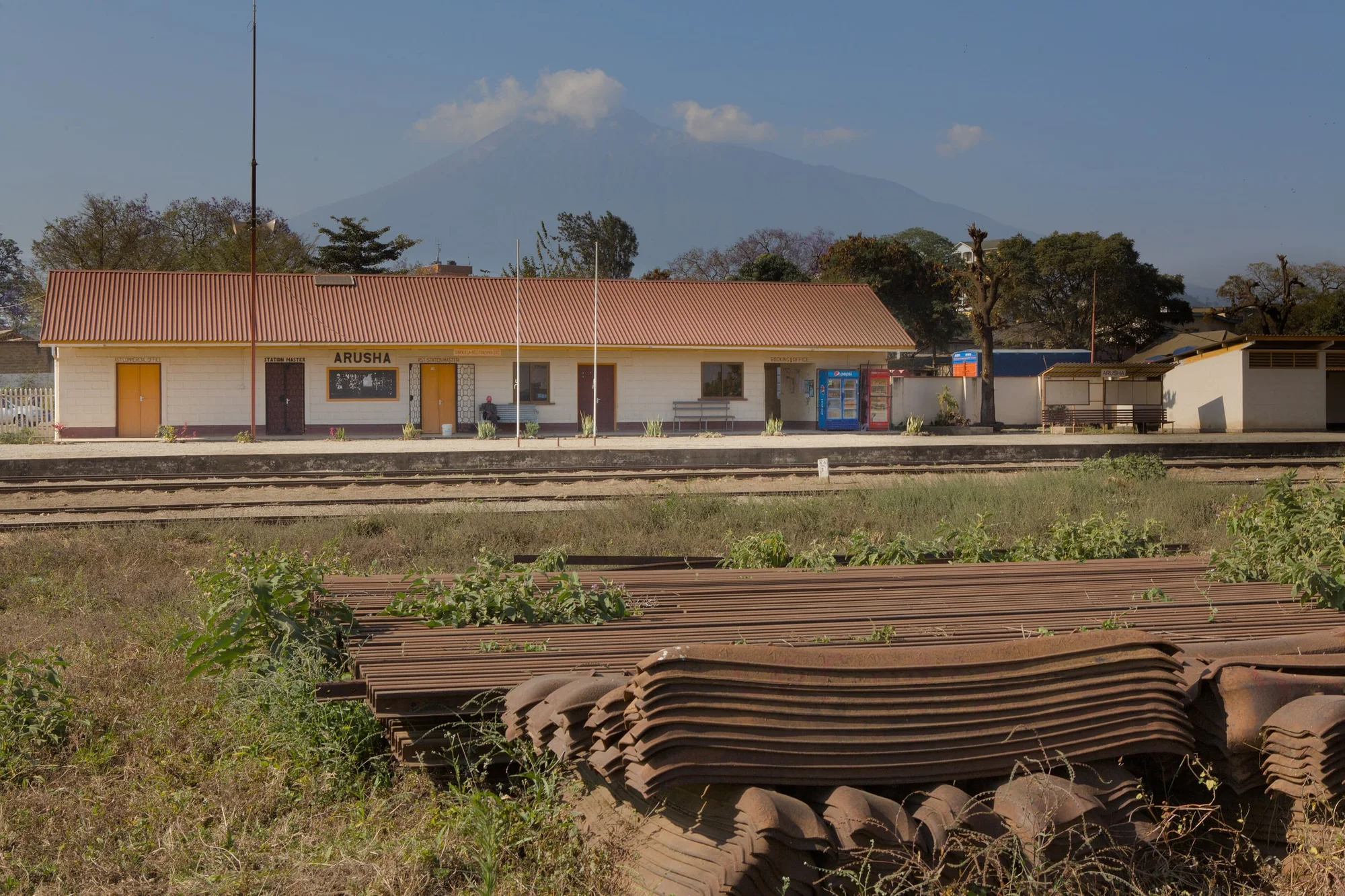
April is by far the wettest month of the year and while the rains predominantly come in the form of afternoon thundershowers, it's not unusual to have big storms at night, as well as plenty of grey days. The western and southern parks have the highest humidity of the year, but accommodations and Tanzania tours offer great value for money if you choose to travel during this time.
The beginning of May is still very wet, but things do start to dry out towards the end of the month as June welcomes in the dry season. During this month, the Great Migration is trekking from the southern Serengeti to the western corridor.
June is dry, busy and is considered the best time of year to visit for Tanzania luxury safaris. The rains have come to an end, the savannahs are starting to change from green to yellow, and wildlife sightings improve as the vegetation slowly recedes. The Wildebeest Migration may have stopped at the Grumeti River, building up numbers before they attempt their death-defying crossings.
July is when peak safari season is in full swing and is the best time to travel to Tanzania for ideal weather and excellent game drive opportunities, as well as pairing up a Kenya and Tanzania safari. The Great Migration should have reached the northern parts of the Serengeti, getting ready for its main event: crossing the treacherous waters of the Mara River into Kenya. Read more to find out about a Kenya vs Tanzania safari.
August is still considered peak season with tourist crowds flocking to the northern safari circuit (Tarangire, Ngorongoro Crater and Serengeti) and Zanzibar. Wildlife viewing is sensational, and the herds of the Great Migration should have started to cross the Mara River.
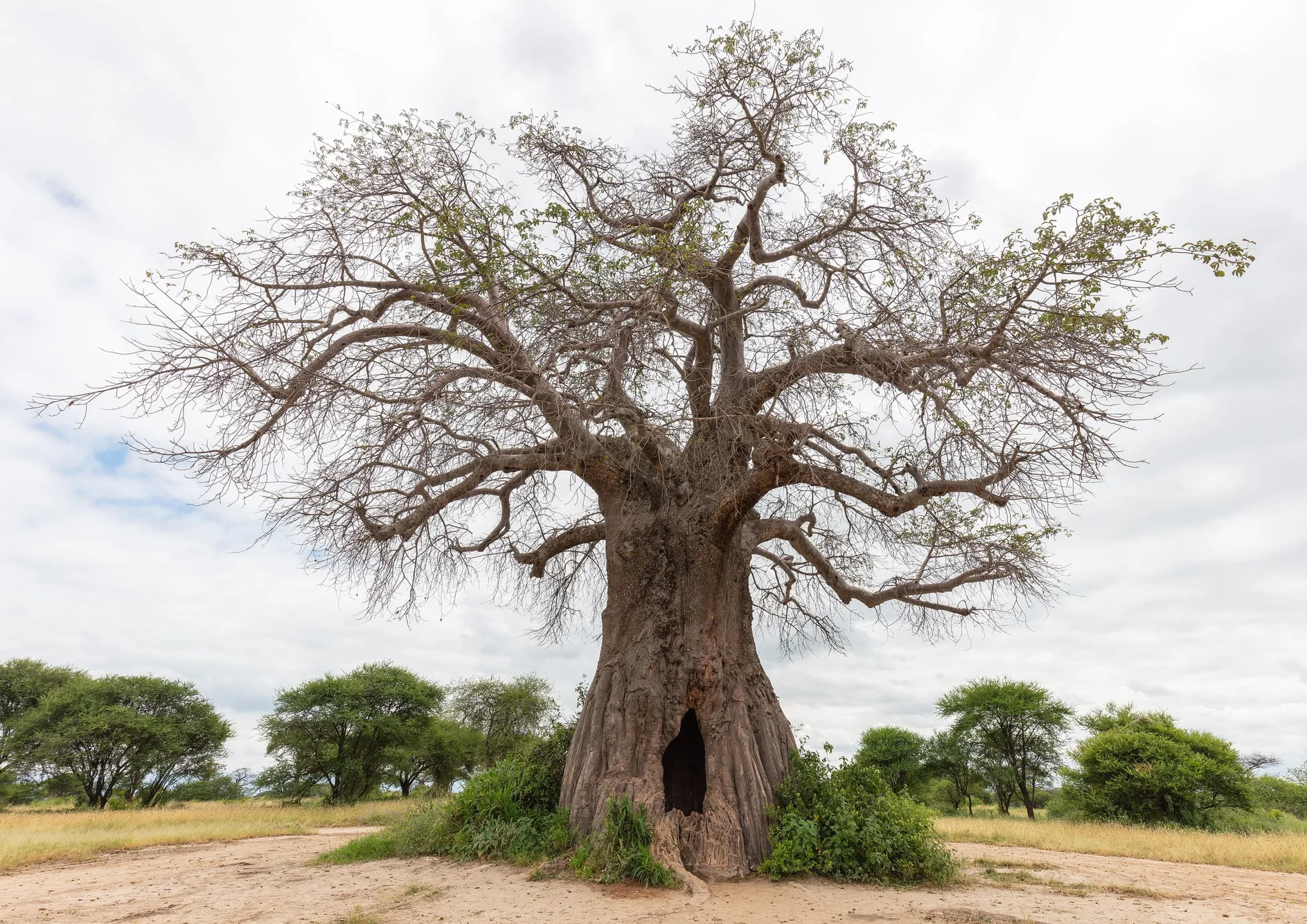
In September, tourist crowds begin to dissipate and there is still no rain, meaning humidity levels are low bringing fewer mosquitoes. September is another prime month for hikers wanting to conquer Kilimanjaro and for those in search of high numbers of elephants, the Tarangire National Park is where you will find them en masse. Plus, this month is the start of the fishing season in Tanzania's great lake regions.
October sees the building of thunderclouds and the arrival of the first rains. Mahale Mountains National Park during this month is the best time to travel to Tanzania for chimpanzee encounters, and Lake Tanganyika is at its warmest. If you're wanting to climb Mount Meru, this is the best month to visit Arusha National Park.
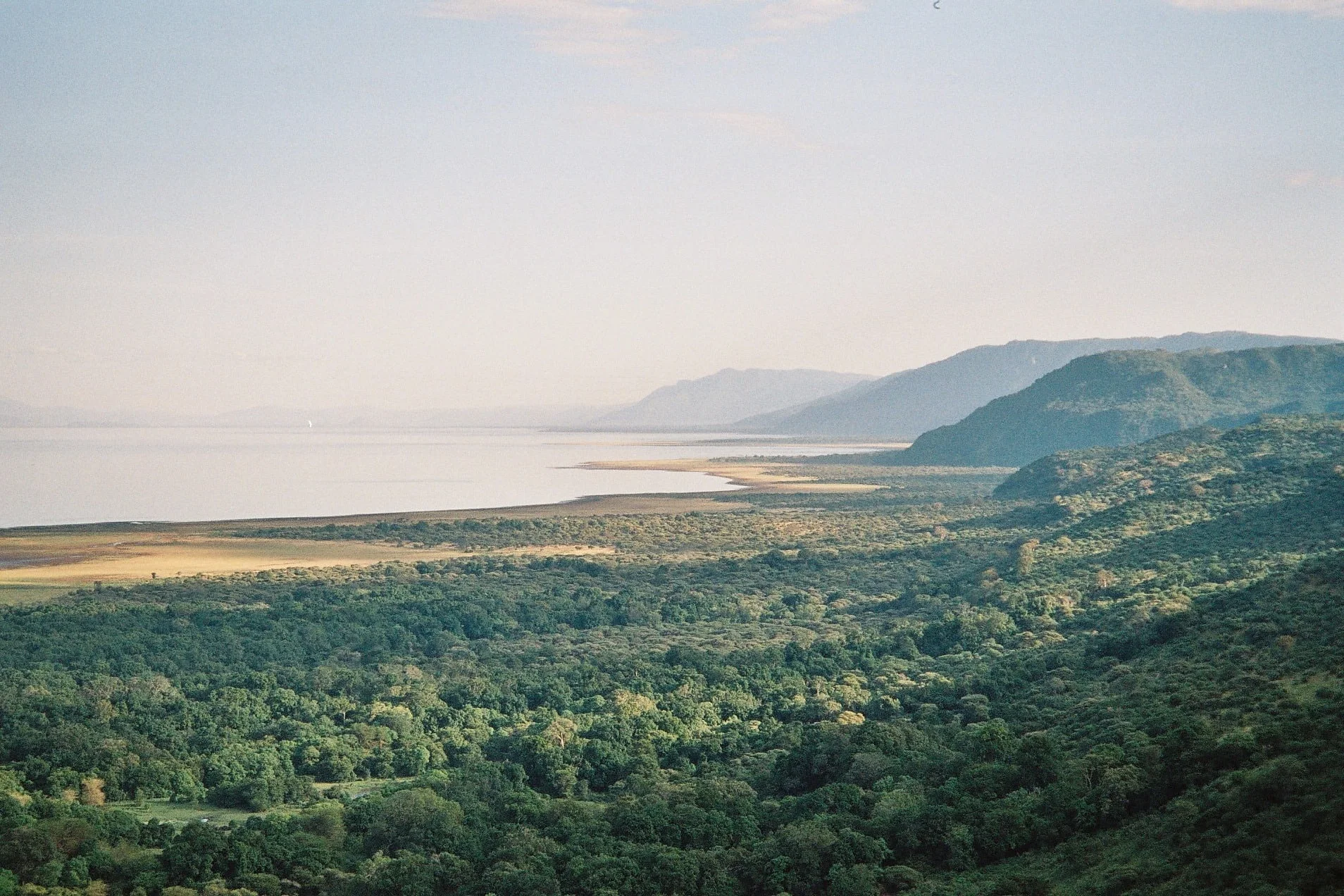
November is possibly one of the most underrated months for a safari in Tanzania. There will be rain, but it's usually only periodic thundershowers in the afternoon. The northern parks of Tanzania are generally great for game viewing year-round, and this month is a good time to discover some off-the-beaten track destinations.
December falls in the middle of the ‘short rains' and the beginning of the month is usually quiet compared to the two weeks over Christmas and New Year. December is the perfect month for birdwatching as the migratory birds start to arrive – particularly in the Nyerere and Tarangire National Parks. The Great Migration has returned to the short grass plains of the southern Serengeti. It’s the ideal time for a Serengeti Safari in Tanzania witnessing feasting in preparation to calve and bringing new life on their year-round circular journey.
Chat with someone who’s been there. Get in touch with one of our Africa Safari Experts to help tailor-make a trip to Tanzania that’s right for you.
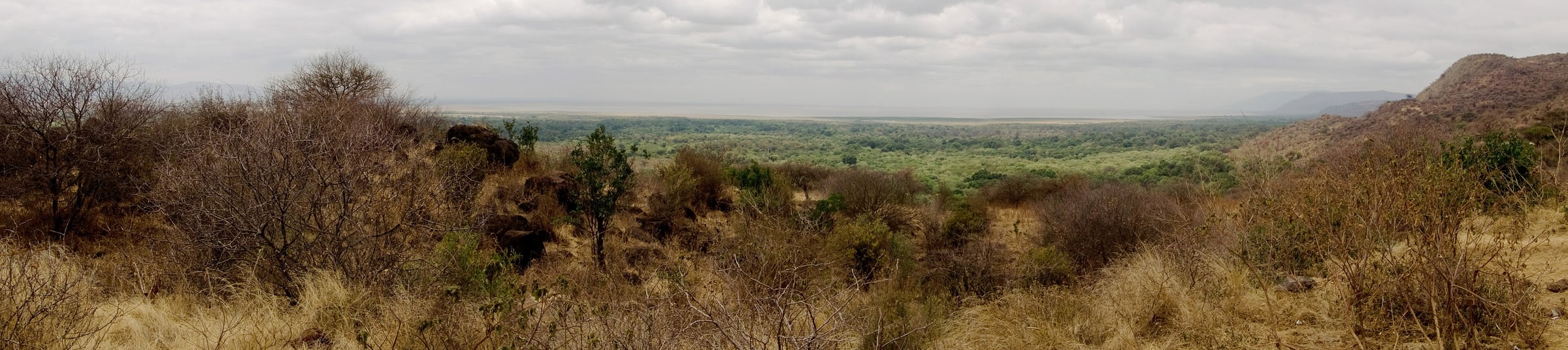
We focus on clear, practical guidance and thoughtful safari planning. Our team can help you compare stays and experiences for your trip.
There’s nothing like up-to-date, relevant travel information direct from someone who's been there.
Tanzania’s unit of currency is the Tanzanian Shilling, but our advice is to use US Dollars only – and in cash: credit cards and traveller’s cheques (although accepted in most establishments) incur transaction fees. ATMs are found throughout the major towns and cities in Tanzania, but not in the national parks and game reserves.
Note: US Dollar bills printed before 2006 are not accepted in Tanzania.
Tipping lodge staff and drivers/guides is customary for good service on a Tanzania safari, but check first to see whether a service charge has been added to your bill. Tipping is always in addition to the price quoted by your operator and the amount varies depending on the size of your group, the level of luxury of the safari and whether you thought an exceptionally good job was done. When travelling in the major Tanzania cities, a 10% tip is customary in restaurants and bars when a service charge is not included.
Read our in-depth guidelines on tipping in Tanzania or get in touch with one of our Africa Safari Experts for advice.
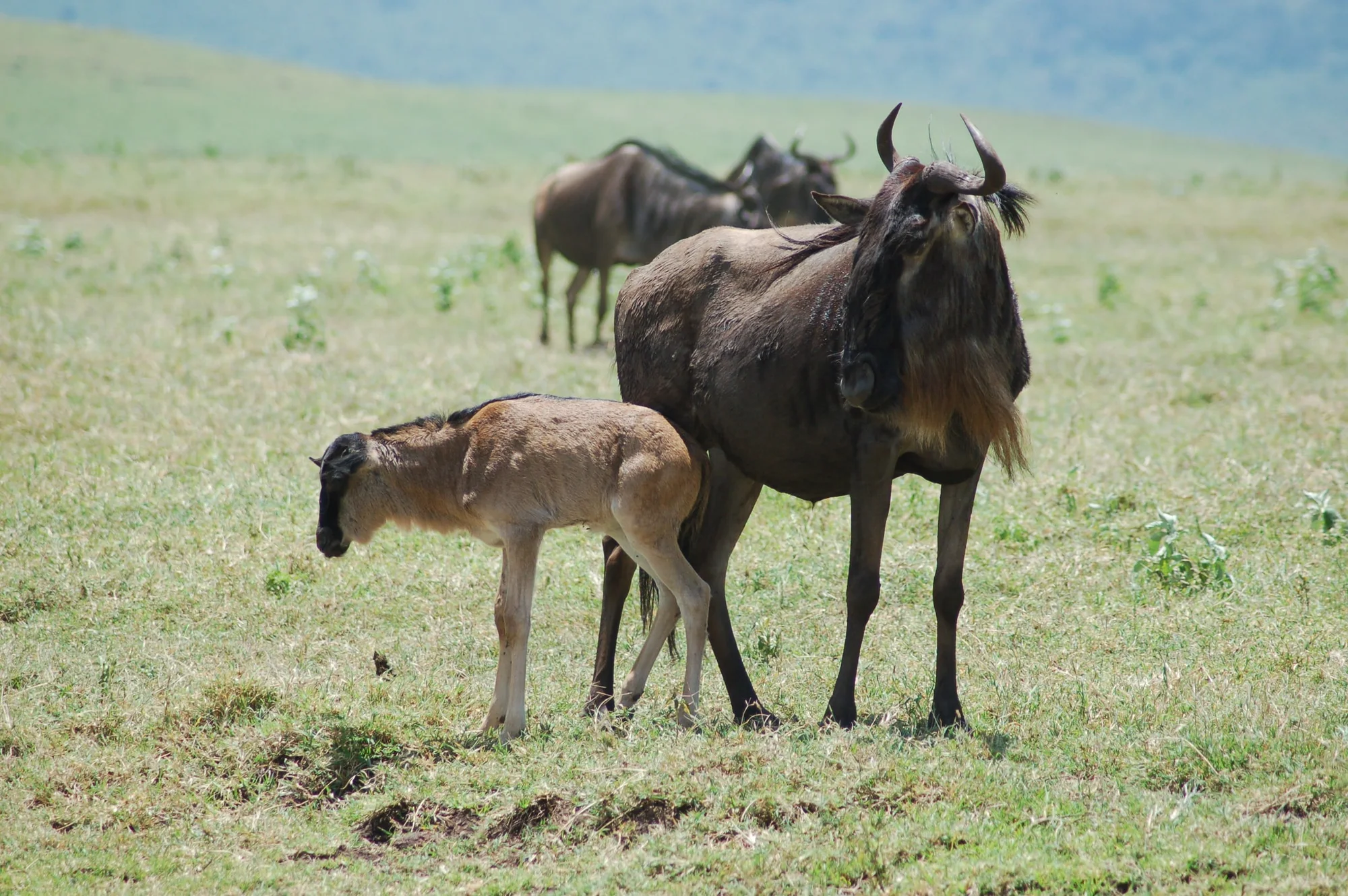
| Long Rains | Short Rains | Long Dry | Short Dry | ||||||
|---|---|---|---|---|---|---|---|---|---|
| Months | April to May | November to December | June to October | January to March | |||||
| Average Temperatures | 72–81°F 22–27°C |
81–86°F 27–30°C |
70–81°F 21–27°C |
84°F 29°C |
When packing for your Tanzania safari, light casual clothing in practical, neutral colours and a warm jacket for evening game drives are a safe bet throughout the year. For more on what to pack for a safari, refer to our Africa Safari Guide.
When visiting Zanzibar, it's important for women to dress modestly in main towns out of respect for Muslim cultural beliefs. T-shirts that cover the shoulders, long skirts and capri pants are generally better options than tank tops and shorts. Beach wear and bathing costumes are acceptable on the beaches and in resorts.
Religious belief is strong in Tanzania, with Christianity and Islam dominating. Most Muslims live on the coast and in Zanzibar; visitors should be aware of the conservative nature of these destinations – especially Stone Town – and dress and behave accordingly.
Tanzanians are renowned for being friendly and harmonious people, however, it is courteous to ask permission before photographing people.
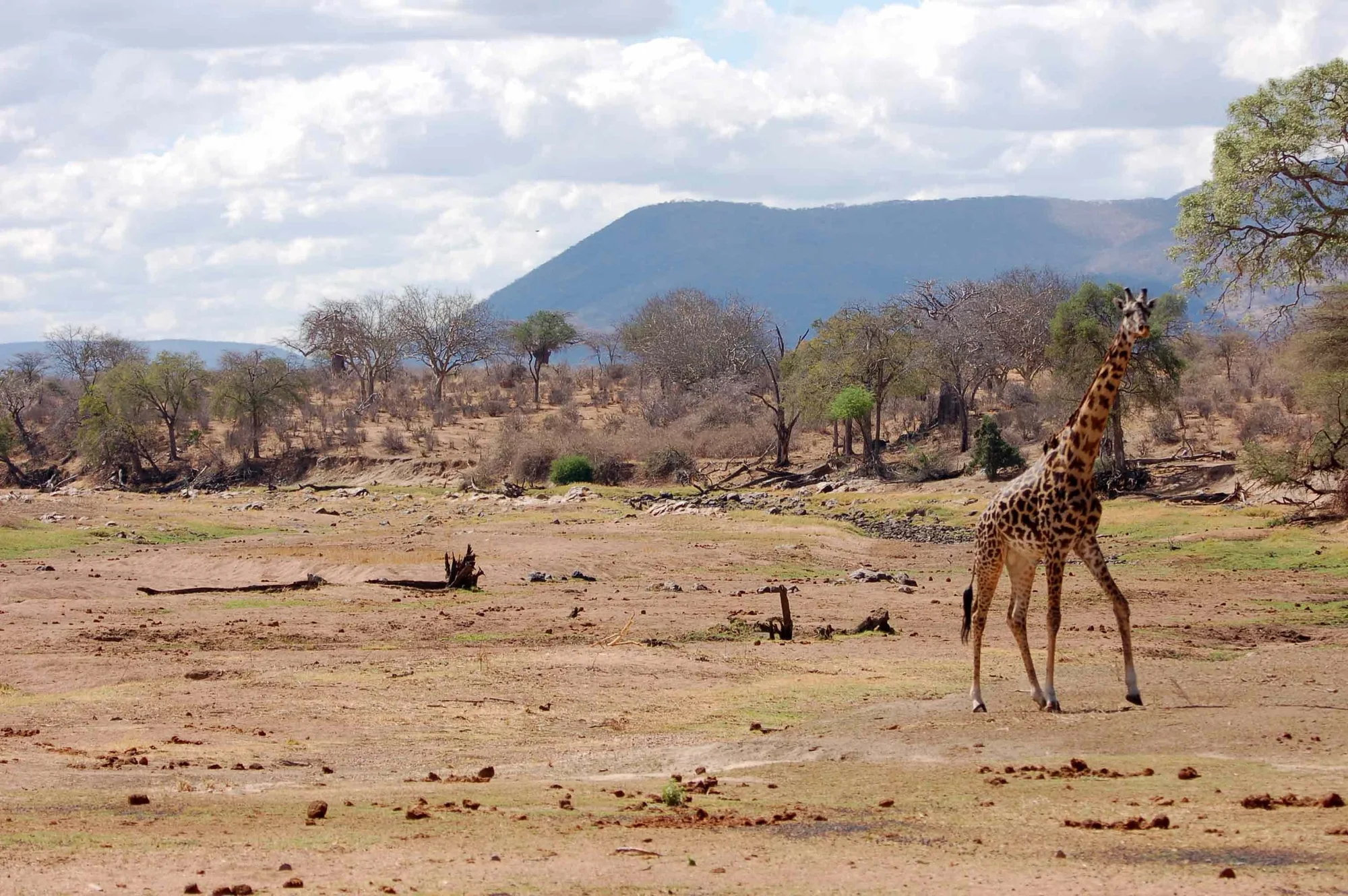
Kilimanjaro International Airport – Tanzania’s second international airport – serves the Serengeti, Ngorongoro Crater, Tarangire and Lake Manyara. However, you need to transfer to nearby Arusha Airport for charter flights to these safari destinations. International flights often arrive at Kilimanjaro Airport late in the day, so an overnight stay in Arusha is usually necessary.
Dar-es-Salaam International Airport – Tanzania’s main airport – is the gateway to the Indian Ocean coast and Zanzibar, as well as Nyerere National Park (previously Selous) and Ruaha National Park.
Arusha Airport – the gateway to northern Tanzania’s safari airstrips – is located about 30 kilometres (18.5 miles) from Kilimanjaro International Airport.
For flight schedules, fares and booking terms, check directly with the airline or your chosen travel agent.
Guided road transfers and game drives in Tanzania are conducted in closed 4x4s with big windows and pop-up roofs, although visitors to destinations like Mahale will enjoy a boat transfer across Lake Tanganyika. Most safari destinations have extensive road networks and closed vehicles are therefore the norm when doing long-distance road transfers between airstrips, camps and lodges in Tanzania. A closed 4×4 game drive vehicle generally has three rows of seating and features a pop-up roof hatch that can be raised for game viewing and taking photographs.
Almost all visitors to Tanzania require a visa. You must contact the relevant issuing authorities in good time (ideally, several months in advance) to ascertain the entry requirements to Tanzania, and to arrange the necessary permits and visas. We strongly encourage all clients entering Tanzania via Kilimanjaro International Airport to obtain their visas online at Tanzania Immigration Department before arriving in Tanzania. E-visas can take 2 to 3 weeks to be issued.
Visitors to Tanzania must possess a passport that is valid for six months after the initial date of travel.
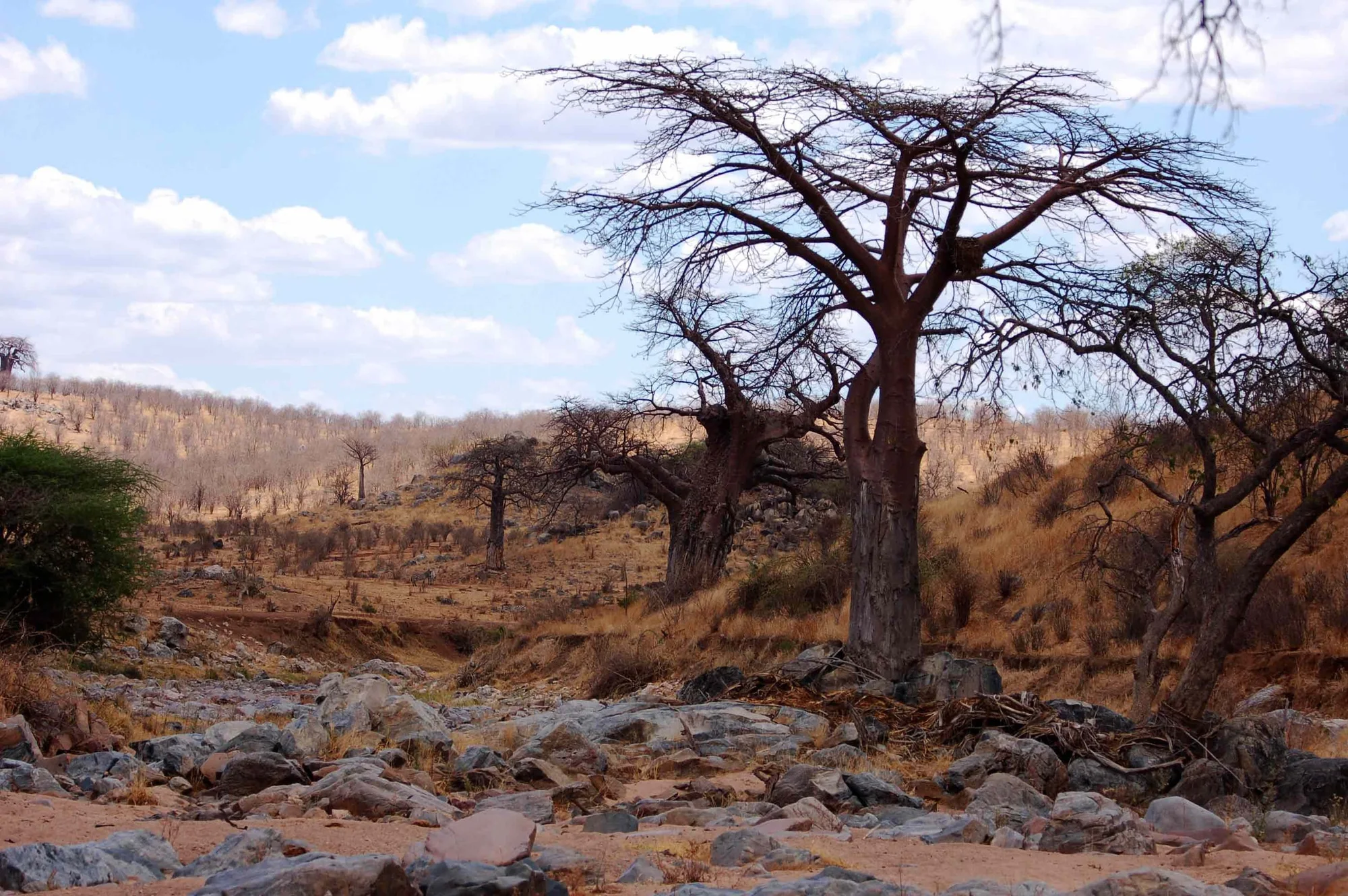
In many ways, Tanzanian history is the history of humankind. Fossils found at Olduvai Gorge, one of the world’s premier archaeological sites, suggest that Tanzania has been settled by hominids for over 2 million years. Iron Age migrations from West Africa were followed by European and Arabian merchants, missionaries and slavers, and by the mid-1800s Zanzibar had become the centre of the East African slave trade. Colonised first by the Germans and then the British, independence came peacefully to mainland Tanganyika in 1961. The addition of Zanzibar in 1964 created the modern state of Tanzania.
Rich in mineral wealth and natural gas, Tanzania’s economy is nevertheless dominated by agriculture, which employs 75% of the workforce and accounts for half the country’s GDP. Tanzania’s main exports include gold, coffee, tea and cotton. But it's tourism, increasing in importance year after year, that is the country’s biggest foreign exchange earner.
Some of Tanzania's 120 ethnic groups make up the African population, with a significant numbers of Asians, Arabs and Europeans too. Even with this mix of identities, Tanzania has long promoted a harmonious national culture, one that is based on a subtle but strong social code of courtesy and respect. English and Swahili are the official languages.
Lying between the two arms of the Great Rift Valley, Tanzania’s huge central plateau is bounded on the west by Africa’s great lakes, the north by mountains (including Kilimanjaro, Africa’s highest peak) and the Indian Ocean in the east. Most of the country is covered in grassland, open woodland and savannah, but significant pockets of rainforest exist in remote mountain ranges.
Home to 20% of Africa’s large mammals, Tanzania is one of the continent’s premier game viewing destinations. More than 25% of the country is given over to conservation and several Tanzania animal reserves rank among the biggest in the world. Most visitors head for northern Tanzania, where the most famous and accessible animal reserves are. But it's in south and central Tanzania where you'll find huge, virtually unvisited savannah and rainforest reserves that deliver genuine off-the-beaten-track safaris.
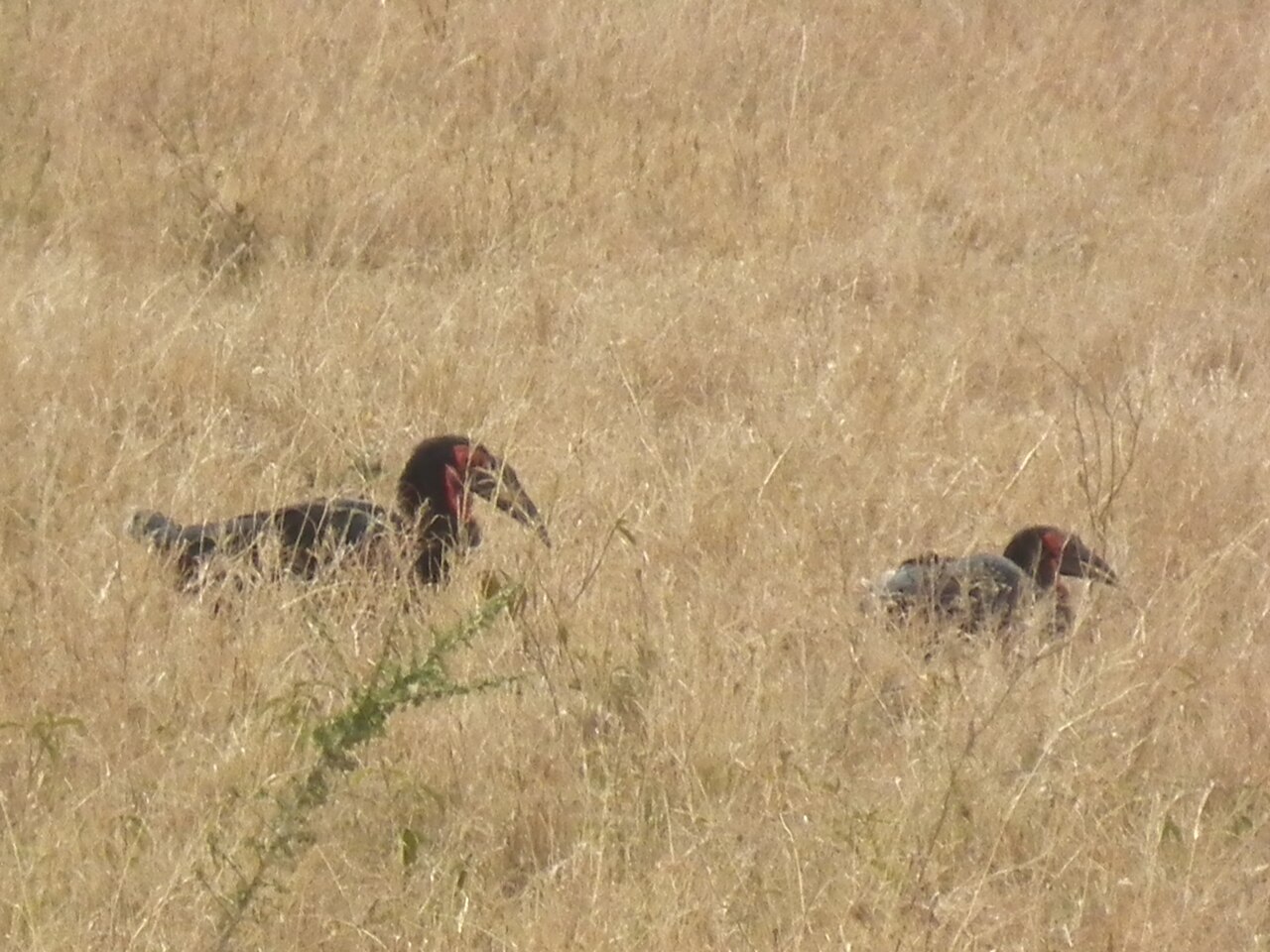
Our tried-and-tested Tanzania itineraries deliver once-in-a-lifetime experiences. Naturally, most of our Tanzania tours and safaris focus on the country’s fantastic parks and reserves like the Serengeti and Ngorongoro Crater. But we also have a great selection of tours to Tanzania’s lesser known yet underrated reserves like Nyerere (previously Selous) and Ruaha. Plus, the exotic Zanzibar and other Indian Ocean islands offer fabulous beach resorts. We recommend getting the best of both: combining a luxury Tanzania safari and a tropical beach getaway – it's straightforward and easy to arrange.
Tanzania offers a wide range of safaris for both first timers and seasoned campaigners. The ease with which a child-friendly safari can be combined with a beach holiday makes Tanzania a shoo-in for families, while the country’s most exclusive and luxurious safari lodges and beach retreats make for an unforgettable honeymoon in Africa. More and more lodges now offer vegetarian and vegan meals to accommodate those with special dietary requirements. And many camps are diversifying their ranges of safari activities.
Browse our recommended Tanzania safari itineraries below or simply get in touch with one of our Africa Safari Experts to help tailor-make a Tanzania itinerary that matches your travel wishes and budget:
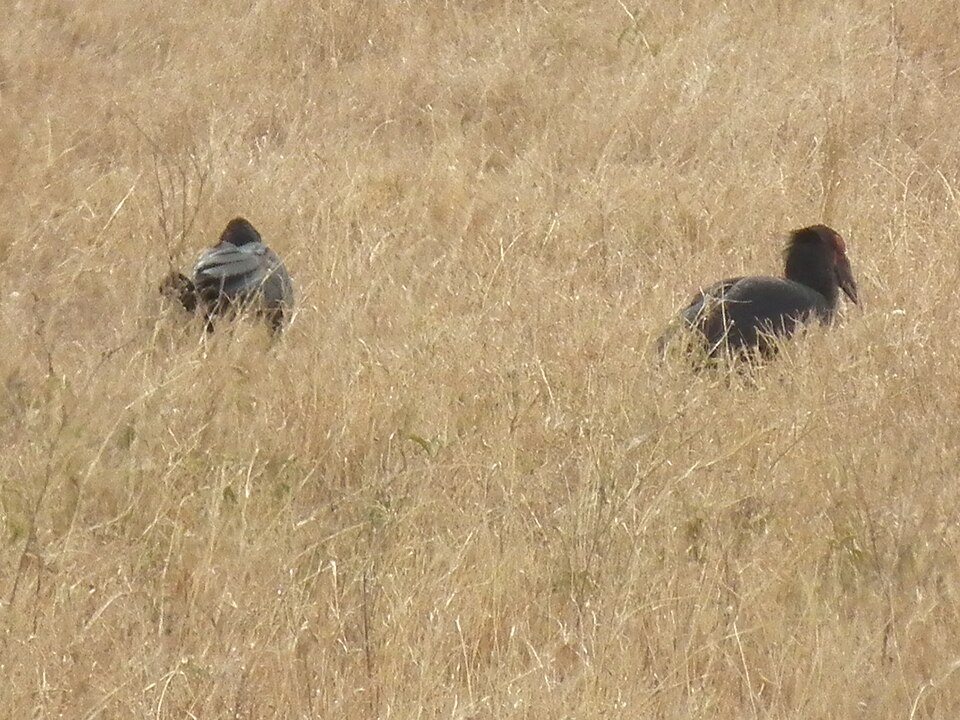
Designed to showcase the wildebeest migration. Excellent Big 5 & wildlife viewing throughout.
Fly-in itinerary – spend more time on safari. Intimate and exclusive tented camps.
Big 5 game sightings and seasonal Wildebeest Migration viewing. Morning and afternoon game drives against Tanzania's dramatic scenery.
Walk the Ngorongoro Crater. Excellent Wildebeest Migration viewing in season.
Remote conservation areas. Tanzania's off-the-beaten track hotspots.
Spot the Big 5 in the breath-taking Ngorongoro Crater. Mobile Wildebeest Migration camp for the Serengeti.
Walking safaris in Tarangire & Serengeti. Excellent game viewing in Ngorongoro Crater.
Visit the Ngorongoro Crater. Experience wildlife viewing on foot.
Stay at luxurious lodges and safari camps. See the Big 5 in famed Ngorongoro Crater.
Luxury safari & beach combination. Witness the spectacle of the Great Migration.
Stay at luxury safari accommodations in private game reserves. Fantastic elephant sightings in Tarangire.
Remote & pristine locations. Extraordinary safari accommodation.
Excellent Big 5 game viewing. Stay in exquisite accommodation throughout.
Safari and beach combination. Day trip to the Ngorongoro Crater.
Excellent Big-5 game viewing in Ngorongoro Crater. Optional hot-air ballooning in the Serengeti.
Luxury safari featuring lavish tented camps. Game drives, guided hikes and walks.
Luxury 5-star accommodation. Relaxing spa treatments.
Designed to showcase the wildebeest migration. Excellent Big 5 & wildlife viewing throughout.
Designed to showcase the wildebeest migration. Excellent Big 5 & wildlife viewing throughout.
Fly-in itinerary – spend more time on safari. Intimate and exclusive tented camps.
Fly-in itinerary – spend more time on safari. Intimate and exclusive tented camps.
Big 5 game sightings and seasonal Wildebeest Migration viewing. Morning and afternoon game drives against Tanzania's dramatic scenery.
Big 5 game sightings and seasonal Wildebeest Migration viewing. Morning and afternoon game drives against Tanzania's dramatic scenery.
Walk the Ngorongoro Crater. Excellent Wildebeest Migration viewing in season.
Walk the Ngorongoro Crater. Excellent Wildebeest Migration viewing in season.
Remote conservation areas. Tanzania's off-the-beaten track hotspots.
Remote conservation areas. Tanzania's off-the-beaten track hotspots.
Spot the Big 5 in the breath-taking Ngorongoro Crater. Mobile Wildebeest Migration camp for the Serengeti.
Spot the Big 5 in the breath-taking Ngorongoro Crater. Mobile Wildebeest Migration camp for the Serengeti.
Walking safaris in Tarangire & Serengeti. Excellent game viewing in Ngorongoro Crater.
Walking safaris in Tarangire & Serengeti. Excellent game viewing in Ngorongoro Crater.
Visit the Ngorongoro Crater. Experience wildlife viewing on foot.
Visit the Ngorongoro Crater. Experience wildlife viewing on foot.
Stay at luxurious lodges and safari camps. See the Big 5 in famed Ngorongoro Crater.
Stay at luxurious lodges and safari camps. See the Big 5 in famed Ngorongoro Crater.
Luxury safari & beach combination. Witness the spectacle of the Great Migration.
Luxury safari & beach combination. Witness the spectacle of the Great Migration.
Stay at luxury safari accommodations in private game reserves. Fantastic elephant sightings in Tarangire.
Stay at luxury safari accommodations in private game reserves. Fantastic elephant sightings in Tarangire.
Remote & pristine locations. Extraordinary safari accommodation.
Remote & pristine locations. Extraordinary safari accommodation.
Excellent Big 5 game viewing. Stay in exquisite accommodation throughout.
Excellent Big 5 game viewing. Stay in exquisite accommodation throughout.
Safari and beach combination. Day trip to the Ngorongoro Crater.
Safari and beach combination. Day trip to the Ngorongoro Crater.
Excellent Big-5 game viewing in Ngorongoro Crater. Optional hot-air ballooning in the Serengeti.
Excellent Big-5 game viewing in Ngorongoro Crater. Optional hot-air ballooning in the Serengeti.
Luxury safari featuring lavish tented camps. Game drives, guided hikes and walks.
Luxury safari featuring lavish tented camps. Game drives, guided hikes and walks.
Luxury 5-star accommodation. Relaxing spa treatments.
Luxury 5-star accommodation. Relaxing spa treatments.
Priced itineraries that pass through this place. Nights can still change when the quote is drawn up. Nothing is paid until you accept it.
Ask for the rate
Luxury Kilimanjaro Lemosho Climb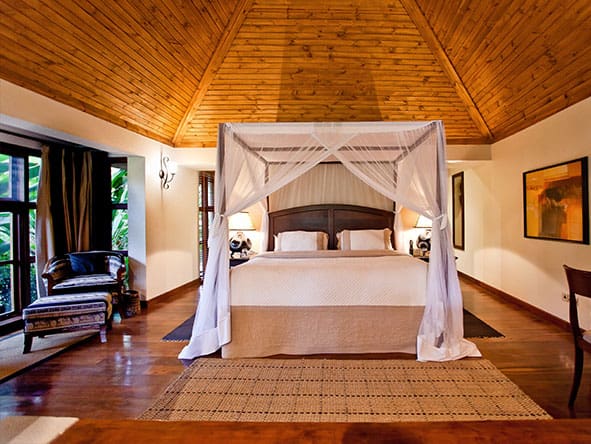 3 days
Morning and afternoon game drives on each full day on safari. Park and permit fees for the places on this route.
Kilimanjaro | Tanzania
From KSh721,910 to KSh1,416,554 pps
5-Day Luxury Serengeti Safari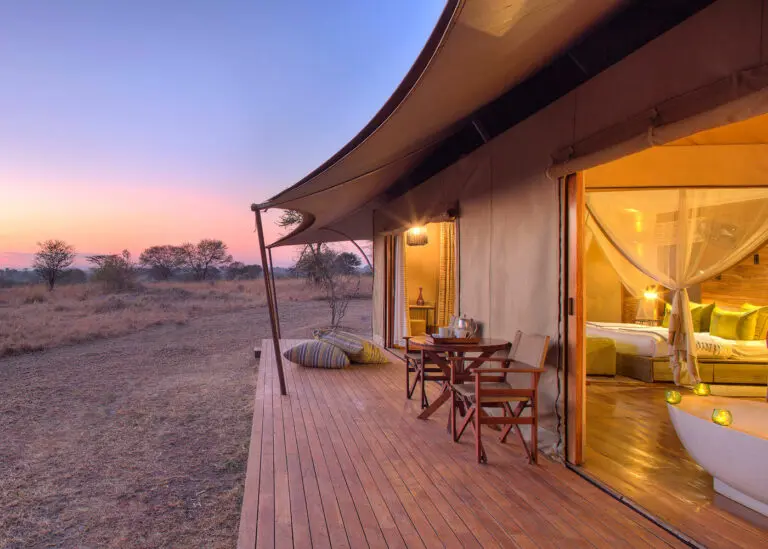 5 days
Game drives set around the month you travel. Morning and afternoon game drives.
Serengeti | Tanzania
From KSh410,294 to KSh681,660 pps
5 Day Comfortable Serengeti Safari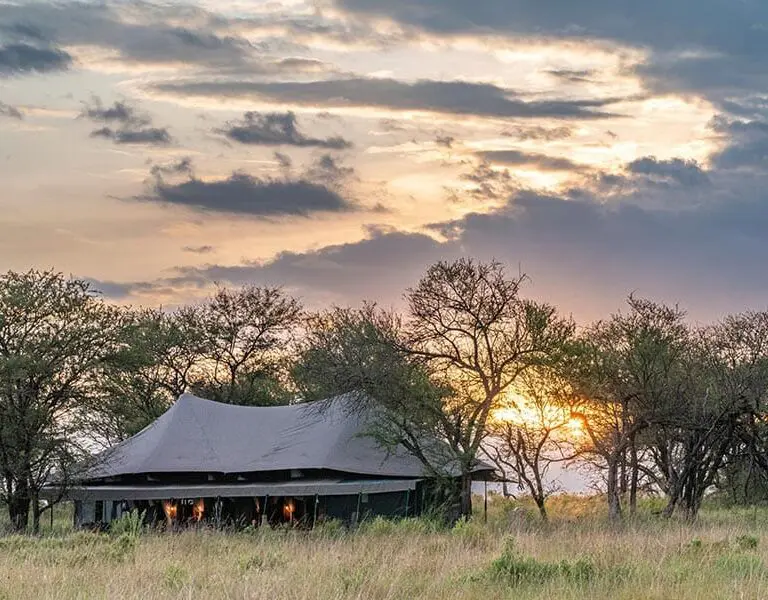 5 days
Game drives set around the month you travel.
Serengeti | Tanzania
From KSh116,856 to KSh259,680 pps
Family Zanzibar Beach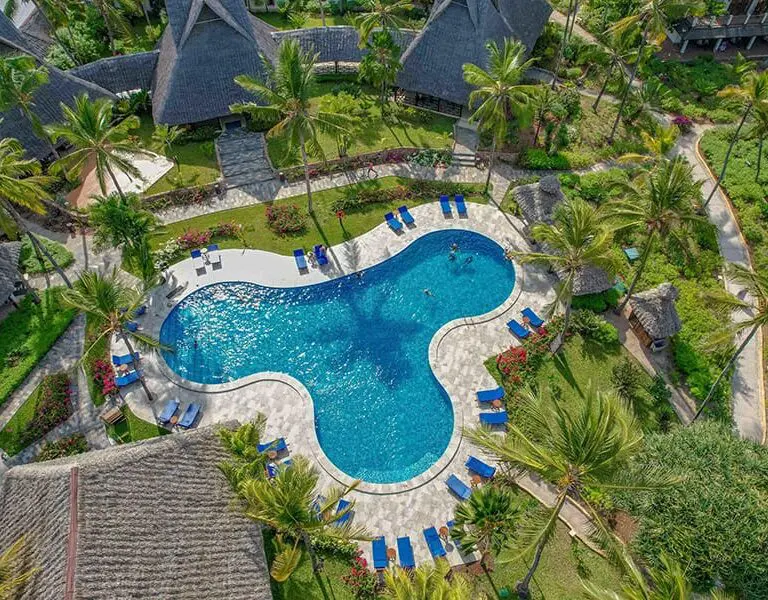 6 days
Morning and afternoon game drives on each full day on safari. Park and permit fees for the places on this route.
Tanzania | Zanzibar
From KSh798,516 to KSh1,011,454 pps
7-Day Tanzania Family-Friendly Migration Safari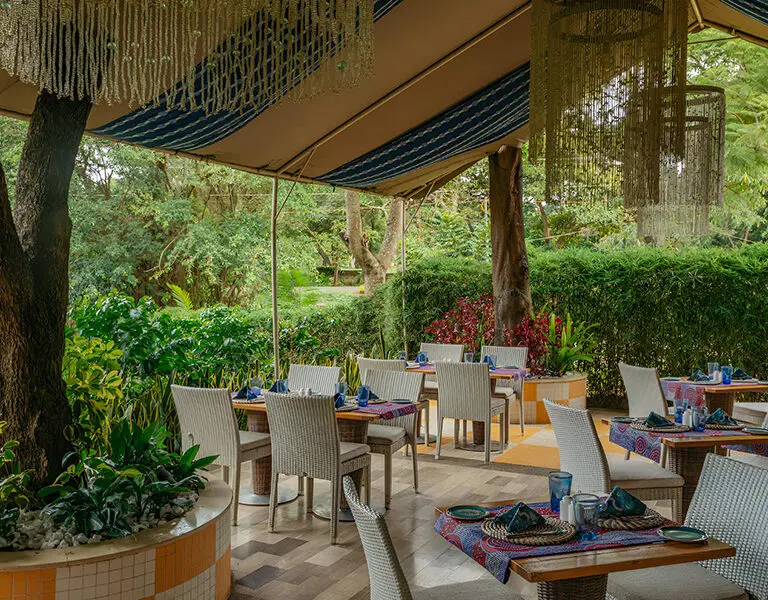 7 days
Morning and afternoon game drives.
Arusha | Ngorongoro Crater | Serengeti | Tanzania
From KSh945,235 to KSh1,362,022 pps
7-Day Northern Tanzania Family Safari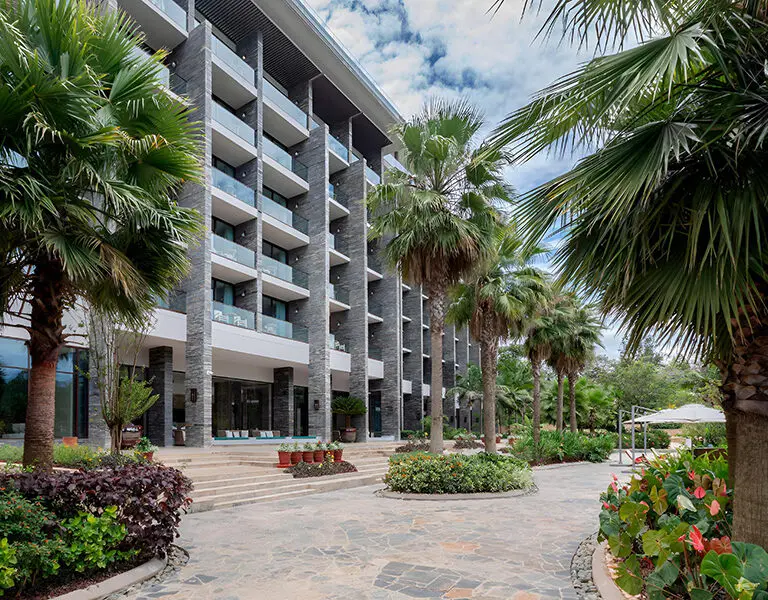 7 days
Morning and afternoon game drives on each full day on safari. Park and permit fees for the places on this route.
Arusha | Ngorongoro Crater | Northern Serengeti | Tanzania
From KSh654,394 to KSh797,218 pps
Tanzania's Best Value Migration Safari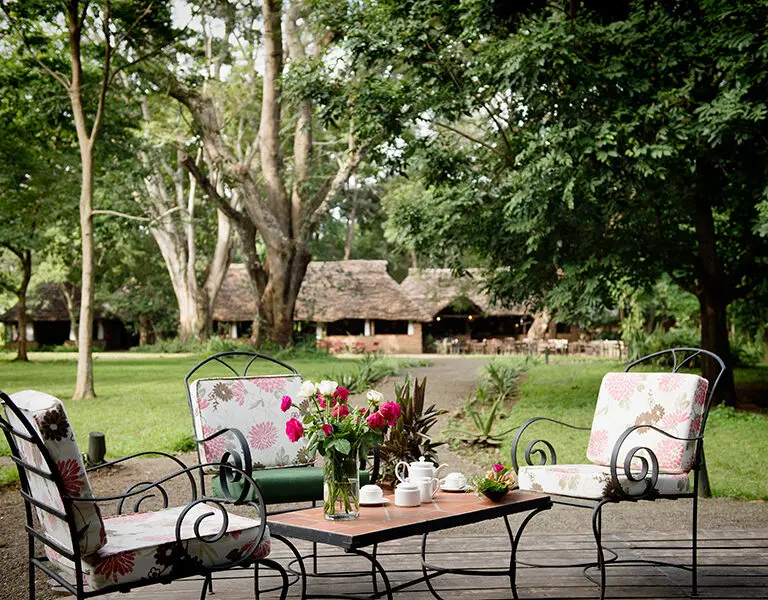 7 days
Game drives set around the month you travel.
Arusha | Ngorongoro Crater | Serengeti | Tanzania | Tarangire
From KSh1,546,394 to KSh2,111,198 pps
Tanzania's Mnemba Private Island 7 days
Morning and afternoon game drives on each full day on safari. Park and permit fees for the places on this route.
Tanzania | Zanzibar
Home to the Serengeti National Park, Ngorongoro Crater and a host of other superb parks and reserves, Tanzania is one of Africa’s classic safari destinations. And its accommodation options reflect this: luxury safari lodges, remote tented camps and popular safari hotels make up most of our recommendations.
Our selection of Tanzania accommodation showcases both luxury lodges and more affordable safari camps, ensuring that everyone gets a taste of this fascinating and diverse country. Tanzania also has some of East Africa’s most exceptional and indulgent accommodation – think private safari villas set in the most incredible wilderness locations.
Browse our favourite Tanzania accommodations below or simply get in touch with one of our Africa Safari Experts to help you find the one that's right for you:
Filter Your Results
82 stays. The rate is per person sharing.
From KSh1,030,930 to KSh2,747,414 pps
Arusha, TanzaniaConservation projects | Cultural visits | Bush dining | Bird watching | Picnics | Jogging trails
From KSh622,583 pps
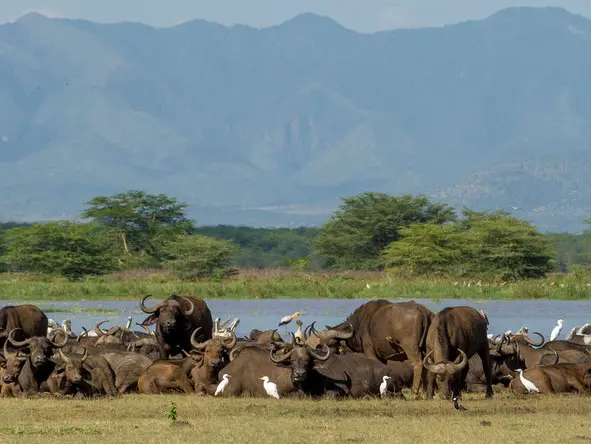 Arusha, Tanzania
Cultural visits | Bush dining | Bird watching | Cooking lessons | Boat excursions | Canoeing
From KSh1,456,805 pps
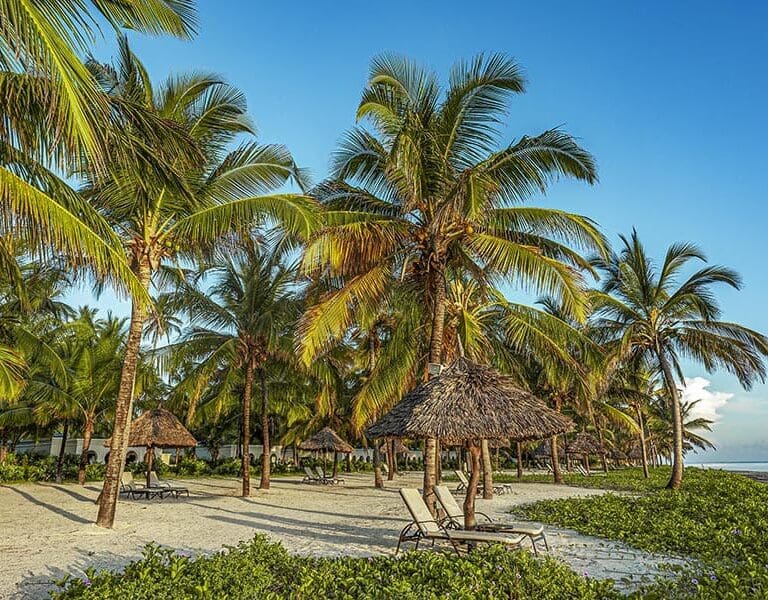 Zanzibar, Tanzania
Boat excursions | Cultural visits | Sailing | Kayaking | Wind-surfing | Kite surfing
From KSh116,856 pps
Zanzibar, TanzaniaCultural visits | Sailing | Kayaking | Stand-up paddle boarding | Surfing | Scuba diving
From KSh2,120,287 pps
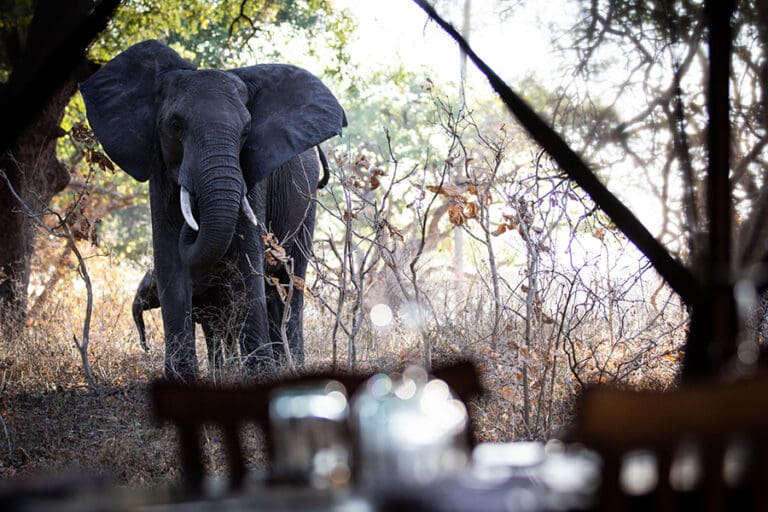 Katavi National Park, Tanzania
Game drives | Guided walking safaris | Specialist guides | Star gazing | Bush dining | Bird watching
From KSh2,090,424 to KSh3,669,278 pps
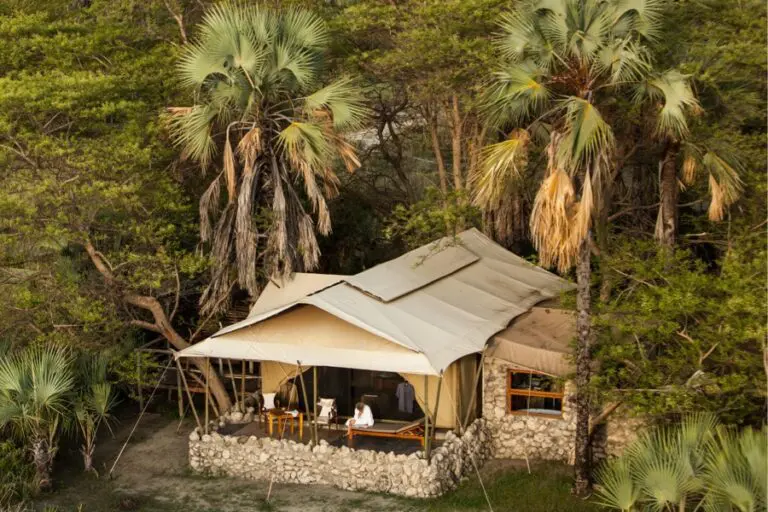 Tarangire, Tanzania
Night drives | Game drives | Private vehicle with driver | Guided walking safaris | Specialist guides | Cultural visits
From KSh1,306,190 pps
 Dar es Salaam, Tanzania
Bush dining | Bird watching | Picnics | Boat excursions | Fishing | Spa treatments
From KSh1,217,899 to KSh2,326,733 pps
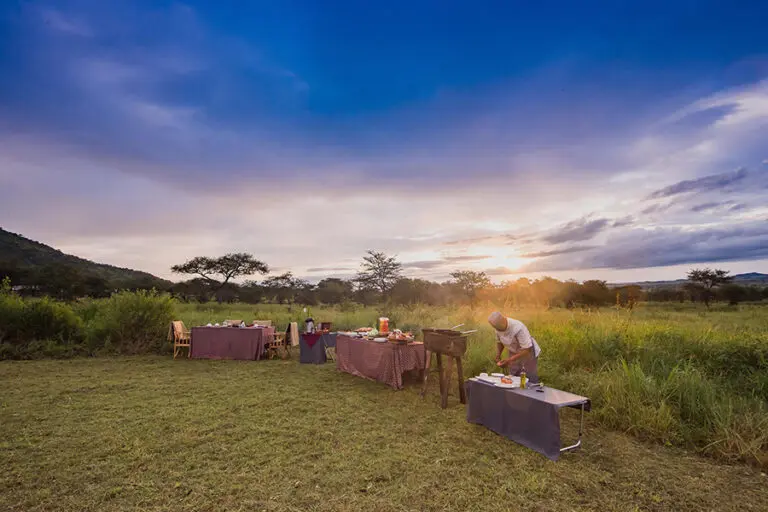 Serengeti, Tanzania
Night drives | Game drives | Private vehicle with driver | Guided walking safaris | Specialist guides | Cultural visits
From KSh3,804,312 pps
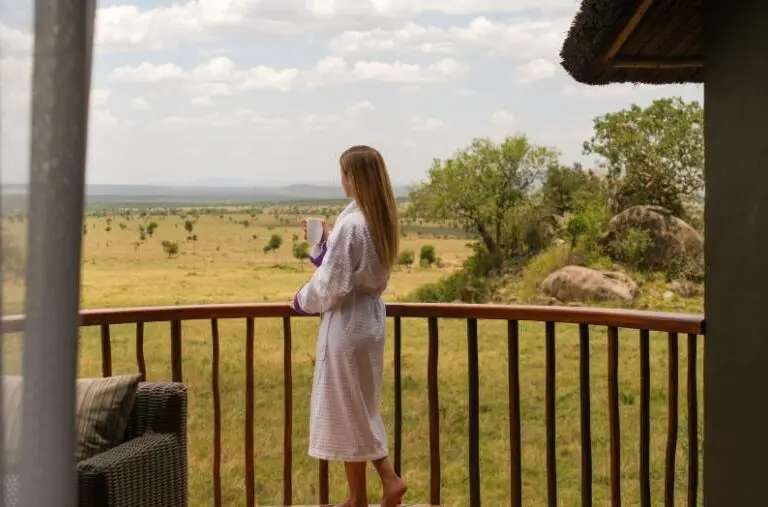 Serengeti, Tanzania
Game drives | Guided walking safaris | Conservation projects | Bush dining | Bird watching | Private dining experience
From KSh1,152,979 to KSh1,729,469 pps
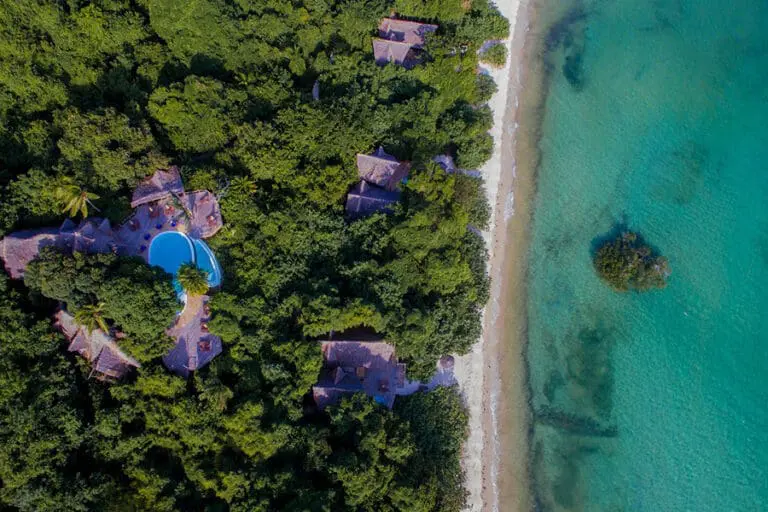 Pemba Island, Tanzania
Cultural visits | Historical tours | Bird watching | Picnics | Boat excursions | Fishing
From KSh798,516 to KSh2,999,304 pps
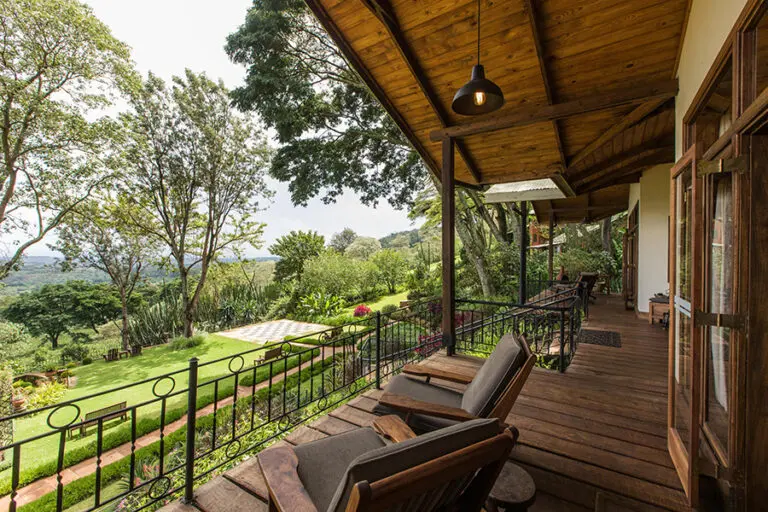 Ngorongoro Crater, Tanzania
Cultural visits | Full-day safaris | Game drives | Guided walking safaris | Star gazing | Bush dining
From KSh798,516 to KSh1,623,000 pps
Arusha, TanzaniaCultural visits | Bush dining | Bird watching | Private dining experience | Jogging trails | Spa treatments
Tanzania is one of Africa's top safari destinations, home to world-famous parks like the Serengeti and Ngorongoro Crater, and experiences such as witnessing the Great Wildebeest Migration. The cost of a safari in Tanzania can range from moderately priced group tours to ultra-luxurious private experiences, depending on factors such as accommodation, time of year (the best time to visit Tanzania is during the dry season), and how you choose to travel between destinations.
The Great Wildebeest Migration, one of the most spectacular wildlife events on Earth, also influences pricing – safaris during peak migration months tend to be more expensive. Below, we break down the cost of a Tanzania safari, including different safari types, varying Tanzania accommodation, and additional costs to consider.
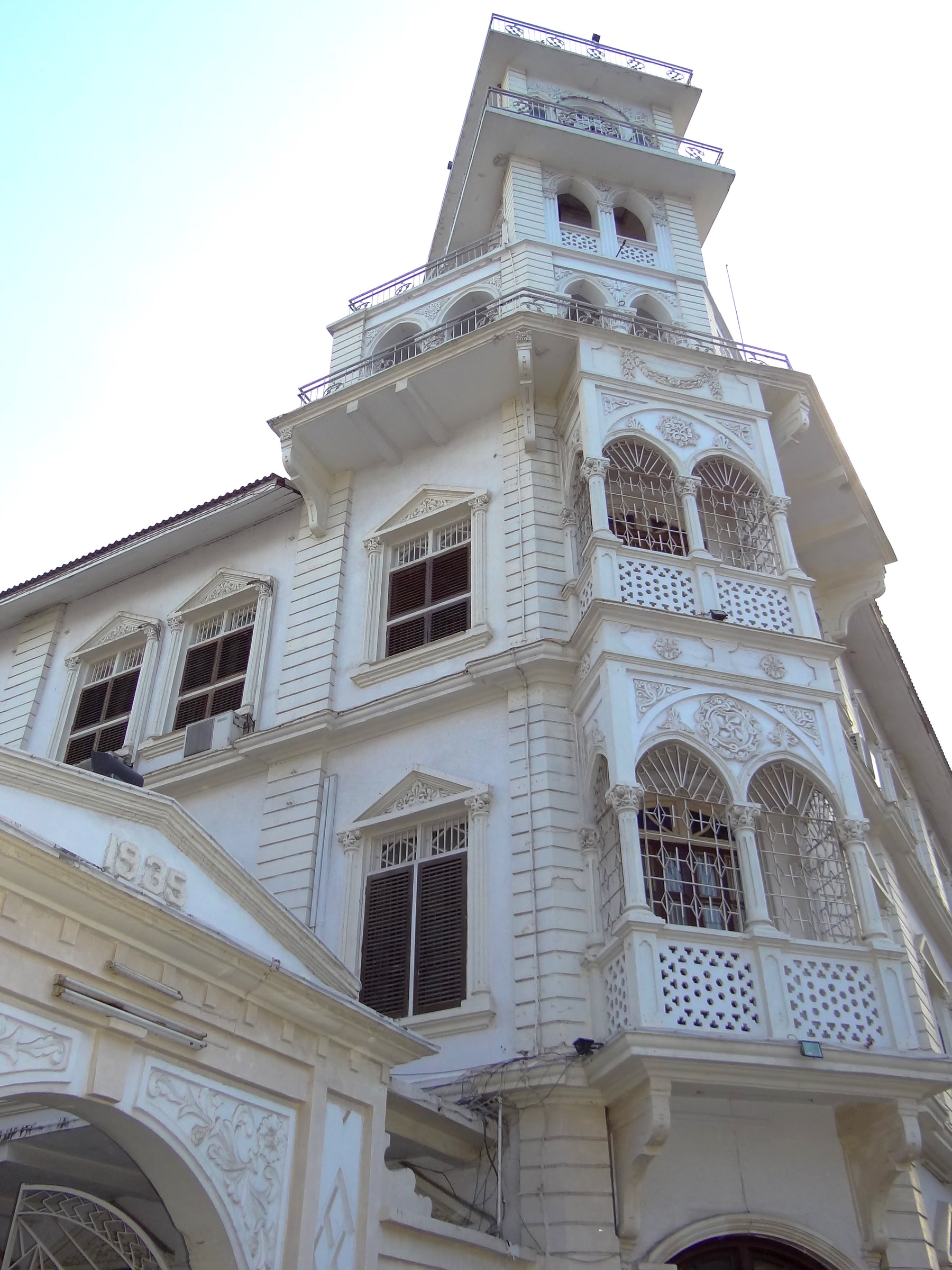
The type of safari you choose greatly impacts the cost. Factors including group size, mode of transport (vehicles and aircrafts used), and the level of exclusivity all determine pricing. While the average trip to Tanzania lasts around 12 days, the duration of your stay can vary based on the activities you choose; the number of national parks or conservations, key attractions you want to see, and the level of comfort you desire.
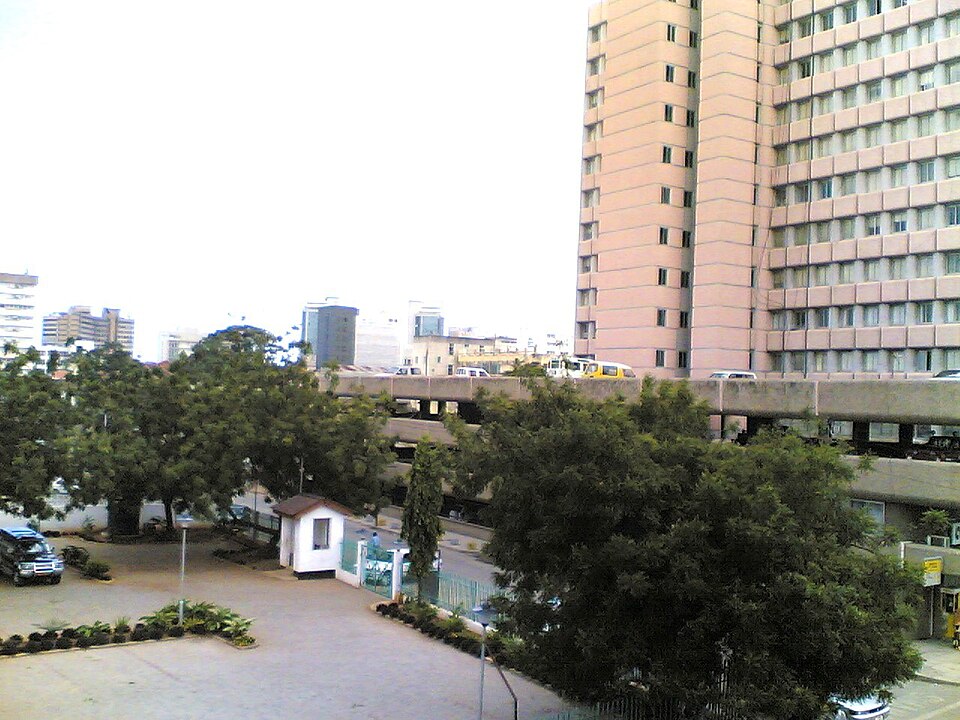
A Tanzania safari typically ranges from $1,100 to $3,300 per person per night based on double occupancy, depending on the type of experience, accommodation, and season. Fly-in options fall between $1,650–$2,750. Luxury fly-in safaris and 5-star options reach up to $3,300. Costs increase during the Great Wildebeest Migration and peak travel months, and vary based on transport choices, lodge category, and optional extras like private vehicles.
| Mid-range Fly-in |
Luxury Fly-in |
Entry Level Driving Safari | Mid Range Driving Safari | Luxury Driving Safari | 5 Star Options | ||||||
|---|---|---|---|---|---|---|---|---|---|---|---|
| Low | High | Low | High | Low | High | Low | High | Low | High | Low | High |
| KSh214,270 pps* | KSh242,840 pps* | KSh272,705 pps* | KSh357,115 pps* | KSh99,990 pps* | KSh114,275 pps* | KSh114,275 pps* | KSh142,845 pps* | KSh142,845 pps* | KSh214,270 pps* | KSh257,120 pps* | KSh428,535 pps* |
Tanzania offers a wide range of accommodation and safari experiences, from budget-friendly to high-end luxury lodges. Itineraries can be tailored to suit different budgets and preferences. These rates are calculated ranges per person sharing in a double or twin room:
| 4-star comfort | 4-star luxury | 5-star luxury | |||
|---|---|---|---|---|---|
| Low | High | Low | High | Low | High |
| KSh85,705 pps* | KSh122,070 pps* | KSh142,845 pps* | KSh214,270 pps* | KSh199,985 pps* | KSh314,260 pps* |
*All the costs in this blog are guidelines only and an average for per person, per night, sharing a room in High and Low Season. They exclude international flights, visas and optional activities.
**This refers to guided driving in a safari vehicle, and not self-drive.
Please note that conservation fees, levies, and permits are all subject to change. Peak or high season generally runs over Christmas and New Year, and from about July to October.
The cost of a Tanzania safari is closely tied to the time of year, with peak seasons – from January to early March and June to October – typically being the most expensive. These months offer exceptional game viewing and coincide with major wildlife events like the Great Wildebeest Migration, especially from May to October, when herds cross the Serengeti's Grumeti and Mara Rivers.
In contrast, the low and shoulder seasons - from mid-March to May and again in November to early December – bring seasonal rains, which can deter some travellers. However, they offer significantly lower prices, fewer crowds, and still rewarding wildlife experiences. Since Tanzania safari packages and tours operate year-round, your travel window can be tailored to your budget and the wildlife spectacles you most want to witness.
It’s important to note that ‘all-inclusive’ may not be as comprehensive as you first expect. In Africa, and on safaris, that can mean a range of things and it’s always worth clarifying what is not included. One of the first things to do is consult our blog on visa free African countries for US citizens as that may tick off one of the boxes regarding associated costs already. What possible additional costs could you come across? Have a look at our list below:
Planning and understanding these potential costs will help you budget more accurately for an unforgettable Tanzanian adventure.
As with any destination, your budget will shape your safari experience. While high-end lodges and private safaris offer unparalleled luxury, mid-range and budget options still provide incredible wildlife encounters and ample comfort. The key is to discuss your preferences with your Africa Safari Expert to ensure you get the best safari experience within your budget.
Places
Safari Kenya Tanzania is a planning note from Safari Continents Travel. It sits beside the destination guides for Tanzania, Kenya. Published trip prices are a guide. You receive a quote before anything is paid.
Places
Tanzania Southern vs Northern Circuit Safari is a planning note from Safari Continents Travel. It sits beside the destination guides for Tanzania. Published trip prices are a guide. You receive a quote before anything is paid.
Places
Go Off the Beaten Path in Tanzania is a planning note from Safari Continents Travel. It sits beside the destination guides for Tanzania. Published trip prices are a guide. You receive a quote before anything is paid.
Places
Safe Tanzania Travel is a planning note from Safari Continents Travel. It sits beside the destination guides for Tanzania. Published trip prices are a guide. You receive a quote before anything is paid.
Camps, lodges and beach hotels we already plan here. Filter by who is travelling, the activities you want, the stay type and the meal plan.
Browse Tanzania stays