
From KSh798,516 to KSh2,999,304 pps
Gibb's Farm
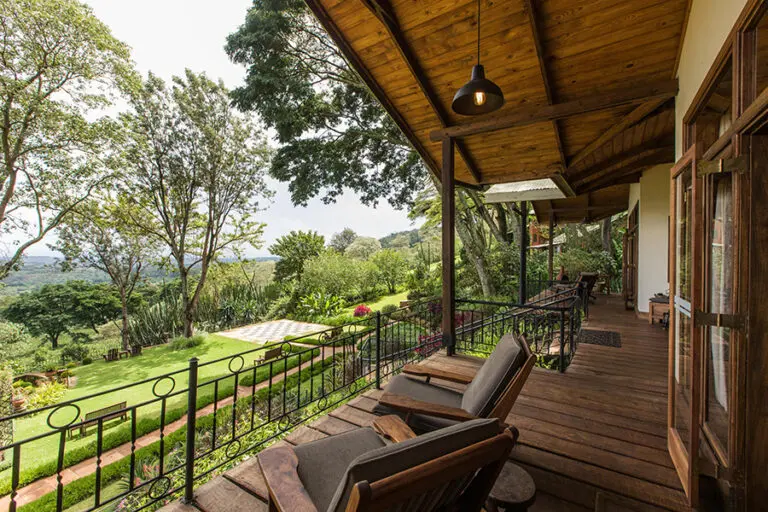 Ngorongoro Crater, Tanzania
Activities travellers enjoyed
Cultural visits | Full-day safaris | Game drives | Guided walking safaris | Star gazing | Bush dining
HomeDestinationsNgorongoro Crater
Ngorongoro is a volcanic caldera on the way between Arusha and the Serengeti. A day on the crater floor is lion, buffalo, and a real chance of black rhino in a very small area.
Get a quote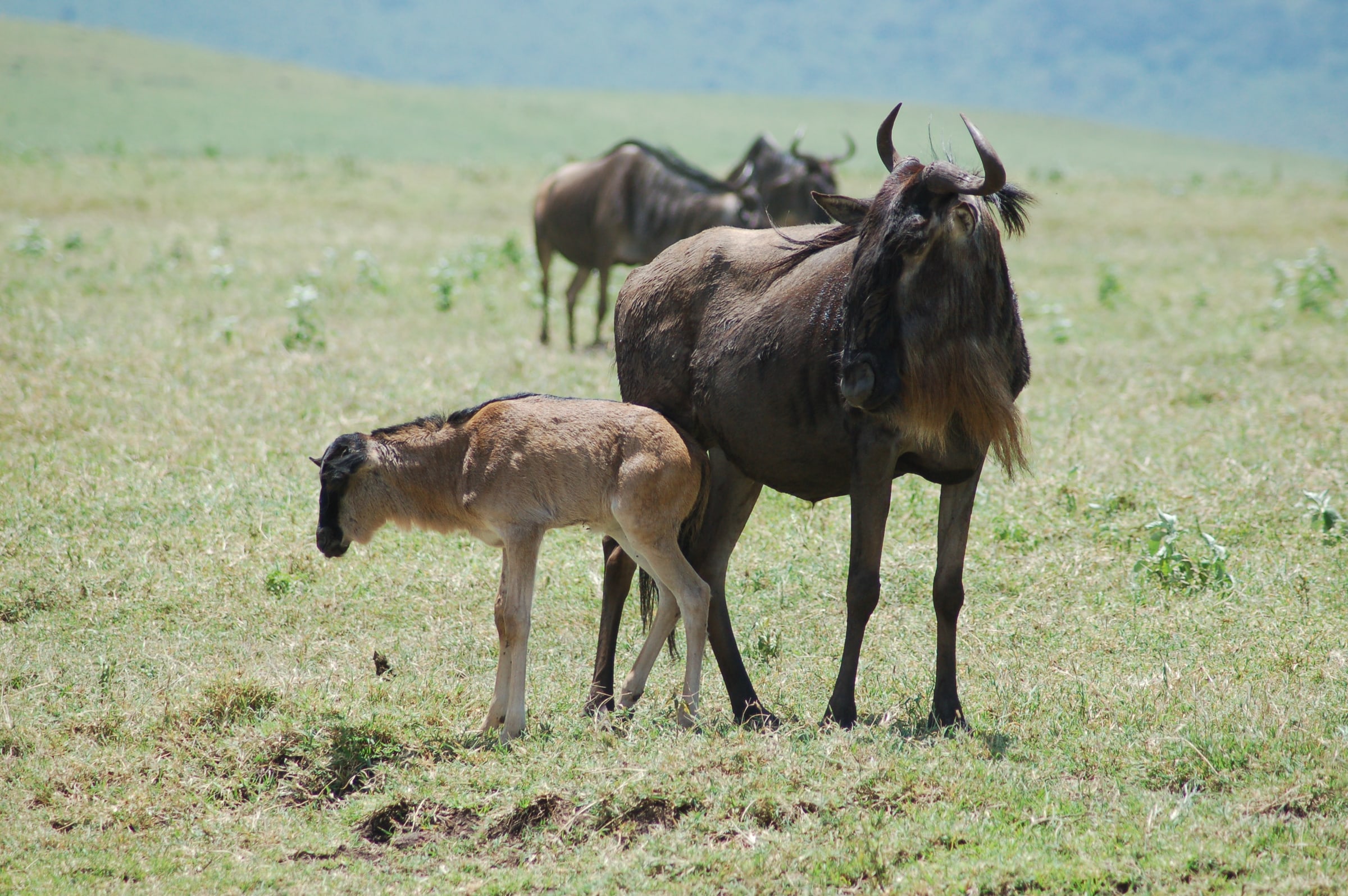
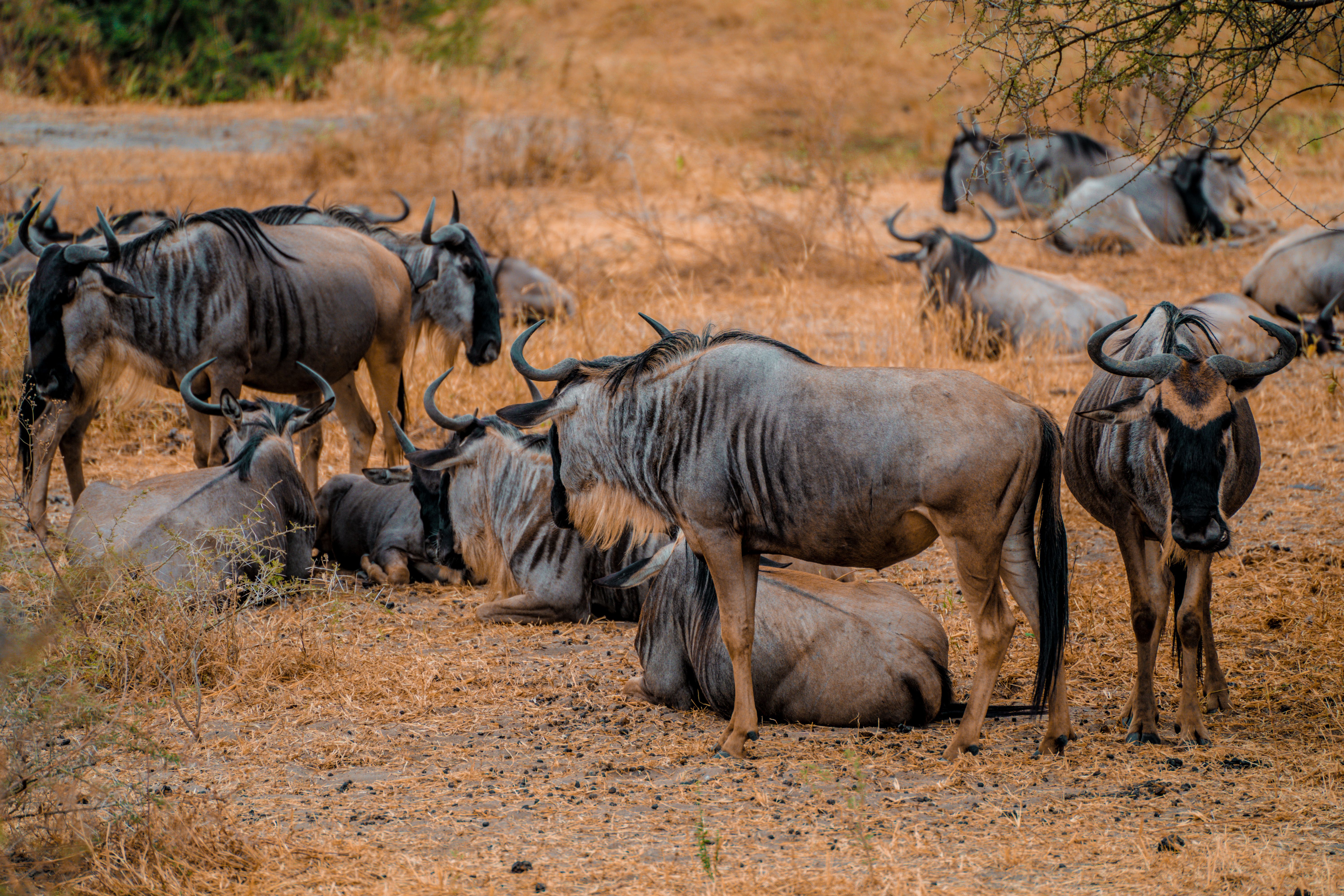
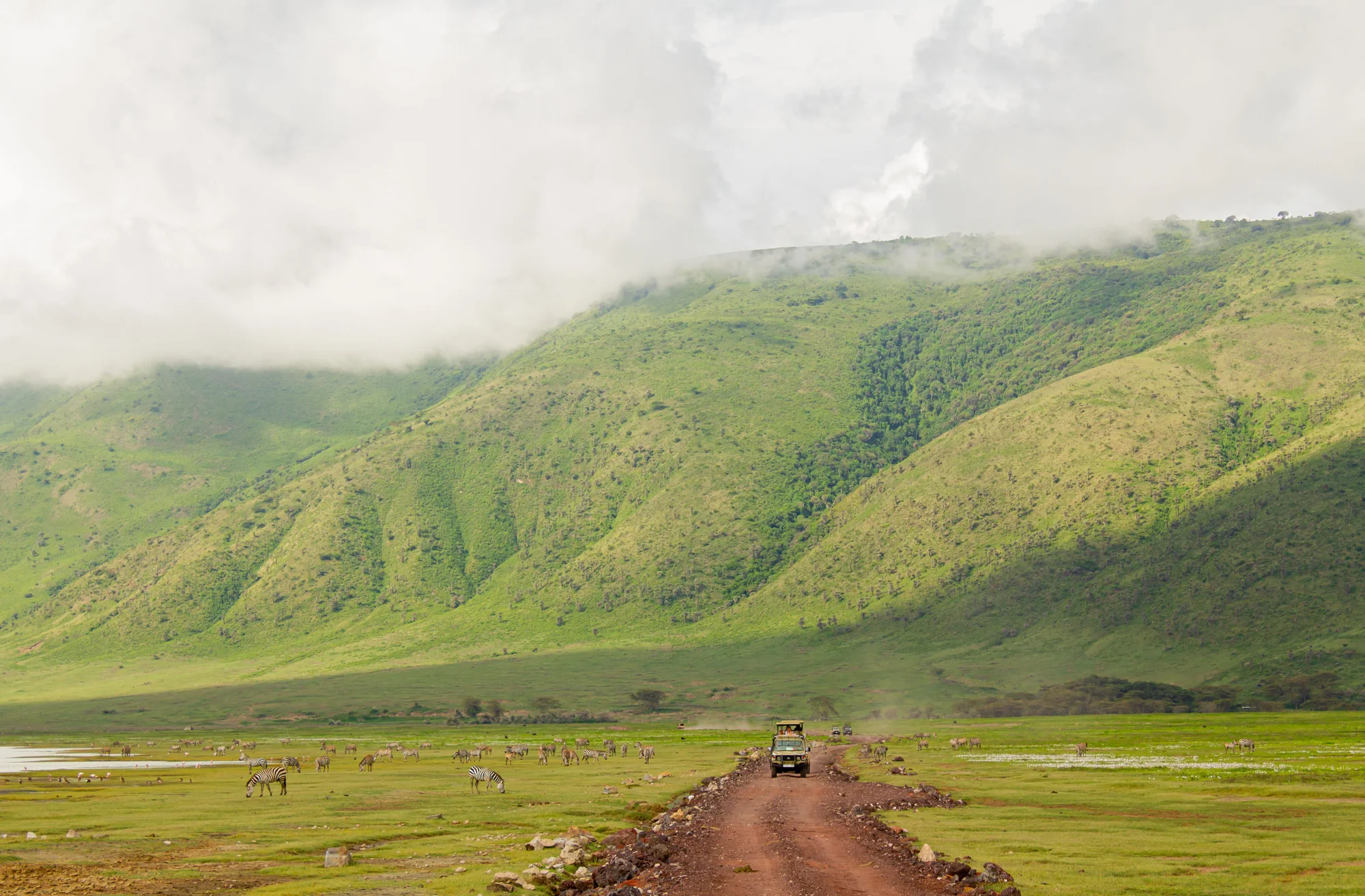
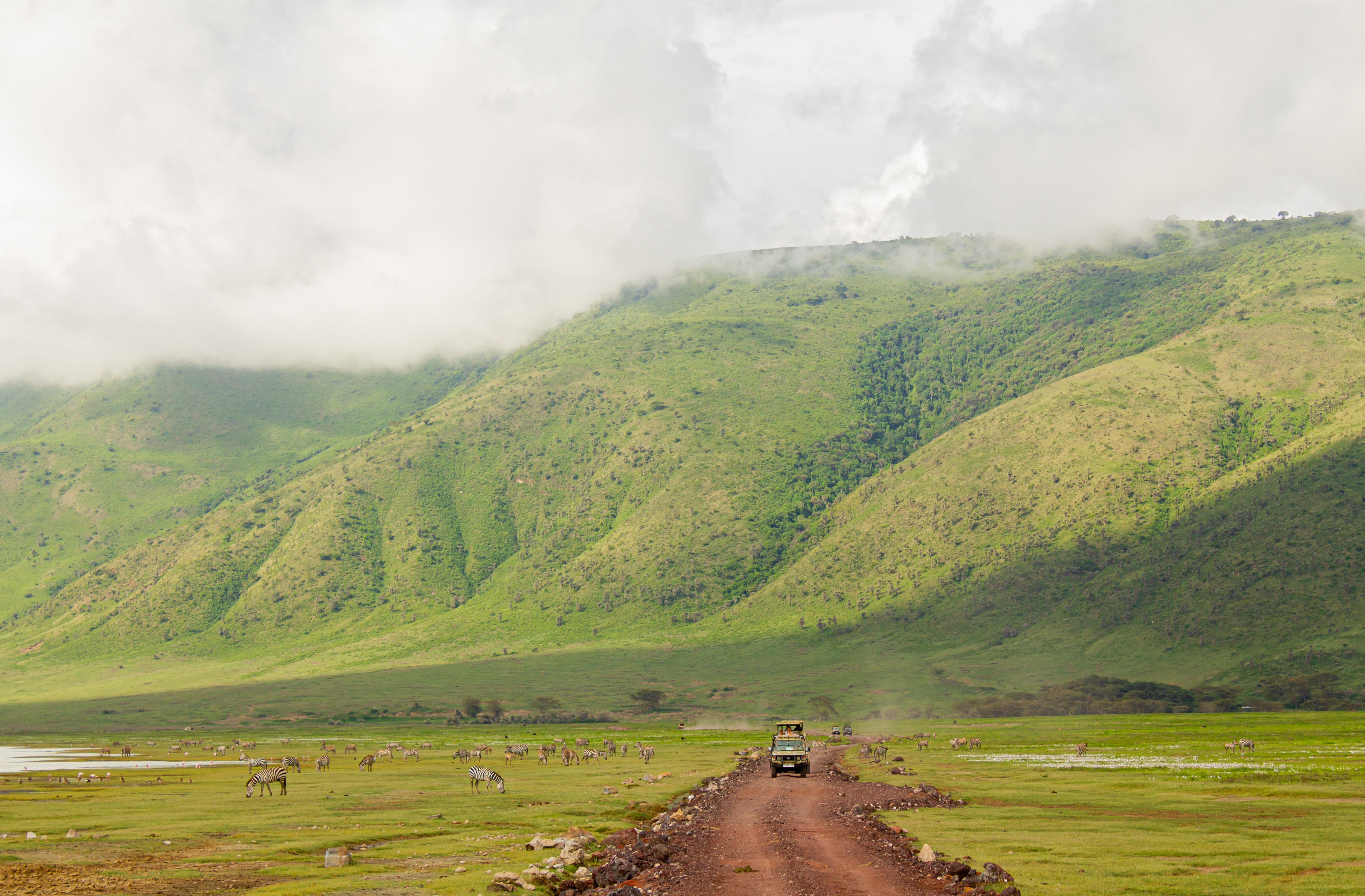
The Ngorongoro Crater in northern Tanzania is often referred to as the “8th Wonder of the World,” and once you reach the crater rim, that description starts to make sense. You're looking into a vast, ancient caldera, the world's largest intact volcanic crater, where open plains, forest and water sources exist within a single basin. The scale is striking, but so is the activity, with wildlife often visible as soon as you arrive, moving across the landscape below.
As you descend into the crater, distances shorten and the experience becomes more focused. On a Ngorongoro Crater safari, you spend less time searching and more time observing, as animals are already present within this naturally contained environment. This concentration of wildlife, combined with varied habitats, creates one of Africa's most rewarding safari experiences.
The wider Ngorongoro Conservation Area extends beyond the crater itself, connecting to the Serengeti ecosystem and surrounding volcanic highlands. For travellers planning a Tanzania safari, Ngorongoro is a true highlight, bringing together wildlife, landscapes and cultural heritage within a single, accessible destination.
The Ngorongoro Crater is one of the few places in Africa where you have an excellent chance of seeing the Big 5 – lion, leopard, elephant, buffalo, and rhino – within a single, compact area.
Within the crater itself, an estimated 25,000 to 30,000 animals move across the plains, supported by permanent water sources and nutrient-rich grazing. What stands out is not just the number of animals, but how present they feel. Sightings begin quickly, and the landscape reveals itself in layers, with herds of wildebeest and zebra grazing in the open, often within view of predators resting nearby.
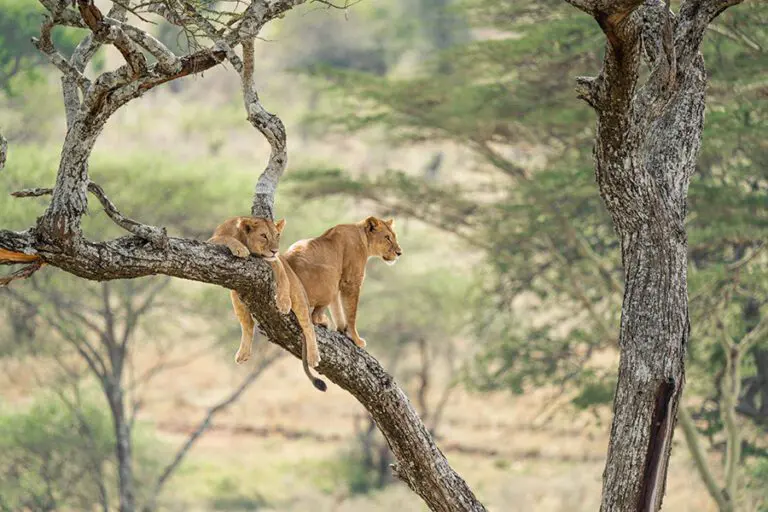
As you spend more time on the crater floor, patterns begin to emerge. Lions rest in the grass before moving between hunting areas, while hyenas patrol wide sections of the plains. It is not about searching across distance, but observing what is already happening around you, a safari experience defined by proximity rather than scale.
You can also explore other destinations in our guide to the best Big 5 safari lodges in Africa.
Although the crater appears enclosed, it is not completely isolated. Over time, animals have moved in and out via natural routes along the rim. The steep walls act as a natural barrier rather than a complete enclosure, limiting large-scale migration but allowing wildlife to establish stable populations within the crater.
This creates a more concentrated safari experience. Rather than searching across vast landscapes, a safari in Ngorongoro Crater often means seeing multiple species within a shorter period.
Some species are not found in the crater. Giraffes are absent because the steep descent and lack of high vegetation make it unsuitable for them. Impalas are also largely missing, likely due to a mix of habitat preference and sustained predator pressure.
In their place, species such as wildebeest, zebra, and Thomson's gazelle dominate the plains, creating a unique balance of predator and prey. It's this balance between landscape and wildlife that defines Ngorongoro, revealing itself more clearly with time.
For seasonal insights, see the best time to visit Ngorongoro Crater.
The Ngorongoro Crater was formed when a large volcano collapsed in on itself over two million years ago. Today, its steep walls rise 2,000 metres above the crater floor, enclosing a landscape where different habitats exist side by side.
As you move across the crater, those shifts become more noticeable. Open plains stretch across the centre, giving way to pockets of forest where elephants and predators find cover. Wetlands and permanent water sources draw hippos and birdlife, while Lake Magadi occasionally fills with flamingos, adding movement and colour to the landscape.
It is this natural structure that defines Ngorongoro. Wildlife and landscape interact within a space that feels both vast and contained, becoming clearer the longer you spend here.
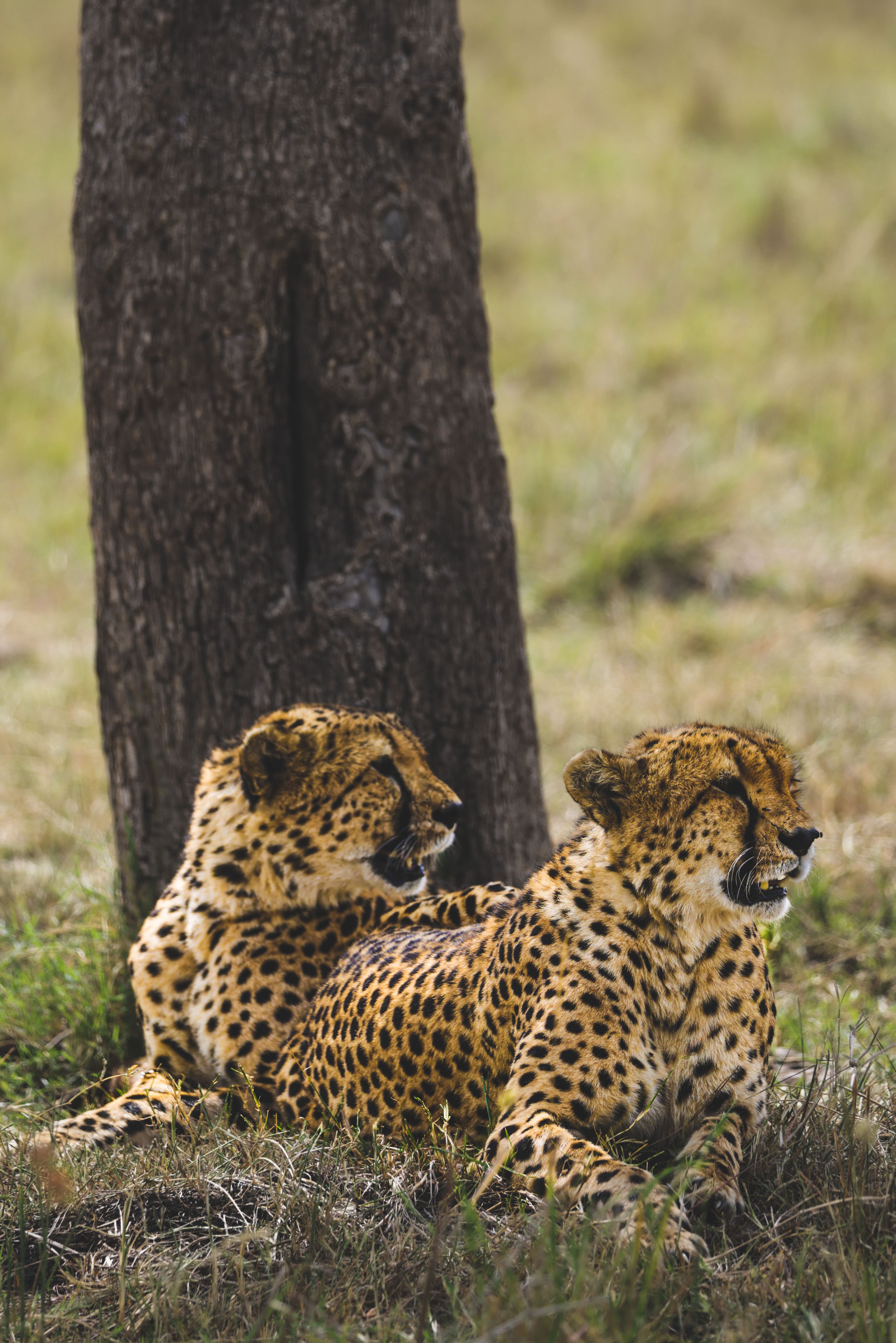
If you're looking for a place where sightings are consistent, the Ngorongoro Crater stands out. As one of East Africa's most concentrated wildlife destinations, less time is spent searching and more time observing. It's not unusual to move between grazing herds and nearby predator activity within a short distance, with elephants crossing open plains and lions resting or moving through the grass.
Predator density is high, particularly among lions and hyenas, which are often seen in areas where prey species are present. While sightings can never be guaranteed, the Ngorongoro Crater remains one of the more reliable places in Tanzania to see the Big 5. Black rhino are among the most sought-after animals to see here. Although elusive, the crater remains one of the best areas in Tanzania for sightings.
Birdlife is an integral part of the Ngorongoro Crater experience, even if it's not always the focus.
More than 500 species have been recorded here, and as you move across the crater floor, they become part of the landscape. Around Lake Magadi, flamingos gather when algae levels are high, forming shifting bands of colour along the water's edge. Across the plains, secretary birds and kori bustards move through the grass, while wetlands attract a constant presence of waterbirds.
Over time, these moments begin to define the experience, with birdlife adding movement, colour and sound to each game drive, often in the spaces between larger sightings.
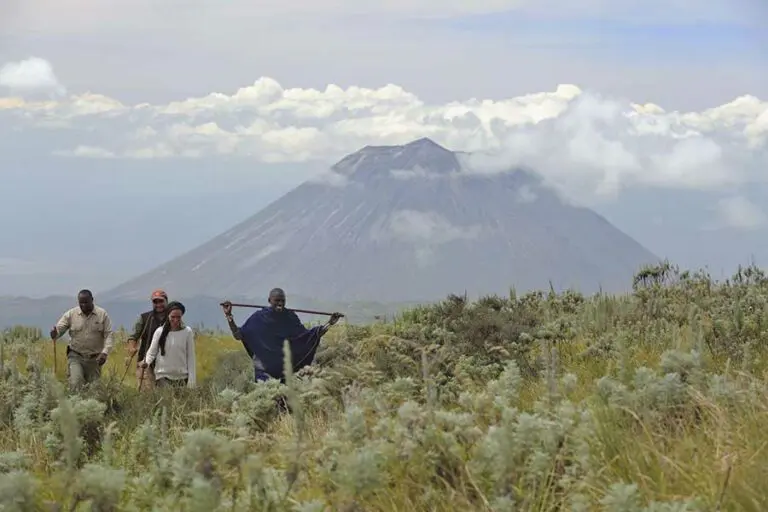
While walking is not permitted on the crater floor, walking safaris in the Ngorongoro Crater are possible along the rim and in surrounding areas such as Olmoti and Empakaai, where the landscape opens in a different way.
These guided experiences take you through the highlands on foot, giving you a closer look at the terrain and its details. With an expert guide leading the way, you begin to uncover a different side of Ngorongoro, one that reveals itself through its geology, wildlife, and long-standing history.
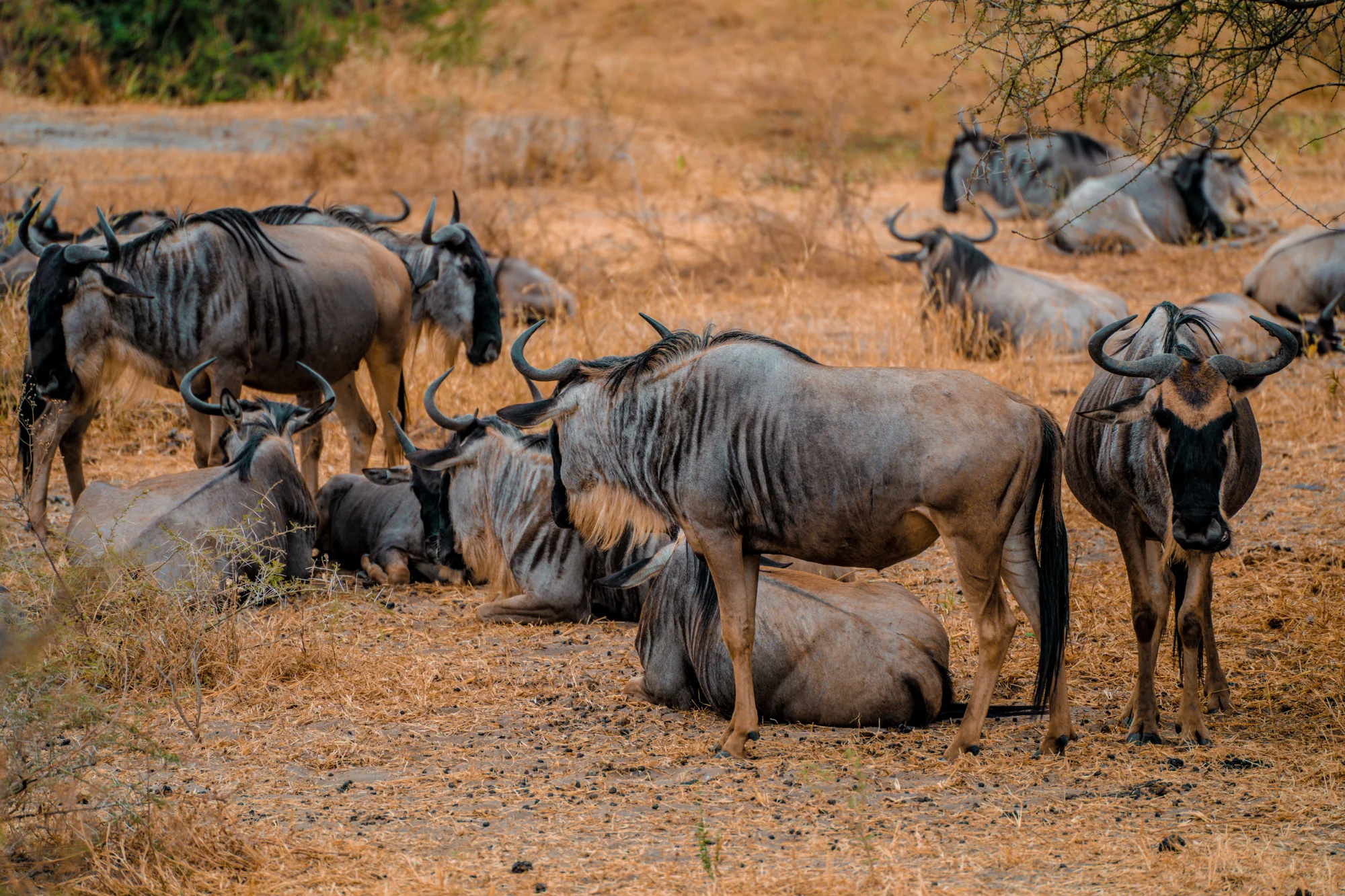
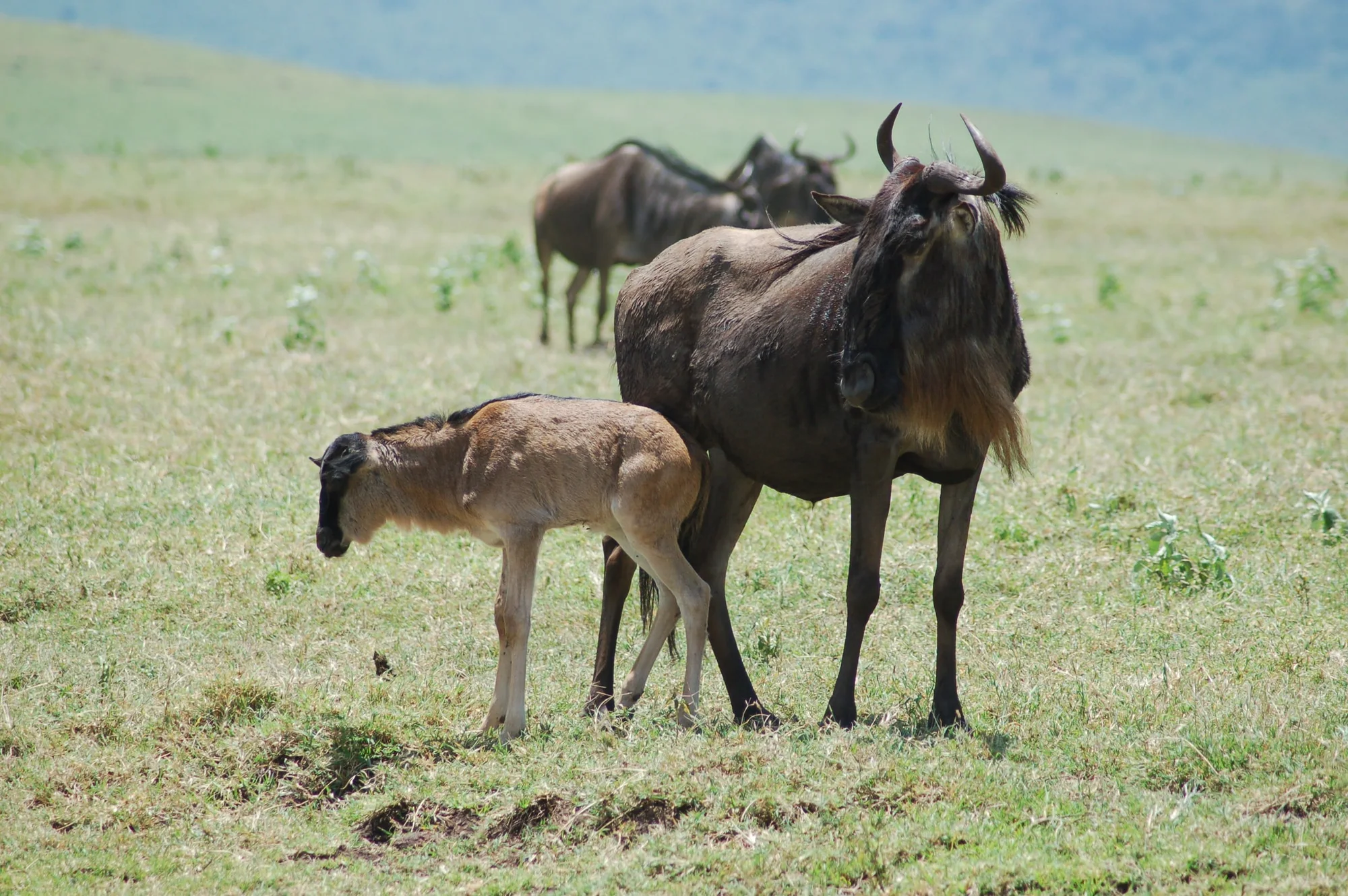
Ngorongoro forms part of the greater Serengeti ecosystem and connects closely to surrounding wildlife areas. To the south, the Ndutu plains play an important role in the Great Migration. During the calving season, usually between January and March, large herds of wildebeest gather here, with thousands of calves born over a short period.
This time brings increased predator activity, particularly among lions and hyenas, adding a different pace and intensity to the region. Within the crater, however, wildlife remains reliable year-round. This contrast between seasonal movement beyond the crater and relative stability within it adds depth to the overall safari experience.
Across the Ngorongoro highlands, wildlife and communities continue to coexist, shaping a landscape that has remained largely unchanged for generations.
The Maasai move with their cattle across these highlands, maintaining traditions that are closely tied to the land. Time spent here gives insight into daily life, not as a staged experience, but as an authentic part of the environment.
Olduvai Gorge, located within the conservation area, has played a vital role in understanding early human development. Over time, this broader context begins to add depth to your experience of Ngorongoro, influencing not just where you go, but how you choose to spend your time here.
You can explore more in our guide to Ngorongoro Crater facts and history.
A day trip to Ngorongoro Crater from Arusha is possible, with a drive of approximately three hours each way. However, staying one or two nights near the crater allows for earlier access and a more relaxed pace.
Early morning descents typically mean fewer vehicles and more time at sightings before the crater becomes busier later in the day. Most travellers spend 2 to 3 days in Ngorongoro, allowing time for at least a crater descent and exploration of the surrounding highlands.
Ngorongoro Crater is typically accessed from Arusha, either by road or air. The drive takes approximately three hours, while fly-in options via Lake Manyara or nearby airstrips shorten travel time and deliver a more direct route.
Ngorongoro connects easily with nearby destinations. The Serengeti is around three to four hours away by road. Other nearby parks include Tarangire National Park, and Lake Manyara, both of which fit well into a northern Tanzania itinerary.
Many travellers also combine Ngorongoro with the Serengeti, Zanzibar or Kenya's Masai Mara depending on the length and style of their itinerary. For more detailed logistics and travel routes, read our Ngorongoro Crater travel advice.
Accommodation around the Ngorongoro Crater ranges from high-end lodges on the crater rim to more remote camps set within the surrounding highlands. Rim lodges provide direct access and uninterrupted views into the crater, while properties further afield have a quieter, more expansive setting, often with walking and cultural experiences included.
There is no accommodation in the crater itself, preserving its natural environment. Explore our full range of Ngorongoro Crater hotels and lodges to find the right option for your safari.
A Ngorongoro Crater safari combines high wildlife density, varied landscapes, and cultural significance within a single destination. Our Africa Safari Experts know the Ngorongoro region in detail and can help plan a crater safari that fits seamlessly into your wider itinerary.
Bird watching
Cultural interactions
Scenery
Wildlife and safari
Although the roads around the caldera can get rather muddy, the best time to visit the Ngorongoro Crater in Tanzania is during the April to May rainy season. There are far fewer visitors this time of the year, and the crater is wonderfully lush and green compared to the dusty dry-season landscape. High visitor numbers can be expected during the July to September peak season, and again during the December to February calving season that follows the November rains.
With Ngorongoro’s wildlife remaining in the steep-walled crater all year round, the question of when to go on Ngorongoro Crater safaris is less about optimising your game viewing experience and more about how many other people and vehicles you want to share the crater with.
January is a great time for visiting the Ngorongoro Crater because it's breeding season for the wildebeest in the area. The herds have what's known as a “mass calving” on the green plains just outside the crater, making for excellent photo opportunities of newborns struggling to get on their feet. The months of January and February fall between the two rainy seasons that the area experiences annually, and these months can offer a dry spell between the ‘short rains' and ‘long rains'.
February is one of the drier months before the rains begin near the end of March in the crater. This is an excellent time for game viewing, especially for predator sightings of lion and hyena preparing to hunt the abundant herds.
March is considered one of the best times to visit the Ngorongoro Crater to avoid the crowds and take advantage of reasonable rates. The ‘long rains' begin to fall near the end of March and continues into April and May, transforming the crater into an emerald paradise.
June is one of the best times to visit the Ngorongoro Conservation Area. The ‘long rains' have come to an end and game drives are relatively less crowded. Peak season for a safari in the Ngorongoro Crater only kicks off towards the end of June or in early July. The cooler weather is also ideal for climbing Kilimanjaro during this month, which is a popular add-on to a Ngorongoro safari.
When visiting the Ngorongoro Crater, July and August fall within peak season and accommodation around the crater is generally quite full during these months. The reason why people flock from all over the world during the dry season is the visibility of wildlife along the barren plains, and their high frequency visits to watering holes. This is when it is commonplace to see the likes of leopard, lion, rhino, buffalo, and elephant all in one day.
September marks the start of spring but still falls under the very popular dry season in the Ngorongoro Conservation Area. The crater can be chilly at this time of year. The dry weather over the past few months leaves parts of the crater floor looking like a dusty bowl and turns the grasslands yellow.
October is a transitional time weatherwise in the Ngorongoro Crater, as the beginning of the month is the height of the long dry season and the ‘short rains' begin just before November.
The Ngorongoro Crater is warm and occasionally wet during November and December. This is the period of the ‘short rains' but the rain occurs in short bursts, usually as afternoon showers that rarely affect safaris. The first migrant birds arrive with the rainfall in November, making this one of the best times to visit the Ngorongoro Crater for birdwatching.
Chat with someone who’s been there. Get in touch with one of our Africa Travel Experts to help tailor-make a trip to the Ngorongoro Crater that’s right for you:
For general information on travelling to Tanzania, visit our Tanzania travel advice page.
Arusha Airport: located just outside the town of Arusha, Arusha Airport is the gateway to the Ngorongoro Crater, Serengeti, Lake Manyara and Tarangire but you’ll need to get there via Kilimanjaro International Airport, located about 50km away.
Kilimanjaro International Airport: fly into Kilimanjaro from Dar es Salaam, Nairobi or directly from Europe and transfer to Arusha Airport but note that international flights often arrive at Kilimanjaro Airport late at night, so an overnight in Arusha is usually necessary.
However, as the Ngorongoro Crater is only a 3.5hr road trip from Arusha, many travellers prefer to make the final transfer to their accommodation at the crater or in the nearby town of Karatu by road. Game drives and road transfers in the Ngorongoro Crater region are conducted in open-sided 4X4s.
Choose your accommodation carefully: lodges on the crater’s rim have out-of-this-world views and the quickest access onto the crater floor but the nearby town of Karatu has a wider range of accommodation and activities.
Prepare to share: at only 260 km² the Ngorongoro Crater gets pretty crowded during the dry seasons, especially around good animal sightings and popular lunch spots. For the lowest visitor numbers in the Ngorongoro Crater, travel during the April to May rainy season.
Bring the kids: the abundance of animals and its many child-friendly lodges means the Ngorongoro Crater is an ideal destination for a family safari.
Wrap up in winter: the Ngorongoro Crater’s geography means that you can expect cold weather between June and August.
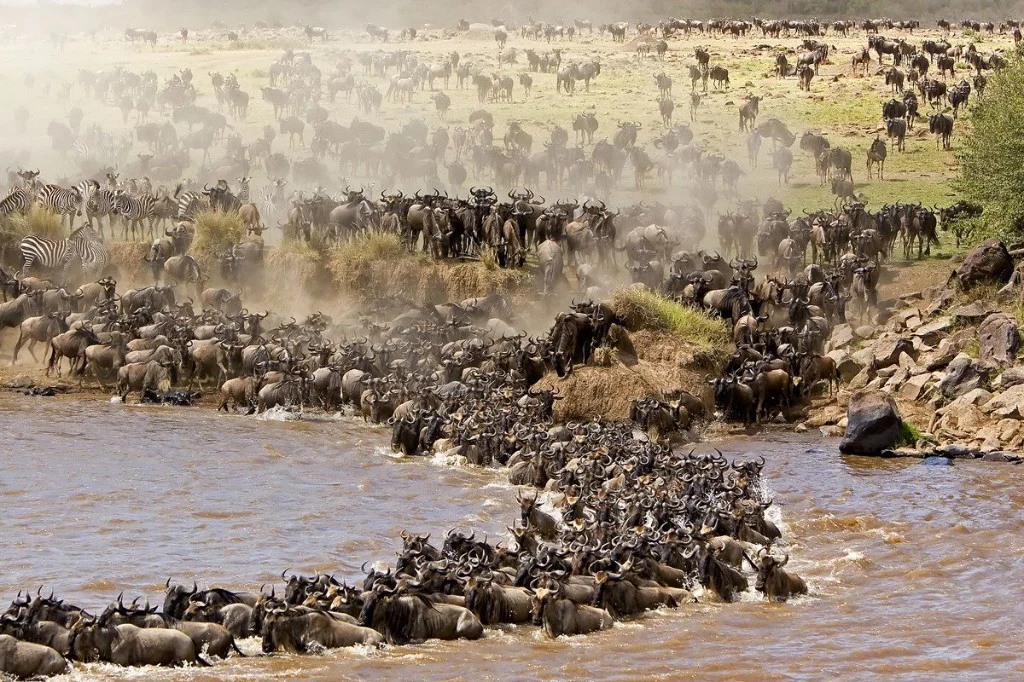
While the Ngorongoro Conservation Area plays a massive role in the Great Migration, specifically the southern Ndutu plains, where millions of wildebeest gather for the calving season between January and March, the actual floor of the Ngorongoro Crater does not witness the migration.
Instead, the crater floor is home to a thriving, permanent population of roughly 25,000 resident animals. Because water and grazing land are abundant year-round within the caldera, these animals have no need to migrate, offering you world-class wildlife viewing regardless of the season.
The crater creates its own fascinating microclimates due to a dramatic shift in altitude. The crater rim sits at a lofty 2,200 meters (7,200 feet) above sea level, where it is often cloaked in cool, atmospheric mist and chilly winds, especially in the mornings and evenings.
As you descend the 600 meters (2,000 feet) down to the caldera floor, the mist clears, the sun breaks through, and temperatures warm up considerably. We always recommend dressing in layers for your crater drive. Start with a warm fleece and a windbreaker for the rim, which you can easily shed as you enjoy the sunny plains below.
The Ngorongoro Conservation Area is unique because it is a dual-use land where wildlife and the traditional Maasai people co-exist. Visiting a local boma (village) is an unforgettable cultural experience, but doing it responsibly is key.
For a respectful and rewarding visit, ask your guide or lodge about locally led community experiences that directly benefit residents. Your guide will brief you on local etiquette, handle the traditional entry courtesies, and help you interact respectfully with the village elders and families.
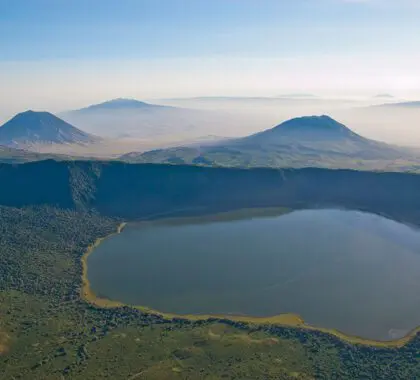
Absolutely, and we highly recommend expanding your itinerary if time allows! The Ngorongoro Highlands are packed with hidden gems. You can take a day trip to the spectacular Empakaai Crater, famous for the deep emerald lake that covers its floor and hosts thousands of pink flamingos.
Alternatively, a visit to the Olduvai Gorge, known as the “Cradle of Mankind”, offers a fascinating look at some of the earliest hominid footprints and fossils ever discovered, making it a must-visit for history and anthropology enthusiasts.
The Ngorongoro Crater is rarely visited in isolation and tends to be part of a larger East African itinerary, combining the wildlife wonders of the Crater itself with the migration spectacle of the Serengeti and the laid-back ambience of Zanzibar’s golden beaches.
Ngorongoro Crater safaris are however truly unforgettable. The Crater is justly famous as being home to perhaps the most concentrated density of wildlife in Africa and offers some of the easiest Big 5 game viewing available.
Ideal for wildlife enthusiasts, families and romantics, our selection of safaris that include the Crater include adventure trips, Kenya and Tanzania combination holidays and Ngorongoro Crater honeymoon itineraries.
Stay at luxury safari accommodations in private game reserves. Presentation from the Tarangire Lion Research Initiative (TLRI) on conservation efforts in the Tarangire.
Privately guided with one of the continent's best guides. Designed to showcase the Great Migration (in season).
Stay at luxurious lodges and safari camps. See the Big 5 in famed Ngorongoro Crater.
Explore Serengeti National Park, Ngorongoro Conservation Area & Tarangire National Park. Stay in luxury tented camps.
Unrivalled Big 5 game viewing. Witness the Great Migration (July to October).
Well-paced, comprehensive northern circuit safari. Sophisticated and intimate tented camp accommodation.
Fly into all your destinations for comfort and convenience. Tanzania's classic northern reserves: Tarangire, Manyara, Ngorongoro and the Serengeti.
Fly-in convenience & luxurious accommodation. Amazing year-round game viewing.
Walking safaris in Tarangire & Serengeti. Excellent game viewing in Ngorongoro Crater.
Stay at luxury safari accommodations in private game reserves. Presentation from the Tarangire Lion Research Initiative (TLRI) on conservation efforts in the Tarangire.
Stay at luxury safari accommodations in private game reserves. Presentation from the Tarangire Lion Research Initiative (TLRI) on conservation efforts in the Tarangire.
Privately guided with one of the continent's best guides. Designed to showcase the Great Migration (in season).
Privately guided with one of the continent's best guides. Designed to showcase the Great Migration (in season).
Stay at luxurious lodges and safari camps. See the Big 5 in famed Ngorongoro Crater.
Stay at luxurious lodges and safari camps. See the Big 5 in famed Ngorongoro Crater.
Explore Serengeti National Park, Ngorongoro Conservation Area & Tarangire National Park. Stay in luxury tented camps.
Explore Serengeti National Park, Ngorongoro Conservation Area & Tarangire National Park. Stay in luxury tented camps.
Unrivalled Big 5 game viewing. Witness the Great Migration (July to October).
Unrivalled Big 5 game viewing. Witness the Great Migration (July to October).
Well-paced, comprehensive northern circuit safari. Sophisticated and intimate tented camp accommodation.
Well-paced, comprehensive northern circuit safari. Sophisticated and intimate tented camp accommodation.
Fly into all your destinations for comfort and convenience. Tanzania's classic northern reserves: Tarangire, Manyara, Ngorongoro and the Serengeti.
Fly into all your destinations for comfort and convenience. Tanzania's classic northern reserves: Tarangire, Manyara, Ngorongoro and the Serengeti.
Fly-in convenience & luxurious accommodation. Amazing year-round game viewing.
Fly-in convenience & luxurious accommodation. Amazing year-round game viewing.
Walking safaris in Tarangire & Serengeti. Excellent game viewing in Ngorongoro Crater.
Walking safaris in Tarangire & Serengeti. Excellent game viewing in Ngorongoro Crater.
Priced itineraries that pass through this place. Nights can still change when the quote is drawn up. Nothing is paid until you accept it.
Ask for the rate
Luxury Kilimanjaro Lemosho Climb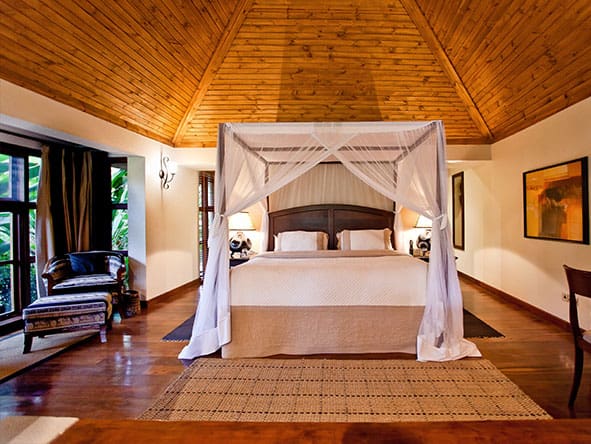 3 days
Morning and afternoon game drives on each full day on safari. Park and permit fees for the places on this route.
Kilimanjaro | Tanzania
From KSh721,910 to KSh1,416,554 pps
5-Day Luxury Serengeti Safari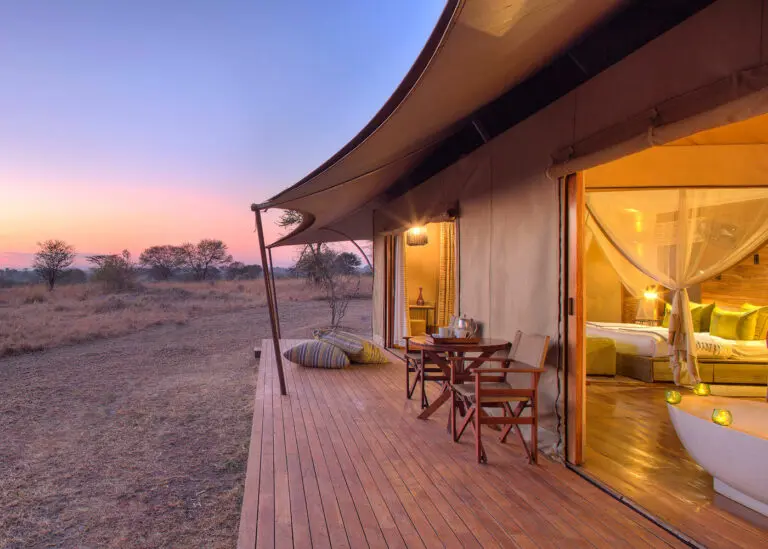 5 days
Game drives set around the month you travel. Morning and afternoon game drives.
Serengeti | Tanzania
From KSh410,294 to KSh681,660 pps
5 Day Comfortable Serengeti Safari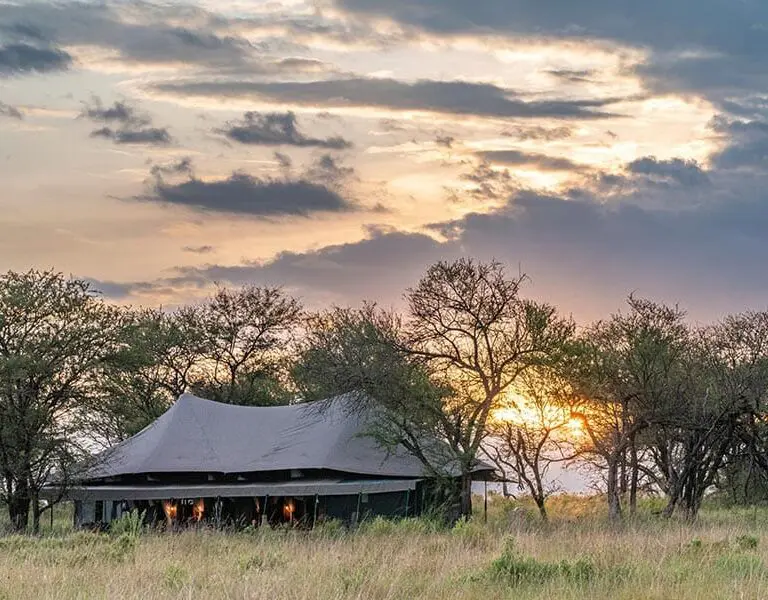 5 days
Game drives set around the month you travel.
Serengeti | Tanzania
From KSh116,856 to KSh259,680 pps
Family Zanzibar Beach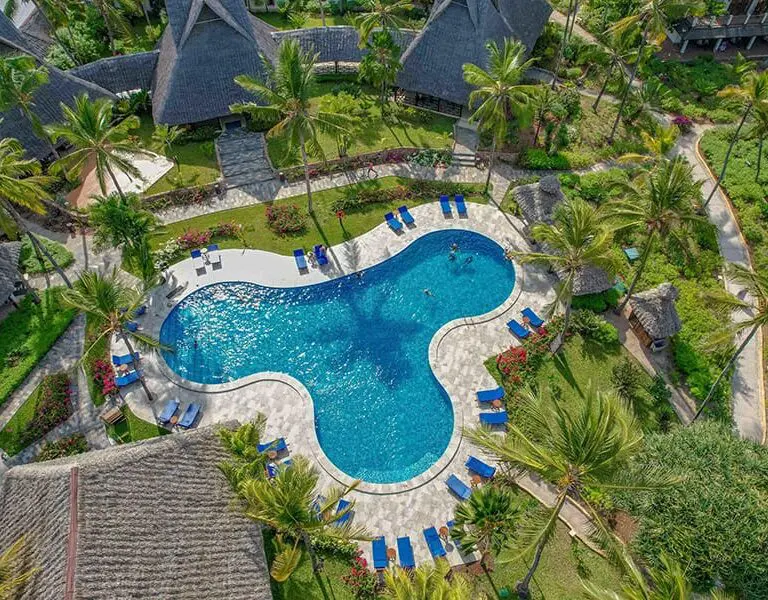 6 days
Morning and afternoon game drives on each full day on safari. Park and permit fees for the places on this route.
Tanzania | Zanzibar
From KSh798,516 to KSh1,011,454 pps
7-Day Tanzania Family-Friendly Migration Safari 7 days
Morning and afternoon game drives.
Arusha | Ngorongoro Crater | Serengeti | Tanzania
From KSh945,235 to KSh1,362,022 pps
7-Day Northern Tanzania Family Safari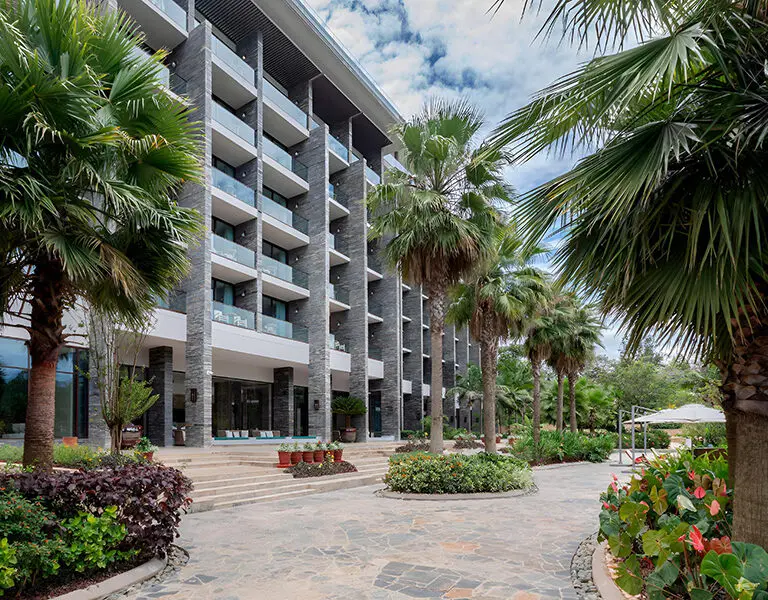 7 days
Morning and afternoon game drives on each full day on safari. Park and permit fees for the places on this route.
Arusha | Ngorongoro Crater | Northern Serengeti | Tanzania
From KSh654,394 to KSh797,218 pps
Tanzania's Best Value Migration Safari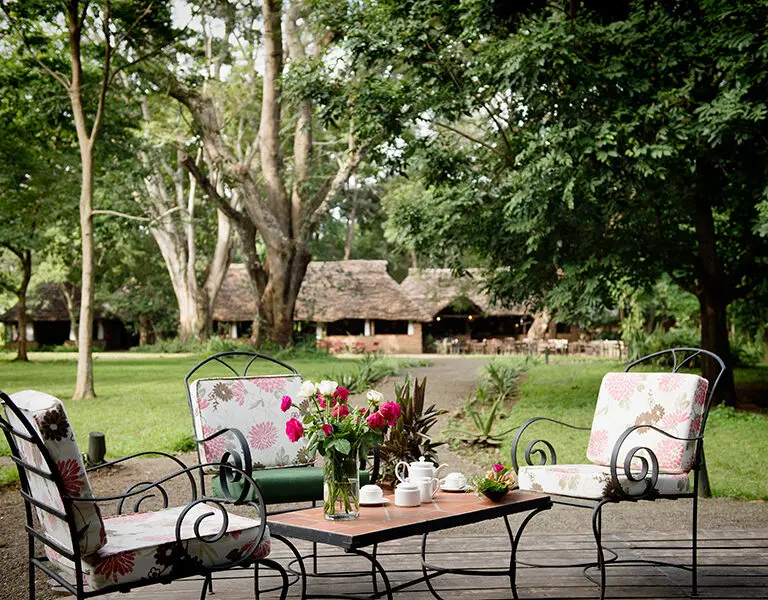 7 days
Game drives set around the month you travel.
Arusha | Ngorongoro Crater | Serengeti | Tanzania | Tarangire
From KSh1,546,394 to KSh2,111,198 pps
Tanzania's Mnemba Private Island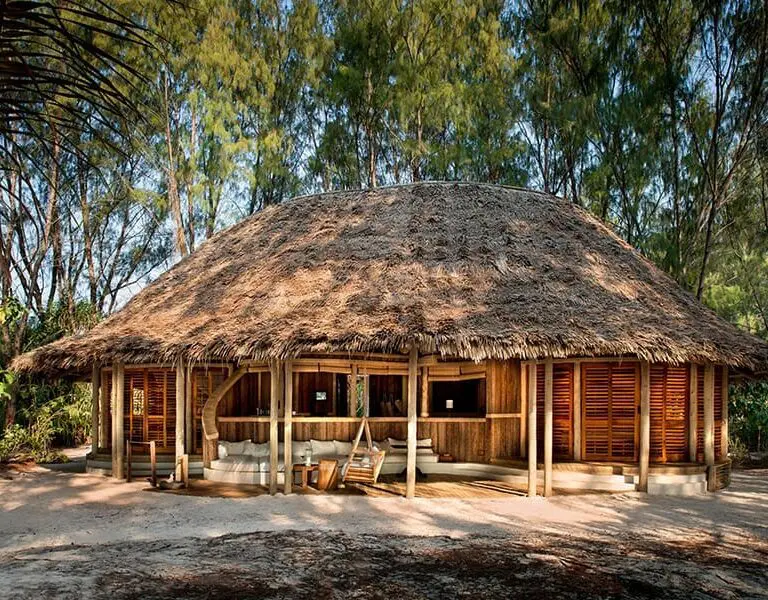 7 days
Morning and afternoon game drives on each full day on safari. Park and permit fees for the places on this route.
Tanzania | Zanzibar
As one of the highlights on many East African itineraries, the Ngorongoro Crater is exceptionally popular. When deciding which Ngorongoro Crater accommodation to book, it pays to be aware not only of the availability of accommodation but also accessibility to the crater itself as well as your budget.
The lodges set on the rim of the crater are exclusive and luxurious. Their views are perhaps among the most spectacular in the world, the service world-class and they make for a perfect Ngorongoro honeymoon. You’ll also be first in the queue to descend into the crater in the morning for your game drive.
However, although visitors who stay close to the crater in the nearby town of Karatu will travel for around an hour before reaching the caldera, the accommodation here is more affordable, smaller and more intimate. Moreover, many of the lodges and guest houses offer additional activities such as local walking tours and horse riding.
Browse our comprehensive list of Ngorongoro accommodation – there are lodges and manor houses, camps and hotels – to find something that best suits you or simply contact one of our Africa Safari Experts for advice on the ideal place to stay.
Filter Your Results
12 stays. The rate is per person sharing.
From KSh798,516 to KSh2,999,304 pps
Ngorongoro Crater, TanzaniaCultural visits | Full-day safaris | Game drives | Guided walking safaris | Star gazing | Bush dining
From KSh836,170 to KSh1,136,100 pps
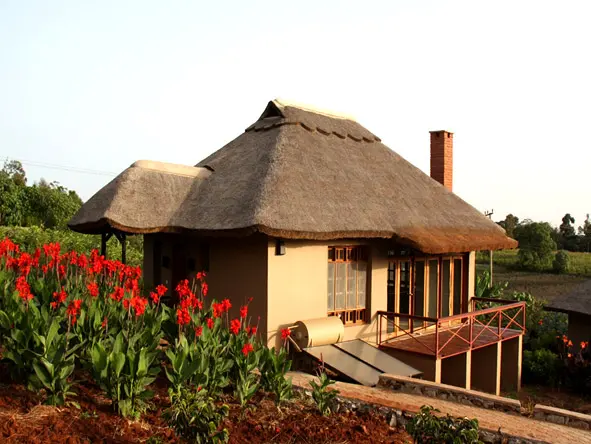 Ngorongoro Crater, Tanzania
Game drives | Guided walking safaris | Cultural visits | Bush dining | Picnics | Hot air ballooning
From KSh1,025,736 to KSh1,985,254 pps
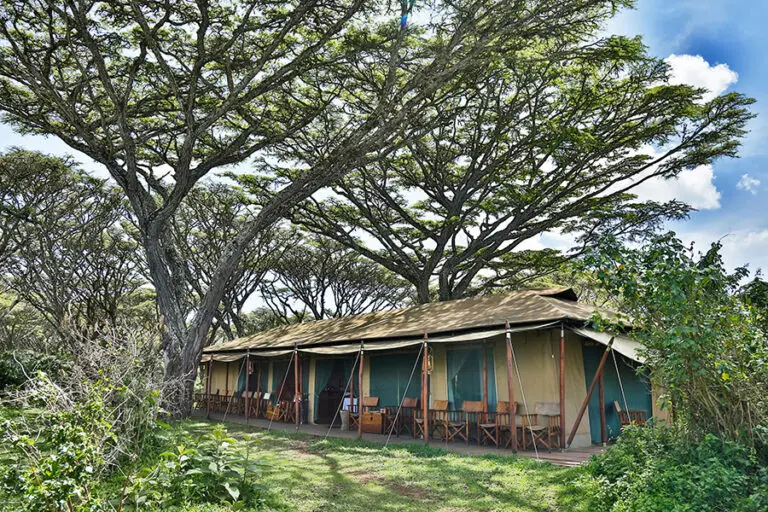 Ngorongoro Crater, Tanzania
Night drives | Game drives | Private vehicle with driver | Guided walking safaris | Specialist guides | Cultural visits
From KSh1,321,771 to KSh3,693,948 pps
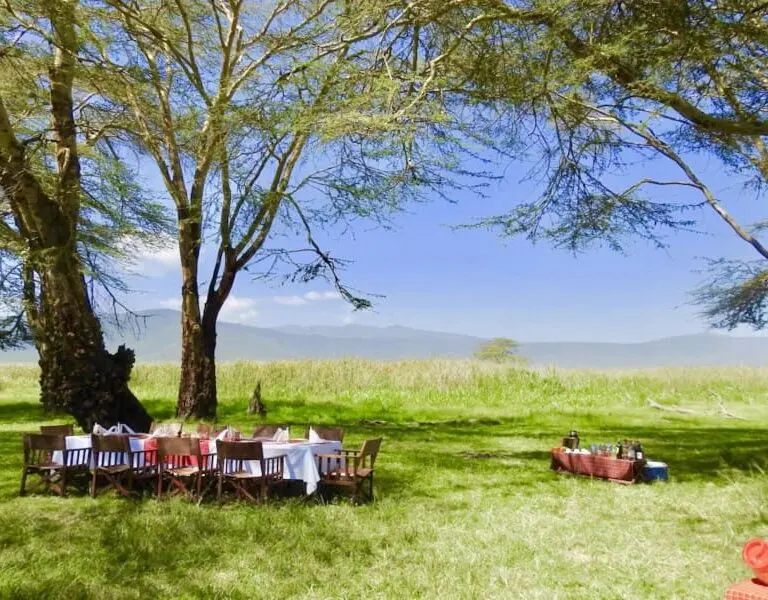 Ngorongoro Crater, Tanzania
Game drives | Private vehicle with driver | Guided walking safaris | Cultural visits | Star gazing | Bush dining
From KSh1,127,011 pps
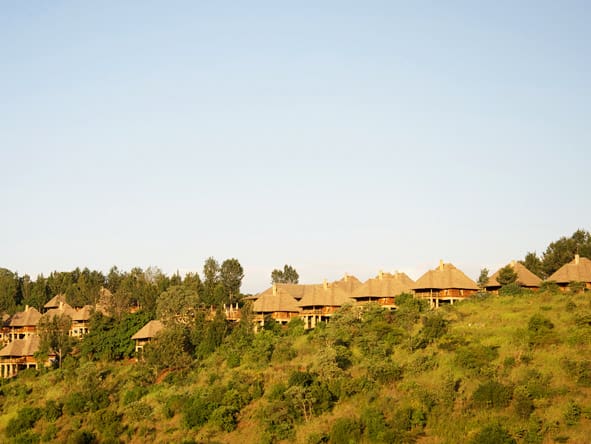 Ngorongoro Crater, Tanzania
Game drives | Guided walking safaris | Cultural visits | Bird watching | Hot air ballooning | Boat excursions
From KSh1,443,821 to KSh2,526,686 pps
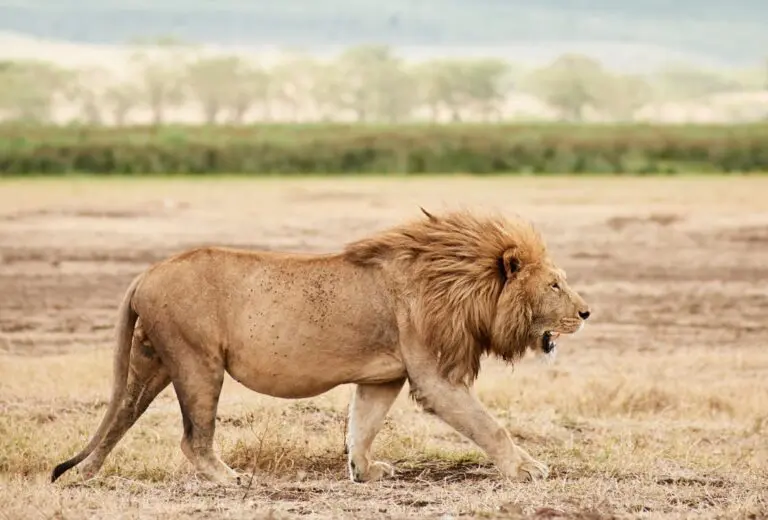 Ngorongoro Crater, Tanzania
Game drives | Cultural visits | Gorilla tracking | Bird watching | Hiking | Picnics
Enquire for pricing
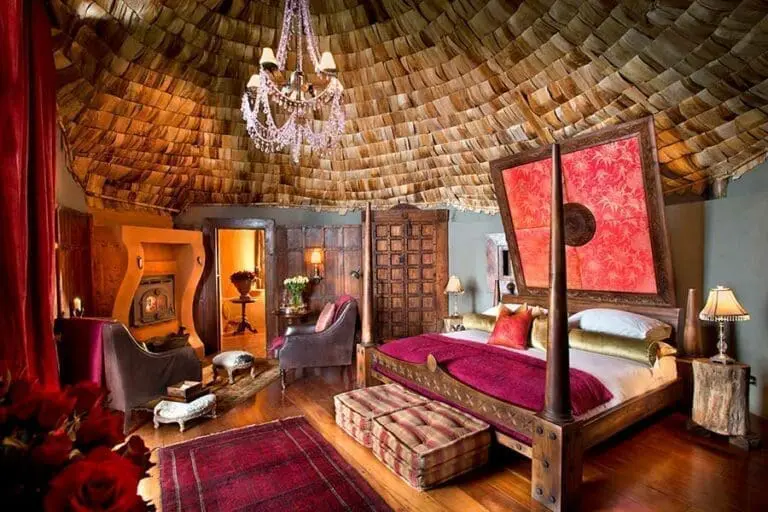 Ngorongoro Crater, Tanzania
Night drives | Game drives | Guided walking safaris | Specialist guides | Cultural visits | Bush dining
From KSh628,426 to KSh654,394 pps
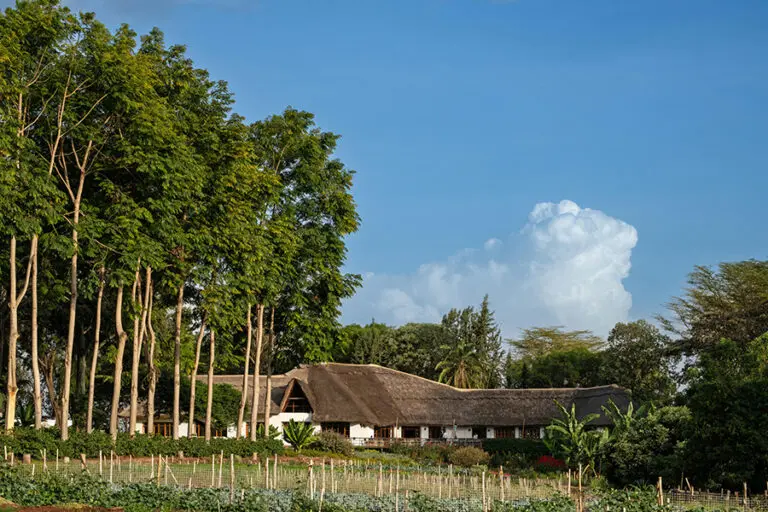 Ngorongoro Crater, Tanzania
Game drives | Private vehicle with driver | Specialist guides | Cultural visits | Bush dining | Bird watching
From KSh622,583 pps
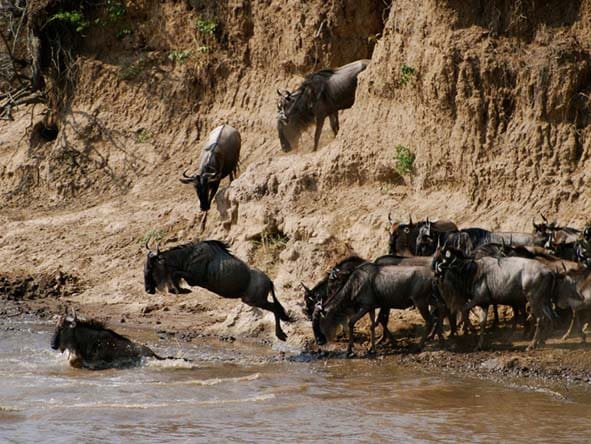 Ngorongoro Crater, Tanzania
Night drives | Game drives | Guided walking safaris | Cultural visits | Bush dining | Bird watching
Enquire for pricing
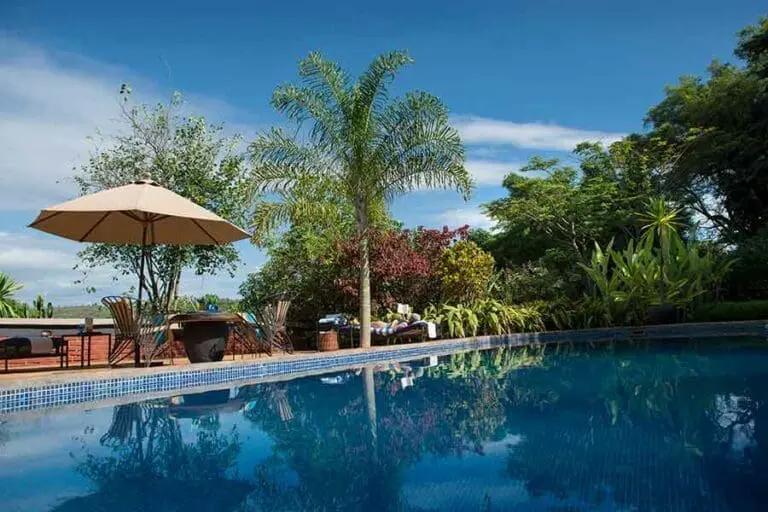 Ngorongoro Crater, Tanzania
Night drives | Game drives | Guided walking safaris | Cultural visits | Bush dining | Bird watching
From KSh1,217,899 to KSh3,669,278 pps
 Ngorongoro Crater, Tanzania
Game drives | Private vehicle with driver | Guided walking safaris | Specialist guides | Conservation projects | Cultural visits
From KSh1,333,457 to KSh2,791,560 pps
 Ngorongoro Crater, Tanzania
Game drives | Guided walking safaris | Cultural visits | Bush dining | Bird watching | Hot air ballooning
The crater fee plus a Serengeti stay is one of the more expensive East African combinations. The fee is why.
Sample migration trips that include a crater day show the guide price. International flights and visas are extra.
Places
Facts About Tanzanias Ngorongoro Crater is a planning note from Safari Continents Travel. It sits beside the destination guides for Ngorongoro Crater. Published trip prices are a guide. You receive a quote before anything is paid.