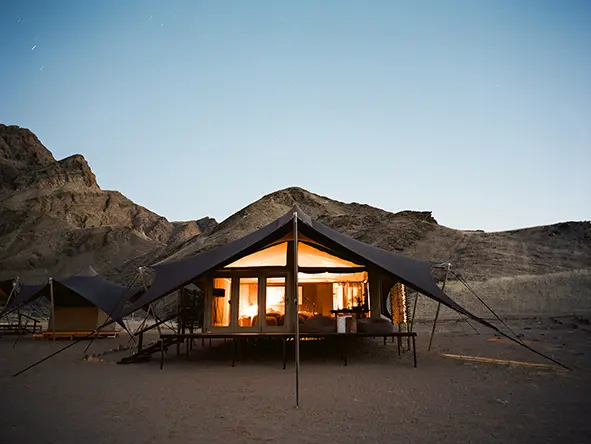
From KSh446,000 to KSh779,040 pps
Camp Kipwe
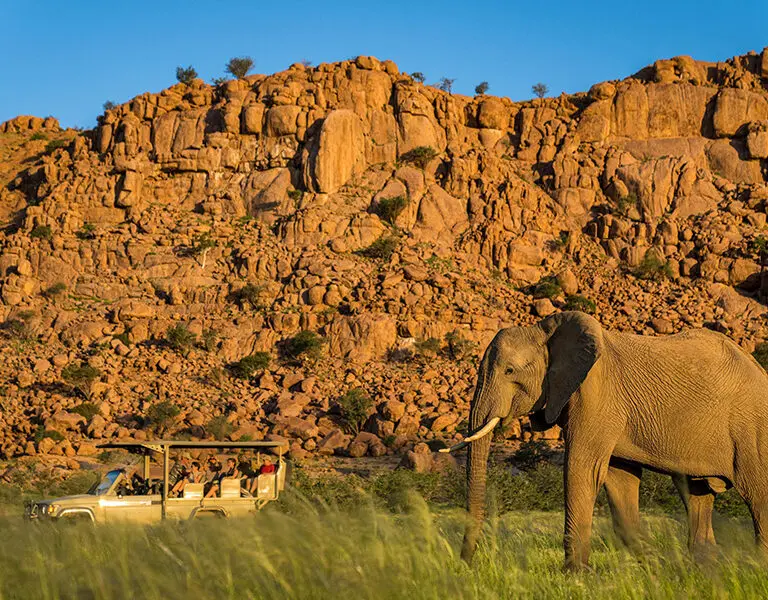 Damaraland, Namibia
Activities travellers enjoyed
Night drives | Game drives | Guided walking safaris | Specialist guides | Historical tours | Star gazing
HomeDestinationsNamibia
Namibia is desert, coast, and one great wildlife park. Sossusvlei's dunes, Etosha's waterholes, and Damaraland's desert elephants can sit in a single self-drive.
Get a quote
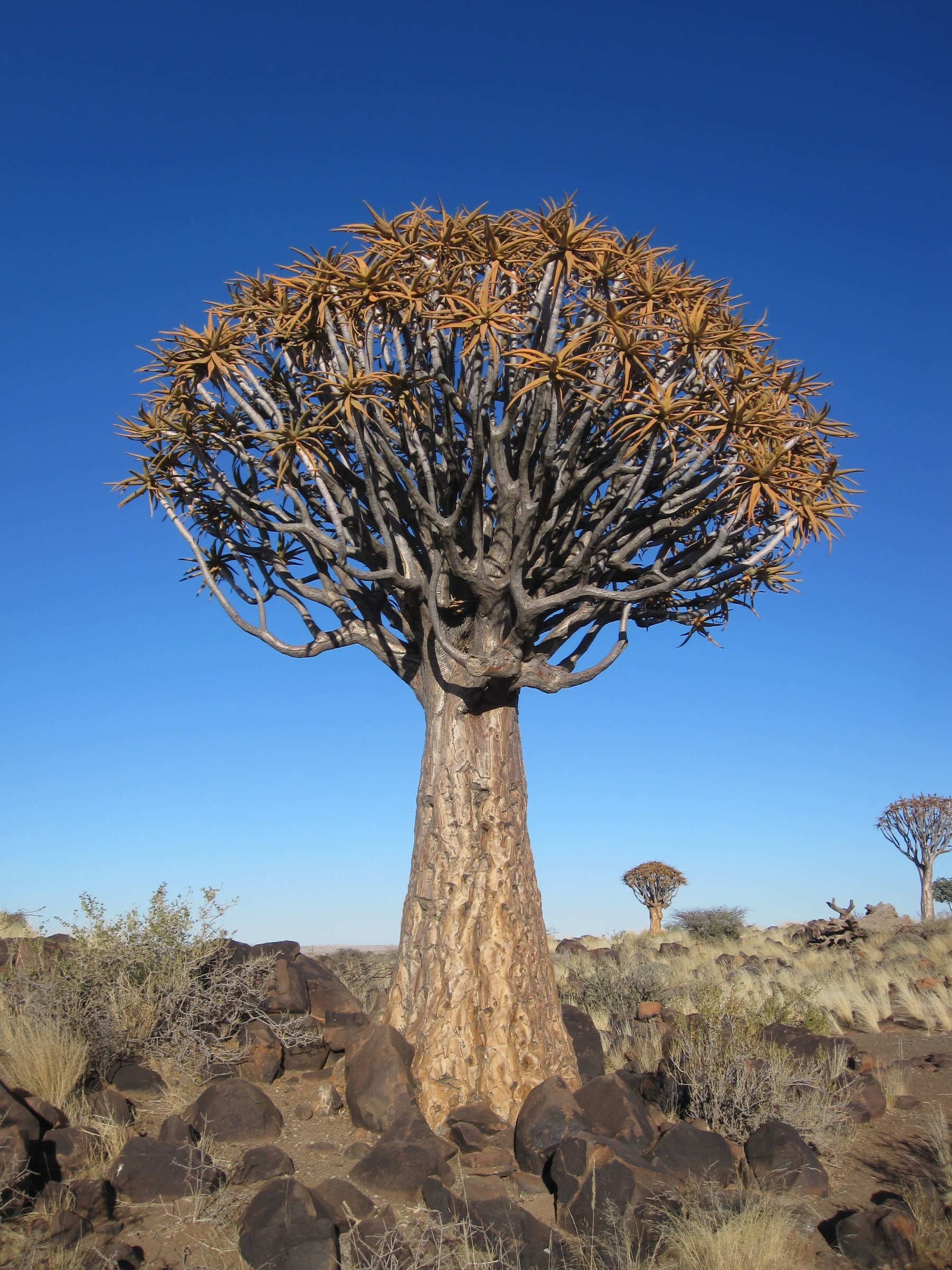
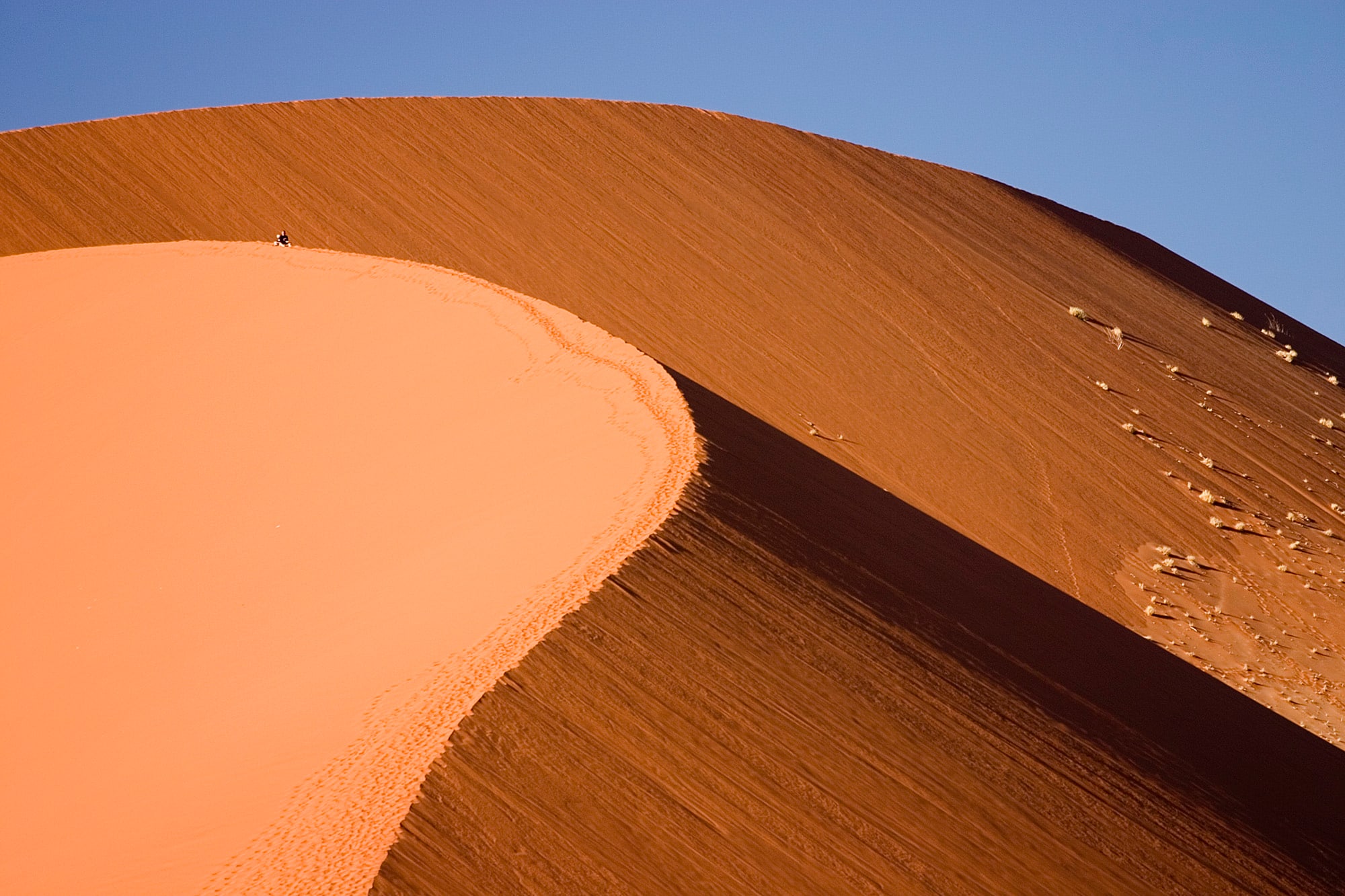
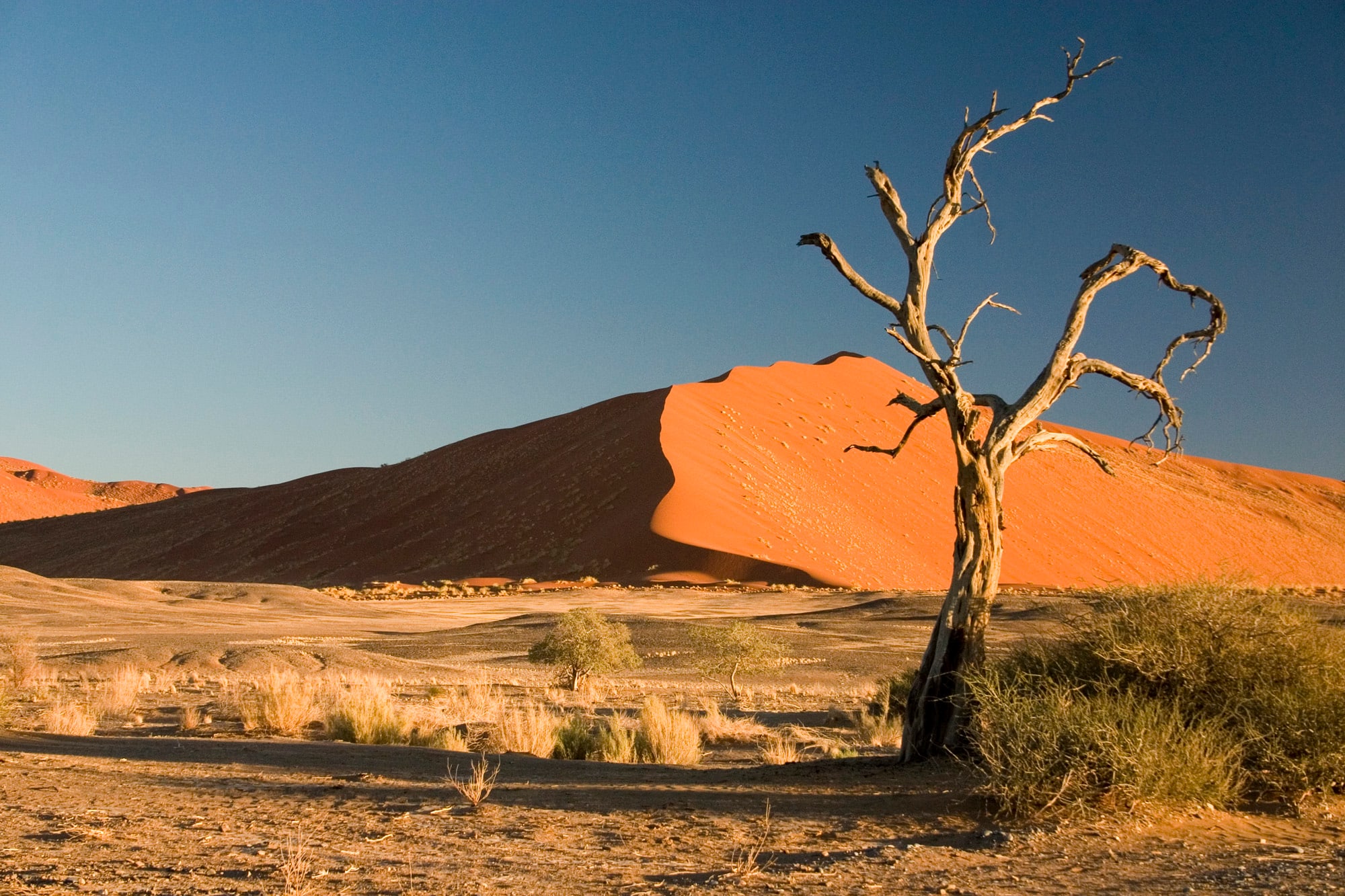
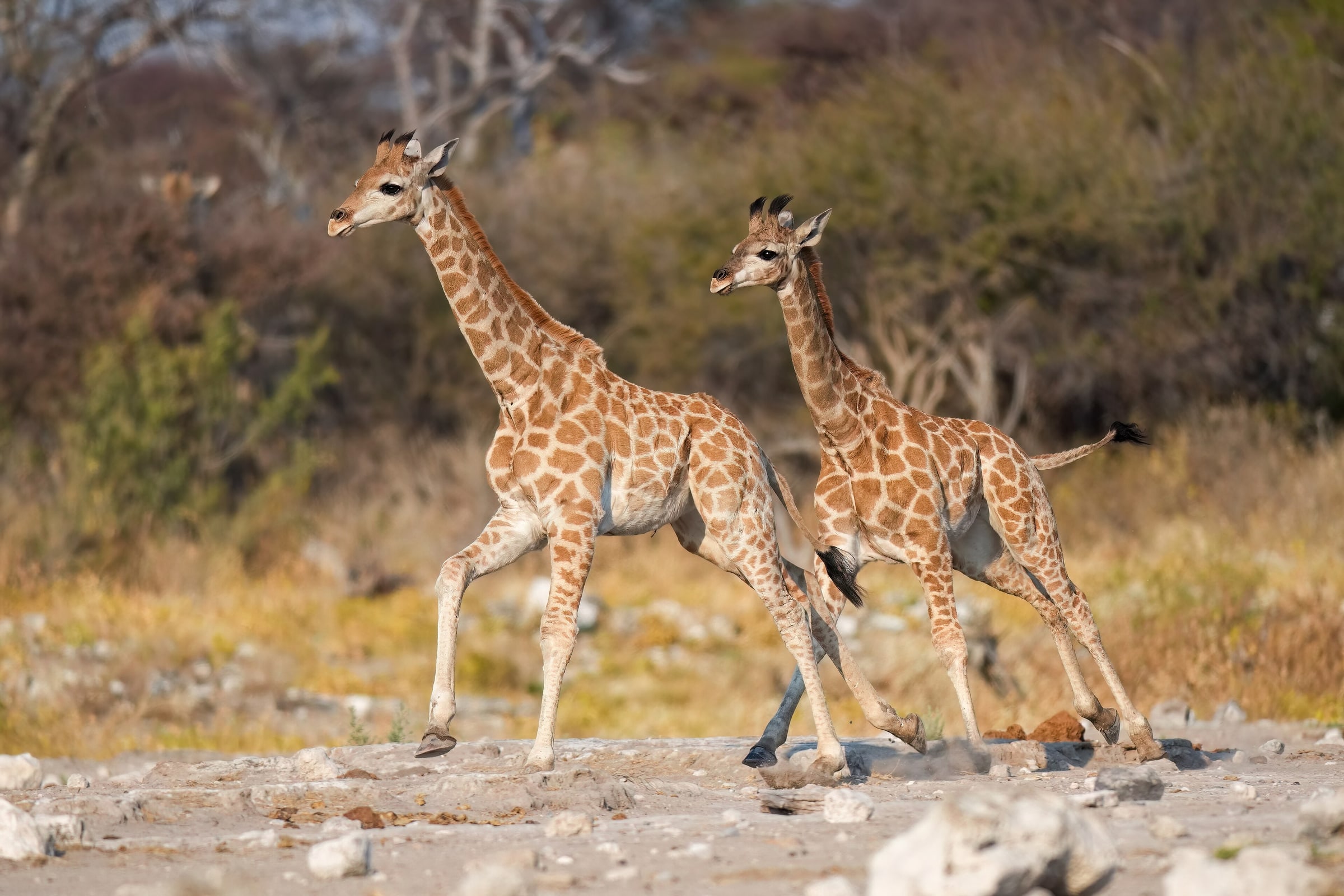
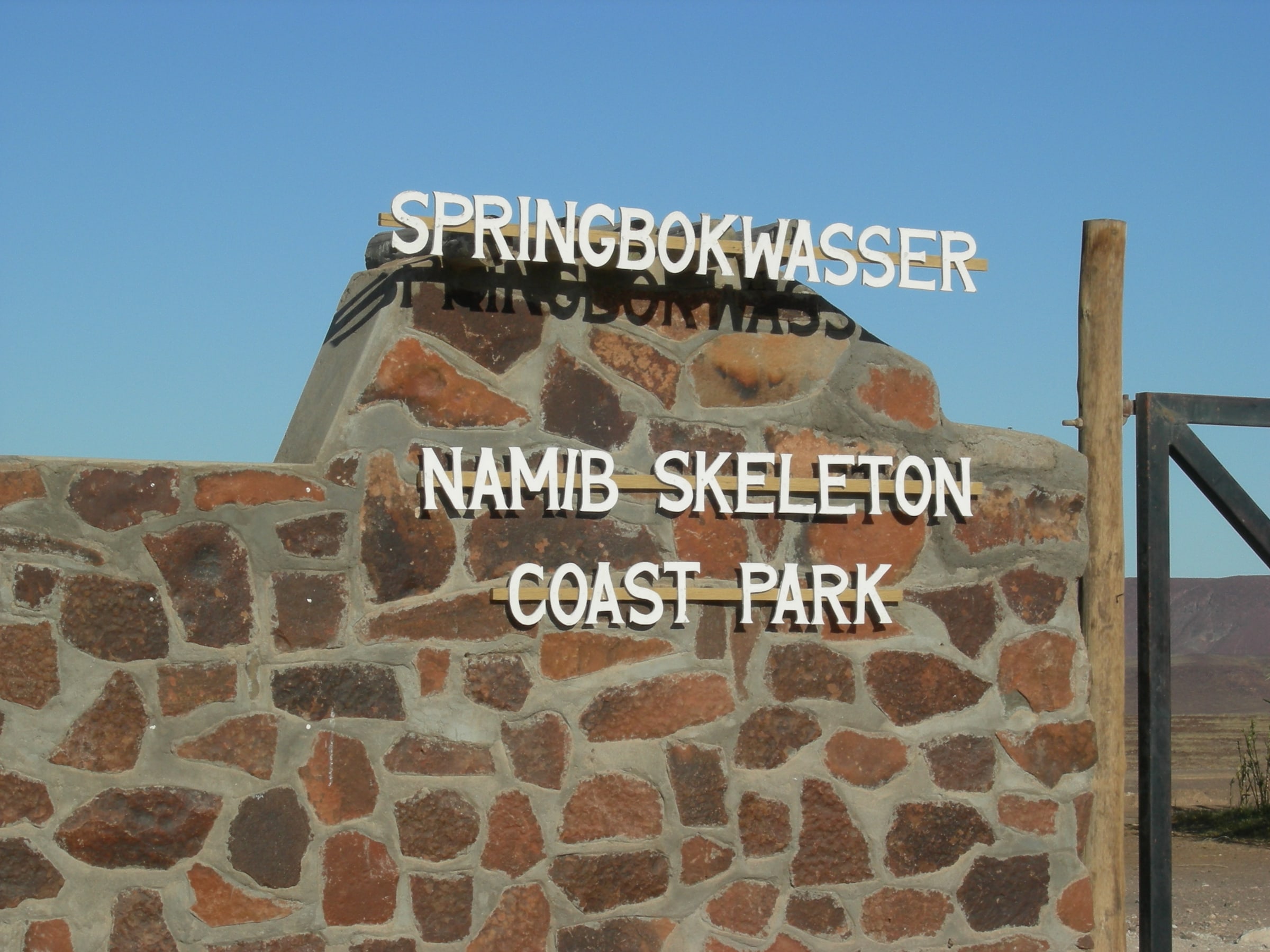
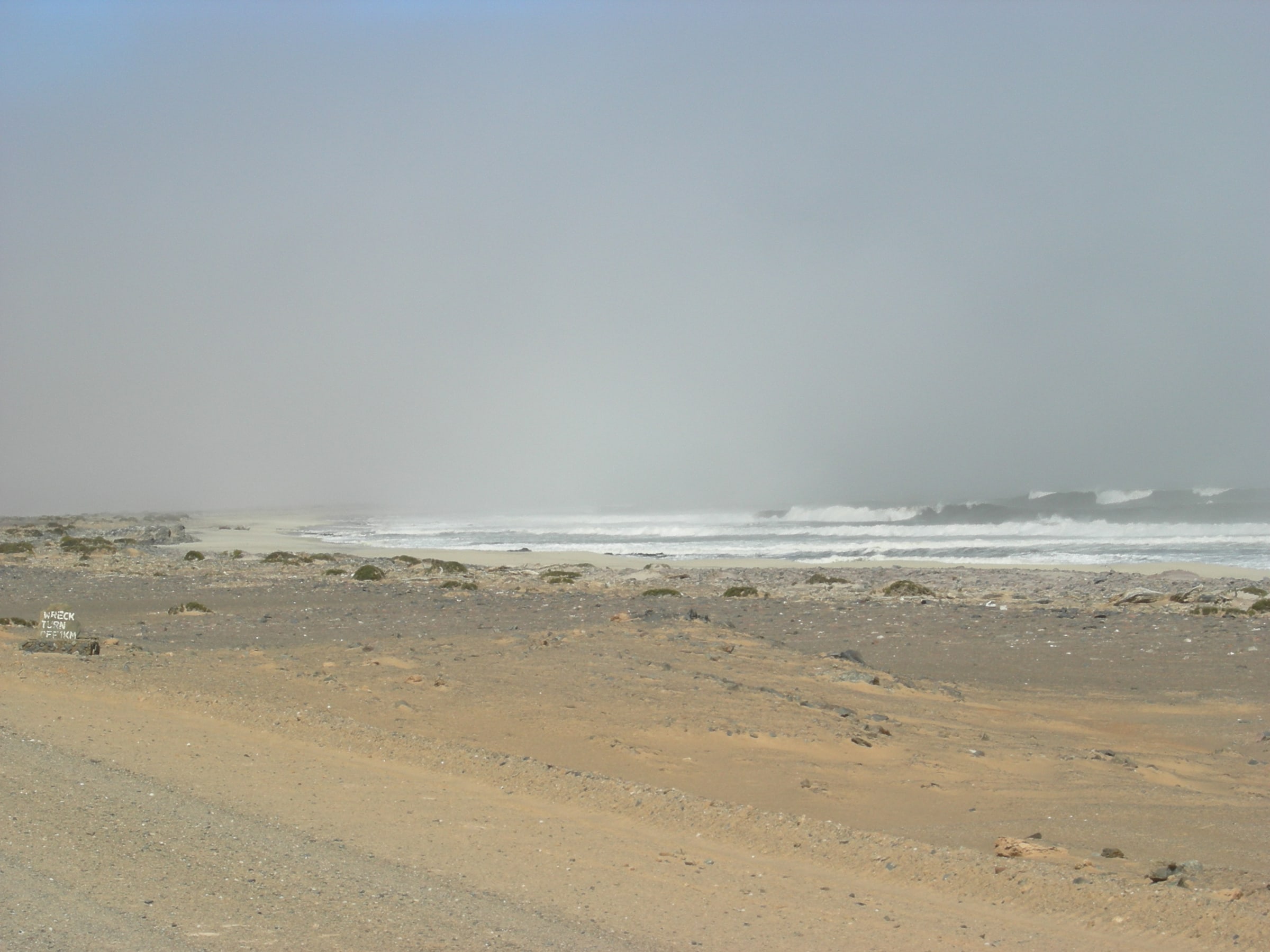
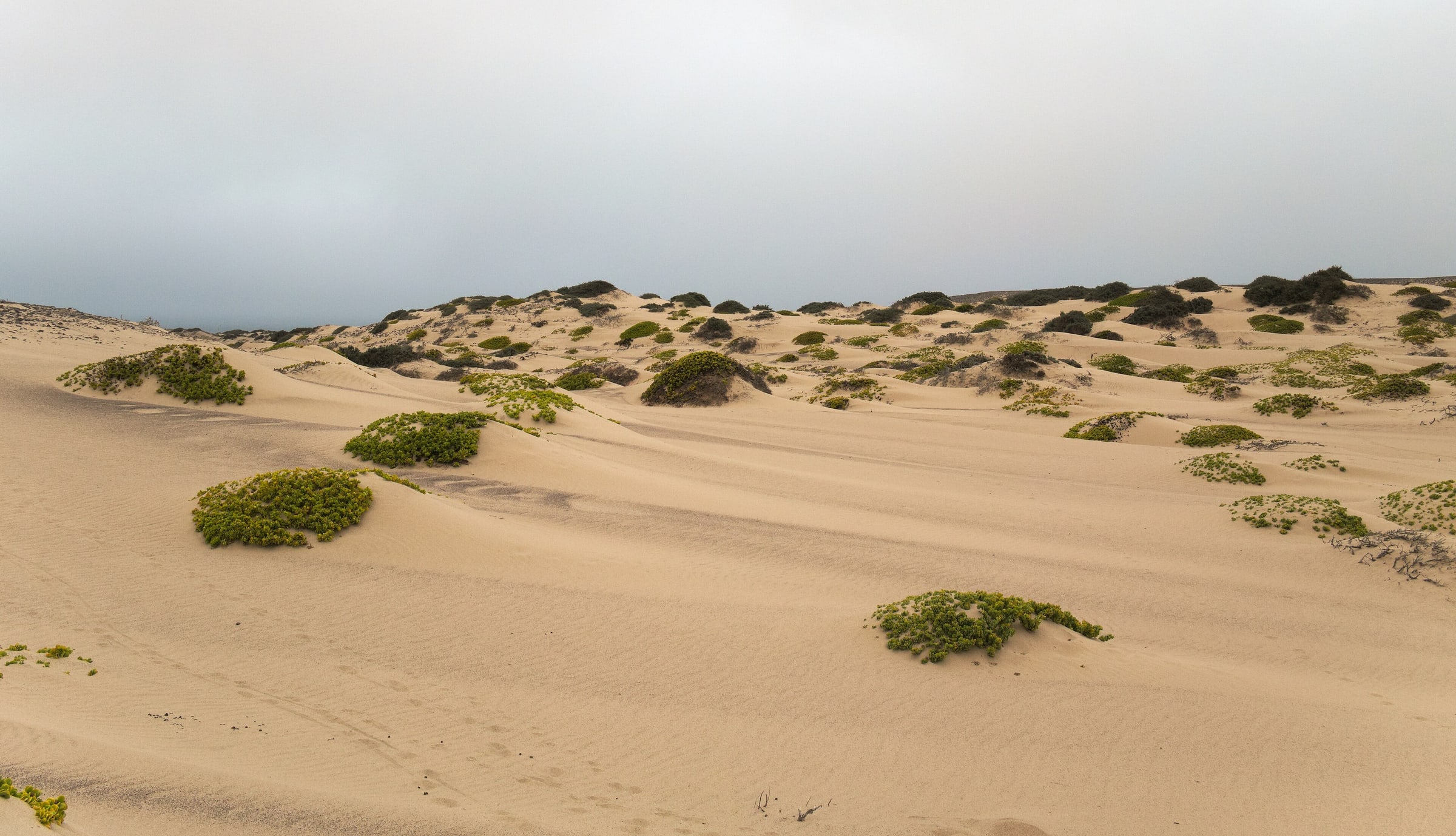
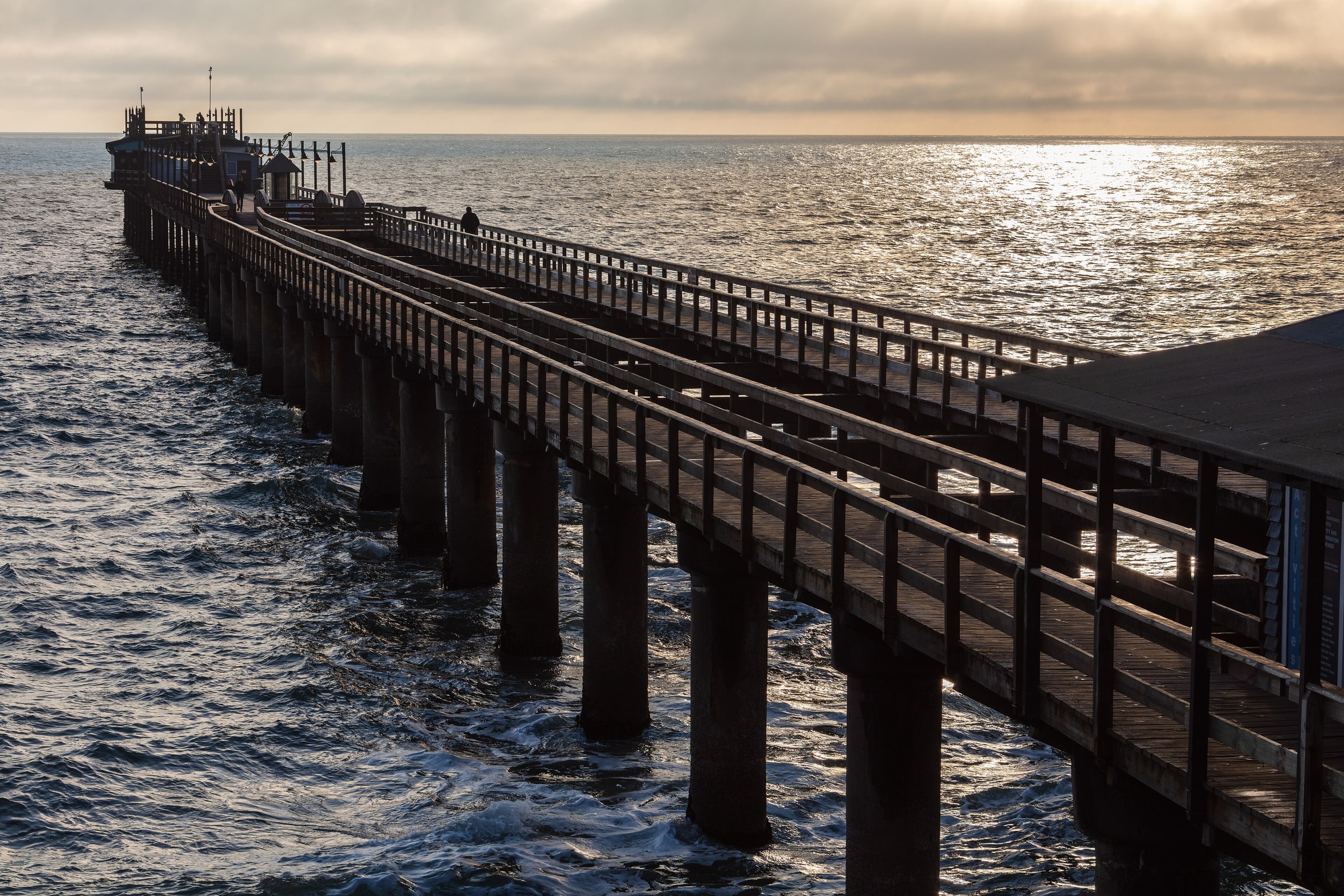
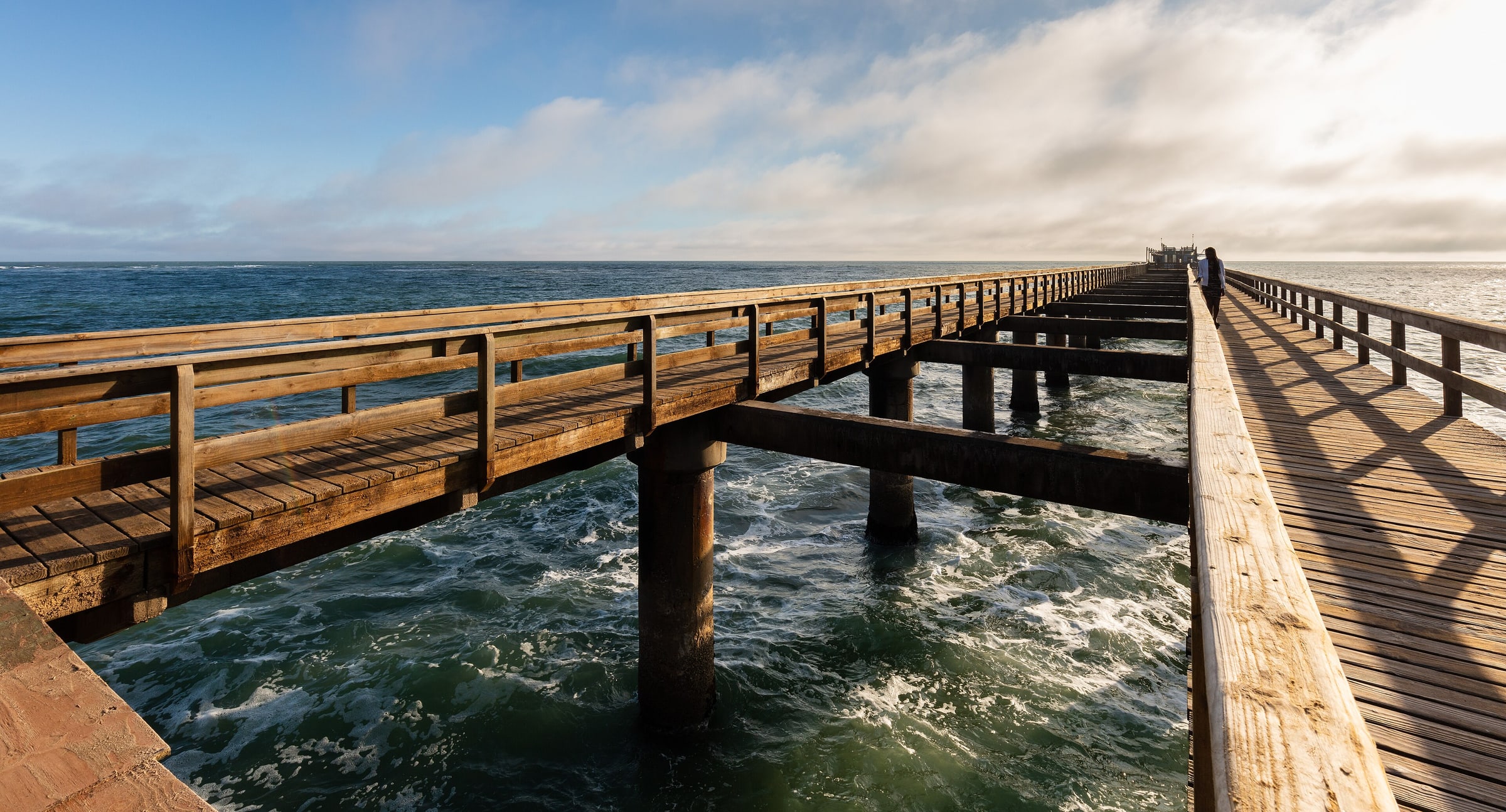
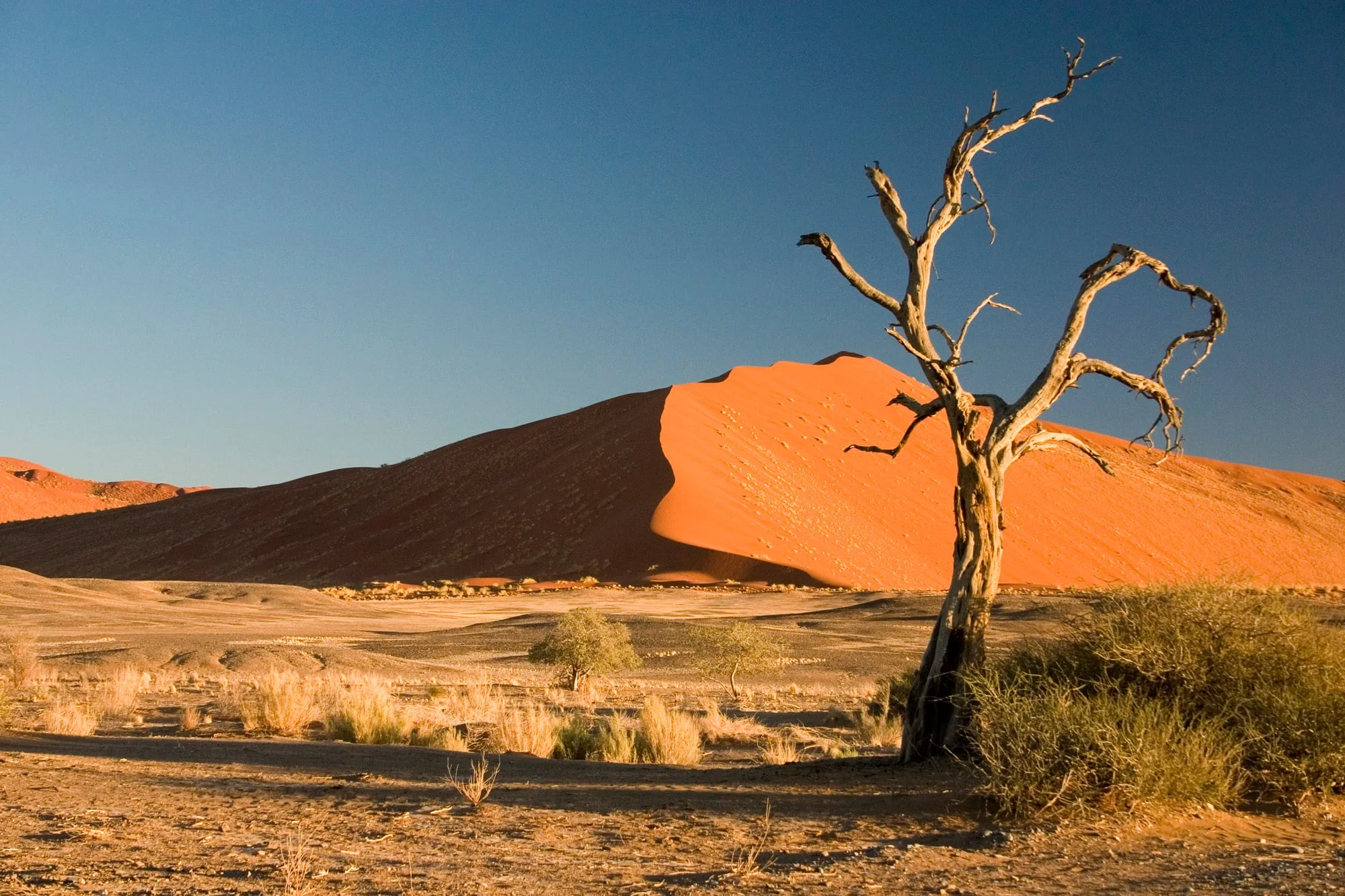
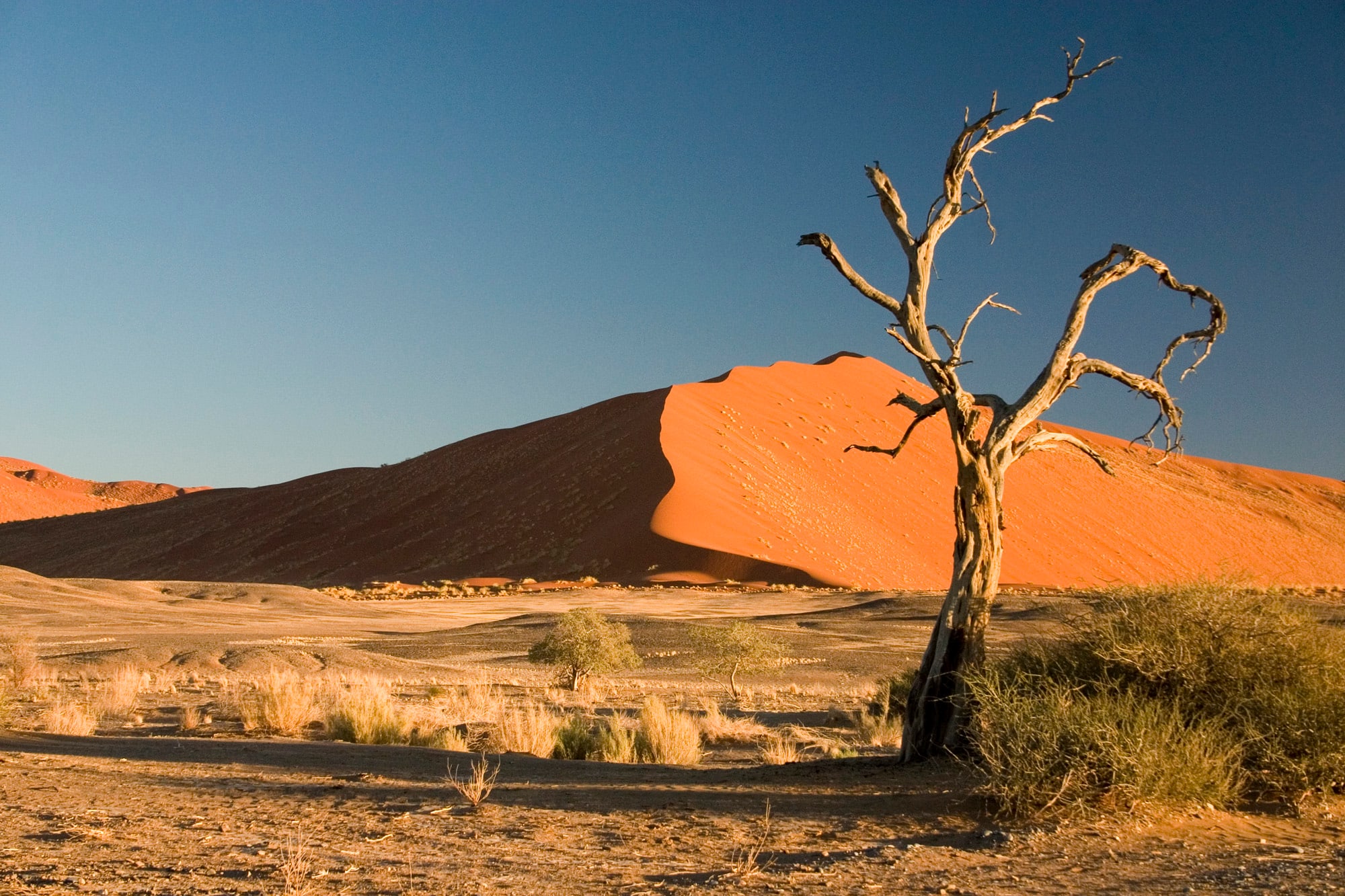
Namibia is a place where the concept of ‘vastness’ can not only be truly comprehended, but also felt. It is of course the gigantic, incomparable sand dunes of the ancient Namib Desert that feature most prominently on a Namibia holiday itinerary. But this Southern African country, lying between the Kalahari and the Atlantic Ocean, has much more up its sleeve.
Huge, sparsely populated Namibia is a country of gigantic skies and dramatic scenery. Destinations such as Damaraland, the shipwreck-strewn Skeleton Coast, or the Kaokoveld literally echo with emptiness and atmosphere, yet excellent lodges are tucked away in these remote regions and provide intrepid travellers with havens of serenity and comfort. And there’s a lot more wildlife than you might think!
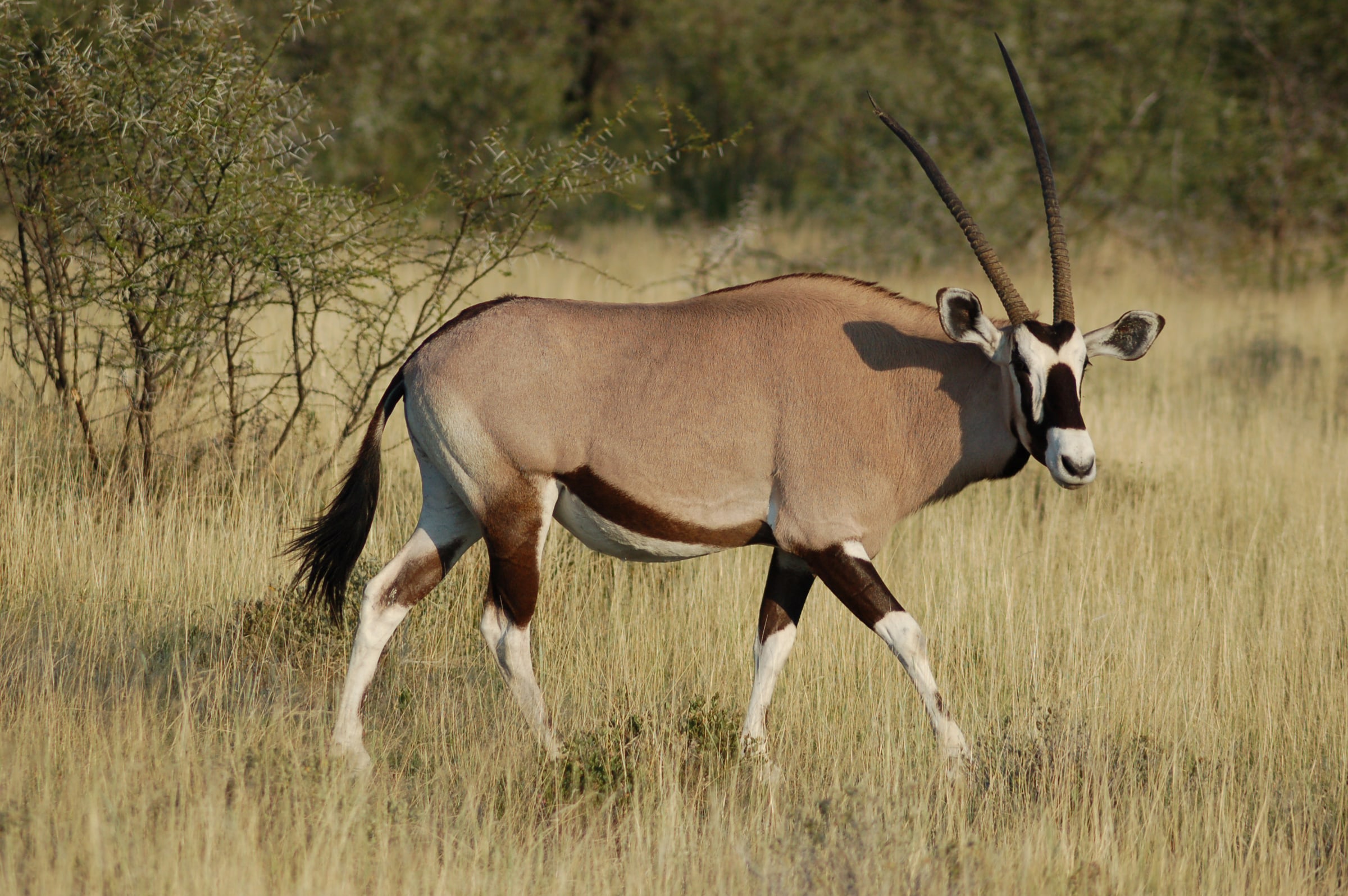
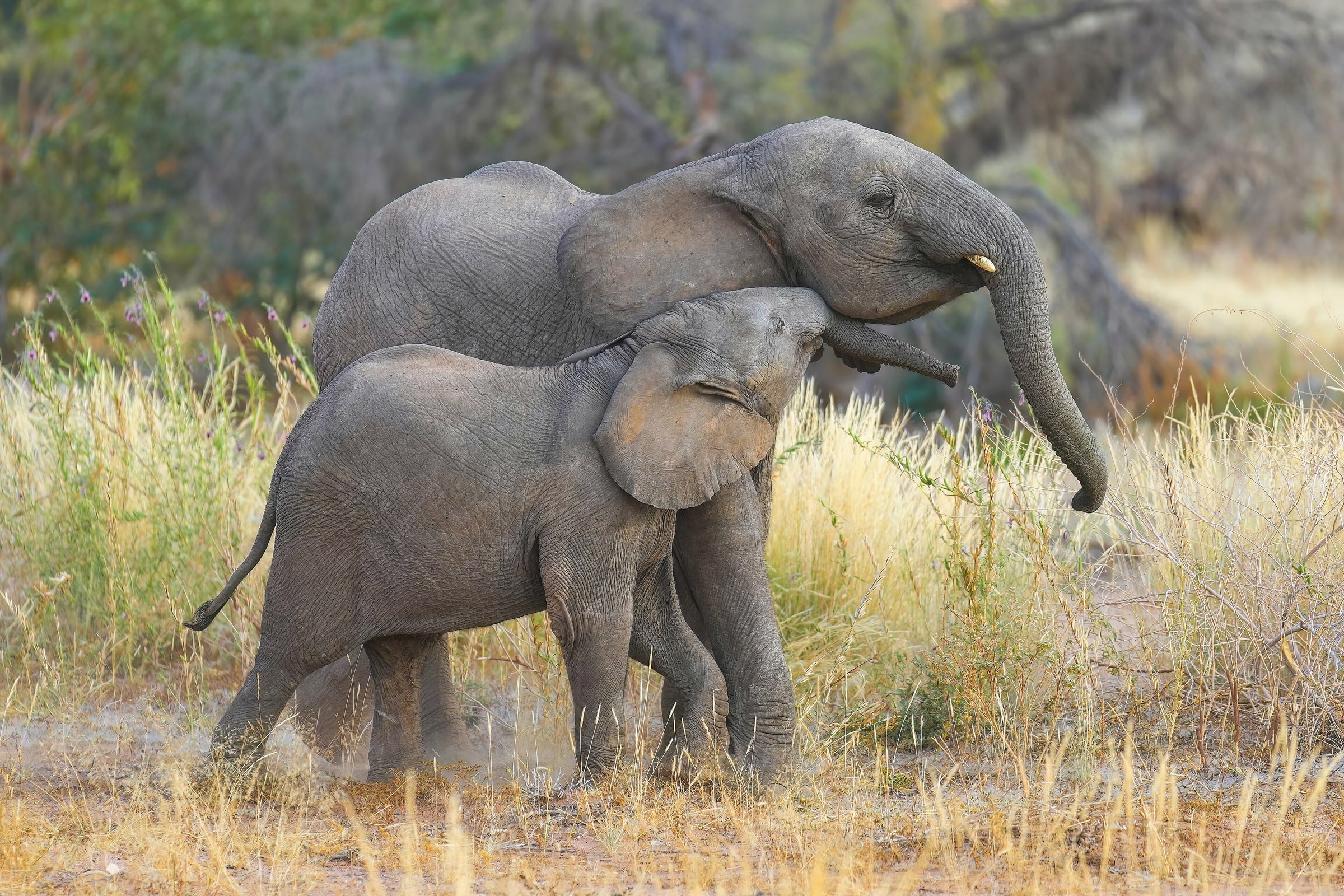
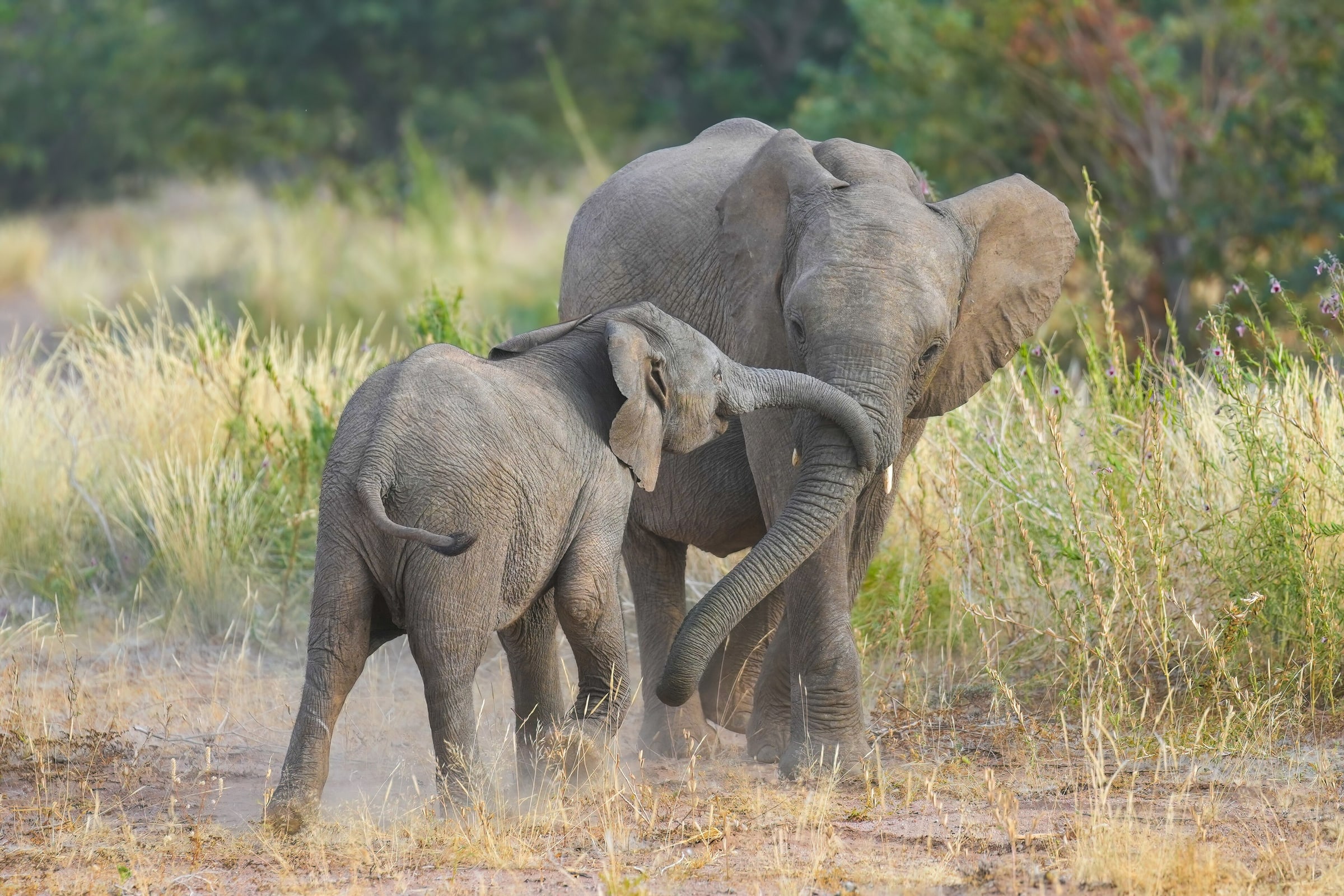
If spotting unique animals is on your wish list, then the Namibia wildlife won’t disappoint. Excellent game viewing is what you’ll get at Etosha National Park, famous for its animal-packed waterholes and abundant predators. Small populations of desert-adapted elephant, black rhino, giraffe, ostrich, oryx, and lion can be seen in off-the-beaten-path destinations like Damaraland and Kaokoveld. These unique animals have adapted their lifestyles to survive in one of our planet's harshest environments, and spotting them is a highlight on any Namibia safari tour.
A Namibia holiday is ideal for wildlife enthusiasts, while its decent road infrastructure and easy-to-access destinations provide straightforward self-drive safaris for more independent travellers. Some of the best lodges in Namibia are remote, luxurious and exclusive accommodations that make for romantic holidays to Namibia for couples, while families with children will be delighted by the country’s safe, well-functioning and friendly nature.
If you've been researching a trip to this country, you've probably come across phrases like ‘Namibia moonscape’ or ‘Namibia welwitschia plains’. The Namib Desert, the oldest desert on Earth, not only makes the country one of the least densely populated places in the world, it's also responsible for providing unrivalled, see-it-to-believe-it Namibia landscapes.
The Namib's enormous sand dunes, arid gravel plains, and mountainous terrain make Namibia’s scenery and landscapes some of the most dramatic you will ever see. In fact, in some areas of Namibia, you’ll feel like you’ve landed on Mars.
During Namibia's dry season (May to October), the temporary water holes around Etosha Pan become a magnet for animal numbers of biblical proportions. Etosha National Park is dominated by this colossal mineral pan (the size of Holland), while the surrounding grasslands are feeding grounds for dense herds of plains game and Namibia wildlife like elephant, rhino, lion, leopard, cheetah and giraffe.
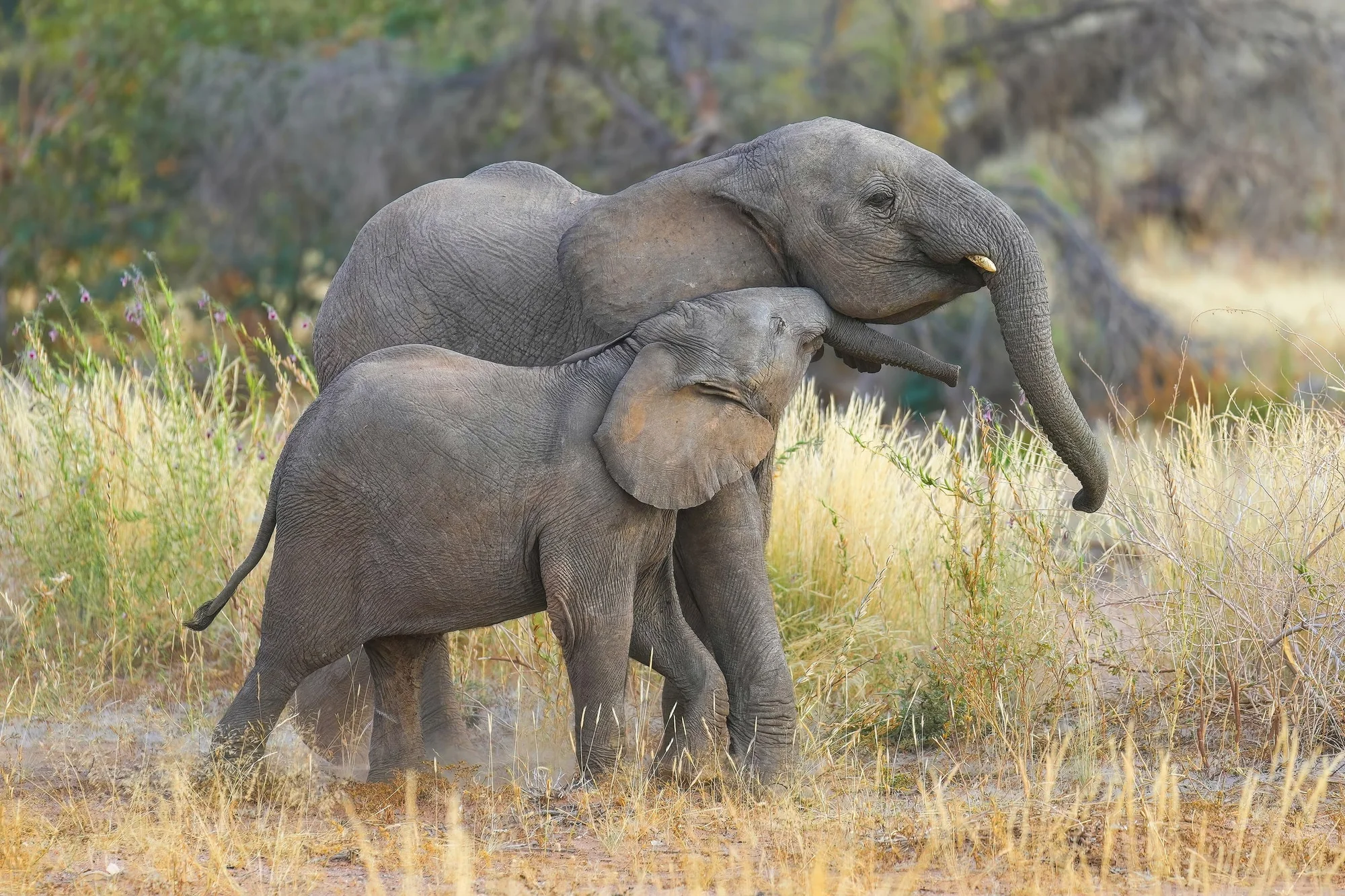
Damaraland is home to small populations of desert-adapted elephant, black rhino, giraffe, ostrich, oryx and springbok (gazelle). Desert-adapted elephants can travel up to 70 kilometres (40 miles) a day through the desert in search for food and water – and unlike their larger savannah cousins, they don't destroy any trees in their quest for nourishment.
Kaokoveld is an otherworldly and mountainous landscape of rugged beauty. The region is a refuge for rare desert-adapted lion, elephant, black rhino, giraffe and oryx. The nomadic lions of Kaokoveld have adapted their lifestyles to survive in one of the world's harshest environments. Sustenance is difficult to come by in the desert, so these powerful cats have learned how to take down big animals like giraffe and even elephant.
When it comes to sheer scale and natural beauty, Namibia's epic landscapes are hard to beat. Imagine ochre sand dunes more than 300 metres (985 feet) high, soaring inselbergs, or a tempestuous coastline scattered with shipwrecks and whale- and seal bones.
From sandboarding down the dunes of our planet's oldest desert to climbing the granite flanks of the ‘Matterhorn of Africa’, a Namibia vacation offers a plethora of activities for thrill seekers.
Journey to a remote corner of the Kalahari to meet the San Bushmen. This indigenous hunter-gatherer society still uses Stone Age technology, yet they possess a knowledge of their environment that researchers are only just beginning to comprehend. Their understanding of the natural environment is extraordinary to witness, and their survival skills are beyond belief.
The Himba are an indigenous people living in the Kaokoveld region of northern Namibia. Meeting them is among the top cultural interactions you can have in Africa. They are famous for covering themselves with otjize paste – a cosmetic mixture of butterfat and ochre pigment – to protect themselves from the harsh, hot and dry desert climate. It gives the Himba’s skin and hair a very distinctive style, texture and orange-red tinge.
To make the most of a Namibia holiday, you either need enough time or enough budget. If you have the budget, it's very easy to fly between the remote corners of this colossal country. But if you have ample time and an independent spirit, there's no better country in Africa in which to go on self-drive safaris.
Driving yourself is by no means intrepid exploration. Car hire can be arranged for you with a complete itinerary, detailed maps, and all the information that you'll need to safely enjoy your self-drive Namibia holiday.
Distances may appear daunting, but the country's roads are good, straight and uncrowded. Driving yourself not only gives you complete freedom to create an adventure at your own pace, but it also immerses you in the natural grandeur and sheer emptiness of the Namibia landscapes.
Namibia is a pleasure to drive in. The infrastructure is generally good and well-maintained, and there are few other drivers on the highways (and certainly no gridlocked traffic jams). If you have more than a week to spend, then it is possible to drive to major sites in the north like Windhoek (the capital), Swakopmund and Etosha. The distances are long, and you must be comfortable driving on the left-hand side of the road, being without mobile phone reception in some areas, and changing a burst spare tyre if necessary. An air-conditioned 4×4 makes the journeys a lot more comfortable. Be aware, however, that you will spend every day driving and not have that much time to simply drink in Namibia's unique atmosphere.
It is far better to set aside at least two weeks to drive through Namibia's biggest attractions. This probably won't give you enough time to see the Fish River Canyon, which is way down south near the border with South Africa, but it will allow you to spend a few days in each place and not have to drive every day. No-one wants to spend their annual holiday in a car.
Three weeks will allow you the privilege of taking your time and perhaps even seeing areas like the Skeleton Coast, the Caprivi Strip (which is lush and green thanks to the Okavango, Chobe and Zambezi Rivers) and other out-the-way places. If you have the time, be sure to visit the site of the Gideon meteorite shower, where about 150 meteorites fell to Earth 600 million years ago or the Ombalantu Baobab Tree, which is 800 years old and can fit 35 people in its trunk (which has acted as a church, post office and jail over the years).
If you want to splurge and see Namibia's spectacular landscapes from the air, then flying between your accommodations by light aircraft is the way to go. A Namibia flying safari costs much more than driving but frees up much more of your time: a drive of several hours is radically condensed, giving you more time to enjoy the lodges, go on game drives or see the sights.
Not all camps have access to airstrips, however, so your itinerary will be influenced by that. Flying is definitely the easiest and most comfortable way to reach remote places like the Skeleton Coast or Kunene, on the Angolan border.
Our suggestion is to combine driving and flying to cut costs, give you some adventure and allow you to maximise your time in Namibia without breaking the bank.
So, for example, you may want to drive from Windhoek to Swakopmund and onto Etosha National Park via Damaraland but fly back to Windhoek from Etosha (a more than 7-hour drive) for your onward flight home. Or, if you are really keen on seeing the Fish River Canyon, cut out the more than 8-hour drive there and back from Windhoek by flying. There are lots of options available and your Africa Safari Expert will be able to consult broadly with you on the best one for your time and budget.
One of the most exciting things ever is to plan your safari. We can easily spend hours daydreaming about the amazing wildlife sightings we're going to have, the delicious sundowners we're going to sip, the amazing people we're going to meet, etcetera. But, like all things, dreams are more likely to become real when they're underpinned by solid plans structured with the help of on-the-ground experts.
Namibia is a dream destination but there are plenty of things to consider:
Most of our clients have visited Africa before and ticked off the ‘biggies' like the Kruger National Park, Cape Town, Victoria Falls, the Serengeti or the Masai Mara before they venture into a more remote destination like Namibia.
Although the scenery can be beautiful, there are very few towns or even petrol/gas stations in Namibia where you can pull over to use a restroom or buy a coffee. Sometimes, a tree on the side of the road is all you'll have, which is part of the fun for our more adventurous travellers.
For hours on end, you may not chat to anyone else so it's best to really get along with your fellow passengers if you're driving around Namibia.
Unless you have plenty of cash and time, it may not be possible to see and do everything that a varied country like Namibia has to offer. Start with your interests and preferences, and work from there. If you prefer history to hiking, then extra days in Swakopmund (where beer is still brewed according to a 1516 German purity law issued in Bavaria) and fewer in Sossusvlei are best for you. If you like birding more than beer, then maximise your time in the Caprivi Strip and lose a day or two in Swakop.
If you want to see Etosha and Damaraland in peak season, then it's best to start planning a year in advance. This may seem extreme and unnecessary, but accommodation is limited and goes fast. If you leave it very late, you may not be able to secure accommodation at all. Availability is a key issue in planning a thorough and satisfactory Namibia itinerary.
Family rooms can be hard to secure if three or more of you are travelling together – another great reason to plan as soon as you can. If you're travelling with young children, bear in mind that those under six are often not accommodated on open game-drive vehicles. Some guides may also not stop at predator sightings if there are kids in an open vehicle.
There are limited but regular flights from Europe and the Middle East into the capital, Windhoek. If you are coming from elsewhere, like the United States or Australia, you may have to fly into Johannesburg in South Africa and overnight there before making your way to Namibia.
Once you have the practicalities down – when you want to travel, what you want to spend, what you want to see and do, and who you want to go with – you can hand over all of the planning, paperwork and admin to your travel consultant and go back to daydreaming about touching down in Namibia!
Get in touch with our Africa Safari Experts, who have over two decades of experience and knowledge in planning tailor-made itineraries in Southern and East Africa, and start planning your dream trip:
Cultural interactions
Hot air ballooning
Private concessions and conservancies
Scenery
Self-drive
Walking safaris
Wildlife and safari
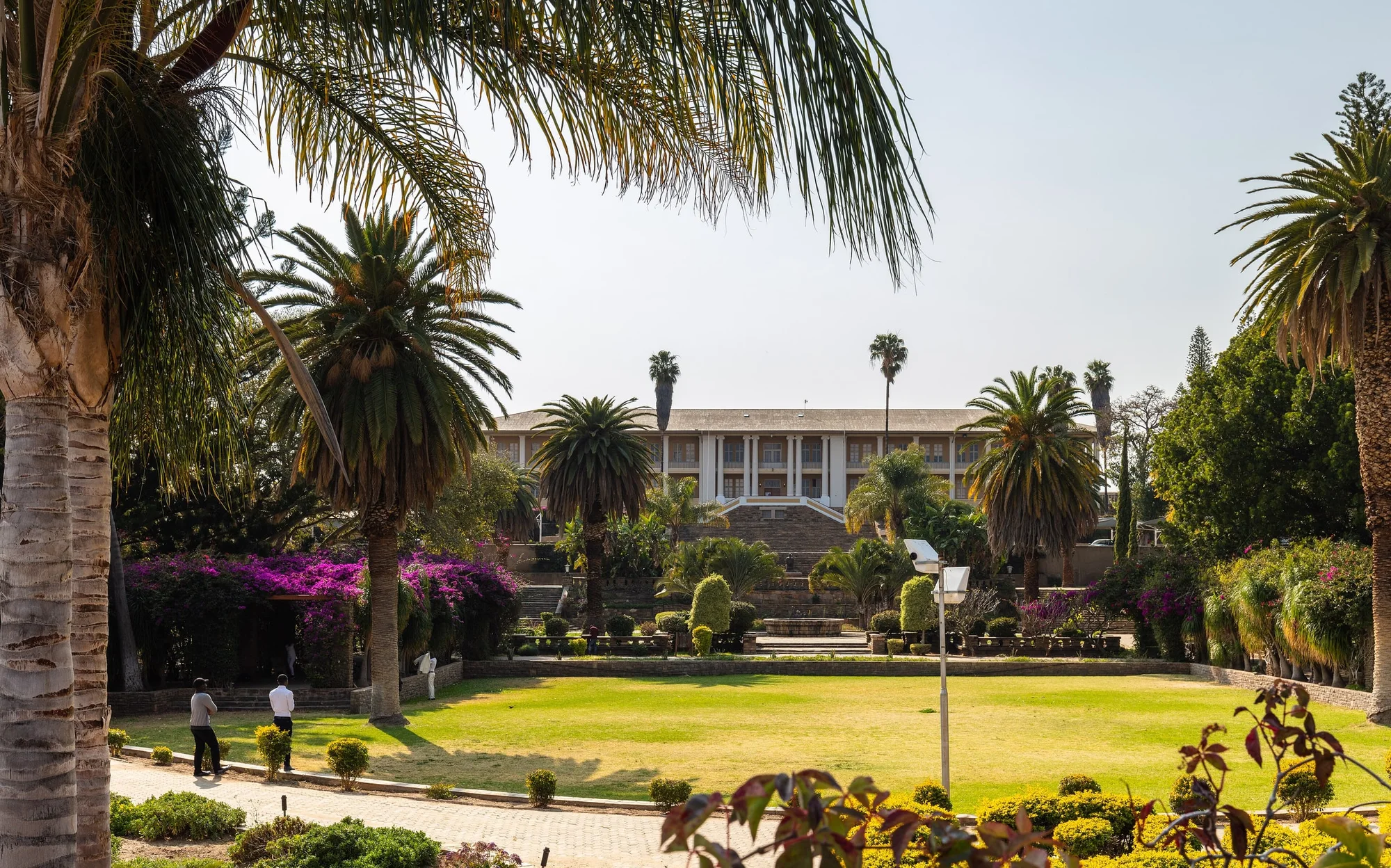
Namibia is one of those undiscovered lands that holds a ton of mystery. While many envision the country as simply being the sunbaked Namibian desert, there is a vast array of diverse destinations that make any time the best time to visit Namibia.
When deciding where to go in Namibia, you'll be spoilt for choice by the fascinating and accessible attractions scattered around the country, including wildlife-filled reserves, beguiling scenery and friendly towns. It’s tough to fit all of Namibia’s places of interest into a single itinerary, but there are several can’t-miss-spots for your bucket list: Sossusvlei is a must for a Namib Desert experience par excellence, while Etosha is a shoo-in for a spectacular Namibia safari.
Read our Namibia safari guide to find out everything you need to know about planning your ideal Namibia safari.
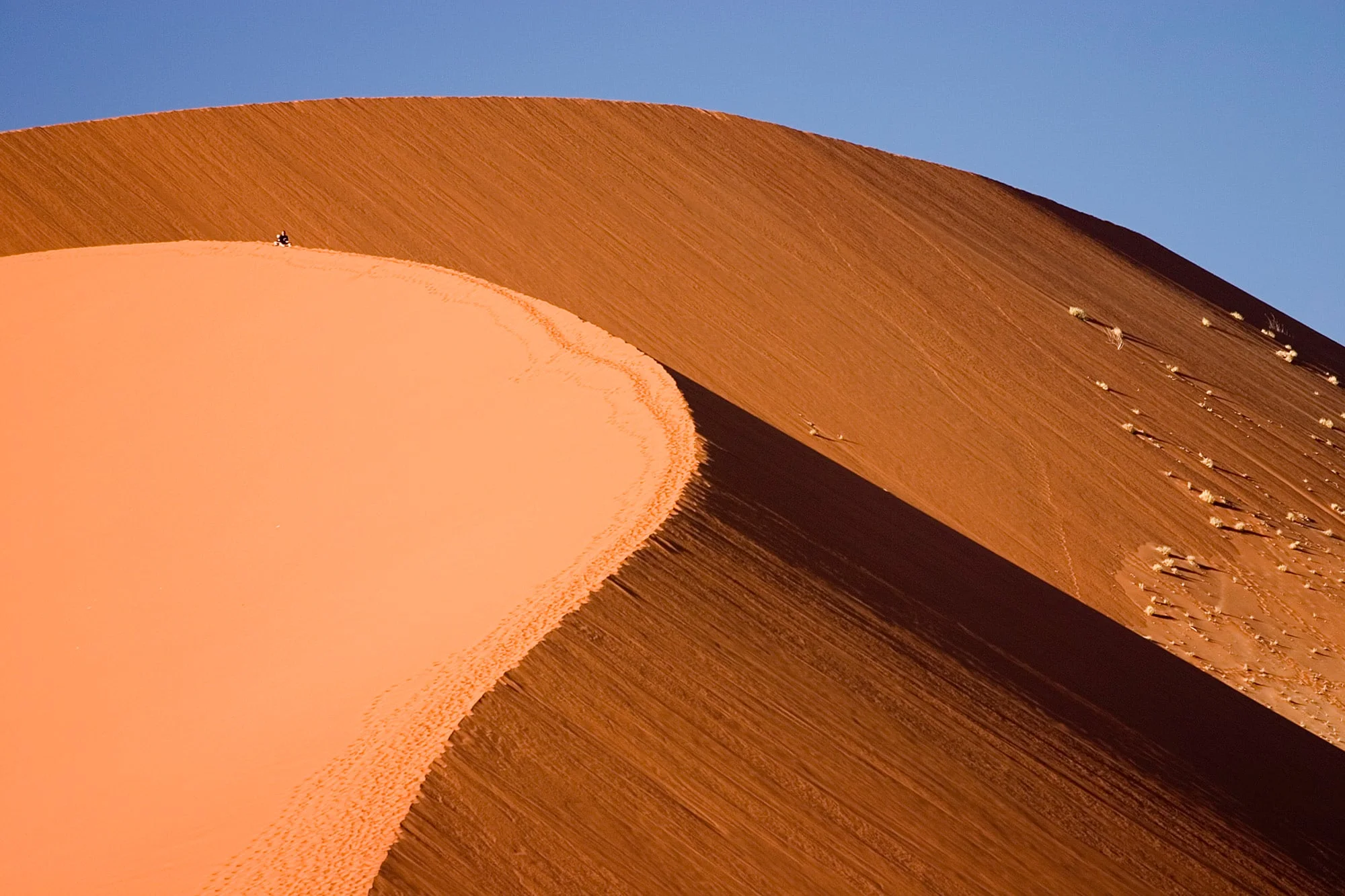
Deep in the Namib, the world’s most ancient desert, lies one of Africa’s most magical destinations: Sossusvlei – home to Namibia’s famous red sand dunes. Up to 300 metres high, these towering monoliths form the centrepiece of this extraordinary ocean of sand, but the Namib Desert has far more surprises than just the Sossusvlei Dunes. Make your base at one of the many excellent lodges here and discover the secret wildlife and astounding views of this beautifully haunting landscape, much of which falls under the protection of the Namib Naukluft National Park. Considered one of Namibia's top places of interest, you're guaranteed an unforgettable trip.
One of Africa’s biggest and best conservation areas, Etosha National Park is considered to be the top location for a quintessential Namibia safari. Located in Namibia’s far north, the wildlife reserve provides a feeling of being far removed from the rest of the country but is easily accessible by its gravel roads that can be travelled in your standard family car.
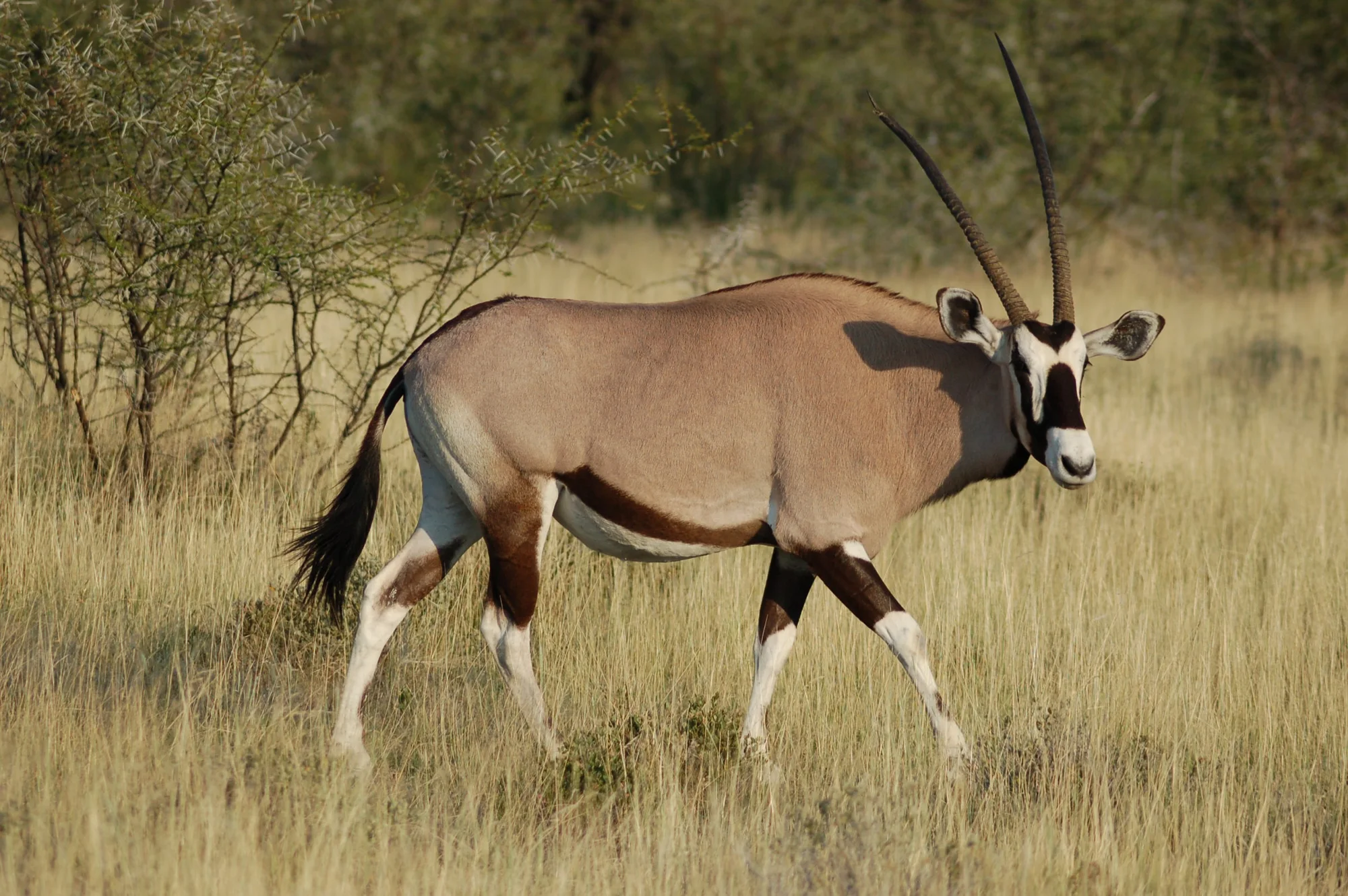
Dominated by its huge salt pan, Etosha is a big game country and offers an enticing blend of classic African animals such as elephant, zebra and giraffe, together with desert species such as black rhino, gemsbok and springbok. Lion, hyena and cheetah are often seen and Etosha’s famous wildlife-packed waterholes, which are a must-do in the May to October dry season (the best time to visit Namibia for wildlife viewing). Accommodation is available in the park but we’d recommend staying at one of the adjoining private reserves for luxury, exclusivity and a wide range of safari activities.
An inland region of rugged mountains, gravel plains and flash-flood rivers, Damaraland is where to go in Namibia for unadulterated scenic beauty. Considered one of the top Namibia destinations, this beautiful space offers utterly grand and breathtaking views by day, while at night the sky glows with countless, dazzling stars.
Situated in the Kunene Region of north-west Namibia, Damaraland is a hotspot for Bushman art and geological oddities while the wealth of animal life will surprise you – desert-adapted elephant, black rhino and many antelope species are among the A-list. Intimate lodges are hidden away in discreet locations and make for comfortable bases from which to explore the region during your immersive Damaraland vacation.
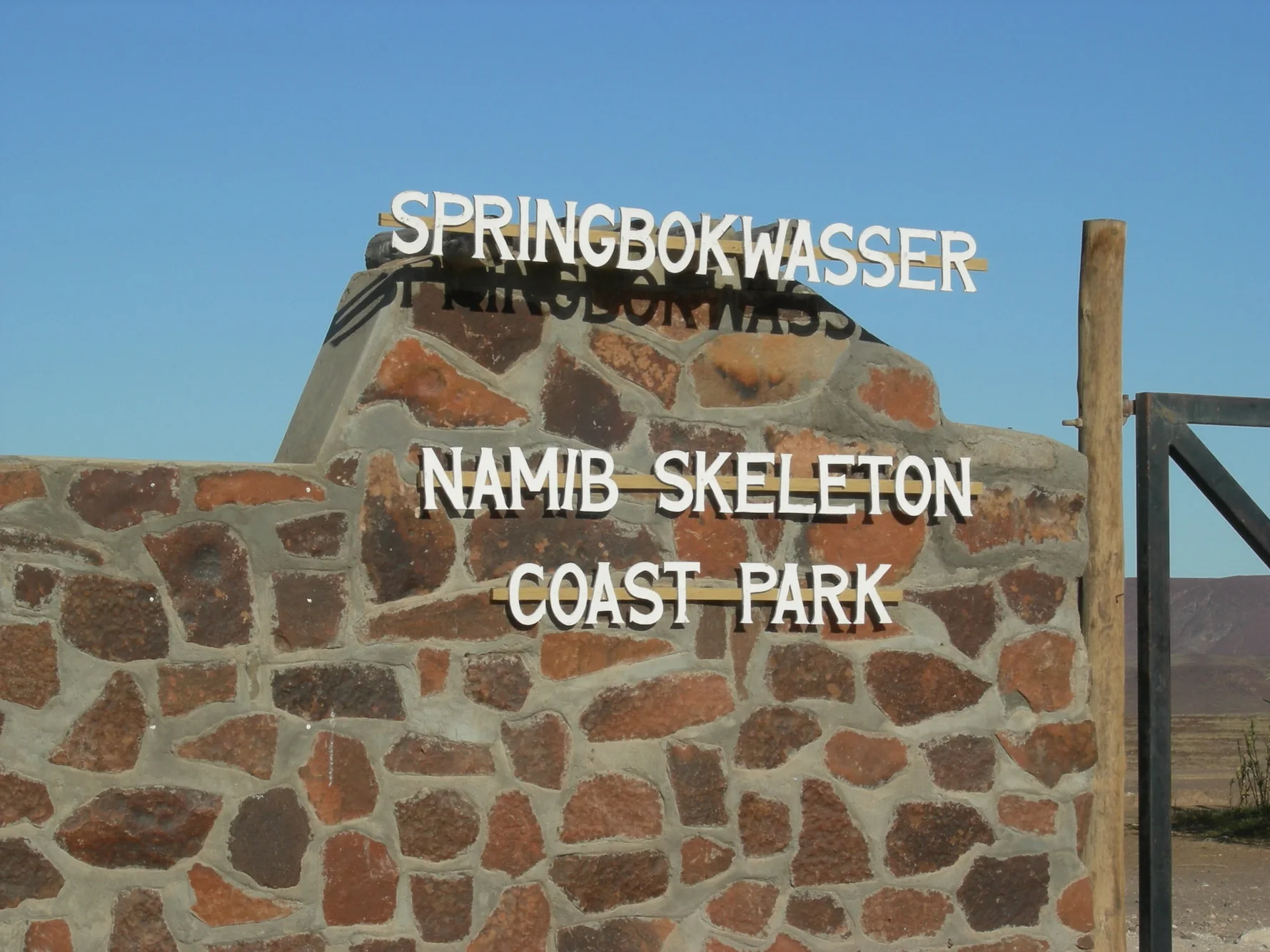
The battered shipwrecks that litter the beaches of the Skeleton Coast National Park may have given Namibia’s far northern shoreline its name, but there’s more to this region than just ghost stories. Huge seal colonies provide scavenging opportunities for brown hyenas and jackals, while vegetated inland river valleys support yet more abundant animals and birds – making it one of the top Namibia places of interest for most.
A genuine off-the-beaten-track destination, travellers looking for complete isolation, tranquillity and sensational views need to look no further than the handful of exclusive lodges in the area. One such spectacular spot to stay when visiting Namibia is The Shipwreck Lodge, which is as interesting and unique to the area as it sounds.
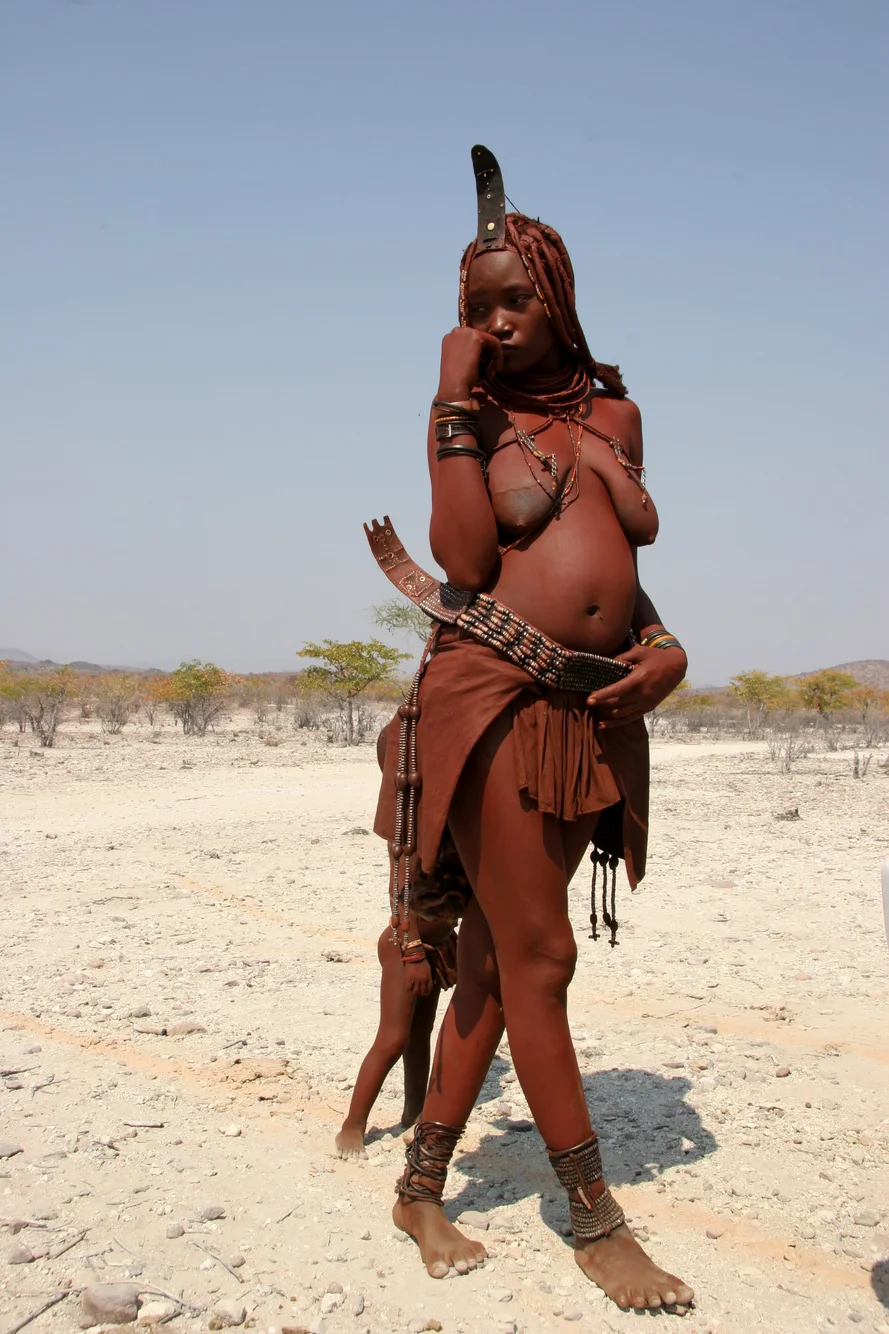
The famous ochre-painted Himba people have long made Namibia’s far northern region their home, but it is only in recent years that access to the Kaokoveld has been made possible – making it one of the top Namibia destinations for both local and international visitors.
Perhaps Southern Africa’s last true wilderness, the wild, sun-baked and remote Kaokoveld offers intrepid travellers an insight into how life can flourish in seemingly impossible conditions. Head for the handful of riverside lodges in the Kaokoveld, interact with local Himba communities and discover the secret wildlife of the area for a truly magical visit to Namibia. You'll find yourself yearning to stay a little (or a lot) longer.
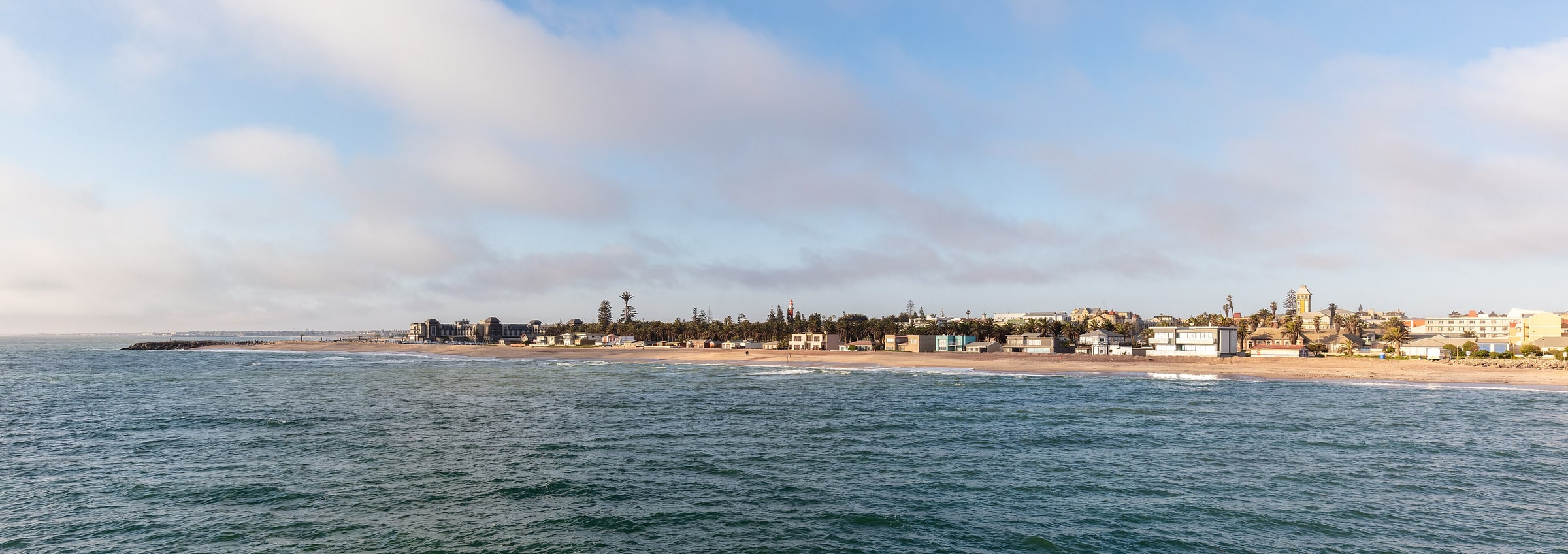
The perfect stop-over and stock-up Namibia destination, the seaside holiday town of Swakopmund blends its German colonial heritage with an unmistakable African character. Often blanketed by early morning sea fog, Swakopmund is where the Namib Desert meets Namibia’s Atlantic coast and offers easy excursions into the desert, a wide range of adventure and leisure activities plus many local Namibia places of interest. When planning your trip, be sure to include Swakopmund on your list for an immersive seaside town experience, filled with unique attractions on every corner, while on a visit to Namibia.
Something one could only conjure in their wildest dreams or fantasy movie, the ghost town of Kolmanskop is undoubtedly one of the top Namibia destinations for most travellers. This is not only due to the unique history, but due to the incredible photo opportunities granted by now-vacant mansions covered in sand dunes. A perfect example of how nature always wins, this spectacular sight is one every visitor should see. Make a day out of it and grab lunch in the slow, historic seaside town of Lüderitz – a short drive from Kolmanskop and filled with attractions all its own.
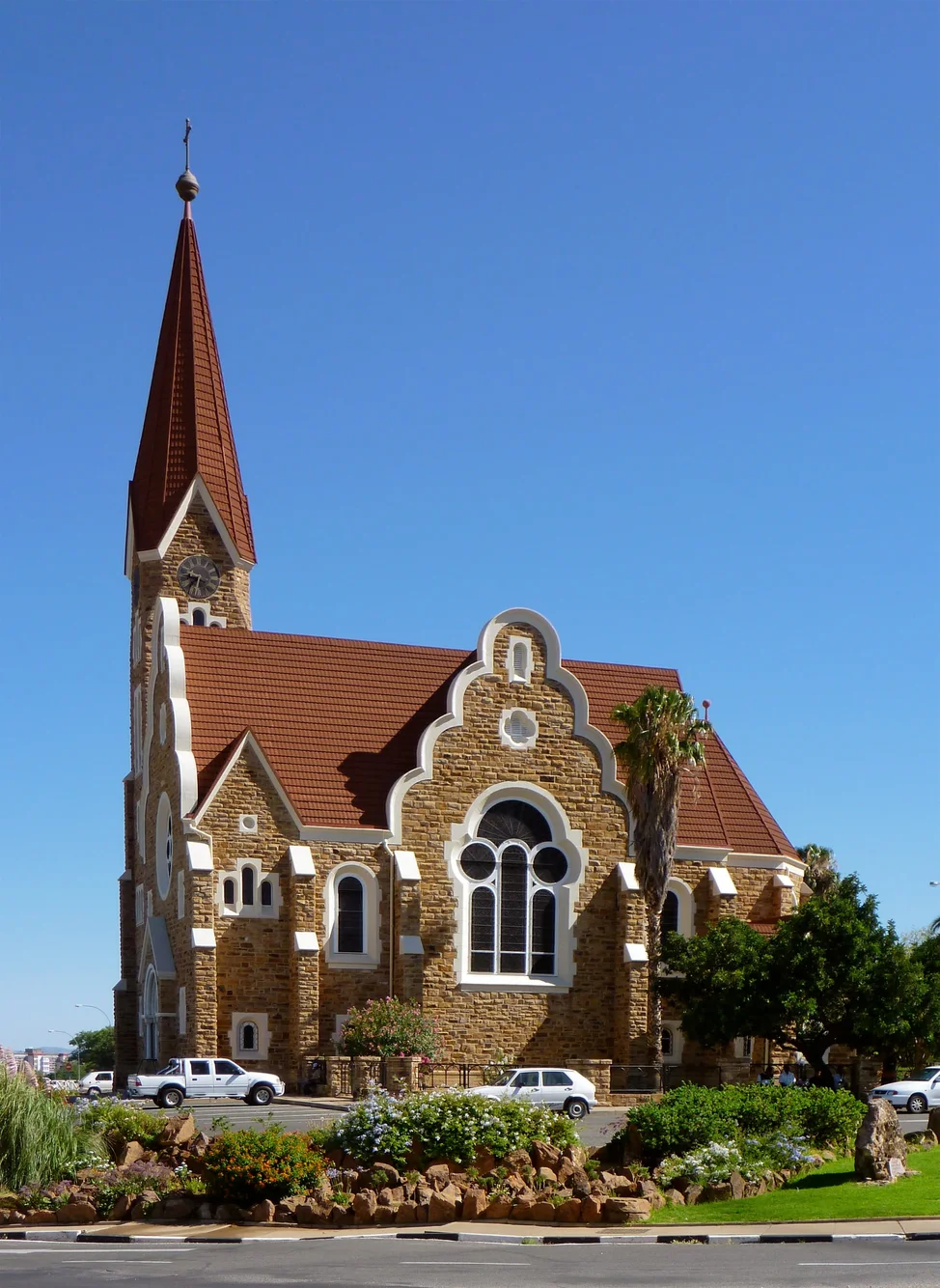
Clean, safe and friendly – it’s little wonder that Windhoek is one of Africa’s favourite capital cities and one of Namibia's top places of interest. What's more, its central location and international airport both make Windhoek an ideal base from which to begin or end a spectacular Namibia safari. Stock up on supplies, catch up on emails and give yourself a break – there’s plenty of accommodation in Windhoek, ranging from international chains to boutique hotels and lodges, and you won’t be short of places to eat and drink either. What more could you need?
The 200-metre-high, flat-topped Waterberg Plateau is sometimes described as the Lost Eden. Isolated in a flat landscape, the wooded grasslands of this brick-red block of sandstone are home to a wide range of animals that includes leopard, cheetah, white rhino, buffalo, plus the rare and endangered roan and sable antelopes and 200 bird species. The Waterberg Plateau can only be accessed on a Nature Conservation guided game drive or guided wilderness trail, both starting from the resort set at the plateau’s base. It's no wonder it's considered one of the prime Namibia destinations, and should always be included on your travel must-visit list.
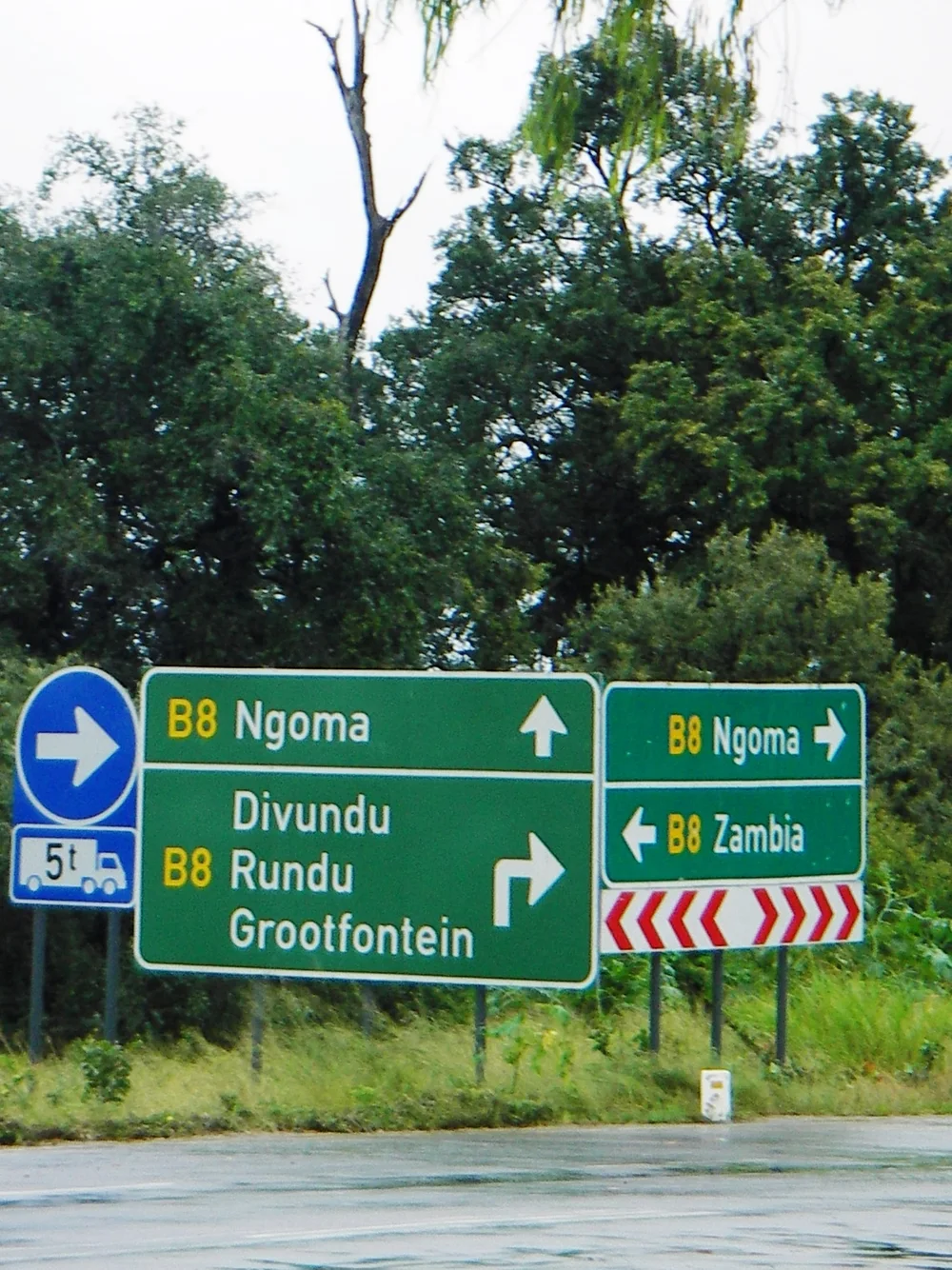
Once the forgotten frontier of Southern Africa, the Caprivi Strip (newly renamed as the Zambezi Region) has shed its notorious past and has emerged as one of the region’s top wildlife destinations. Much of the Caprivi is taken up by conservation areas, and it offers a wetland experience second only to the great Okavango Delta. Stay at one of the excellent lodges in the area and go on guided game drives and river cruises – it’s one of the great Namibia destinations to tick off elephant, buffalo, hippo and many antelope species – and it’s where to go in Namibia for some of the country’s best bird watching.
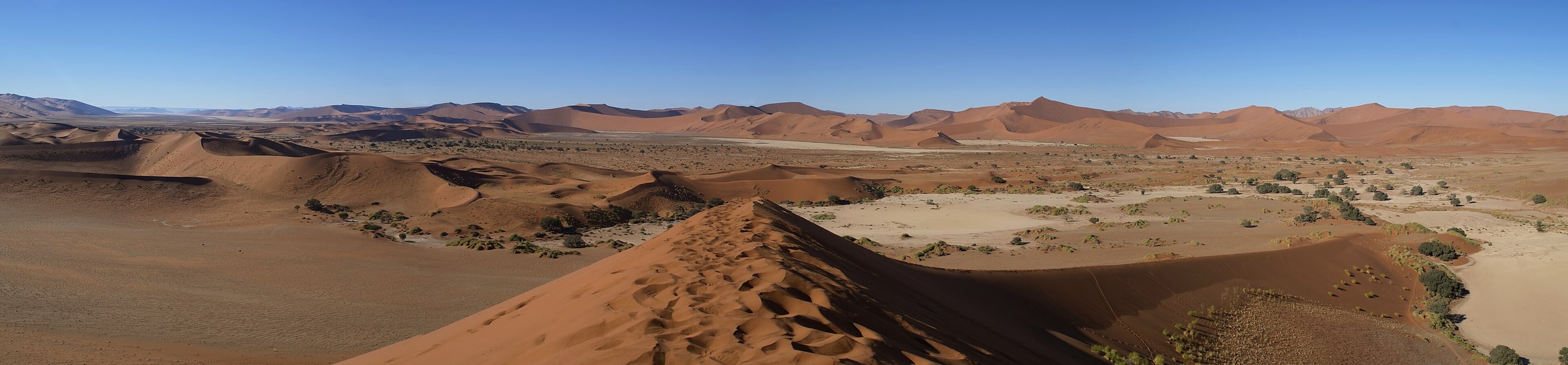
The second largest canyon in the world, the Fish River Canyon is absolutely magnificent and is one of the primary places of interest in Namibia. Breathtaking in its immensity, it comes as something of a shock when you arrive at its edge: a flat arid plateau suddenly drops half a vertical kilometre into 160 twisting kilometres of canyon. Get your cameras at the ready, because you'll want to forever capture the kaleidoscope of purples, greys and pinks, formed over hundreds of millions of years by the erosive power of the Fish River. You can view the awe-inspiring location from the comfort of your car, or immerse yourself further by venturing on the Fish River Canyon hiking trail.
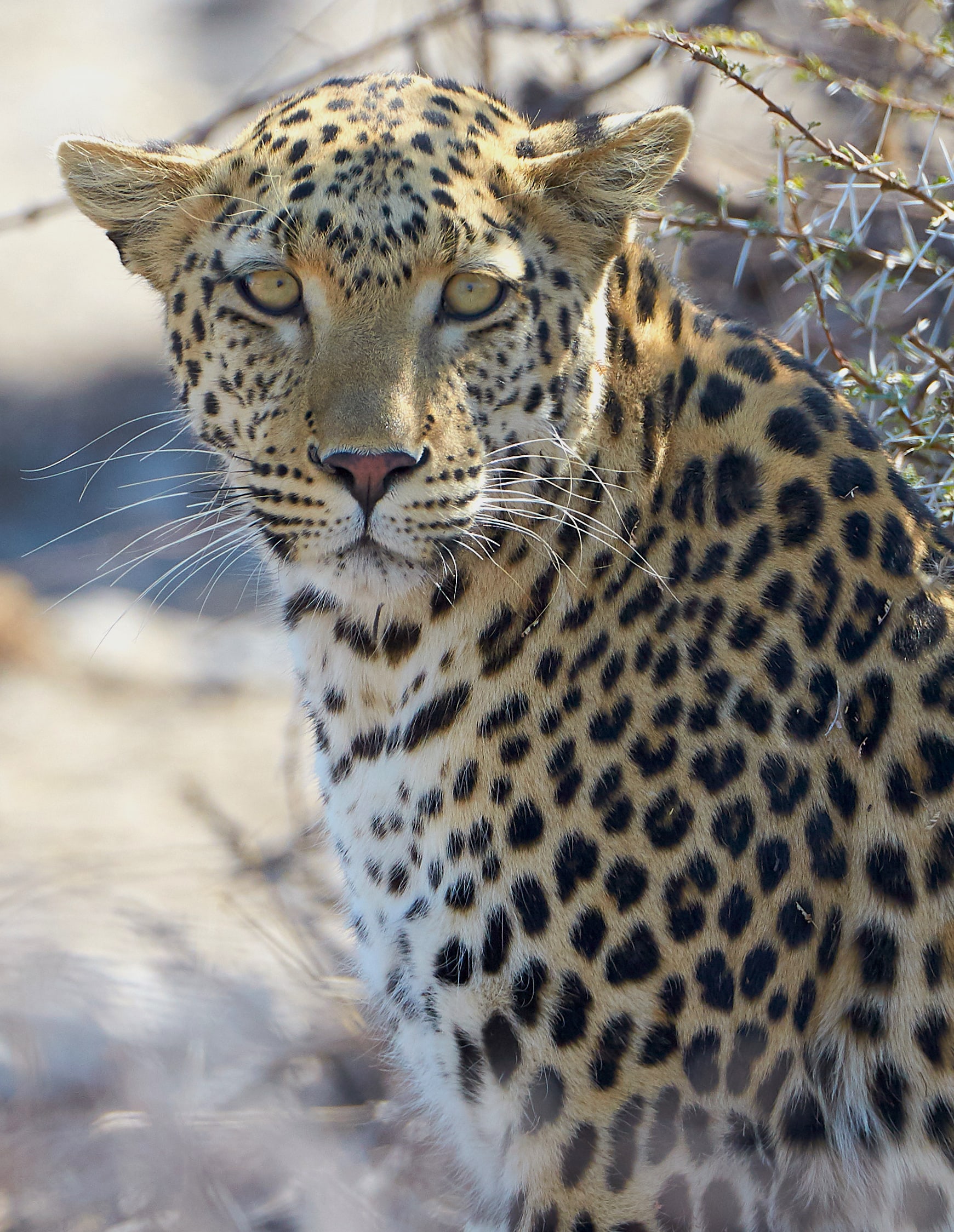
The dry May to October winter months are widely regarded as the best time to visit Namibia for game viewing – especially in Etosha National Park. The skies are clear, the risk of malaria is at its lowest, and animals are increasingly concentrated around water sources as the dry season wears on. However, prepare for frosty nighttime temperatures in June and July, whereas September and October can be extremely hot. The summer rains between November and April turn the country green and occasionally bring floods to the desert.
| Destination | Jan | Feb | Mar | Apr | May | Jun | Jul | Aug | Sep | Oct | Nov | Dec |
|---|---|---|---|---|---|---|---|---|---|---|---|---|
|
27°C
54mm |
26°C
64mm |
26°C
81mm |
26°C
25mm |
24°C
3mm |
22°C
0mm |
21°C
0mm |
24°C
0mm |
26°C
2mm |
28°C
10mm |
28°C
20mm |
27°C
17mm |
|
|
Fish River Canyon |
33°C
6mm |
33°C
9mm |
31°C
17mm |
29°C
6mm |
25°C
3mm |
23°C
3mm |
22°C
2mm |
24°C
1mm |
26°C
2mm |
29°C
3mm |
31°C
2mm |
33°C
3mm |
|
25°C
6mm |
25°C
8mm |
25°C
13mm |
24°C
4mm |
22°C
2mm |
21°C
3mm |
20°C
1mm |
20°C
1mm |
21°C
1mm |
23°C
1mm |
24°C
2mm |
25°C
1mm |
|
|
35°C
36mm |
34°C
39mm |
32°C
42mm |
29°C
22mm |
24°C
6mm |
21°C
2mm |
22°C
0mm |
24°C
1mm |
28°C
1mm |
31°C
7mm |
34°C
12mm |
35°C
16mm |
|
|
23°C
5mm |
24°C
4mm |
24°C
10mm |
23°C
1mm |
22°C
0mm |
21°C
0mm |
19°C
0mm |
18°C
0mm |
19°C
0mm |
20°C
0mm |
22°C
1mm |
22°C
1mm |
|
|
31°C
75mm |
29°C
92mm |
28°C
84mm |
27°C
33mm |
25°C
6mm |
22°C
2mm |
23°C
0mm |
26°C
1mm |
29°C
3mm |
31°C
12mm |
31°C
28mm |
32°C
31mm |
|
| Dry Season | ||||||||||||
| Wet Season | ||||||||||||
| Best Time for Safari |
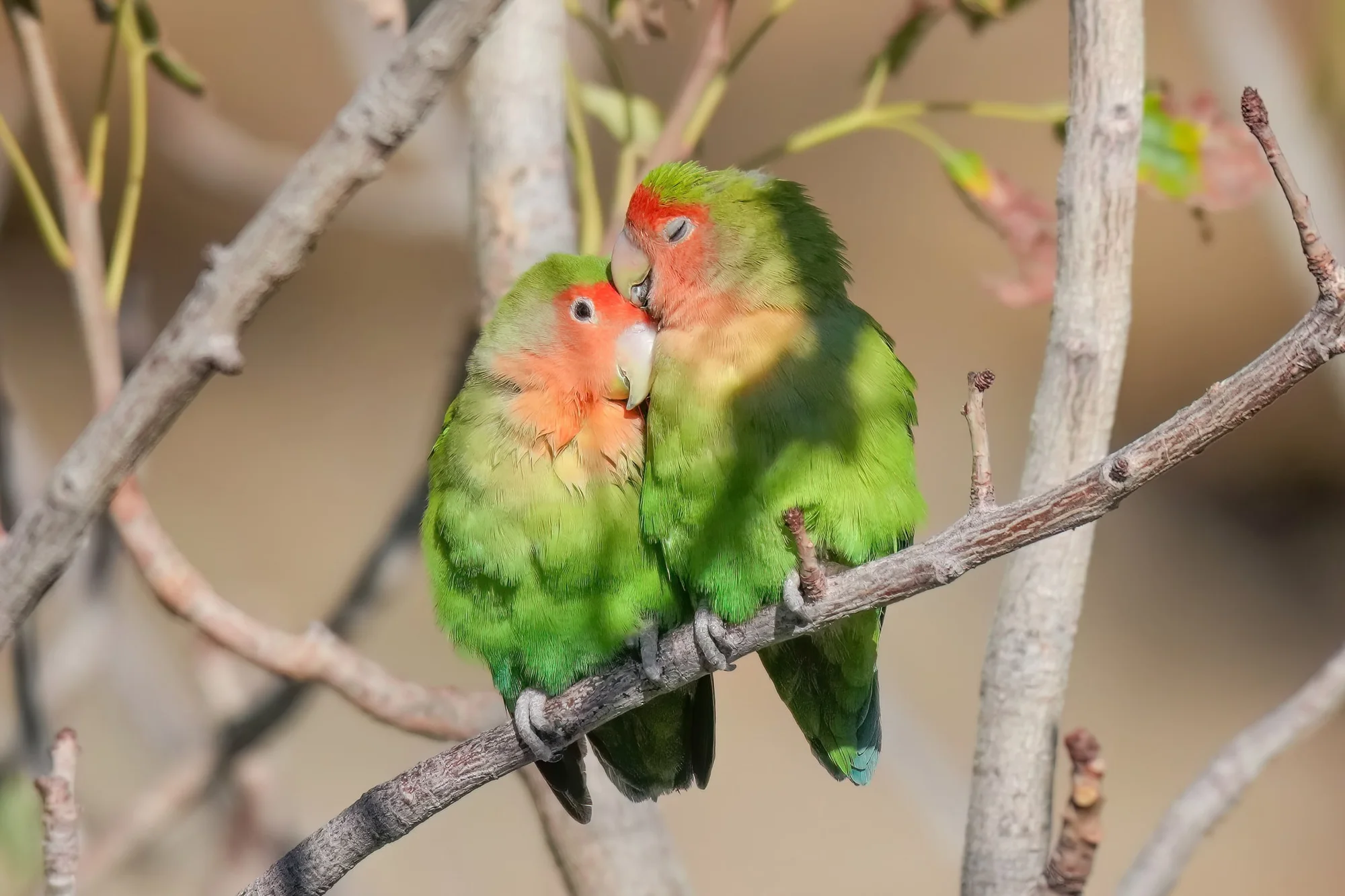
It is mid-summer in January and temperatures in most parts of the country are hot, with some parts experiencing heavy afternoon showers. The summer rains make Etosha National Park green and lush, but wildlife spotting can sometimes be challenging through the dense foliage. Bird watching is especially good this time of year, particularly to see the pink plumes of the flamingo. It's not advisable to travel to the Zambezi Region (previously the Caprivi Strip) during the rainy months, as the area receives the most rainfall in Namibia and roads may be flooded. There is also a higher risk of malaria.
February is the warmest, wettest and most humid month. If you can tolerate the rain, there's plenty to enjoy. The month of February coincides with the calving season in Etosha National Park, and even though it's a tricky time to spot wildlife, you could have the opportunity to see newborn babies.
There is less rainfall in March, but it's still hot and humid in the day with the nights starting to get cooler. March is not the best month for game viewing, but April is the best time to go to Namibia if you are an avid photographer – the skies are clear and nature's canvas beckons.
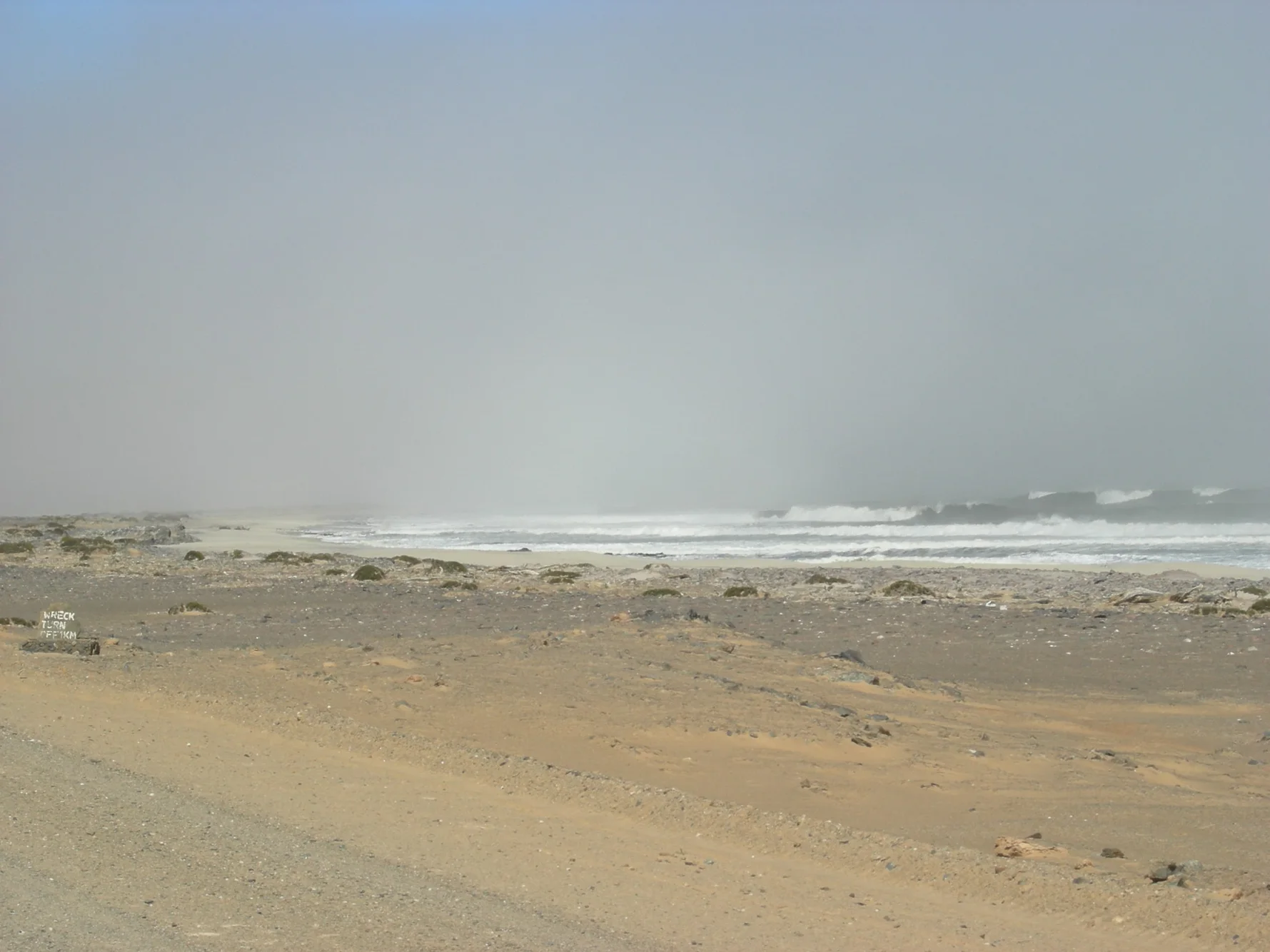
May is the start of winter and is highly regarded as the best time to go to Namibia, as it marks the start of peak safari season. The conditions are perfect for game drives, with little to no rainfall and a low humidity. This is when wildlife start gathering around watering holes as the rivers and other larger water sources dry up and water becomes scarce.
The nights become colder during June and at times the temperature can drop dramatically, while the desert areas can experience below freezing conditions. During the day, the weather is pleasant with clear, blue skies. With no rainfall, the landscape becomes dry and sparse, making it much easier to spot wildlife while on a luxury safari in Namibia. The game parks are still relatively quiet at the start of the month but can get very busy towards the end of June.
July is by far the driest month of the year and is one of the best times for travelling to Namibia and visiting the game parks, especially Etosha National Park. It's not uncommon during this time to see a huge range of wildlife – elephant, zebra, giraffe, gazelle and wildebeest – in big numbers, all drinking together at one watering hole.
August is the height of winter but is a very popular time for travelling to Namibia, so it's best to book accommodation well in advance. This is an excellent month for wildlife viewing and for outdoor desert activities – the daytime temperatures remain pleasant and mild despite the very cold nights. A highlight in August is the wild spring flowers coming into bloom which creates a beautiful, flowery carpet across the landscape in the Ai-Ais Richtersveld Transfrontier Park.
September is an ideal time for travelling to Namibia on safari. Day time temperatures are pleasant, and the nights begin to warm up. The landscape is still dry during this month, meaning game viewing is excellent.
October marks the last month of Namibia's winter. The weather starts to get warmer and there is a chance of rain, but the skies are generally still clear – perfect for star-gazing and game viewing. October is where to go in Namibia for whale watching on the coast as southern right, minke and humpback whales pass by the Walvis Bay area on their annual Atlantic migration.
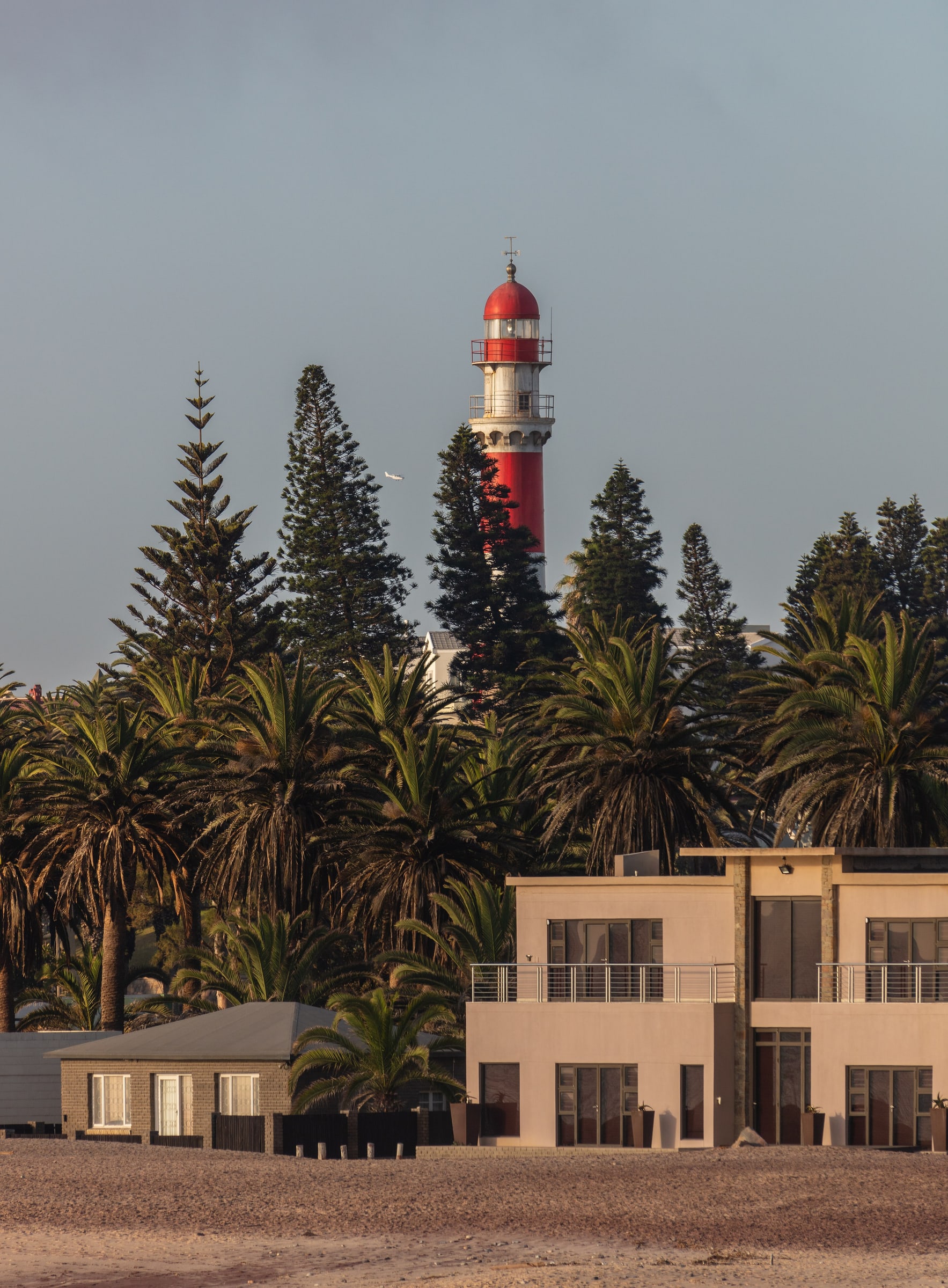
The rainy season begins in November, and it becomes cooler across the country. The weather is quite unpredictable during this month, but as the rain makes its way in, you could see some rather impressive thunderstorms. From November to about February, flamingos abound in Swakopmund – bright pink plumes gathering in their thousands around lagoons.
December offers very rewarding game viewing in Etosha National Park with spectacular elephant, lion, rhino and kudu sightings. Summer is the best time to go to Namibia for bird watching, as the migrant birds begin to arrive with the rainy season. This is a very busy time of year with school holidays and the festive season bringing many visitors to Namibia for an end of year safari holiday.
Chat with someone who’s been there. Get in touch with one of our Africa Safari Experts to help tailor-make a trip to Namibia that’s right for you.
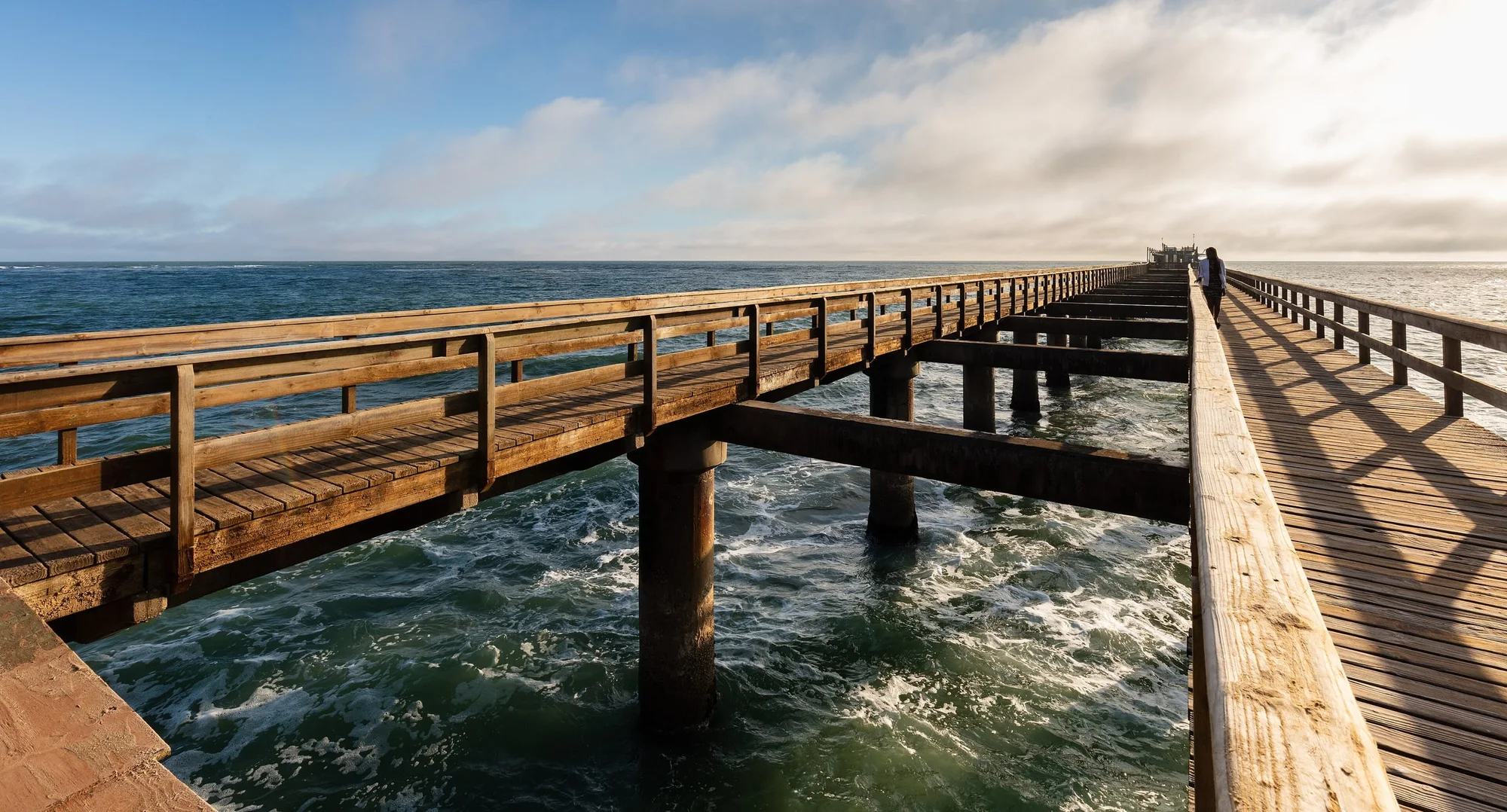
There’s nothing like up-to-date, relevant travel information direct from the experts – get our practical Namibia travel advice before you go.
For flight schedules, fares and booking terms, check directly with the airline or your chosen travel agent.
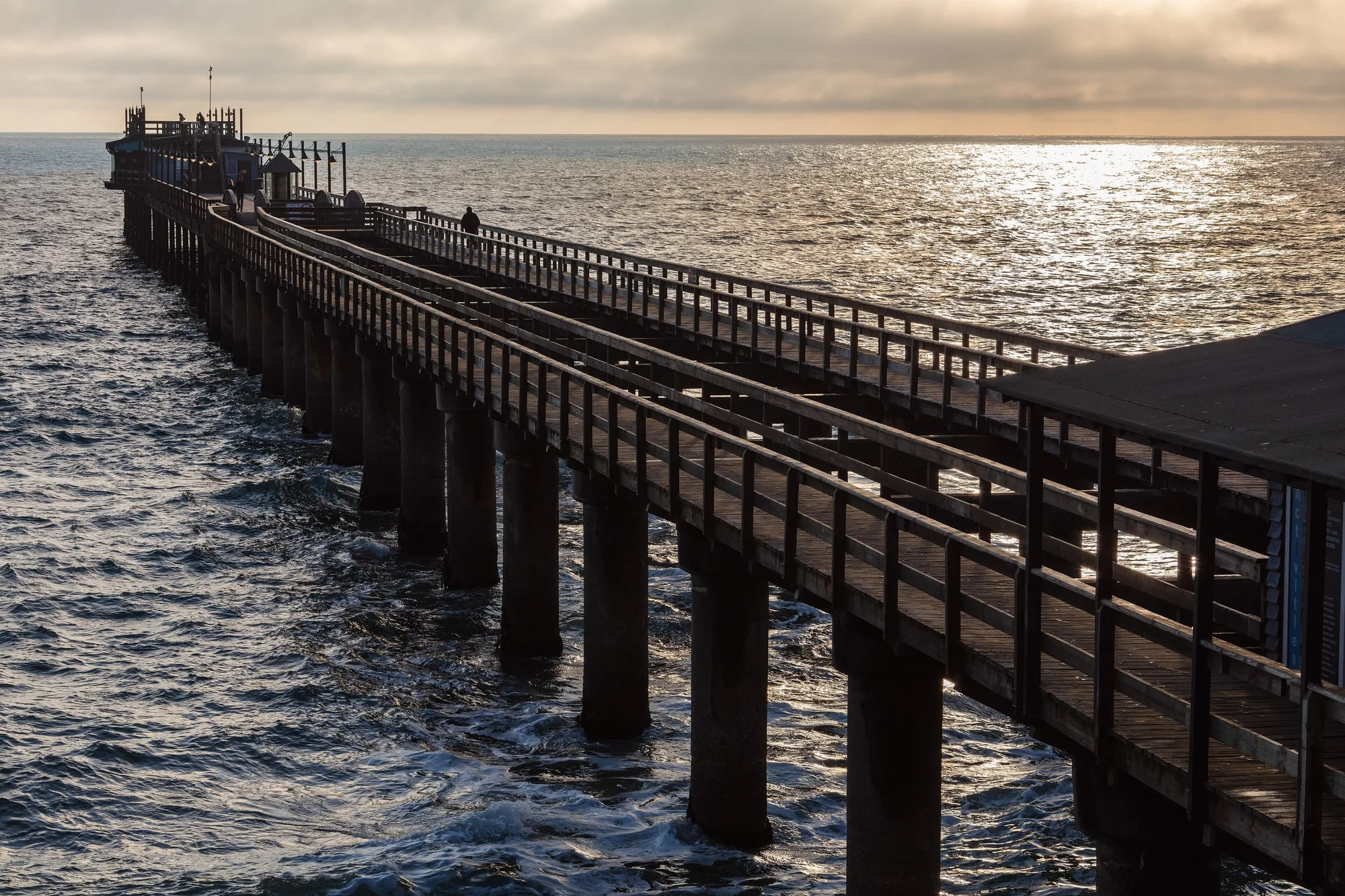
There are two primary ways to explore Namibia: by air or by road.
Flying Safaris: This is the most luxurious and time-efficient method. You'll hop between lodges in light aircraft, which transforms travel time into a scenic flight over incredible landscapes like the Skeleton Coast.
Self-Drive or Guided Road Transfers: Namibia is one of the few African destinations where self-driving is highly recommended due to its excellent (though often gravel) roads and clear signage. For a more relaxed experience, we can arrange a private driver-guide who handles the long distances while providing expert insight into the desert’s hidden wonders.
Hosea Kutako International Airport: Windhoek‘s major airport is the international gateway, but to get to the country’s far-flung destinations by air you’ll be transferring to the capital’s second airport – Eros – for charter flights on light aircraft.
Walvis Bay Airport: located 15km east of Walvis Bay, Namibia’s second largest airport is well located for easy access to Swakopmund and the Skeleton Coast.
Transfers and game drives in Namibia are usually conducted in open-sided 4X4 vehicles.
The country’s good infrastructure means that many visitors to Namibia hire a car for a self-drive holiday which makes for independent, flexible travel within the ambit of a pre-planned itinerary. Self-drivers staying at private reserves join the other guests for guided game drives in 4X4s.
Yes, Namibia is very well-connected to South Africa, making it easy to combine the two. There are multiple daily direct flights (approximately 2 hours) from Johannesburg and Cape Town to Windhoek's Hosea Kutako International Airport. Additionally, for those on an extended road trip, the border crossings are professional and efficient. Many travelers enjoy a “best of both worlds” itinerary, starting with the greenery of the Cape or the Kruger and ending in the dramatic, arid landscapes of the Namib Desert.
Namibia's great infrastructure means that you can easily hire a car and enjoy a self-drive vacation – ideal for independent and flexible travel. Just bear in mind that Namibia is not a small country and driving will take up quite a bit of your time:
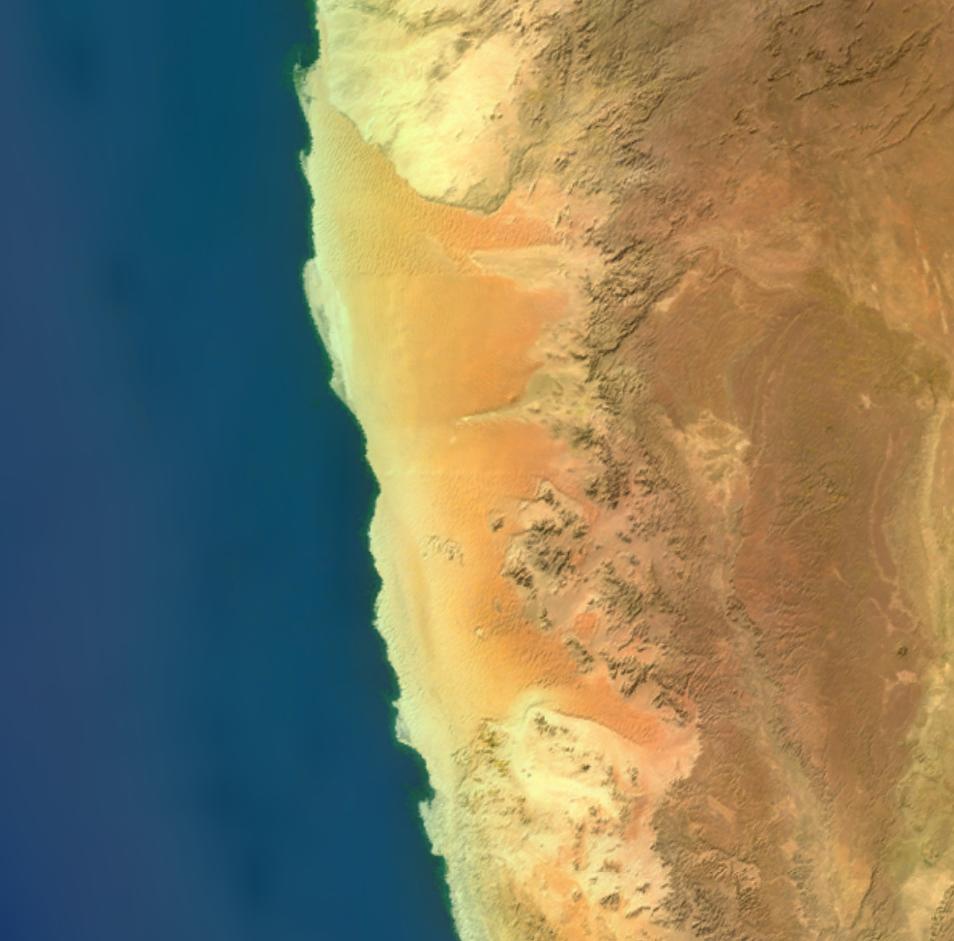
If you are sticking to the main tourist routes between Windhoek, Swakopmund, and Etosha, a standard 2WD vehicle is often sufficient. However, to truly explore the ‘real’ Namibia, including the sandy tracks of Sossusvlei or the rugged terrain of Damaraland, a high-clearance 4×4 is strongly recommended. It provides a much smoother ride on gravel roads and the peace of mind needed for remote travel.
Visa and Mastercard credit cards are generally accepted throughout Namibia though holders of other credit cards are advised to check whether their card is acceptable. Self-drivers should note that credit cards are not accepted at petrol stations.
Banking hours: 9am to 3:30pm Monday to Friday and 8am to 11am on Saturday.
Yes. The Namibian Dollar is pegged 1-to-1 with the South African Rand, and Rand are widely accepted as legal tender throughout the country. You can pay for almost everything in Rand, though you will likely receive your change in Namibian Dollars. Please note that while the Rand works in Namibia, the Namibian Dollar is generally not accepted in South Africa, so try to spend your local currency before you head home or elsewhere.
Tipping for good service in Namibia is only expected in upmarket tourist establishments but is officially prohibited in national parks and reserves. A service charge is included in many restaurant bills – if not, and the service was satisfactory, a tip of 10% is standard.
For in-depth tipping guidelines, enquire with one of our Africa Safari Experts – they’d be happy to share their knowledge with you.
Refer to “best time to visit Namibia” for climate charts and details on the best wildlife-viewing times.
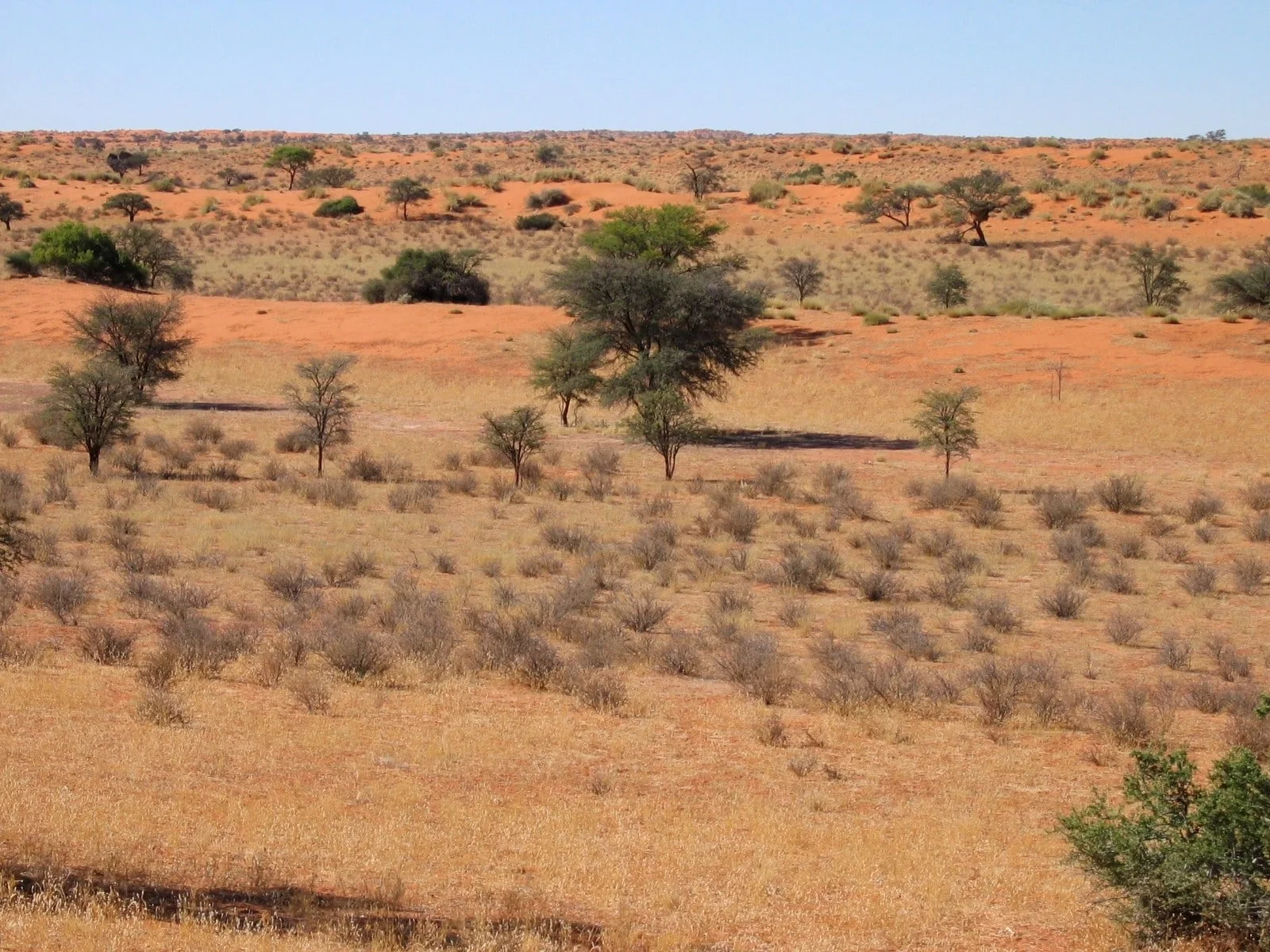
The key word for Namibia is layers. Because it is a desert environment, temperatures can swing from near-freezing at dawn to over 30°C (86°F) by midday. We recommend packing lightweight cotton clothing for the day and a high-quality fleece or down jacket for early morning game drives and evenings. Don't forget a wide-brimmed hat, high-SPF sunscreen, and a good pair of closed walking shoes for exploring the dunes.
For more on what to pack for a safari, refer to our Africa Safari Guide travel advice section.
Every visitor to Namibia must be in possession of a passport that is valid until six months after the initial date of travel; however no visas are required for citizens of the USA, UK, most European countries (including France, Germany, Italy, Austria, Belgium, Spain and Switzerland), Australia, New Zealand, Canada, Malaysia, Japan and Singapore. Travellers receive entry for 90 days and visas for onward travel can be obtained in Windhoek.
For visitors from other countries, please check with your nearest Namibian Consulate about obtaining a visa.
Watch this video: Product Manager Liesel van Zyl talks about Namibia on a local TV programme.
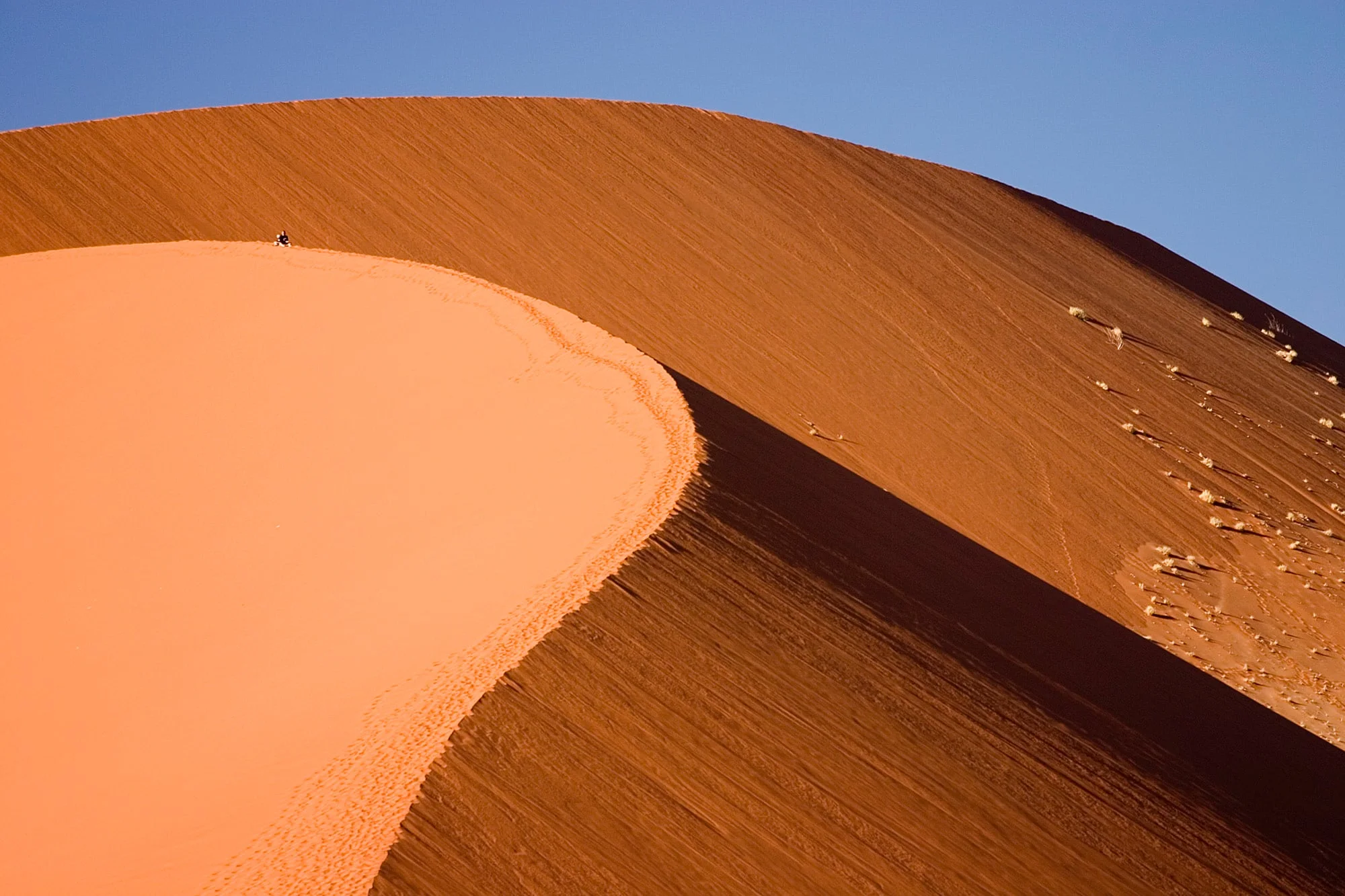
Namibia is an exceptional destination for families, especially those with an adventurous spirit. It offers a “giant sandbox” experience with the world's highest dunes at Sossusvlei, fascinating desert-adapted wildlife, and the charming seaside town of Swakopmund, which serves as an adventure hub for all ages. Many lodges in Namibia are specifically designed for families, offering private villas and “Young Explorer” programs. Because Namibia has several malaria-free regions and a very high standard of infrastructure, it is often a top choice for parents seeking a secure but awe-inspiring African adventure.
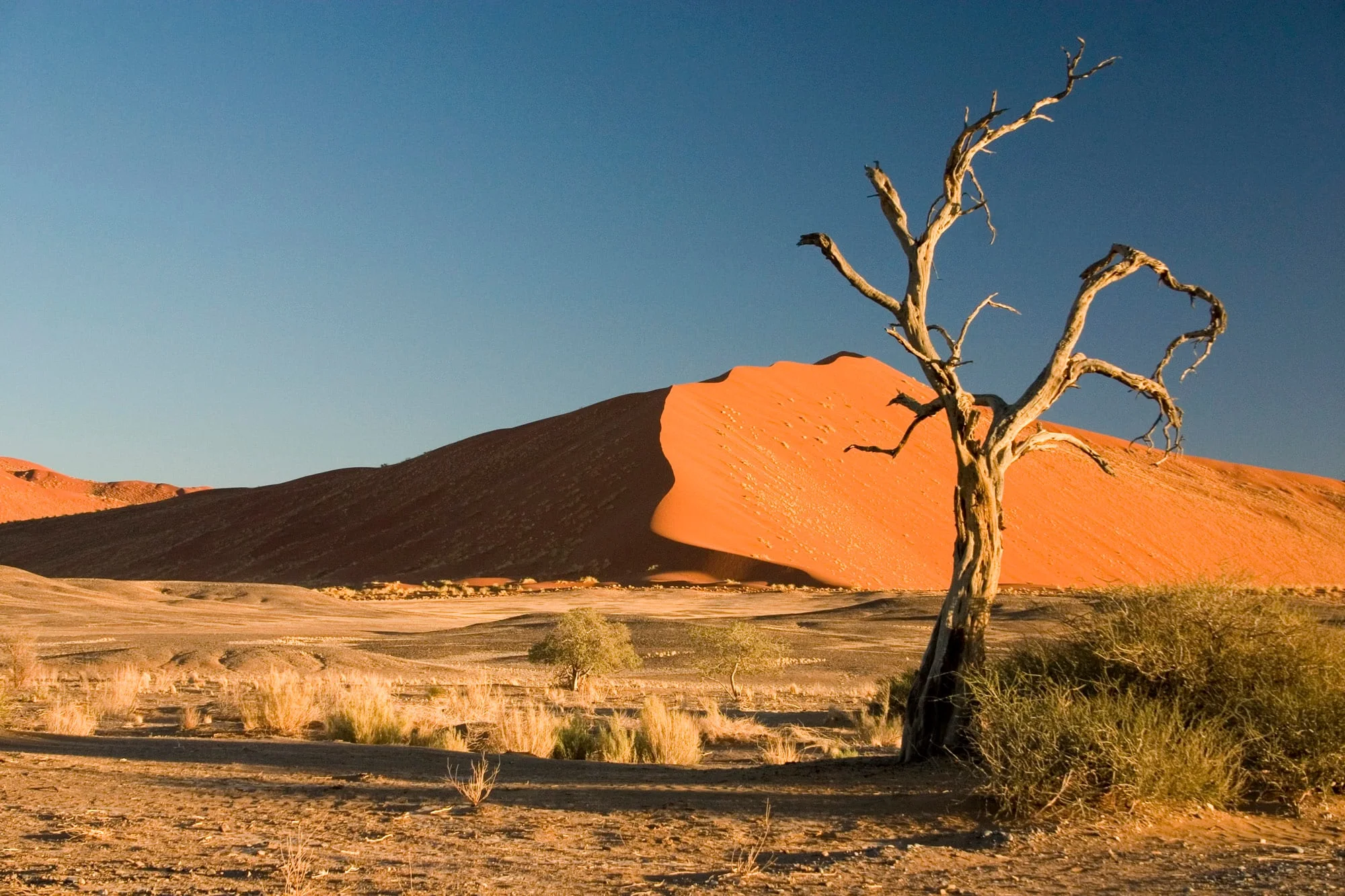
Large parts of central and southern Namibia - including the famous Sossusvlei and Damaraland - are considered malaria-free. However, the far northern regions, including Etosha National Park and the Zambezi Region (Caprivi Strip), are risk areas, particularly during the rainy summer months. We always recommend consulting a travel clinic, but for travelers specifically seeking a malaria-free holiday, Namibia offers some of the best options in Africa.
For a remote country dominated by bone-dry deserts and arid mountains, Namibia has a surprisingly diverse and complex history. Settled first by San Bushmen and then by migrating African herders and farmers, European involvement only began in the late 1800s. A brief but influential episode under German colonial rule preceded 70 years of South African control. Namibia’s subsequent freedom struggle was set against the backdrop of the Cold War and it was only in 1990 that the country won its independence.
Home to significant deposits of precious metals, uranium and diamonds, the mining industry dominates Namibia’s economy and accounts for a quarter of its revenue though it is tourism which is one of country’s major employers, accounting for 18% of total employment. Offshore gas deposits are set to be exploited in the future.
Twice the size of Germany but home to only 2.1 million people, Namibia has the world’s second-lowest population density. Most Namibians are Ovambos but significant minorities are present and include the Herero as well as San Bushmen, Germans and Afrikaners. The overwhelming majority consider themselves Christian though traditional beliefs still hold sway in rural areas.
English is Namibia’s official language but German and Afrikaans speakers will find themselves understood throughout the country. Much of Namibia’s modern culture is similar to South Africa’s but the country is home to some of Africa’s best rock art as well as the traditional-living Himba people of the Kaokoveld who still adorn their bodies in a mixture of animal fat and natural pigments.
Most of Namibia’s population lives on the relatively fertile central plateau but it’s the Kalahari and Namib Desert environments that define the country. Running all the way to the icy Atlantic Ocean, the red-sand Namib is the world’s oldest desert and home to the famous dunes of Sossusvlei. Open woodlands and grassy savannahs are the main features of the more watered north, while extensive wetlands are found in the Caprivi Strip (newly renamed the Zambezi Region), an oddly shaped part of Namibia left over from the colonial era.
Environmental protection is constitutionally guaranteed and some 15% of the country is given over to parks and reserves. Wildlife is prolific, even in Namibia’s deserts where familiar species such as elephant and lion have adapted to the demanding conditions, but it’s the country’s flagship Etosha National Park that delivers the country’s best game viewing. Home to a mix of both savannah and desert species, Etosha is particularly famous for its floodlit waterholes and as a stronghold for endangered creatures such as cheetah and black rhino.
Other wildlife highlights include the small but teeming Caprivi reserves which offer amazing bird watching and large elephant and buffalo herds as well as the unique Waterberg, an isolated plateau full of classic savannah animals.
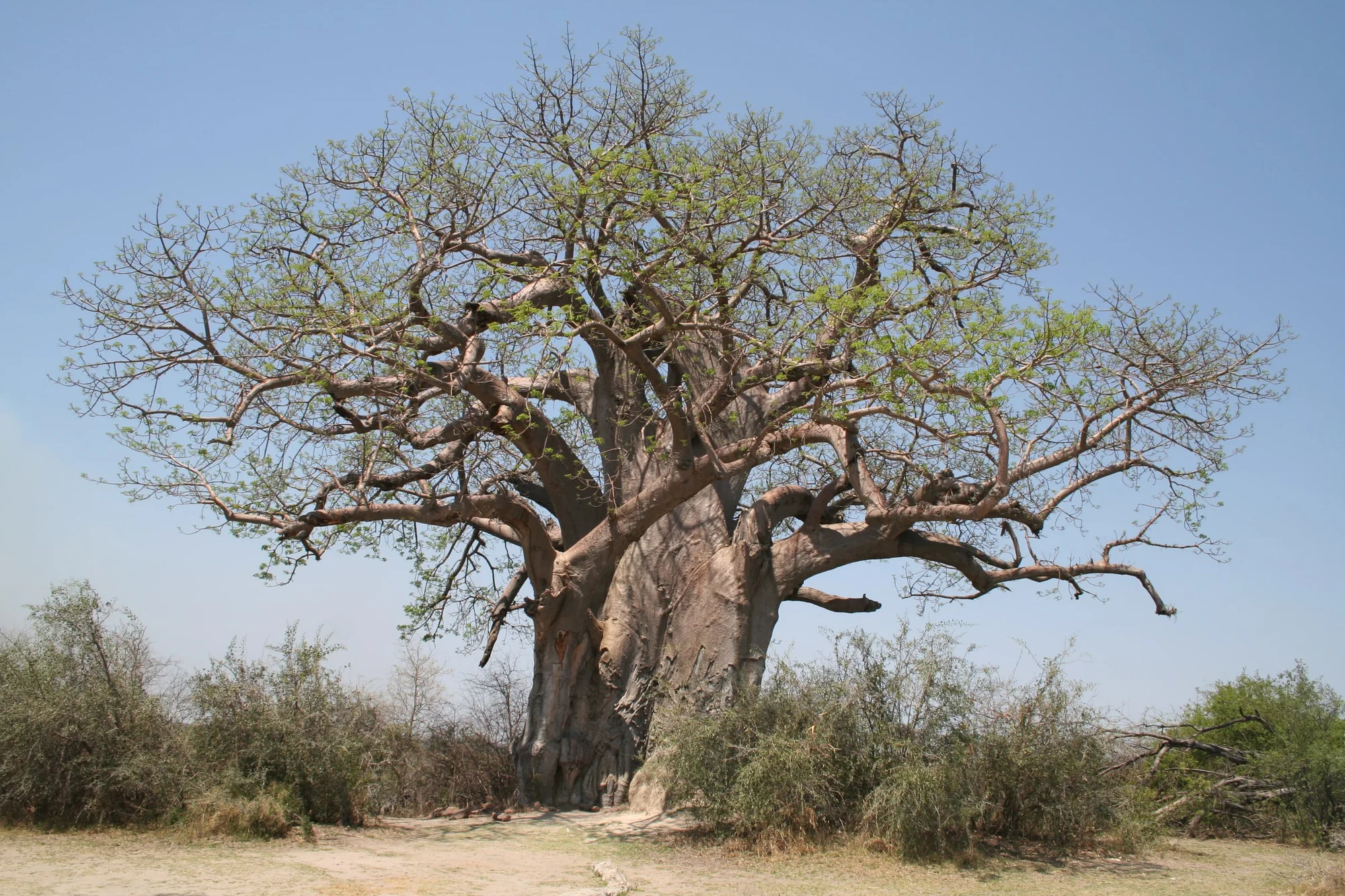
Chat with someone who’s been there. Get in touch with one of our Africa Travel Experts to help tailor-make a trip to Namibia that’s right for you.
From big game safaris in Etosha National Park to scaling the dunes of the Namib and tracking desert rhinos in Damaraland, Namibia offers incredible experiences and breathtaking landscapes in a number of top destinations. It’s a big country but with good infrastructure, and a tour or safari in Namibia can easily combine many of these highlights – most easily as a fly-in safari but also on a self-drive tour.
Most itineraries take in ever-popular Swakopmund, Sossusvlei and Etosha, but tours into the wild Kaokoveld and Skeleton Coast as well as the green and well-watered Caprivi Strip (newly renamed as the Zambezi Region) also provide plenty of adventure plus great game viewing and bird watching.
Our selection of top Namibia tours and safaris caters for everyone. If you can’t find the perfect itinerary, why not contact one of our Africa Safari Experts and let them create a tailor-made Namibia trip for you?
Stay at luxuriously stylish and comfortable safari accommodations in private conservancies. Visit some of Namibia's most popular destinations, like Sossusvlei.
Great mix of wildlife and stunning scenery. Classic big game viewing – elephant, rhino, big cats.
Take in Namibia's mesmerising scenery from the air. Visit the iconic sand dunes at Sossusvlei.
Visit a traditional Himba village. See the ‘fairy circles' of Marianfluss.
Enjoy the timeless elegance on Rovos Rail. Watch the changing Southern African landscape.
Stay at luxuriously stylish and comfortable safari accommodations in private conservancies. Visit some of Namibia's most popular destinations, like Sossusvlei.
Stay at luxuriously stylish and comfortable safari accommodations in private conservancies. Visit some of Namibia's most popular destinations, like Sossusvlei.
Great mix of wildlife and stunning scenery. Classic big game viewing – elephant, rhino, big cats.
Great mix of wildlife and stunning scenery. Classic big game viewing – elephant, rhino, big cats.
Take in Namibia's mesmerising scenery from the air. Visit the iconic sand dunes at Sossusvlei.
Take in Namibia's mesmerising scenery from the air. Visit the iconic sand dunes at Sossusvlei.
Visit a traditional Himba village. See the ‘fairy circles' of Marianfluss.
Visit a traditional Himba village. See the ‘fairy circles' of Marianfluss.
Enjoy the timeless elegance on Rovos Rail. Watch the changing Southern African landscape.
Enjoy the timeless elegance on Rovos Rail. Watch the changing Southern African landscape.
Priced itineraries that pass through this place. Nights can still change when the quote is drawn up. Nothing is paid until you accept it.
Ask for the rate
Namibia's Desert Flying Safari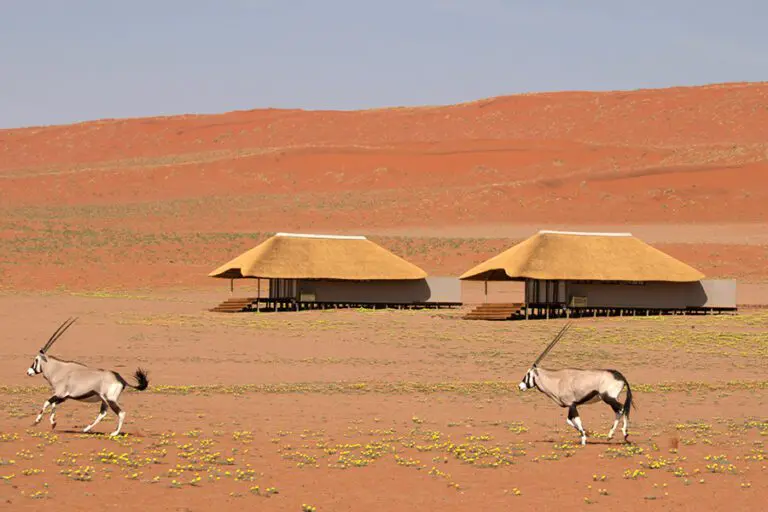 7 days
Morning and afternoon game drives on each full day on safari. Park and permit fees for the places on this route.
Namib Desert | Namibia | Skeleton Coast
Ask for the rate
Journey Through Northern Namibia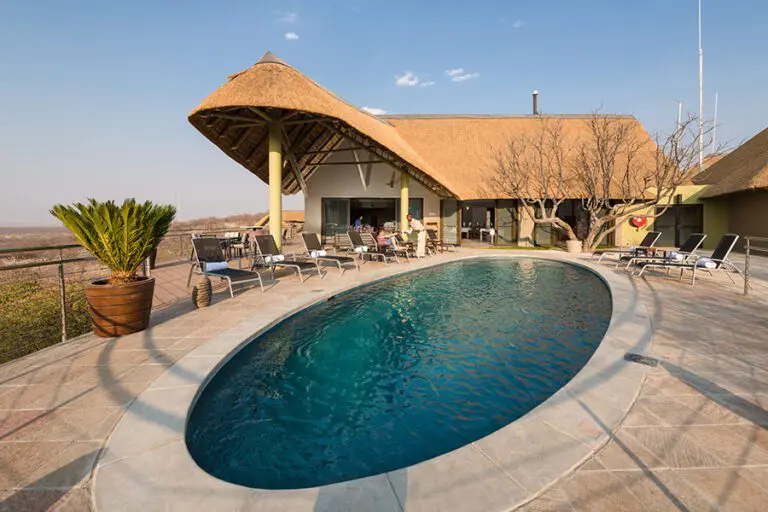 7 days
A rhino outing where this itinerary includes one. Morning and afternoon game drives.
Etosha | Kaokoveld | Namibia | Skeleton Coast
From KSh1,213,355 to KSh1,872,942 pps
Namibia's Sossusvlei, Damaraland & Kunene Fly-In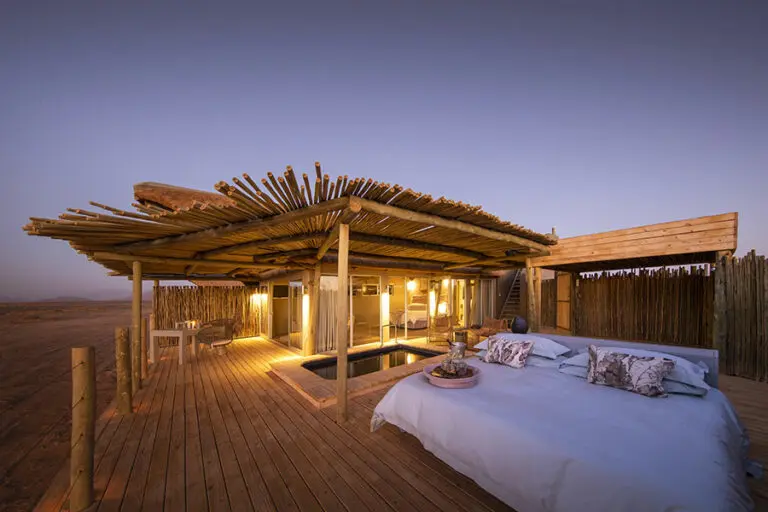 7 days
Time on foot with a guide.
Damaraland | Namibia | Sossusvlei
Ask for the rate
Guided Namibia 4x4 Safari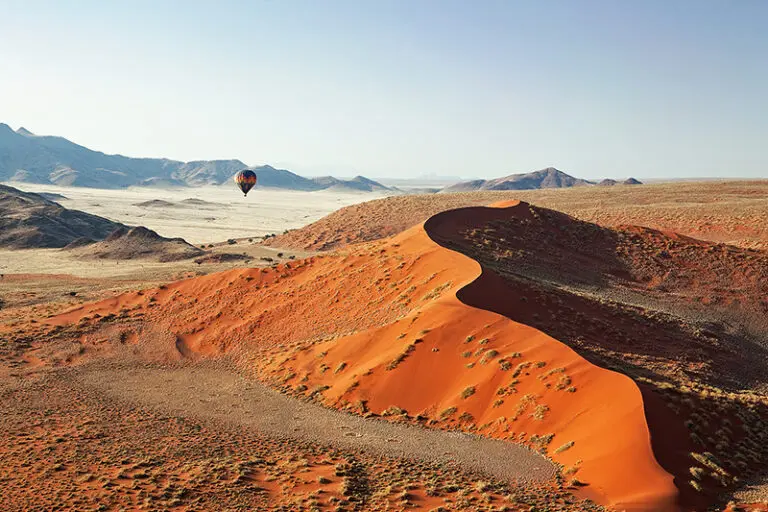 9 days
Morning and afternoon game drives on each full day on safari. Park and permit fees for the places on this route.
Damaraland | Etosha | Namibia | Sossusvlei | Swakopmund
From KSh1,552,237 to KSh2,509,158 pps
Namibia Desert & Community Safari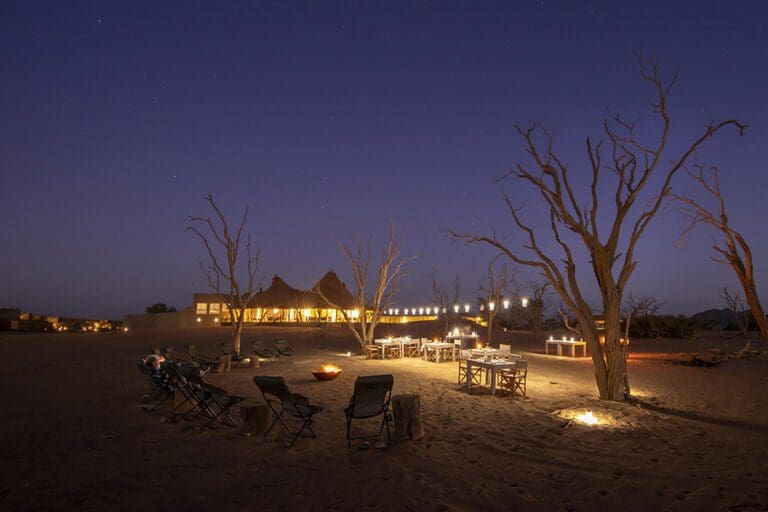 10 days
Morning and afternoon game drives on each full day on safari. Park and permit fees for the places on this route.
Damaraland | Kaokoveld | Namibia | Sossusvlei
From KSh3,107,720 pps
Namibia Wildlife, Himbas & Dunes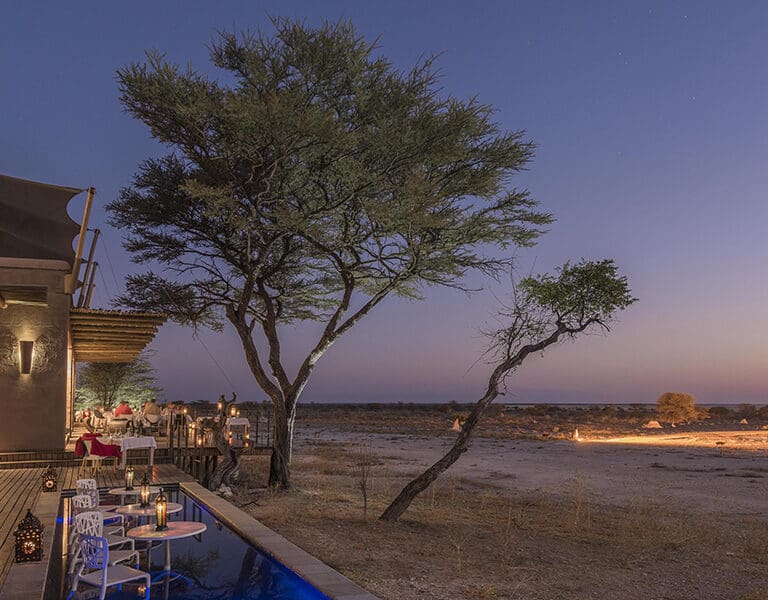 10 days
A visit with a local community.
Damaraland | Etosha | Namibia | Sossusvlei | Windhoek
From KSh1,557,431 pps
Namibia's Etosha, Damaraland & Sossusvlei Fly-In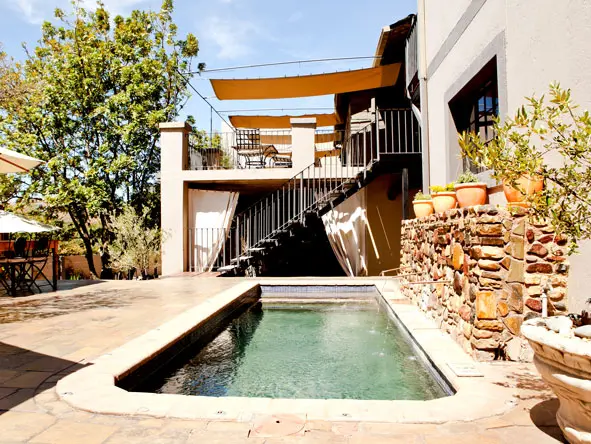 10 days
Morning and afternoon game drives on each full day on safari. Park and permit fees for the places on this route.
Damaraland | Etosha | Namibia | Sossusvlei
From KSh483,654 to KSh636,865 pps
Namibia Family Self-Drive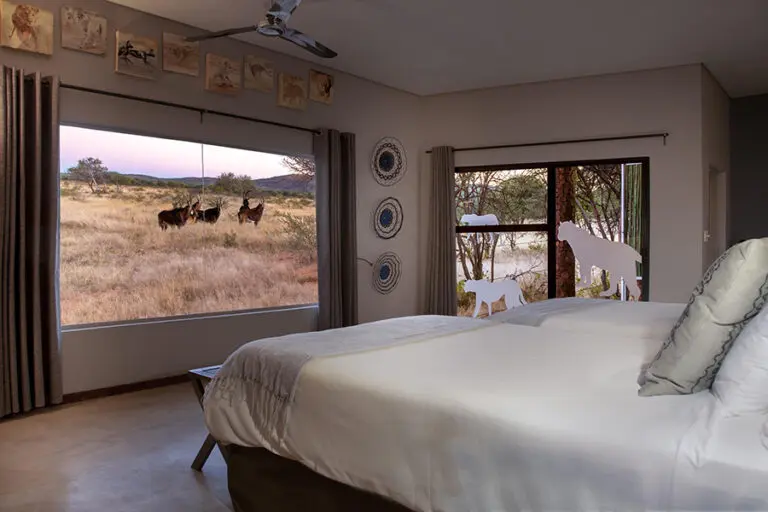 10 days
Morning and afternoon game drives on each full day on safari. Park and permit fees for the places on this route.
Damaraland | Etosha | Namibia | Sossusvlei | Swakopmund
Ranging from luxury safari lodges on the edge of Etosha National Park to tented camps in the Namib Desert and modern city hotels, accommodation in Namibia is as varied as the country itself. Several of Southern Africa’s wildest and most remote destinations – Damaraland, the Skeleton Coast and the Kaokoveld – are found in Namibia and one of the best ways of travelling around the country is by air – check out our selection of fly-in accommodation in Namibia's off-the-beaten-track regions.
Usually set in prime wildlife destinations and delivering great game viewing and birding, most of Namibia's lodges and safari camps also offer a variety of adventure activities ranging from quad-biking and hot-air balloon safaris to stargazing and rock art experiences. Many Namibia lodges are aware of the environmental fragility of their locations and strive to minimise their environmental impact wherever possible – just ask us for advice on the best lodge or hotel for your type of holiday.
Filter Your Results
27 stays. The rate is per person sharing.
From KSh446,000 to KSh779,040 pps
Damaraland, NamibiaNight drives | Game drives | Guided walking safaris | Specialist guides | Historical tours | Star gazing
From KSh1,213,355 to KSh1,556,782 pps
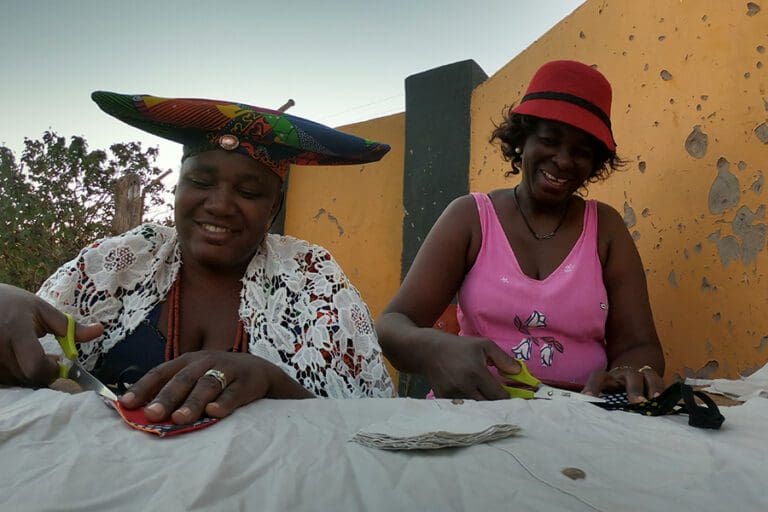 Damaraland, Namibia
Game drives | Specialist guides | Cultural visits | Star gazing | Bird watching | Picnics
From KSh483,654 pps
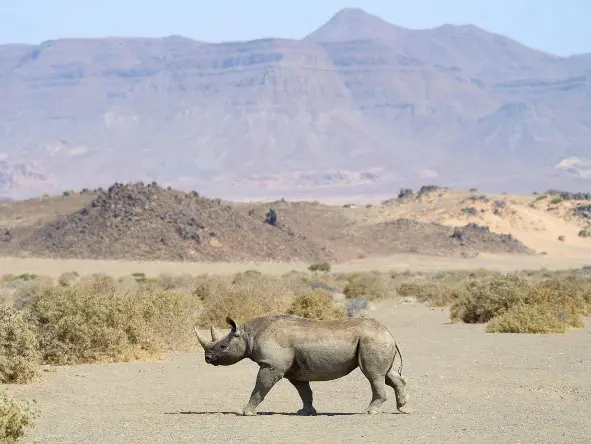 Damaraland, Namibia
Night drives | Game drives | Guided walking safaris | Cultural visits | Historical tours | Star gazing
From KSh779,040 to KSh866,033 pps
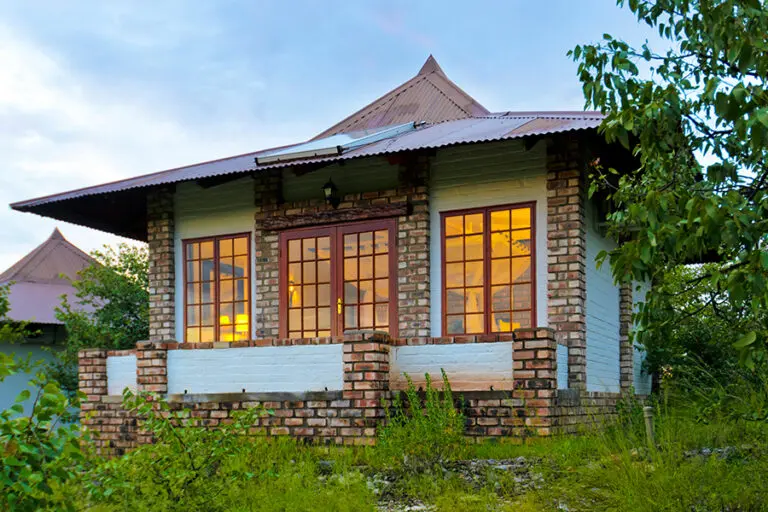 Etosha, Namibia
Night drives | Game drives | Guided walking safaris | Historical tours | Bird watching | Hot air ballooning
From KSh446,000 pps
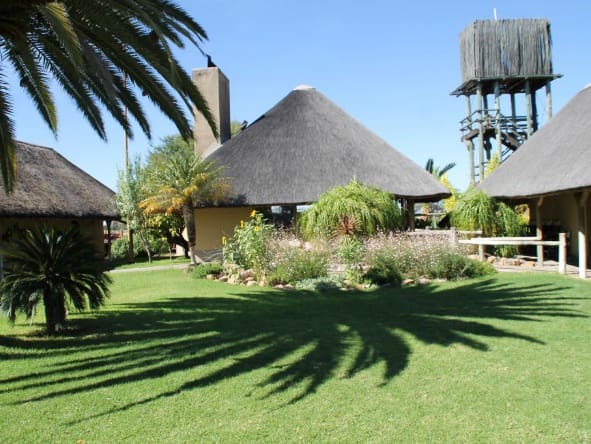 Etosha, Namibia
Night drives | Game drives | Guided walking safaris | Specialist guides | Historical tours | Bush dining
Enquire for pricing
 Kaokoveld, Namibia
Game drives | Cultural visits | Star gazing | Hot air ballooning | Quad-biking | Horse riding
From KSh483,654 to KSh866,033 pps
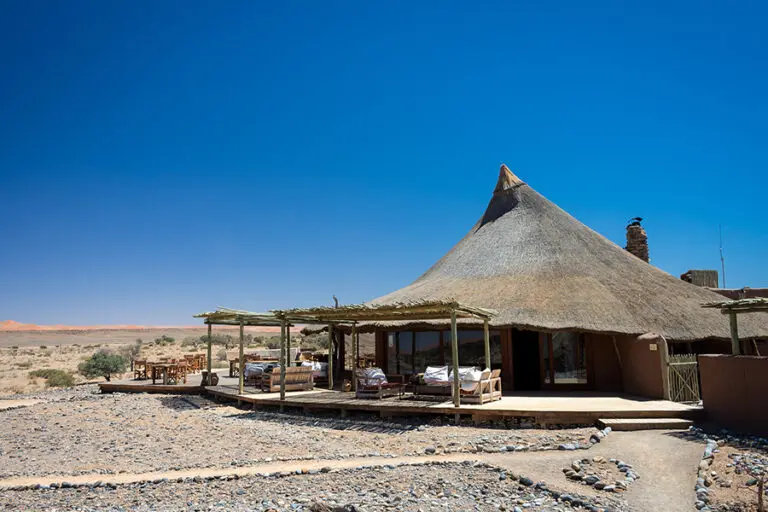 Sossusvlei, Namibia
Night drives | Game drives | Guided walking safaris | Historical tours | Bird watching | Hot air ballooning
Enquire for pricing
NamibRand Nature Reserve, NamibiaGame drives | Cultural visits | Star gazing | Hot air ballooning | Quad-biking | Horse riding
From KSh1,213,355 to KSh1,552,237 pps
Sossusvlei, NamibiaGame drives | Specialist guides | Cultural visits | Star gazing | Bird watching | Picnics
From KSh2,149,501 pps
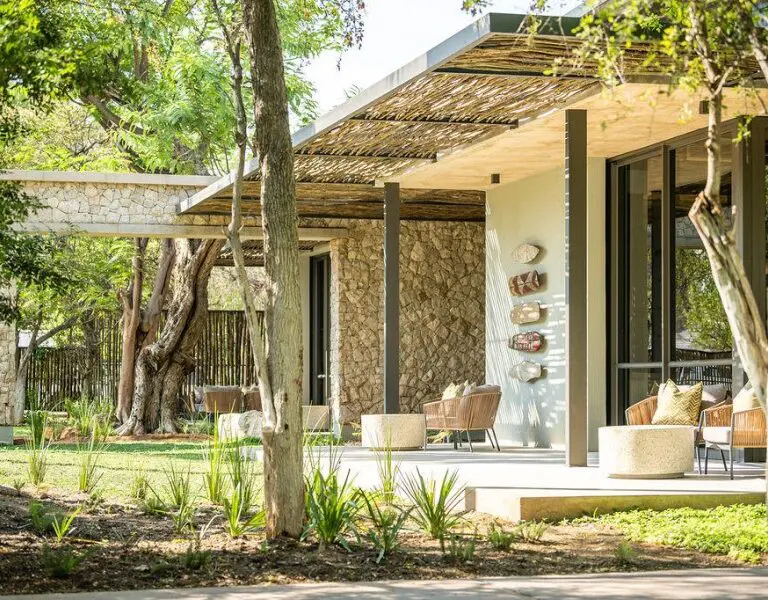 Windhoek, Namibia
Night drives | Game drives | Guided walking safaris | Star gazing | Bush dining | Bird watching
From KSh866,033 to KSh3,107,720 pps
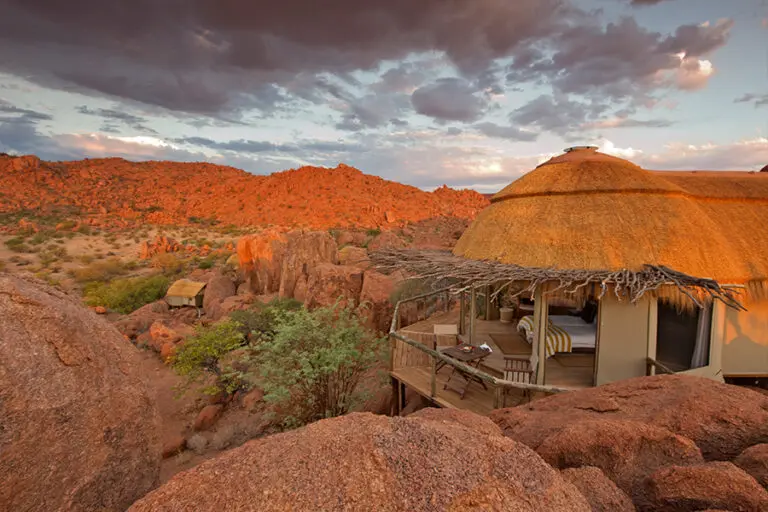 Damaraland, Namibia
Night drives | Game drives | Guided walking safaris | Historical tours | Bird watching | Hot air ballooning
From KSh3,107,720 pps
 Kaokoveld, Namibia
Night drives | Game drives | Specialist guides | Cultural visits | Historical tours | Star gazing
Namibia is one of the most affordable safari destinations in Africa, offering a rich and diverse experience for varying budgets. The cost of your safari to Namibia may vary based on factors including location, the time of year (visit our guide on the best time to visit Namibia for a more comprehensive guide), and your preferred level of luxury or comfort.
All of our safaris are all-inclusive, covering meals, most drinks, park fees, and taxes, ensuring that you won't face unexpected costs at the end of your trip. We also include pre-arranged excursions or activities in your itinerary to enhance your experience and avoid any last-minute surprises.
Namibia accommodation and safaris range from entry level to luxury, with various itineraries to accommodate varying budgets. The average length for holidays in Namibia is 12 days, however you can spend more or less time in the country depending on the activities you want to take part in as well as the level of luxury you prefer.
| 4-star comfort | 4-star luxury | 5-star luxury | |||
|---|---|---|---|---|---|
| Low | High | Low | High | Low | High |
| R1,430 pps* | R1,800 pps* | R4,000 pps* | R8,000 pps* | R13,000 pps* | R16,850 pps* |
The cost of a trip to Namibia varies based on several factors, such as type of trip, type of vehicle or aircraft involved, the standard of accommodation, meals, activities, and the length of stay.
This makes it tricky to provide exact rates, but here are some price guidelines to give you a good idea of cost. These rates are calculated ranges per person sharing in a double or twin room:
| Mid-range Fly-in | Luxury Fly-in | Entry Level Self-Drive | Mid-range Self-drive | Luxury Self-Drive | Vehicles |
|---|---|---|---|---|---|
| R25,000 pps* | R40,000 pps* | R8,000 pps* | R10,000 pps* | R18,000 pps* | R2,000 pps* |
*All the costs in this blog are guidelines only and an average for per person, per night, sharing a room in High and Low Season. They exclude international flights, visas and optional activities. Note that conservation fees, levies and permits are all subject to change. Peak or High Season generally runs over Christmas and New Year, and from about July to October.
The best time to visit Namibia depends on what you want to experience. The dry season, from May to October, is considered peak safari season, with cooler temperatures and excellent wildlife viewing, especially in Etosha National Park. During these months, animals congregate around waterholes, making for spectacular sightings. June to October is also the best time for photography as the landscapes are crisp and clear, with minimal dust and haze. However, this is also the most expensive time to visit, with higher accommodation rates and increased demand.
The low or shoulder seasons, from November to April, coincide with Namibia's rainy season. While the landscape is transformed into a lush, green paradise, the rains can be unpredictable, and some roads - especially in remote areas - may become difficult to navigate. This is the best time for birdwatching, as migratory species arrive in large numbers. If you're looking to avoid the crowds and take advantage of lower prices, visiting Namibia during this period can offer a fantastic safari experience at reduced rates.
It’s important to remember that ‘all-inclusive' may not always mean fully covered, especially on a Namibian safari. Here are some potential additional costs to keep in mind:
Our Africa Safari Experts can help you craft a seamless Namibian adventure, ensuring all logistics, transfers, and accommodations are organised in advance. As with all travel, flexibility is key, as Namibia's vast landscapes and remote locations mean that delays and unexpected changes can sometimes occur.
Places
Namibia vs South Africa Safari is a planning note from Safari Continents Travel. It sits beside the destination guides for South Africa, Namibia. Published trip prices are a guide. You receive a quote before anything is paid.
Places
Wildlife in Namibia What Animals Will You See on Safari is a planning note from Safari Continents Travel. It sits beside the destination guides for Namibia. Published trip prices are a guide. You receive a quote before anything is paid.
Places
Best Destinations in Namibia You Need to Visit is a planning note from Safari Continents Travel. It sits beside the destination guides for Namibia. Published trip prices are a guide. You receive a quote before anything is paid.
Lodges
Best Luxury Safari Lodges and Camps in Namibia is a planning note from Safari Continents Travel. It sits beside the destination guides for Namibia. Published trip prices are a guide. You receive a quote before anything is paid.
Camps, lodges and beach hotels we already plan here. Filter by who is travelling, the activities you want, the stay type and the meal plan.
Browse Namibia stays