From KSh771,899 to KSh964,062 pps
Huntingdon House
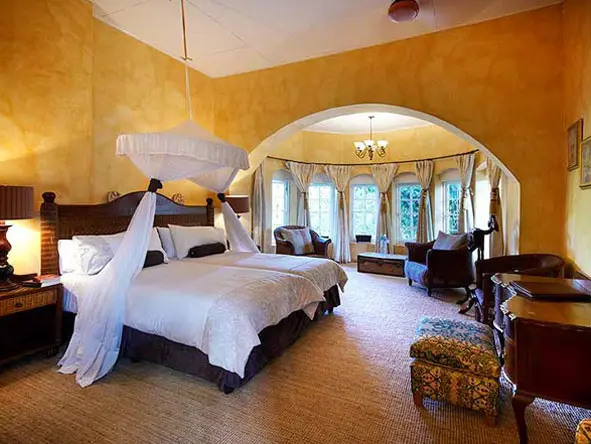 Blantyre, Malawi
Activities travellers enjoyed
Cultural visits | Bird watching | Picnics | Boat excursions | Fishing
HomeDestinationsMalawi
Malawi is a small country with a huge lake, a warm welcome, and wildlife parks that have been deliberately brought back to life.
Get a quote
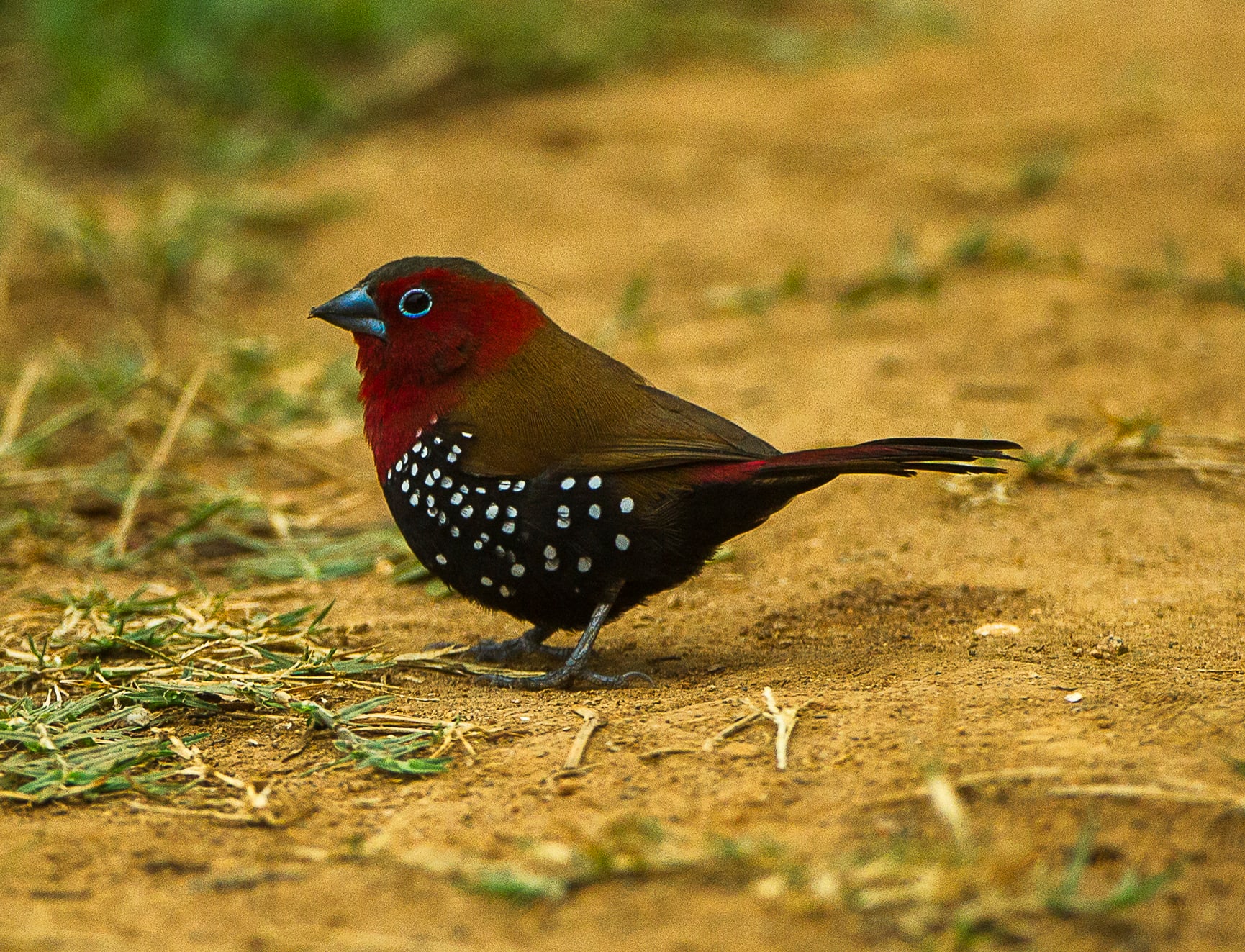
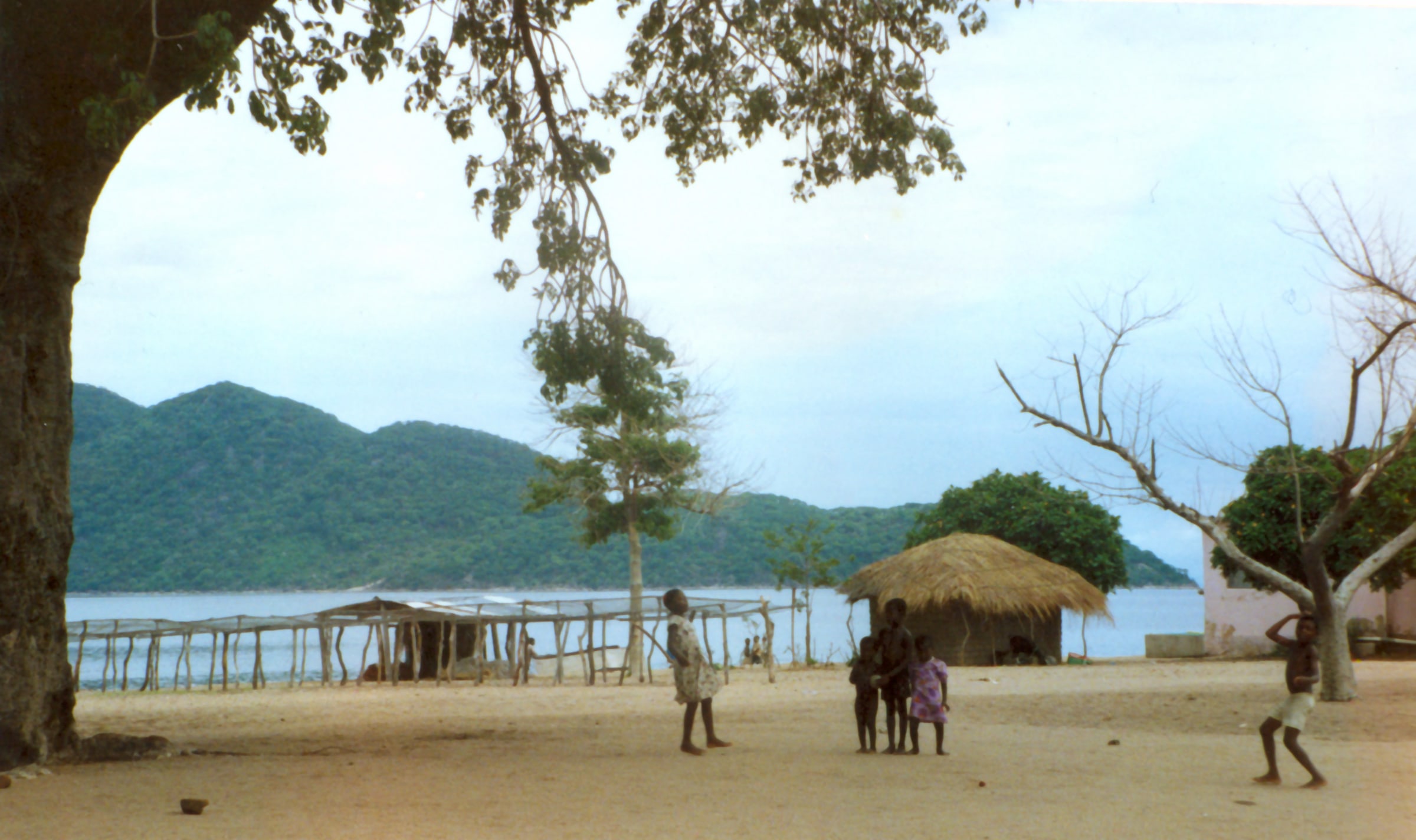
Pair time on Lake Malawi with the country's game reserves for a trip that balances water activities, wildlife and local culture.
One of Africa's smallest yet most beautiful countries, Malawi is a true hidden gem and possibly the continent's most underrated travel destination. A common theme found among travellers who arrive in Malawi have left the country singing its praises.
The Southern African country is famous for its smiling, friendly people, and its slow and easy approach to life, as well as its extraordinary freshwater lake and its exceptional natural scenery. Malawi's inherent likeability has earned it the moniker, ‘Warm Heart of Africa'. It's this magnetism that makes holidays to Malawi an unforgettable experience for first-timers to Africa and seasoned safari-goers alike.
Malawi vacations have so much to offer visitors. Animal lovers can encounter the immense marine life in Lake Malawi and the diverse wildlife in the game reserves. Nature lovers will get to soak up breathtaking views of the untouched forests, pristine beaches, and tranquil water of the lake. While those with an adventurous spirit will love taking on a wide variety of activities, including sailing, snorkelling, and kayaking. And with Our team can help shape Malawi tours, you can have the vacation of your dreams.
Discover our favourite reasons to book vacations in Malawi:
Lake Malawi is undoubtedly the biggest drawcard on any Malawi holiday. Covering a whopping 30,000 square kilometres (11,583 square miles), Lake Malawi is Africa's third-largest freshwater lake. It offers barefoot luxury on pristine beaches – in a landlocked country hundreds of kilometres from the coast!
The giant, freshwater lake is a UNESCO World Heritage Site and is home to the largest number of fish species of any lake in the world – with approximately 1,000 different tropical marine life swimming in its depths. When stepping onto the palm-fringed, powder-soft sandy beaches on Lake Malawi, with its azure water and laidback, tranquil atmosphere, it can be easy to mistake this beautiful spot for a tropical island paradise.
Holidays in Malawi that are spent by the lake are akin to those of a resort in Seychelles, Mauritius or one of Mozambique's idyllic archipelagos. Spend your days soaking up the sun on the beach or enjoying water-based sports in the tranquil lake water before heading back to your luxurious accommodation. Lake Malawi hotels and lodges offer unmatched barefoot luxury in a private, secluded setting.
The best time to visit Malawi is between early May and late October. During this period, Lake Malawi experiences the ideal climate of mild to warm with little chance of rain and a low risk of malaria.
Highlights:
In years gone by, poaching was rife throughout Malawi, with the country's flagship park, Majete Wildlife Reserve being nearly desolate of life by 1992. Every elephant was gone, and few wildlife survived the rampant hunting that took place. In 2003, African Parks began work in the country to rehabilitate Malawi's wildlife regions into ecologically, socially, and financially sustainable game reserves – a goal that was successfully reached with Majete.
After the successful revival of Majete, African Parks moved on to Liwonde National Park in 2015, reintroducing elephants, lions, hyenas, hippos, crocodiles, waterbucks, cheetahs, buffalo, zebra, antelope and rare black rhinos back into the region. After the great work done by African Parks, Liwonde stands today as a Big 5 reserve, offering classic game viewing by boat, on foot or in a 4×4 vehicle.
Highlights:
Something you'll discover on your holiday in Malawi is the many secret spots dotted around the country's popular destinations. When in Lake Malawi National Park, Mumbo Island should be first on your list of places to visit in Malawi.
Immerse yourself in a unique experience that can only be described as ‘Castaway Luxury' on a small, private island. Whether you're seeking romance or adventure, Mumbo Island is the perfect place to enjoy a one-of-a-kind trip in the middle of Lake Malawi. The island also boasts some of the best luxury lodges in Malawi, offering an exclusive and secluded barefoot luxury getaway in a tropical paradise.
Highlights:
The great thing about Malawi is that it's largely a hidden gem in the grand scheme of things. When compared to its neighbours (Zambia, Tanzania and Mozambique), Malawi sees fewer visitors yet offers a safari experience on the same level as its counterparts. This is great news for those seeking a trip that's off the beaten track and away from the mass crowds seen by the more popular destinations.
Another plus when booking a trip to Malawi is the ease of travel logistics. The country's ideal location in South-eastern Africa enables guests to combine their Malawi holiday packages with other top destinations in East and Southern Africa.
Highlights:
Lake Malawi is a playground for those with a hunger for adventure activities. There is virtually no end to the list of water-based sports and activities on offer. Kayaking and canoeing offer a great way to explore the lake and islands of Lake Malawi, while small sailing boats are perfect for leisurely sunset cruises on the water. The lake's crystal-clear water is ideal for encountering the numerous marine life on scuba diving or snorkelling excursions. For those looking for more of a thrill, water skiing, sailboarding and stand-up paddling are great ways to get your adrenalin pumping.
Highlights:
Beaches
Bird watching
Diving and snorkelling
Mokoro rides
Sunset cruises and boating
Wildlife and safari
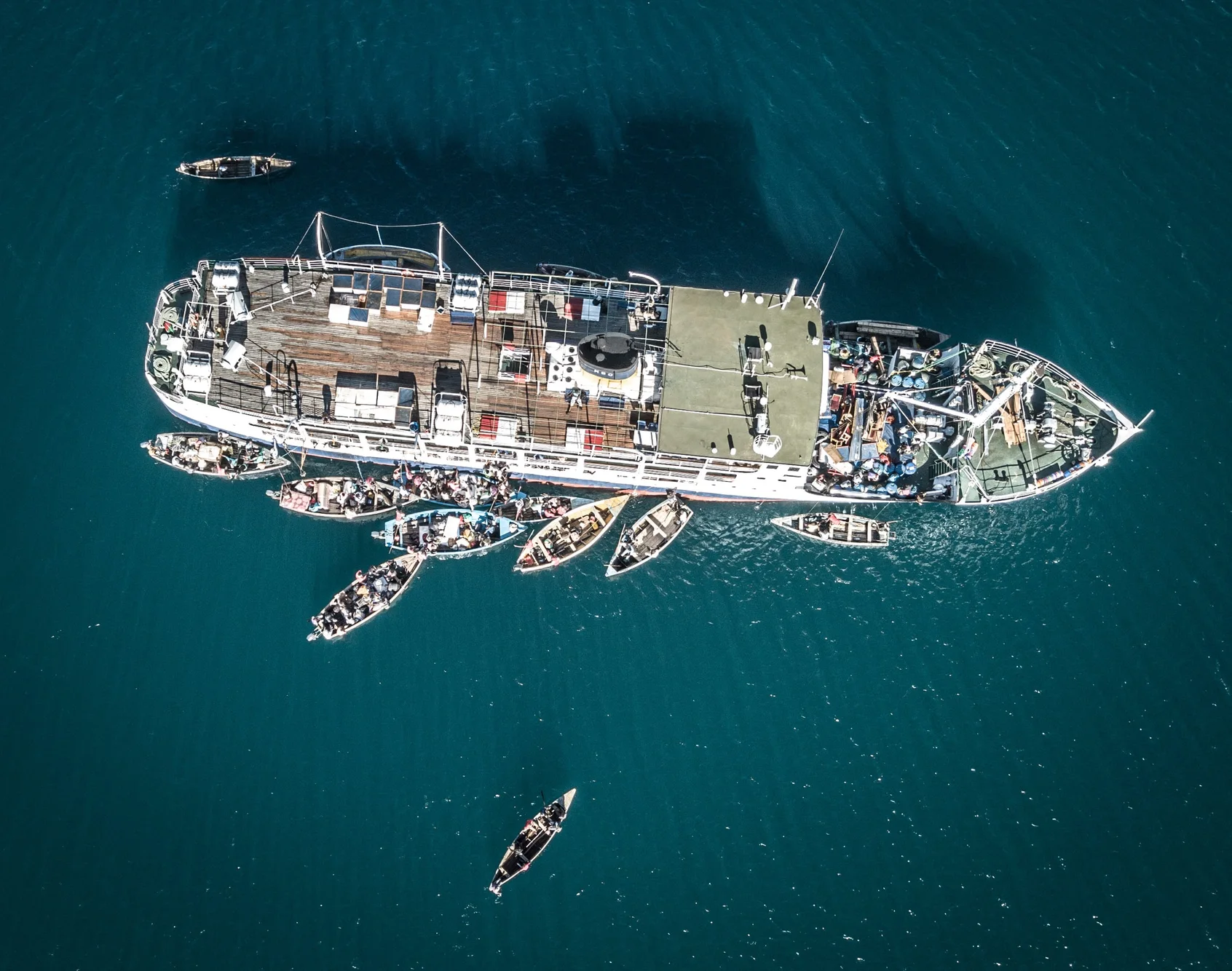
Malawi is a truly spectacular destination for those seeking a quintessential African vacation. Host to incredible national parks, beautiful lodgings and sought-after wildlife, there is a never-ending supply of Malawi tourist attractions. When visiting Malawi, many head straight for the lake and, given the wealth of activities and range of accommodation available there, we'd certainly recommend spending a good part of your holiday on its welcoming shores.
However, when planning where to go in Malawi, don't limit yourself to Lake Malawi as there are plenty of other magical locations worth leaving your hammock for. Of the top places to visit in Malawi, we recommend Liwonde National Park with its elephants, hippos and crocodiles, and the rolling grasslands of the little-visited Nyika Plateau among many more. Where will you go first?
Taking up a full fifth of the country, Lake Malawi has lovely sand beaches and calm clear water filled with so many colourful fish that it often feels like you’re swimming in a giant aquarium. Snorkelling, diving, sailing or kayaking top the list of activities for one of the top vacations in Malawi. But life on the lakeshore moves at such a leisurely pace that many visitors simply enjoy a ‘laze and gaze' holiday – staring at the water's shimmering surface over the pages of a novel.
Considered one of the best places in Malawi, there are many ways to experience the magic of the lake. Stay close to a local fishing village in a beach lodge in Cape Maclear or on Likoma Island; alternatively, opt for somewhere completely private and exclusive such as tiny Mumbo Island or Nkwichi Lodge on the lake's remote Mozambican shore.
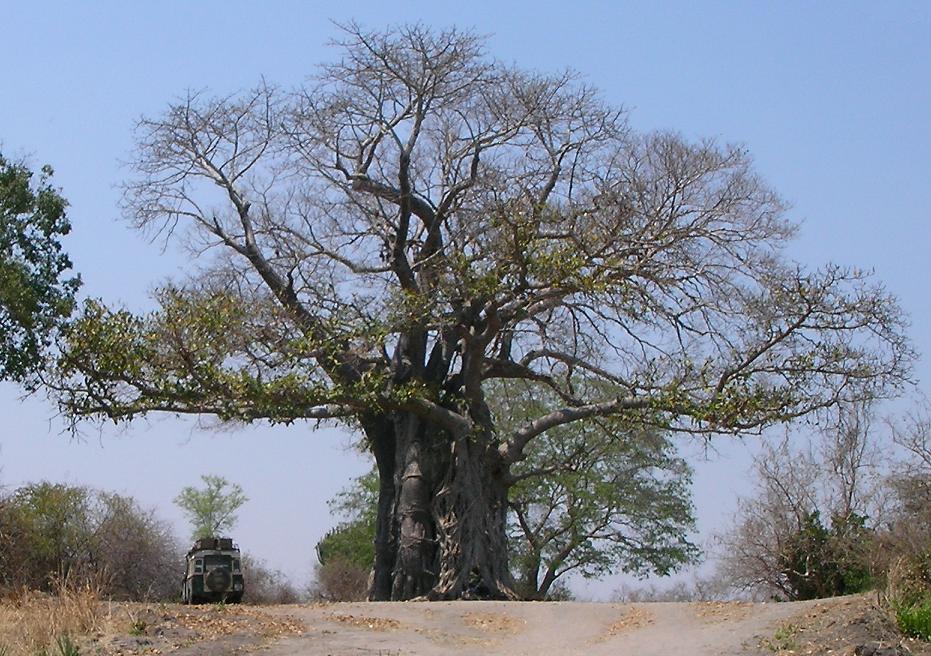
When deciphering where to go in Malawi for the best game viewing experience, look no further than Liwonde National Park. You have a good chance of seeing large herds of elephant, different species of antelope and an incredible variety of birds. That said, a safari in Liwonde is less about checklists and more about a well-rounded wildlife experience, offering one of the best vacations in Malawi.
Stay at Mvuu Lodge and go on early morning bush walks with friendly and knowledgeable guides, enjoy boat safaris on the croc-and-hippo-dotted Shire River, and in the evenings, watch wildlife at the water's edge from the comfort of your viewing deck. Bliss!
Only 70 km south-west of Blantyre, Malawi’s commercial capital, this 70 000-hectare conservation area sits in the Lower Shire Valley and has recently added lions to its already impressive list of large mammals. The little-visited reserve now boasts the Big 5 as well as zebra, hippo, crocodile and many species of antelope. And, when you throw in well over 300 bird species, you have a destination that is well worth a visit – especially in combination with the dazzling lake, which itself is one of the most spectacular places in Malawi.
There are just two lodges in Majete, and our top pick is Mkulumadzi Lodge known for its luxurious chalets and first-rate service. Enjoy guided nature walks, game drives and sunset boat safaris in a beautiful and tranquil wilderness setting far from the regular safari crowds.
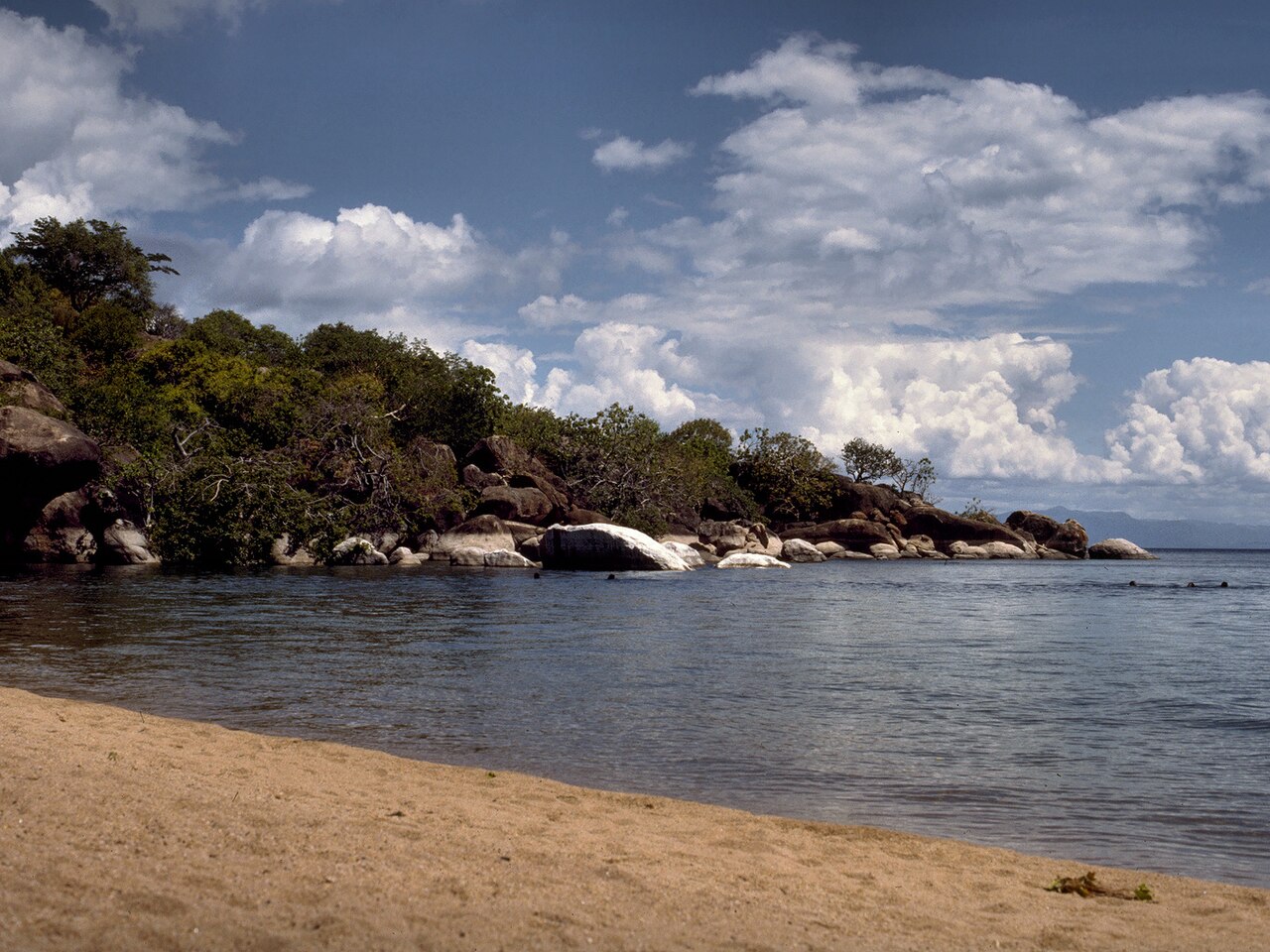
At just over 3 000m, Mount Mulanje is Central Africa's highest peak. This granite mountain range is where to go in Malawi for a fantastic hiking experience and sensational views of the surroundings. Situated just 65 km east of Blantyre, Mount Mulanje is host to a network of trails winding through tea plantations and cedar tree forests, as well as spectacular waterfalls tumbling into icy rock pools – perfect for a refreshing dip! Hiking here can be quite challenging, so you'll need a reasonable level of fitness and decent walking shoes.
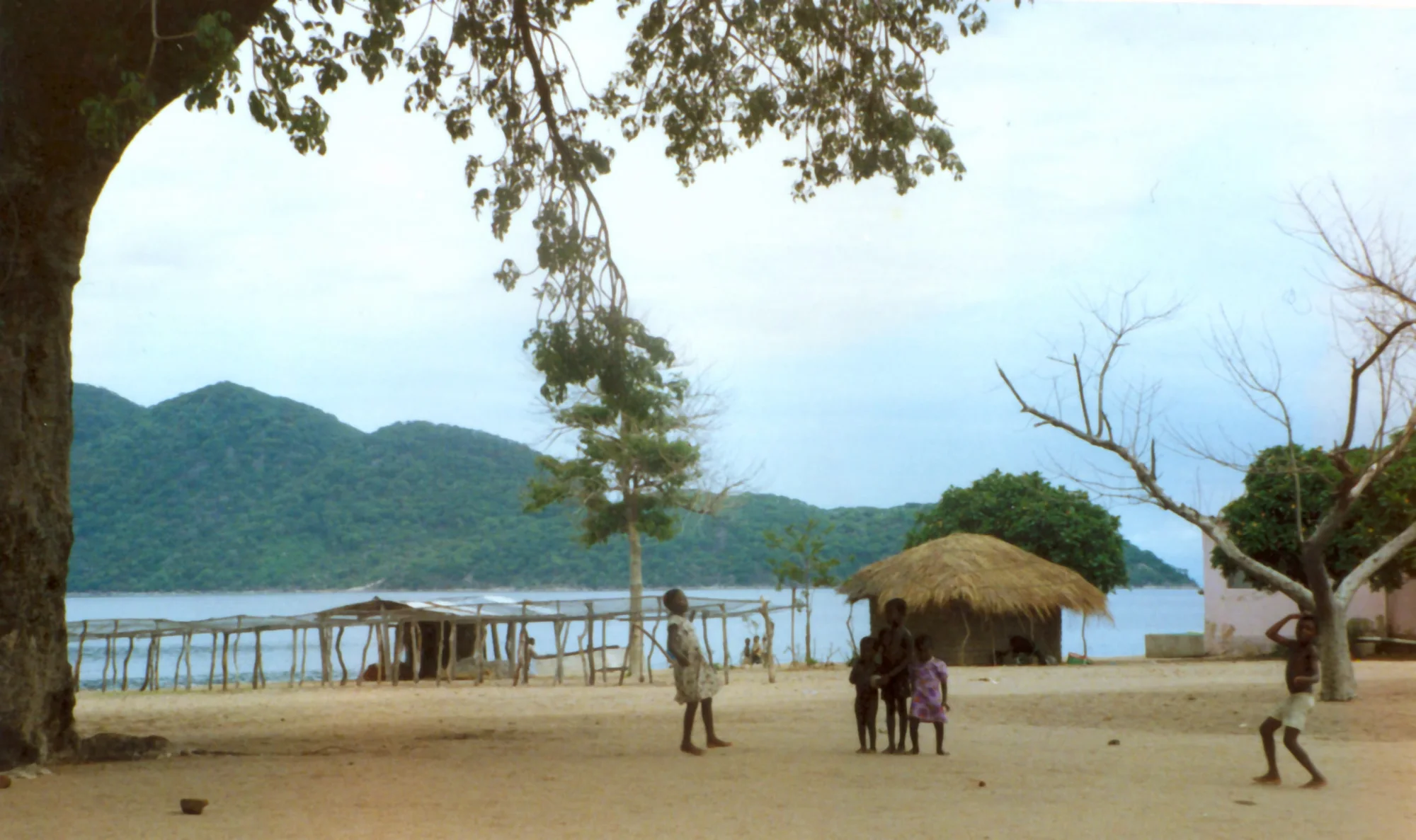
Malawi's capital Lilongwe is a well-laid-out city divided into New Town (to the north) and Old Town (to the south). The former has smart hotels, embassies and offices, while the latter has the central market, outdoor cafés and lively restaurants, making it the more interesting area to explore while visiting Malawi. Most travellers to Malawi only have a brief glimpse of the city while flying in or out of the country, but spending a day in Lilongwe is definitely worthwhile. Visit the market on Malangalanga Road, or look into some of the Indian spice and cloth shops for a bargain or two! Between the two towns is an interesting wildlife rescue and rehabilitation centre, and there are even sporting facilities at the Lilongwe Golf Club.
Nyika National Park is Malawi's biggest reserve and offers a unique landscape of high-rolling grasslands and forested valleys. Day and night game drives provide visitors with the incredible chance to see herds of roan antelope, eland and zebra, as well as nocturnal creatures such as hyena, jackal and serval. The park also offers hiking and mountain biking as a great way to take in the magnificent views and appreciate the solitude and space, while breaking a sweat. This wonderful wildlife destination should definitely be on your list of places to visit in Malawi.
Zomba, the former capital of Malawi, has a bustling town centre and grand old buildings – their corners now softened by moss and ferns – and is considered one of the top tourist attractions in Malawi. The colourful city market is worth a morning's browse, but Zomba's real beauty lies further up the slopes on the Zomba Plateau: a forested table-top mountain crisscrossed by streams and woodland trails. Walk to the regally-named lookout points of Queen's View and Emperor's View, or simply sit back and enjoy afternoon tea on the terrace of the Ku-Chawe Hotel, perched on the edge of the plateau. Either way, you'll be rewarded with views so impressive they were described in colonial times as ‘the best in the British Empire’.
The best time to visit Malawi is during the drier months from early May to late October. This is a cooler time of year with sunny days, pleasant evenings, and perfect temperatures. The winter period of this season can be chilly in the north of the country, but down on the shores of Lake Malawi you can expect warm, dry days and great balmy weather. This is also the best time to go to Malawi for game viewing, as much of the vegetation has thinned out and animals can be found concentrated at rivers and permanent waterholes.
| Destination | Jan | Feb | Mar | Apr | May | Jun | Jul | Aug | Sep | Oct | Nov | Dec |
|---|---|---|---|---|---|---|---|---|---|---|---|---|
|
29°C
244mm |
29°C
219mm |
29°C
334mm |
29°C
280mm |
27°C
122mm |
26°C
32mm |
26°C
32mm |
27°C
6mm |
29°C
3mm |
30°C
17mm |
31°C
115mm |
29°C
257mm |
|
|
30°C
227mm |
30°C
218mm |
30°C
164mm |
29°C
46mm |
28°C
12mm |
26°C
5mm |
26°C
5mm |
28°C
4mm |
31°C
5mm |
33°C
20mm |
33°C
72mm |
31°C
204mm |
|
|
Nyika Plateau |
20°C
251mm |
20°C
228mm |
20°C
243mm |
19°C
136mm |
18°C
34mm |
18°C
9mm |
18°C
8mm |
19°C
4mm |
21°C
5mm |
23°C
13mm |
24°C
96mm |
21°C
213mm |
|
Thyolo Region |
27°C
270mm |
27°C
232mm |
26°C
215mm |
25°C
115mm |
24°C
40mm |
21°C
35mm |
21°C
32mm |
24°C
21mm |
27°C
12mm |
29°C
40mm |
29°C
116mm |
27°C
246mm |
|
Zomba Plateau |
27°C
287mm |
27°C
257mm |
26°C
202mm |
26°C
76mm |
24°C
21mm |
22°C
11mm |
22°C
9mm |
24°C
6mm |
27°C
7mm |
30°C
29mm |
29°C
110mm |
29°C
262mm |
| Wet Season | ||||||||||||
| Dry Season | ||||||||||||
| Best Time to Visit Lake Malawi | ||||||||||||
| Best Time for Safari |
The rainy season is in full force by the beginning of the year in Malawi, with impressive thunderstorms occurring daily. Unfortunately, most of the lodges on Lake Malawi are closed in January because of the wet weather.
Malawi is in the middle of its green season in February. Anyone planning to visit Malawi at this time of year can expect to see colourful orchids coming into bloom across the country's valleys and female herbivores nurturing their newborns. This is an ideal time for those who would prefer to miss the busy season and secure low rates for accommodation, if you can handle the wet weather.
March is still a time of heavy rainfall in Malawi which starts to calm down towards the end of the month before the dry season. This is not regarded as safari season but the largest park in the country, the Nyika National Park (in northern Malawi) experiences better weather conditions. Nyika's varied terrain is perfect for trekking, mountain biking and 4×4 adventures.
The countryside begins to dry out in April as the heavy thunderstorms begin to subside, which make way for more stable temperatures. This is the last month of the hot rainfall season before the very popular dry months begin. April is a great time to visit Malawi for a safari, as antelope can be seen in the national parks and it’s not unusual to view dramatic encounters of males clashing with one another over the right to mate with females.
When visiting Malawi in May, you will arrive at the start of the dry season. This is highly regarded as the best time for a Malawi holiday. The rains have ended and left behind a lush, green landscape, while mist floats down from the highlands into the great valleys and plateaus of the countryside.
The days are long and filled with sunshine for anyone visiting Malawi in June. The temperatures do drop in the evenings and the mornings and it's common to see log fires lit in the parks, at the Malawi resorts and on the beaches. This is a great time of year for a visit to the Liwonde National Park for a safari in Malawi. Liwonde is renowned for its prime viewings of crocodile, hippo and elephant.
The cooler weather continues in July, with no rain, clear skies and hardly any mosquitos. This is peak safari season when wildlife viewing is at its best but despite this, the parks are not too crowded. A morning game drive can be rather cold until things warm up, so it’s advisable to dress warmly.
The weather starts to warm up in August. This is the perfect time to visit Lake Malawi as the ideal temperatures offer great conditions for watersports, Malawi tours and sunbathing. Animal herds increase in numbers during this time of year and can often be seen by the water's edge.
Evening temperatures rise rapidly during September – the days are sunny, and extremely dry. The annual Lake of Stars Festival takes place and runs for three days in September. Held on the shores of Lake Malawi, the festivities attract over 4,000 attendees and hosts musical acts from all over Africa.
October is a great time of year for a holiday in Malawi. This is one of the warmest months, but is the perfect time to visit one of the country's many game parks. The wildlife is abundant during this time as the dry weather draws the herds to the local water sources.
During November the first few storms begin in Malawi, which marks the start of the hot summer rainfall season from November to April. Many migrant bird species make their way from north of the equator for a more hospitable climate and create a birdwatcher's paradise. This is the best time to visit Malawi for snorkeling as underwater visibility is at its clearest.
If you’re planning to visit Malawi in December, be prepared for very hot and wet weather. The rain does become more regular through Christmas, and we would advise that this is not the best time to visit Malawi. However, this is hatching season for crocodiles and any nature enthusiast wouldn’t want to miss the opportunity to witness the unique spectacle of baby crocodiles taking their first plunges.
Chat with someone who’s been there. Get in touch with one of our Africa Travel Experts to help tailor-make a trip to Malawi that’s right for you.
There’s nothing like up-to-date, relevant travel information direct from the experts – get our practical Malawi travel advice before you go.
The local currency in Malawi is the Kwacha although US Dollars are widely accepted throughout the country. Credit card acceptance is improving but don’t rely on it in Malawi’s more remote or little-visited destinations – be on the safe side and check with your Africa Safari Expert before you travel.
Generally speaking Malawi is a very affordable destination so your spending money should go far. If you're travelling with dollars, we'd recommend bringing some small denomination bills as you can pick up genuinely beautiful and affordable handmade crafts at the local markets. Just keep some money aside because you'll need to pay an international departure tax of 30 US Dollars per person at Lilongwe Airport.
Service charges are not included in hotel, lodge and restaurant bills in Malawi. Tipping is entirely at your discretion – it is not compulsory but is enthusiastically received if you feel the service you received deserves a gratuity. The amount of tip you leave is based on the level of service you've received but the general guideline is about 10%.
For in-depth tipping guidelines, enquire with one of our Africa Safari Experts – they’d be happy to share their knowledge with you.
Refer to “best time to visit Malawi” for climate charts and details on the best wildlife-viewing times.
It’s remarkably similar. In fact, it often feels exactly like being at a tropical ocean resort, just without the salt. Known as the ‘Lake of Stars', Lake Malawi boasts vast stretches of golden sand beaches, crystal-clear turquoise waters, and gentle waves. You can fill your days with classic beach activities like sunbathing, kayaking, sailing, and water-skiing.
Because it's a freshwater lake, there are no strong tides or currents, making it incredibly safe and pleasant for swimming. It's also a world-class destination for snorkeling and scuba diving, where you'll be surrounded by hundreds of colorful, shimmering chiclid fish. If you are looking for that perfect bush and beach combination, pairing a traditional safari with a few days on the shores of the lake gives you the ultimate laid-back beach holiday vibe.
Malawi is first and foremost a beach destination so pack accordingly – lightweight clothing, sandals, hats and, most importantly, sun screen! Malawi has so much to offer so here is a list of our top Malawi destinations to visit. Mosquitoes are most active in the early mornings and evenings, so pack repellent and long-sleeved clothing to protect your wrists and ankles at these times. Be sure to leave some space in your suitcase as you're likely to want to bring back lots of souvenirs from the local markets.
For flight schedules, fares and booking terms, check directly with the airline or your chosen travel agent.
Lilongwe International Airport: daily flights from Johannesburg as well as regular flights from Zambia, Tanzania and Kenya means great options for a big game safari in Southern or East Africa followed by a beach holiday on nearby Lake Malawi.
Chileka International Airport: located in Blantyre, Malawi’s second international airport serves the country’s southern destinations.
It's fairly easy to get around Malawi – roads are in relatively good condition and distances are generally short. Road transfers can be a good option particularly if you want to see a bit of Malawi but if you'd rather just get to the lake then your best option is a light aircraft charter flight. Luggage on charter flights is strictly limited to 12kg per person and needs be carried in soft-skinned suitcases.
Boat transfers take visitors to Lake Malawi’s islands or to Nkwichi Lodge on the lake's remote Mozambican shore.
All visitors to Malawi must be in possession of a passport valid for at least six months after date of departure. Visas to enter Malawi are not required by citizens of the USA, all Commonwealth countries and most European countries (except Switzerland). For those nationalities that do require visas, these cannot be obtained on arrival but must be obtained in advance from any Malawi embassy or consulate.
Visas are limited to 30 days, but getting an extension once you're in Blantyre or Lilongwe is relatively easy and free.
Malawi can be a wonderful family destination, but it is generally best suited for families travelling with older children or teenagers. Many of the top wildlife areas are located in malaria-endemic zones, which requires taking preventative medication that may not be suitable for very young children. Additionally, because Malawi's parks offer thrillingly wild, un-fenced environments and water-based safaris, a high level of parental vigilance is required.
That being said, for older kids, Malawi is an absolute paradise. The combination of active wildlife viewing, snorkeling in the lake, kayaking, and meeting incredibly friendly local children makes it an educational and unforgettable adventure.
Fossil evidence suggests Malawi’s human history goes back a million years. Southern African Khoisan hunter-gatherers were the original inhabitants but by 1500 AD Malawi had been settled by migrating West African farmers and herders, leading to the rise of a great regional empire. Devastated by the 19th century slave trade, Malawi was colonised by the British following David Livingstone’s explorations but Nyasaland, as Malawi was then known, remained a colonial backwater until independence in 1964.
One of the world’s least developed countries, Malawi is heavily dependant on agriculture, accounting for a third of GDP and 90% of exports. The main agricultural exports are tobacco (over 60% of all exports), tea and sugar. Tourism plays a vital role in bringing foreign currency into Malawi.
A relatively small country with well over 15 million people, Malawi has one of the highest population densities in Africa. It’s an overwhelmingly rural society – nearly 90% of Malawians live in the countryside and are involved in subsistence farming – and a religious one too: 80% of Malawians are Christian with a further 13% claiming adherence to Islam.
It’s also a country that has long been associated with friendliness and hospitality – not for nothing is Malawi known as The Warm Heart of Africa – but travellers should bear in mind that it is also a deeply conservative country with manners and modesty highly prized.
English is the official language and widely spoken though the dominant local language is Chichewa, spoken by nearly 60% of the population. Music and dance dominate Malawian culture – many traditional ceremonies and festivals still occur throughout the country – and there is a rich tradition of basketry and mask carving.
Malawi is a warm and welcoming country, but it is also deeply traditional and conservative when it comes to dress. While casual beachwear, shorts, and swimwear are perfectly acceptable at your lake resort or on a game drive, you should dress more modestly when visiting local markets, towns, or rural villages.
For both men and women, it is respectful to keep your shoulders and knees covered. Women typically wear long skirts or loose, lightweight trousers (or a traditional wrap-around sarong called a chitenje). Wearing modest clothing is viewed by locals as a sign of respect for their culture and manners, and it will ensure your cultural interactions are warm and positive.
In an effort to protect its pristine environments and spectacular wildlife, Malawi has a strict ban on the manufacturing, sale, and use of thin, single-use plastic bags.
When packing for your trip, we recommend avoiding using disposable plastic bags to wrap shoes or organize your luggage. Instead, opt for reusable, eco-friendly cloth bags or durable packing cubes. Not only does this help keep Malawi beautiful and protect its marine and land ecosystems, but it also aligns perfectly with the sustainable, low-impact ethos of the luxury lodges you will be enjoying.
Occupying a fifth of the country, Malawi’s environment is dominated by Lake Malawi, a Rift Valley lake that forms Malawi’s eastern border with Mozambique and Tanzania. Home to the world’s greatest number of lake-dwelling fish species, this freshwater lake with its sandy beaches and deserted islands is the mainstay of the country’s economy and tourist industry. Much of the rest of Malawi is farmed but there are also several high forested or grassy plateaus, mountain ranges and extensive wetlands.
Despite its small size and high population density, 20% of Malawi is protected land. The remote Nyika Plateau offers visitors a wide range of antelope species, elephant, leopard and buffalo while both Liwonde National Park and Majete Wildlife Reserve are now official Big 5 destinations.
Chat with someone who’s been there. Get in touch with one of our Africa Travel Experts to help tailor-make a trip to Malawi that’s right for you.
Malawi is a thin sliver of a country dominated by Lake Malawi, a massive, shimmering body of warm freshwater lined with miles of sandy beaches and offering activities ranging from kayaking, diving and snorkelling to sailing and fishing. If it's a palm-fringed, hassle-free beach holiday you're after, Malawi offers the whole package.
But Malawi is more than just its lake. Tall mountain peaks and peaceful, barely-visited wildlife reserves offer places of quiet and relaxation as well as the opportunity to enjoy a big game safari, and you’re always guaranteed a smile. We have numerous tours that include Malawi as part of a larger itinerary – a combination trip with Mozambique’s Indian Ocean islands or the Kruger Park works particularly well – contact us for a tailor-made itinerary.
Bush and beach combination. Walking & boating safaris.
Picnics & guided birding walks near Mount Mulanje. Barefoot-luxury & impeccable service on Lake Malawi.
Game drives through 12m high mopane forests. Search for rare black rhino & 400 bird species.
Island stays on Lake Malawi and the Zambezi River. Stay in luxurious eco-lodges throughout.
Sunrise game drives. Game viewing along the Luangwa River.
Experience the famed South Luangwa National Park walking safaris. Stand in awe of the magnificent Victoria Falls.
Bush and beach combination. Walking & boating safaris.
Bush and beach combination. Walking & boating safaris.
Picnics & guided birding walks near Mount Mulanje. Barefoot-luxury & impeccable service on Lake Malawi.
Picnics & guided birding walks near Mount Mulanje. Barefoot-luxury & impeccable service on Lake Malawi.
Game drives through 12m high mopane forests. Search for rare black rhino & 400 bird species.
Game drives through 12m high mopane forests. Search for rare black rhino & 400 bird species.
Island stays on Lake Malawi and the Zambezi River. Stay in luxurious eco-lodges throughout.
Island stays on Lake Malawi and the Zambezi River. Stay in luxurious eco-lodges throughout.
Sunrise game drives. Game viewing along the Luangwa River.
Sunrise game drives. Game viewing along the Luangwa River.
Experience the famed South Luangwa National Park walking safaris. Stand in awe of the magnificent Victoria Falls.
Experience the famed South Luangwa National Park walking safaris. Stand in awe of the magnificent Victoria Falls.
Priced itineraries that pass through this place. Nights can still change when the quote is drawn up. Nothing is paid until you accept it.
Ask for the rate
Family Zambia & Malawi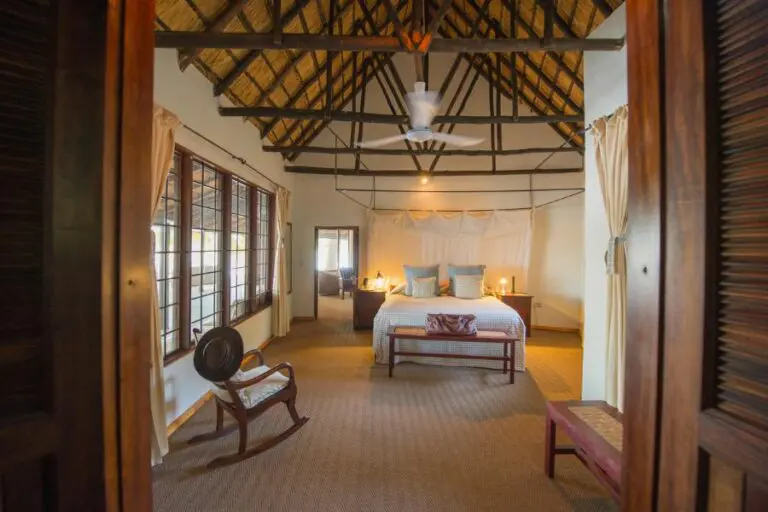 9 days
Morning and afternoon game drives.
Lake Malawi | Malawi | South Luangwa National Park | Zambia
Ask for the rate
Malawi's Liwonde Safari & Likomo Island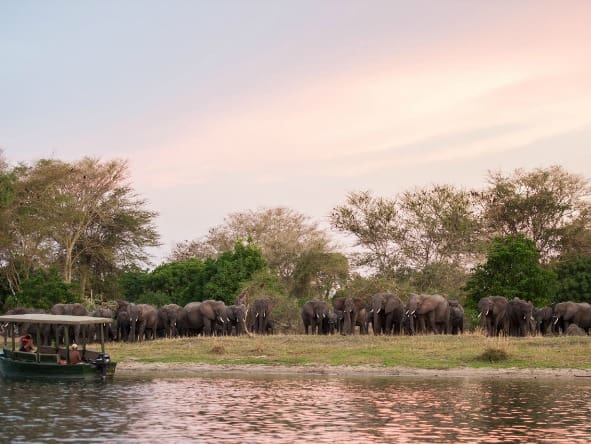 9 days
A rhino outing where this itinerary includes one. Morning and afternoon game drives.
Lake Malawi | Malawi
From KSh1,211,407 to KSh1,593,137 pps
Zambia and Malawi's Bush & Beach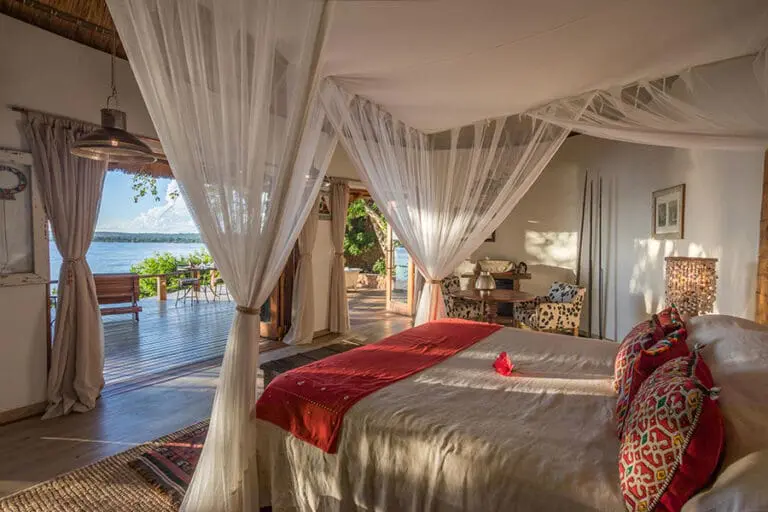 10 days
Morning and afternoon game drives on each full day on safari. Park and permit fees for the places on this route.
Lake Malawi | Malawi | South Luangwa National Park | Zambia
From KSh1,234,778 to KSh1,638,581 pps
Zambia's Community & Conservation Safari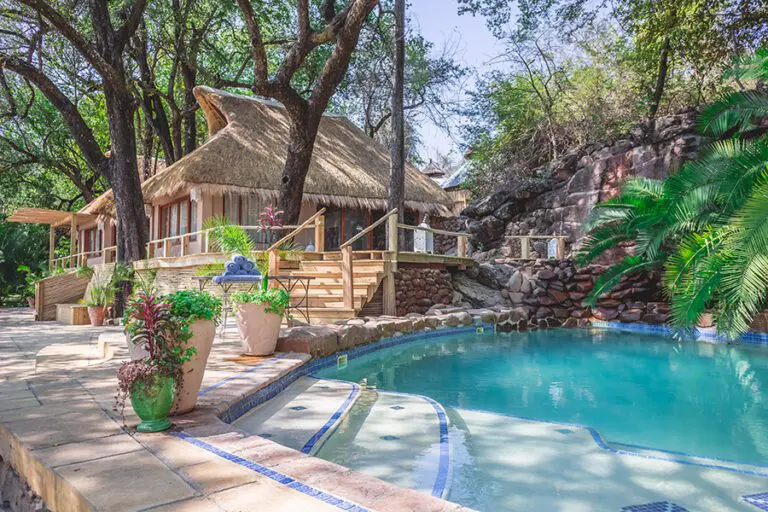 10 days
Time on foot with a guide.
Lake Malawi | Malawi | South Luangwa National Park | Victoria Falls | Zambia
From KSh771,899 pps
Malawi Highlands, Park & Lake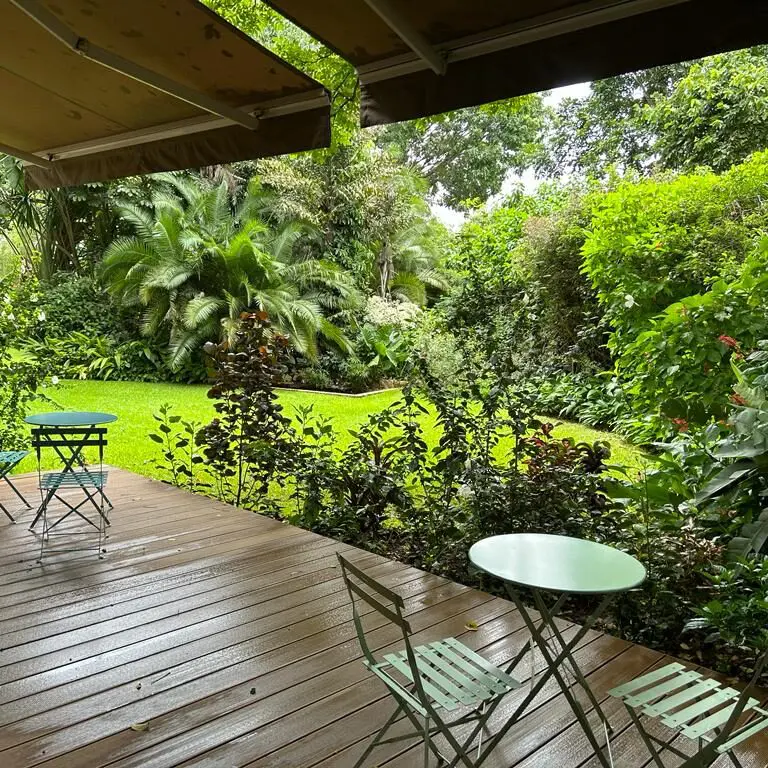 11 days
Morning and afternoon game drives on each full day on safari. Park and permit fees for the places on this route.
Lake Malawi | Lilongwe | Majete Wildlife Reserve | Malawi
From KSh964,062 to KSh1,006,260 pps
Malawi’s Wildlife, Plantations & Lake Adventure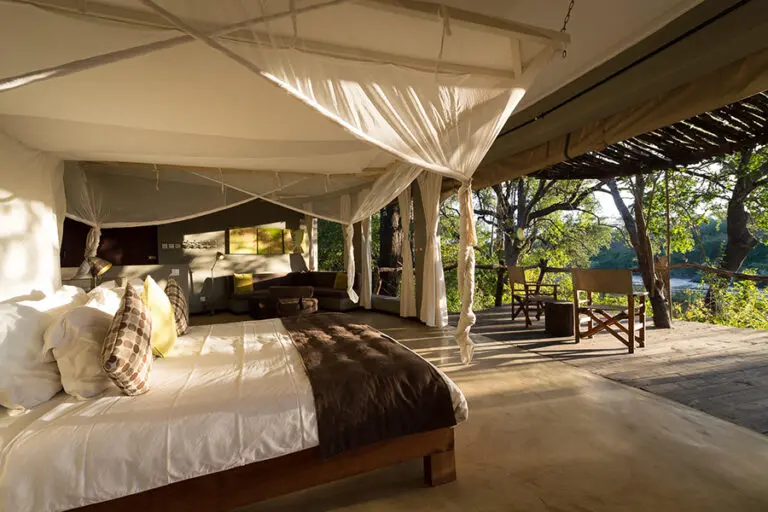 12 days
Time on the water by boat or canoe. Beach days are part of this route.
Lake Malawi | Liwonde National Park | Malawi
From KSh1,684,674 to KSh2,178,066 pps
Family Safari & Beach Adventure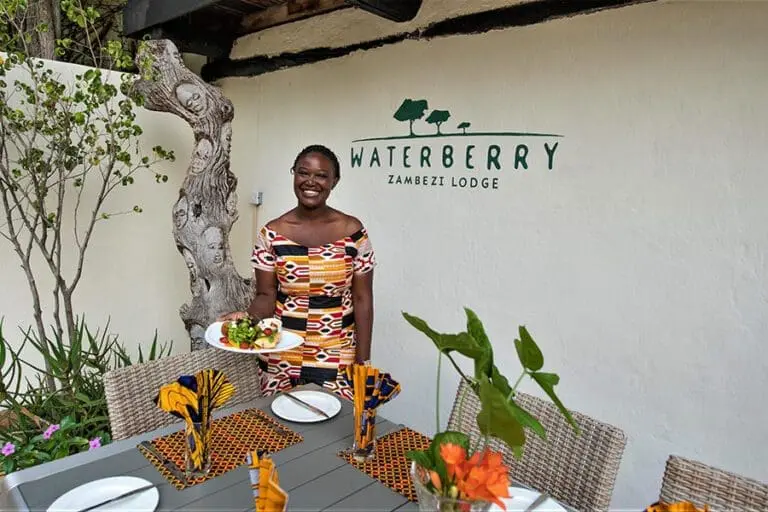 14 days
Morning and afternoon game drives on each full day on safari. Park and permit fees for the places on this route.
Malawi | Zambia
Friendly, easy-going Malawi is a perfect destination for anyone looking to combine a safari with a beach holiday. Ranging from intimate guest houses tucked away on the sandy beaches of Lake Malawi to luxury lodges hidden on its rocky islands, Malawi accommodation also extends to safari destinations like Liwonde National Park and the Nyika Plateau.
Have a look at our selection of the best Malawi lodges and hotels or simply contact us for advice on choosing the right accommodation for your holiday.
Filter Your Results
7 stays. The rate is per person sharing.
From KSh771,899 to KSh964,062 pps
Blantyre, MalawiCultural visits | Bird watching | Picnics | Boat excursions | Fishing
From KSh1,211,407 to KSh1,684,674 pps
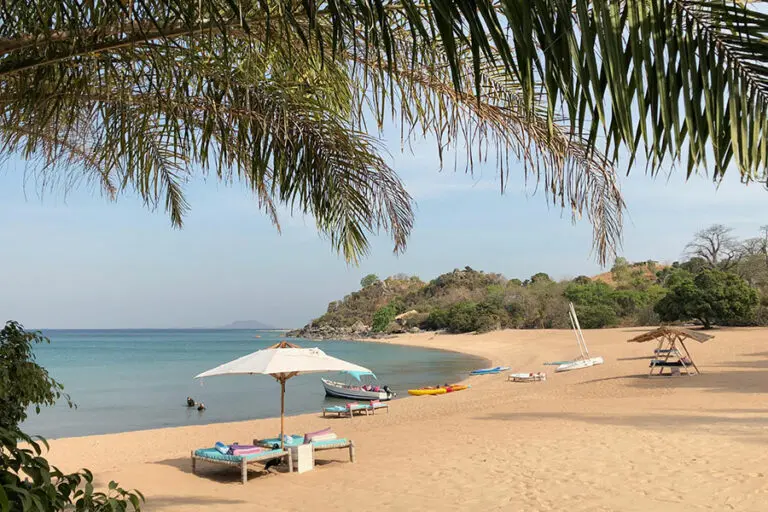 Lake Malawi, Malawi
Bird watching | Boat excursions | Fishing | Cultural visits | Bush dining | Private dining experience
From KSh964,062 pps
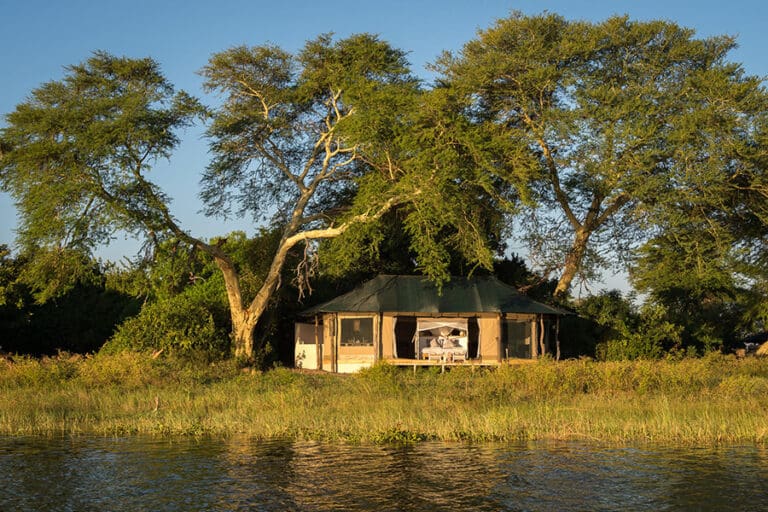 Liwonde National Park, Malawi
Night drives | Game drives | Guided walking safaris | Cultural visits | Star gazing | Bird watching
From KSh771,899 to KSh964,062 pps
Majete Wildlife Reserve, MalawiCultural visits | Bird watching | Picnics | Boat excursions | Fishing
From KSh964,062 pps
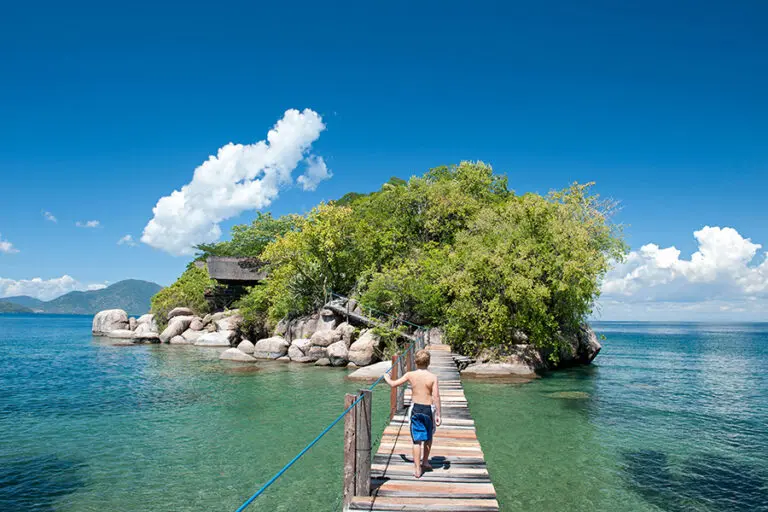 Lake Malawi, Malawi
Cultural visits | Bird watching | Picnics | Boat excursions | Fishing | Sailing
Enquire for pricing
Liwonde National Park, MalawiNight drives | Game drives | Cultural visits | Bush dining | Bird watching | Boat excursions
From KSh771,899 to KSh964,062 pps
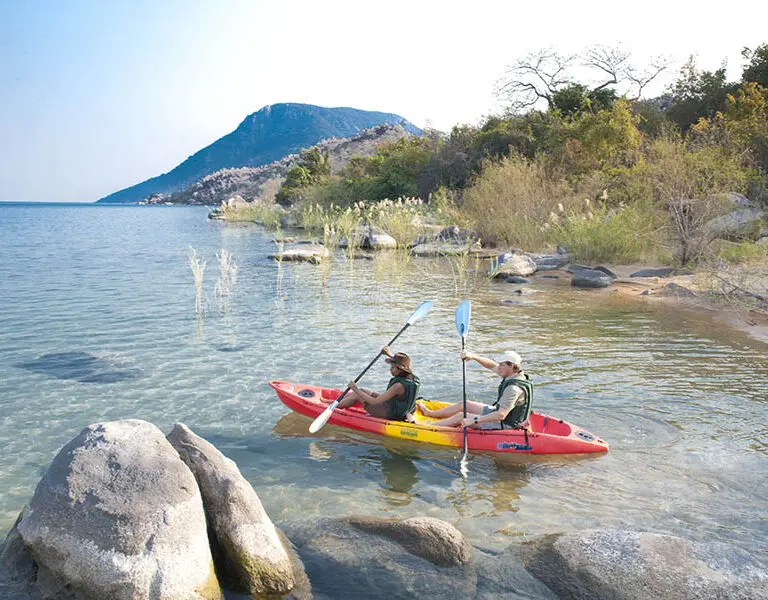 Lake Malawi, Malawi
Bird watching | Fishing | Guided walking safaris | Cultural visits | Picnics | Boat excursions
Malawi is gentler on a budget than Botswana, but a park camp plus a lake lodge is still a planned safari, not a backpacker ferry ticket. The room on Mumbo or in Liwonde is the large line. Town meals and crafts are not.
A road trip around the lake is the lower-cost way to see the shore. A light aircraft to Likoma, a private guide, and a boat to an island camp are what move the total up.
Read the sample prices we publish, then ask for a quote. Park fees, boats, and the lake stay should be spelled out before anything is paid. International flights, visas, insurance, and tips sit outside those figures.
Camps, lodges and beach hotels we already plan here. Filter by who is travelling, the activities you want, the stay type and the meal plan.
Browse Malawi stays