
From KSh1,685,323 pps
andBeyond Bateleur Camp
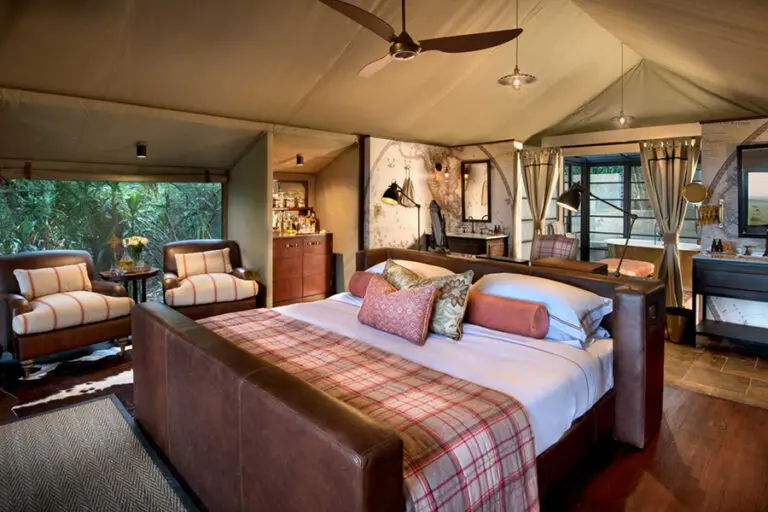 Masai Mara, Kenya
Activities travellers enjoyed
Cultural visits | Night drives | Game drives | Private vehicle with driver | Guided walking safaris | Specialist guides
HomeDestinationsMasai Mara
The Masai Mara is open grassland and the Kenyan side of the same ecosystem as the Serengeti. From about July into October the wildebeest are here. The picture everyone wants is a Mara River crossing.
Get a quote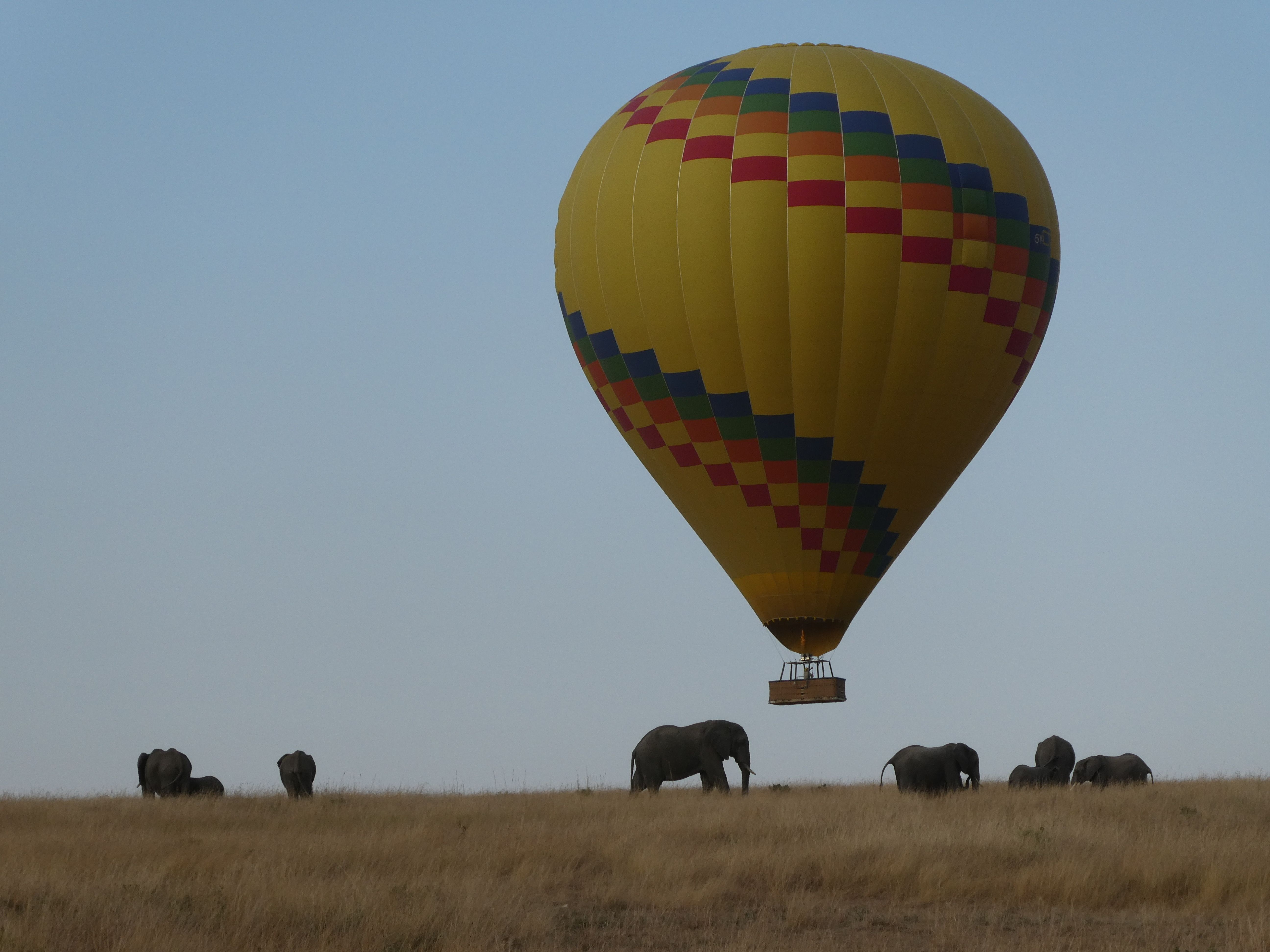
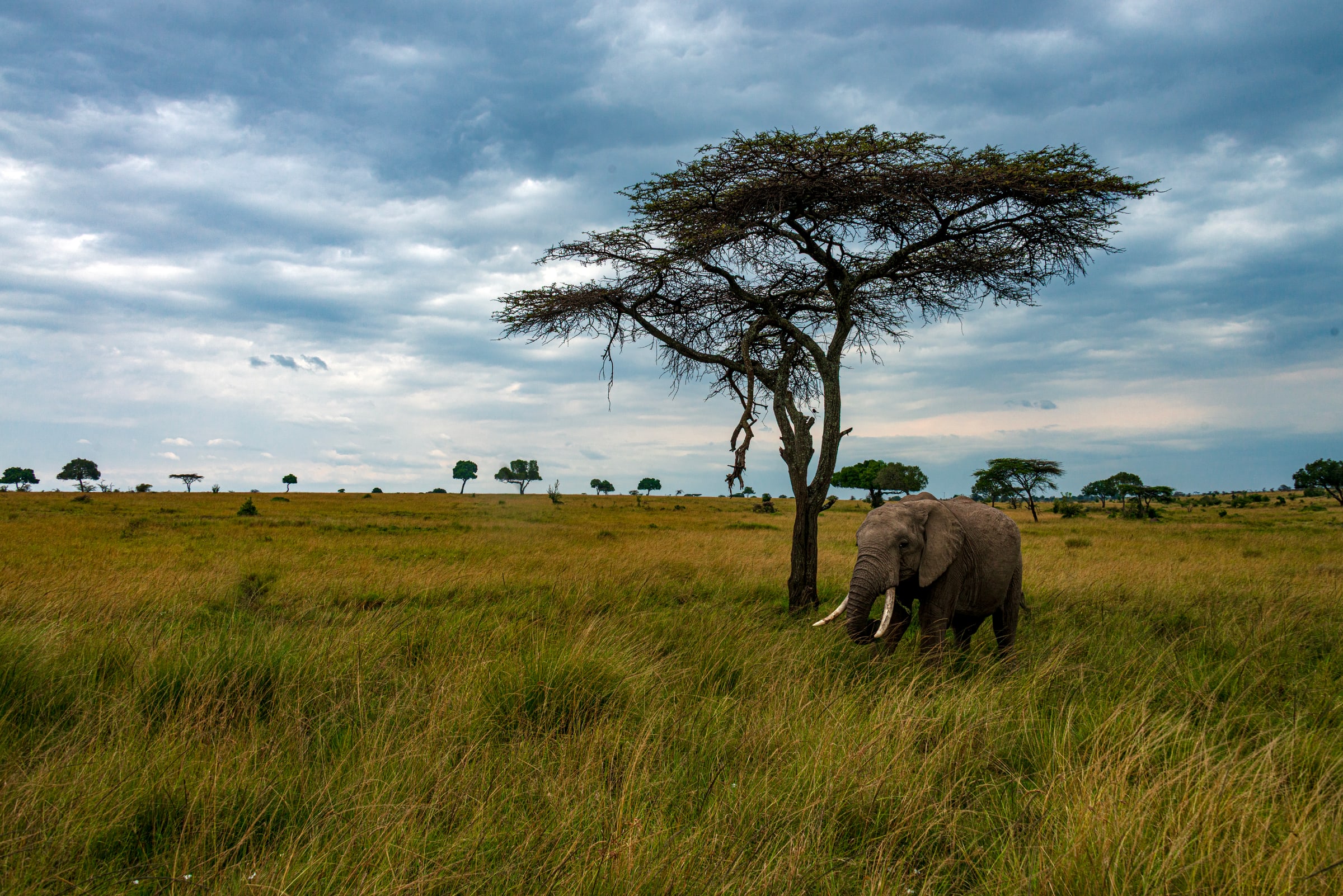
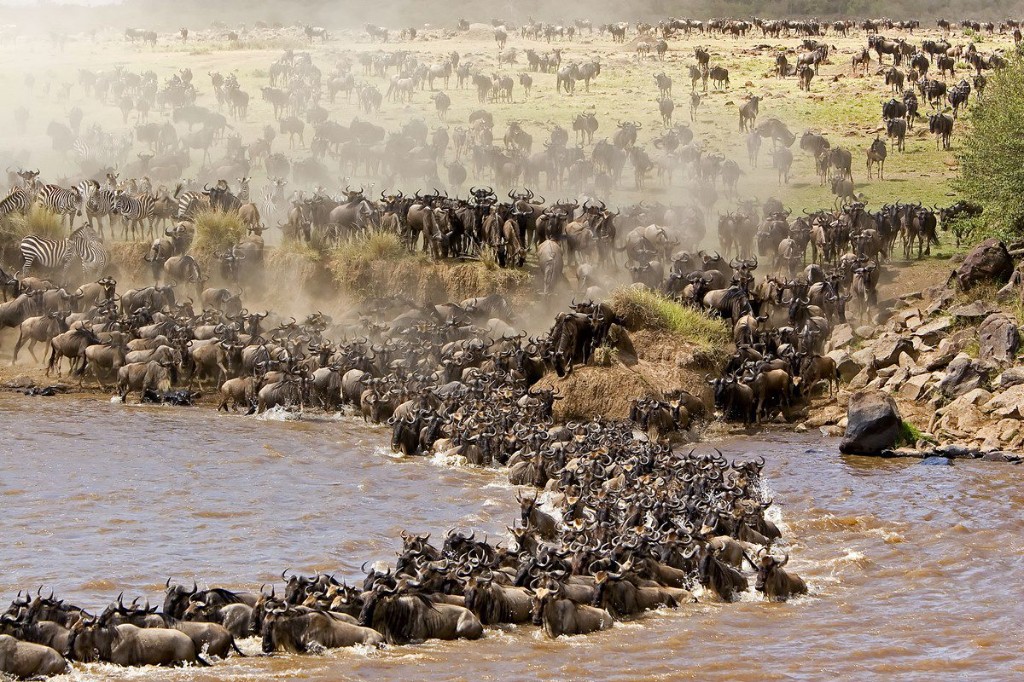
The Masai Mara National Reserve and its neighbouring conservancies form Kenya's flagship conservation area and one of the top safari destinations in Africa. Its wide-open plains provide a sanctuary for an abundance of animals like elephant, buffalo, zebra, giraffe, hyena and the Mara's famous big cats: lion, leopard and cheetah. And between about August and November every year, the Mara is a much-welcomed pit stop for unending masses of wildebeest that follow the rains on their death-defying, 2 900-kilometre (1 800-mile) circular journey.
Thousands of visitors come to the Mara every year to enjoy some of the most authentic safari experiences in Africa. Here are a few reasons why we love a Masai Mara safari:
Game viewing in the Masai Mara is excellent all year round thanks to its varied landscapes, wide open spaces, temperate climate and diverse population of resident game. Its champagne-coloured savannahs are home to safari heavyweights like lion, leopard, elephant and buffalo, plus popular species like zebra, giraffe, hyena, eland and gazelle. Rhino sightings are scarce, but these endangered animals can be spotted – if you're in luck – in the Mara Triangle.
The Mara is renowned for delivering exceptional big cat (lion, leopard and cheetah) sightings. Cheetahs are particularly well adapted to the region's flat plains, which makes the Masai Mara one of the best places to see these nimble predators. They often seek vantage points on fallen trees, termite mounds, and even game drive vehicles! It's a highlight of any Masai Mara safari to watch the world's fastest land mammal chase down its prey.
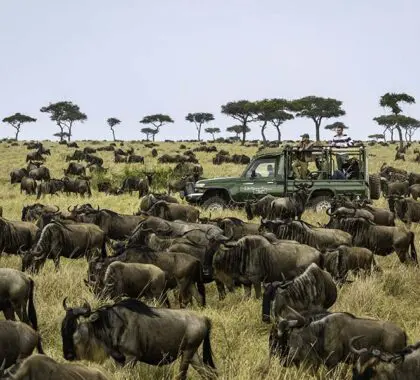
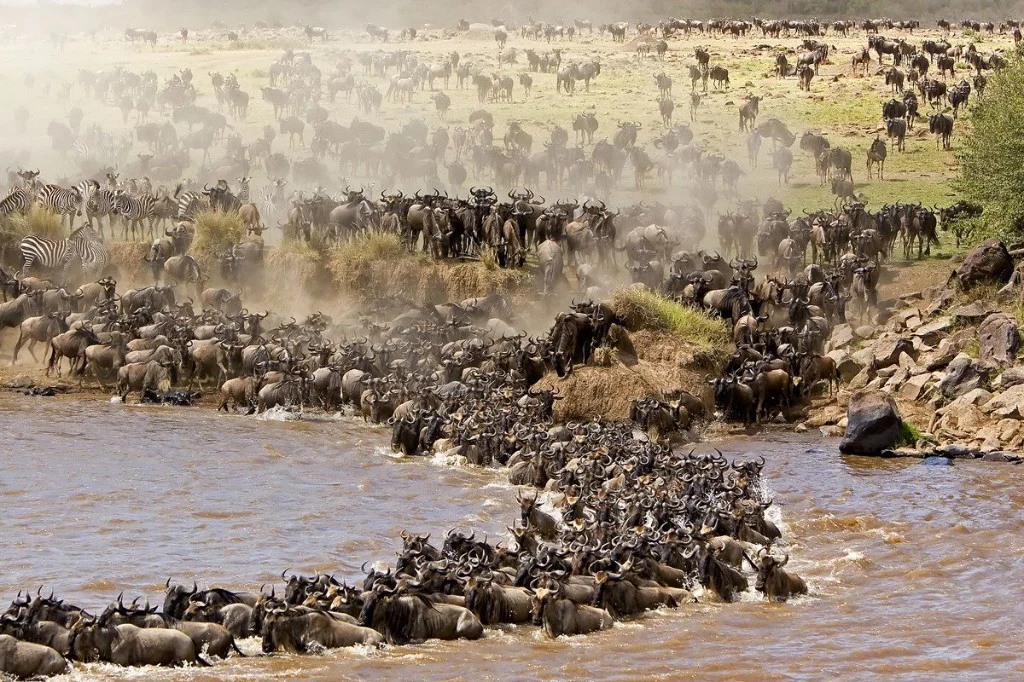
From about August to November, one of nature's greatest spectacles reaches the Masai Mara. The sheer number of wildebeest arriving in the area is staggering; the herds are so big they can be observed from space! The Wildebeest Migration is a dramatic mass movement of almost two million wildebeest, zebra and gazelle in a seasonal annual cycle driven by rainfall. To reach the Mara's fresh grazing from Tanzania's Serengeti National Park, the wildebeest must make dramatic river crossings, facing enormous crocodiles that lie in wait.
Note: availability of well-located safari camps in high season (June to October) is limited. If you want front-row seats to the Wildebeest Migration, you should book your Masai Mara safari at least a year in advance.
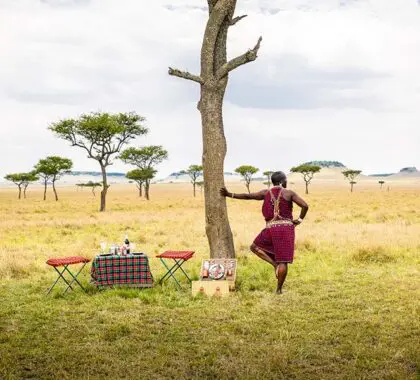
You can combine thrilling land-based game viewing in 4×4 vehicles with Maasai-guided nature walks, and crown your Masai Mara safari with an unsurpassable hot-air balloon experience. The best flight paths follow the course of the Mara River, allowing you to peek down into the forests, float past vultures' nests and observe the early-morning routines of boisterous hippos. After touching down onto the plains, you'll be treated with a delicious bush breakfast with champagne.
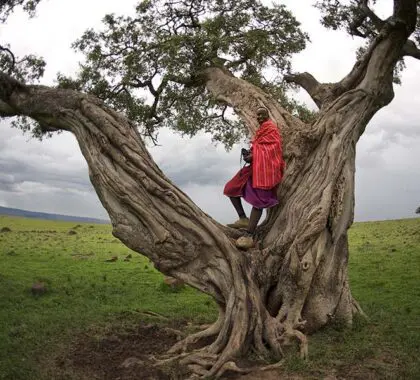
The Maasai are a semi-nomadic ethnic group who inhabit most of Kenya and northern Tanzania, and are well-known by travellers for their distinctive customs and dress. Although cattle ownership is still a central aspect of their culture, increased safari tourism has led many Maasai to become expert safari guides and camp managers. While on a Masai Mara safari, you'll have plenty of opportunities to interact with Maasai guides and camp staff, plus get the chance to visit local villages for a fascinating glimpse of traditional Maasai culture, lifestyle and traditions.
A conservancy is a very specific type of land and wildlife conservation area. Landowners enter into contracts with safari operators in return for monetary compensation and other assistance. This could include anything from educational and healthcare programmes to livestock and grazing management. The Masai Mara National Reserve can get crowded during safari high season (about June to October), which is why we recommend staying in one of the neighbouring private conservancies.
Bird watching
Cultural interactions
Hot air ballooning
Mobile camping
Private concessions and conservancies
Scenery
Wildebeest Migration
Wildlife and safari
The reserveThe Mara River and the open plains. This is the crossing country. It is also the busier country in August.The conservanciesPrivate land beside the reserve. Night drives, a cap on vehicles, and a higher fee. The right choice if you want fewer cars more than you want the river itself.What pairs with itA northern Kenya stay in Samburu or Laikipia adds species you will not see here. A coast finish is Diani or Lamu. Rwanda or Zanzibar need extra days.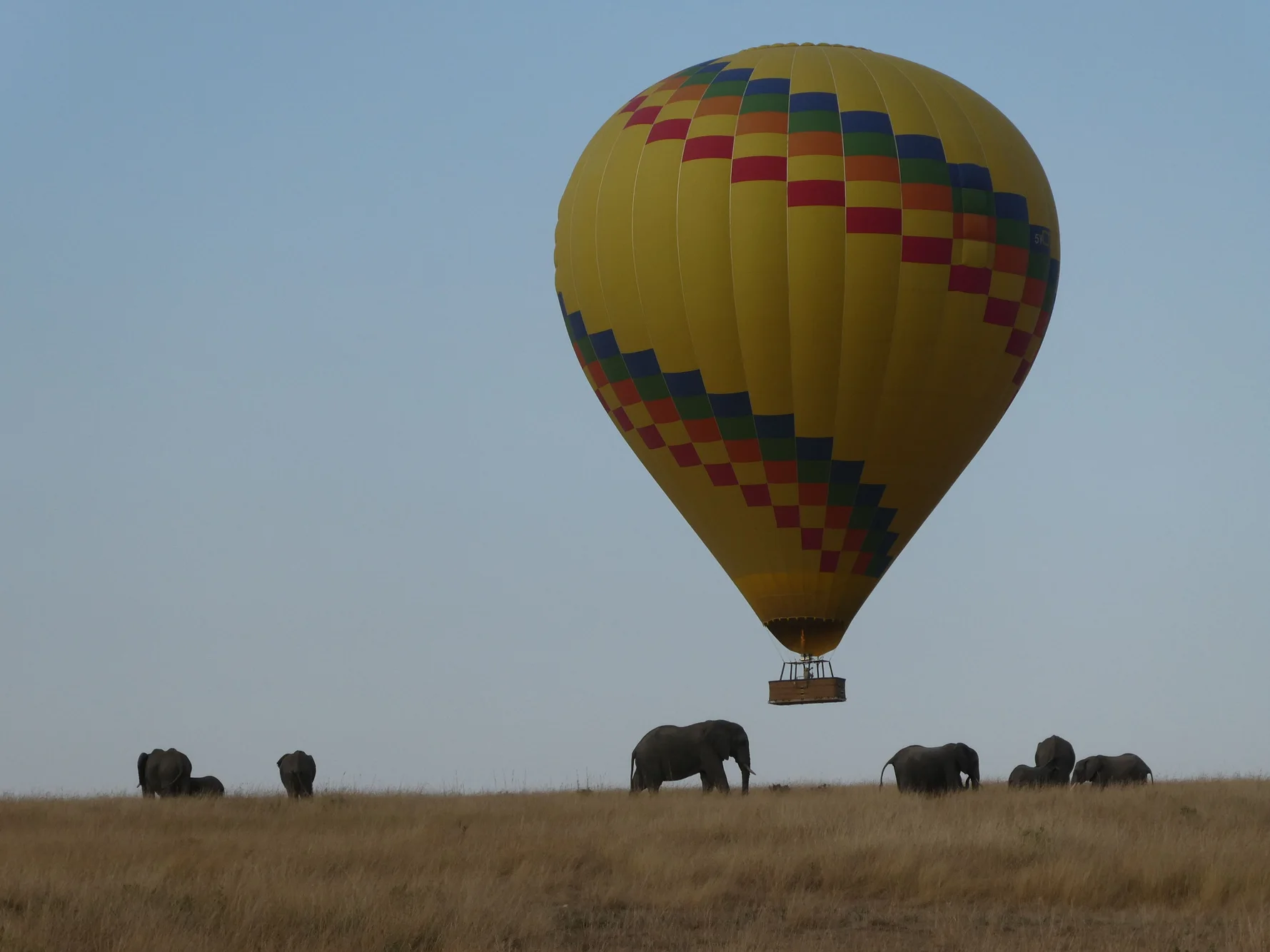
The best time to visit the Masai Mara is for the world-famous Great Wildebeest Migration, from about August to November. Due to varying rainfall patterns, the exact timing varies year to year. Some years the rains might be early and the herds will arrive and depart sooner, while other times the late rains mean the wildebeest arrive later and you'll still find stragglers.
However, thanks to its abundant resident wildlife and temperate climate, the Masai Mara is widely regarded as a fantastic year-round safari destination. Its wide and open plains mean there is virtually always something to see – no matter what time of year you visit.
| High / Peak Season | Low / Green Season | ||
|---|---|---|---|
| About June to October | About November to March | ||
| Highest rates | Lowest rates | ||
| Need to book well in advance | No need to book too far in advance | ||
| Cool and dry weather | Hot and occasionally wet weather | ||
| Not many baby animals around | Lots of baby animals around | ||
| Not many migrant birds to see | Fantastic time for birdwatching | ||
| Most crowded | Least crowded | ||
| Great photography conditions | Greenest, most scenic landscapes with the best light of the year for photography |
Tip: the Masai Mara is also great between January and the end of March. The weather is usually mild and dry, and most of the safari crowds are absent.
https://vimeo.com/214170772
January is one of the warmest months of the year in the Masai Mara. It's not as rainy as December, with an average of 15 days of rainfall throughout the month, and if it does rain it's usually just a short-burst shower in the afternoon. This is the best time to visit the Masai Mara if you are a birding enthusiast as the migratory species from North Africa and Europe can be spotted frequently in the area. January is also calving (birthing) season and is a time when new life is abundant.
In February thousands of baby animals are born a day, and the birthing season carries through until March. This is when to visit the Masai Mara for a safari to avoid the crowds and to witness Africa's big cats stalk the plains game. Plus, it's a fantastic time for photographers because you'll often have massive tracts of land and sightings all to yourself, especially in the Mara's private conservancies.
March is a rainy month in the Masai Mara. Most days will have afternoon thundershowers and these conditions can cause flooding, and some camps begin to close for the low season.
April is a low season month and has more rainfall than any other time of the year. It's slightly cooler than March but it's still warm. This is the period of the ‘long rains' and a few Masai Mara lodges and camps may close over this time to attend to general maintenance and refurbs, and to give their staff a long and well-deserved break.
There is slightly less rainfall during May but it's still one of the wettest times of the year in the Masai Mara. This period does mark the start of some slightly cooler months in Kenya which usually lasts until September. Dirt roads turn to sticky mud, rivers flood their banks, and the almost persistent drizzle never really allows for a sunny gap. However, predicting rain is the most inexact of sciences and you may find that one year May is washed out, while the next is dry. If you want to visit the Mara during this time, we recommend a fly-in safari.
June marks the end of the ‘long rains' and the start of the busy season. It's a much drier month, and the days are far cooler than any other time of the year. The vegetation is still lush and dense from all the rainfall and even though the animals can sometimes be hard to spot, it's still considered one of the best times to visit the Masai Mara for a safari. Most of the Great Migration herds (and their entourage of tourists) are yet to arrive and preparations are well underway for their imminent appearance.
In July the wildebeest herds may start to arrive in the Mara after their journey from the Serengeti. The daytime conditions are very pleasant with warm weather, but it can get cold in the evenings and on early morning game drives. It is the driest month of the year which keeps the wildlife within reach of their watering holes. This is the best time for a Big 5 safari in the Masai Mara, but it's one of the busiest months of the year – prices go up and sightings can become crowded in the national reserve.
August is another dry month of the year in the Masai Mara but has the same cooler temperatures as July, especially at night. August is a popular month to witness the daily wildlife spectacle of the Great Migration, as well as the famed Mara River crossings. But these crossings cannot be predicted – sometimes the herds stay put for weeks, other times they could cross four times in a day.
September is slightly warmer in the Masai Mara than in August with high daytime temperatures and cold nights. It's still the dry season, which makes for exceptional game viewing and it's still a great month to see the Migration in full swing. Things begin to heat up in the Masai Mara during October and it is one of the hottest months of the year. Most of the wildebeest herds are still in and around the Mara.
November’s short summer rains trigger the last leg of the Great Migration, when the wildebeest move south to their Serengeti calving grounds. The only downside can be the rain, but the thundershowers are usually short afternoon bursts followed by clear skies. December is less busy at the start of the month than during the peak season months, but it can get busy in the national reserve over the festive season period.
Chat with someone who’s been there. Get in touch with one of our Africa Safari Experts to help tailor-make a trip to the Masai Mara that’s right for you.
We take pride in providing our travellers with unbiased advice based on extensive, first-hand experience in the destinations we recommend. We've been tailor-making Masai Mara safari itineraries since 1998 – here are some of our top tips:
A year in advance is normal, as camps located near river-crossing hot spots get snapped up quickly. Talk to us about getting front-row seats during July to November. Here’s all you need to know about a Migration Safari
On our bucket list of things to do in the Masai Mara, Hot-air balloon safaris are a Mara specialty and deliver an unforgettable bird’s-eye view of the Wildebeest Migration. Not every lodge or camp offers them – get in touch with us to find out who does.
Make sure your Maasai cultural interaction genuinely benefits the local community and is an experience that is both meaningful and uncontrived. We’ll recommend accommodation and operators that do it the right way.
The Masai Mara National Reserve can get very busy during the Migration's high season (July to November). The Mara's private conservancies offer low visitor numbers, excellent accommodation and game viewing as good as the main reserve. Off-road game viewing, night drives and guided nature walks – activities not permitted in the public section of the Masai Mara – are also on offer. Furthermore, by staying in the conservancies, you will contribute directly to local communities and conservation.
For general information on travelling to Kenya – like safety, climate, money and spending – visit our Kenya Travel Advice page.
Jomo Kenyatta International Airport in Nairobi is Kenya’s major international airport for the Masai Mara. All safari trips depart from Nairobi’s smaller Wilson Airport and fly straight into the reserve by a short charter flight. You'll land at one of the local airstrips and get transferred to your safari camp or lodge by 4×4.
Because you'll be hopping into the Masai Mara on a sleek light aircraft from Nairobi's Wilson Airport, space is at a premium. These bush flights have a strict luggage limit of 15kg (33 lbs) per person, which includes your hand luggage.
More importantly, your bags must be soft-sided duffel bags with no rigid frames or wheels. Hard suitcases simply won’t fit into the plane’s specialized pod belly.
If you're combining your safari with a beach trip to Zanzibar or a stay in Cape Town and have extra luggage, don’t panic. Speak to your Africa Safari Expert who can see about arranging for your excess hard luggage to be securely stored in Nairobi while you're in the bush.
For flight schedules, fares and booking terms, check directly with the airline or your chosen travel agent.
Guided road transfers and game drives in Kenya are conducted in closed 4x4s with big windows and pop-up roofs. Most safari destinations in Kenya have extensive road networks and closed vehicles are therefore the norm when doing long-distance road transfers between airstrips, camps and lodges. A closed 4×4 game drive vehicle generally has three rows of seating and features a pop-up roof hatch that can be raised for game viewing and taking photographs. If you're flying to one of the Masai Mara's airstrips, your transfer vehicle could be open-sided.
A common safari myth is that East Africa is always scorching hot. In reality, the Masai Mara sits at a relatively high altitude (between 1,500 and 2,000 meters above sea level), meaning temperatures plummet when the sun goes down.
Your early morning wake-up calls and evening night drives will be crisp and surprisingly cool. We highly recommend packing in layers: a windproof jacket, a warm fleece, a beanie, and a scarf. By midday, the African sun is fierce, and you'll want to strip down to a light t-shirt and shorts before bundling back up for your sundowner drive.
While the Great Migration (July to November) gets all the headlines, the Masai Mara is a spectacular year-round destination.
If you travel during the “Green Season” (December to April), you will experience the Mara at its most beautiful. The landscape turns a vibrant emerald green (perfect for photography), the air is incredibly crisp, and it's the peak birthing season for plains game - which means spectacular predator-prey action. Best of all? You'll enjoy significantly fewer safari vehicles around sightings and excellent value-for-money rates at Africa's finest lodges. The Mara's famous resident Big Five and big cats never leave; they are there waiting for you 360 days a year.
Yes, you won’t be entirely off the grid! Even the most remote, romantic luxury tented camps in our portfolio feature some form of electricity. Most run on sophisticated solar-power systems with generator backups. In moist camps you will easily find plug points in your tent to charge your phones, tablets, and camera batteries.
Chat with someone who’s been there – get in touch with one of our Africa Safari Experts to help tailor-make your Masai Mara safari:
Home to an abundance of resident wildlife and the annual Wildebeest Migration (about August to November), Kenya’s Masai Mara National Reserve is without doubt one of Africa’s most authentic safari destinations. It’s extremely popular the world over, which is why we recommend booking your Masai Mara safari well in advance – especially if you want to see the migration.
We’ll be happy to recommend Masai Mara safari itineraries that put you at the heart of the migration action. Furthermore, a Masai Mara safari can also be a romantic and intimate escape to luxury tented camps nestled in private conservancies – ideal for honeymoons and special occasions. And if you’re on a budget, we have affordable scheduled group tours that offer comfortable safari accommodation.
We’d also suggest combining a Masai Mara safari with some time in Tanzania’s Serengeti and Ngorongoro Crater for an immense wildlife experience. And if you’d like to crown your trip with a relaxing beach break, why not include one of Kenya's beautiful beaches or even exotic Zanzibar?
Browse our recommended trips below or get in touch with one of our Africa Safari Experts to help you tailor-make a Masai Mara tour based on your travel wishes:
Wonderful safari experience for competent horse riders. Gallop among herds of wildebeest, zebra, giraffe and gazelle.
First night spent on a coffee estate with Mount Meru as your backdrop. Big Five encounters at the famed Ngorongoro Crater.
Wide diversity of wildlife, scenery and cultures. Game drives, birding, and guided nature walks .
Incredible views of the Masai Mara. Great Wildebeest Migration viewing in season.
Optional hot-air balloon safari. Incredible scenery and wide variety of game.
A classic safari-and-island getaway combination. Perfect family itinerary.
Visit the Masai Mara, Victoria Falls & Cape Town. Luxury accommodation & excellent service.
A Big 5 safari & relaxed, beach holiday. Witness the Great Wildebeest Migration.
Wonderful safari experience for competent horse riders. Gallop among herds of wildebeest, zebra, giraffe and gazelle.
Wonderful safari experience for competent horse riders. Gallop among herds of wildebeest, zebra, giraffe and gazelle.
First night spent on a coffee estate with Mount Meru as your backdrop. Big Five encounters at the famed Ngorongoro Crater.
First night spent on a coffee estate with Mount Meru as your backdrop. Big Five encounters at the famed Ngorongoro Crater.
Wide diversity of wildlife, scenery and cultures. Game drives, birding, and guided nature walks .
Wide diversity of wildlife, scenery and cultures. Game drives, birding, and guided nature walks .
Incredible views of the Masai Mara. Great Wildebeest Migration viewing in season.
Incredible views of the Masai Mara. Great Wildebeest Migration viewing in season.
Optional hot-air balloon safari. Incredible scenery and wide variety of game.
Optional hot-air balloon safari. Incredible scenery and wide variety of game.
A classic safari-and-island getaway combination. Perfect family itinerary.
A classic safari-and-island getaway combination. Perfect family itinerary.
Visit the Masai Mara, Victoria Falls & Cape Town. Luxury accommodation & excellent service.
Visit the Masai Mara, Victoria Falls & Cape Town. Luxury accommodation & excellent service.
A Big 5 safari & relaxed, beach holiday. Witness the Great Wildebeest Migration.
A Big 5 safari & relaxed, beach holiday. Witness the Great Wildebeest Migration.
Priced itineraries that pass through this place. Nights can still change when the quote is drawn up. Nothing is paid until you accept it.
From KSh776,443 to KSh1,012,752 pps
Kenya's Big Five, Ol Pejeta & Mara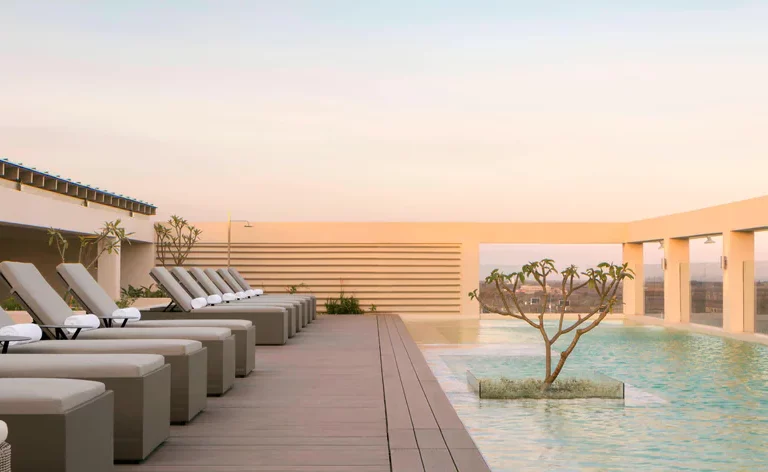 7 days
Morning and afternoon game drives on each full day on safari. Park and permit fees for the places on this route.
Kenya | Masai Mara | Nairobi | Ol Pejeta Conservancy
Ask for the rate
Kenya Big 5 & Rhino Tracking Safari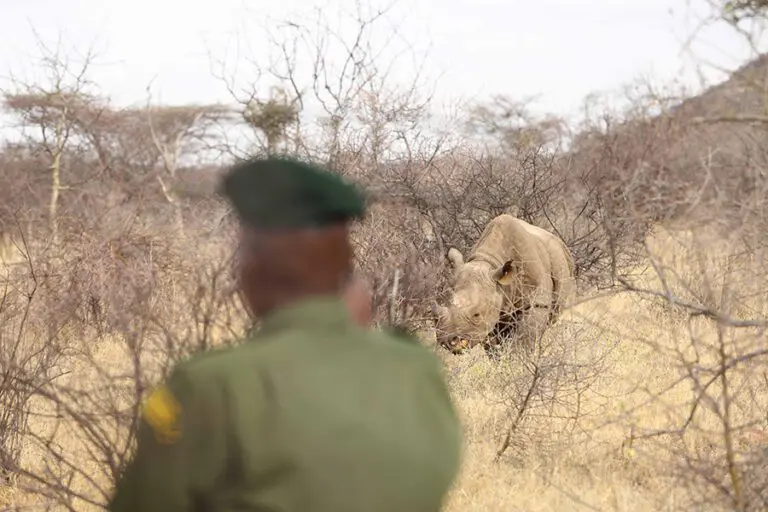 7 days
Morning and afternoon game drives.
Kenya | Masai Mara | Samburu
Ask for the rate
Family Kenya's Samburu & Masai Mara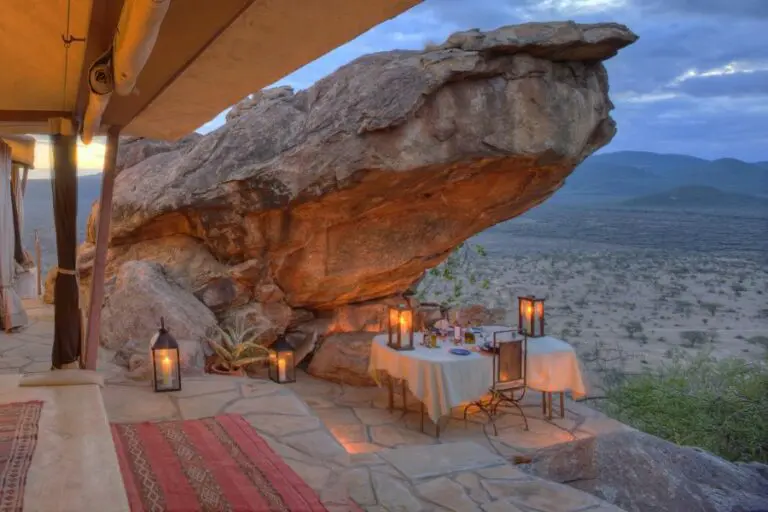 7 days
Morning and afternoon game drives on each full day on safari. Park and permit fees for the places on this route.
Kenya | Masai Mara | Samburu
Ask for the rate
Fly-in Kenya's Lake Naivasha & Mara 7 days
A hot-air balloon flight can be arranged. The quote confirms the fare.
Kenya | Lake Naivasha | Masai Mara | Nairobi
From KSh776,443 to KSh1,012,752 pps
Kenya's Big Five, Ol Pejeta & Mara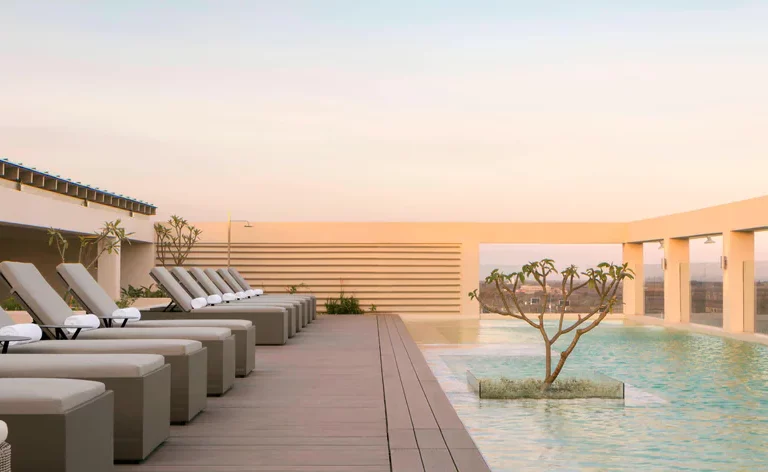 7 days
Morning and afternoon game drives.
Kenya | Masai Mara | Nairobi | Ol Pejeta Conservancy
From KSh1,541,201 to KSh2,082,634 pps
8-Day Luxury Nairobi, Laikipia & Mara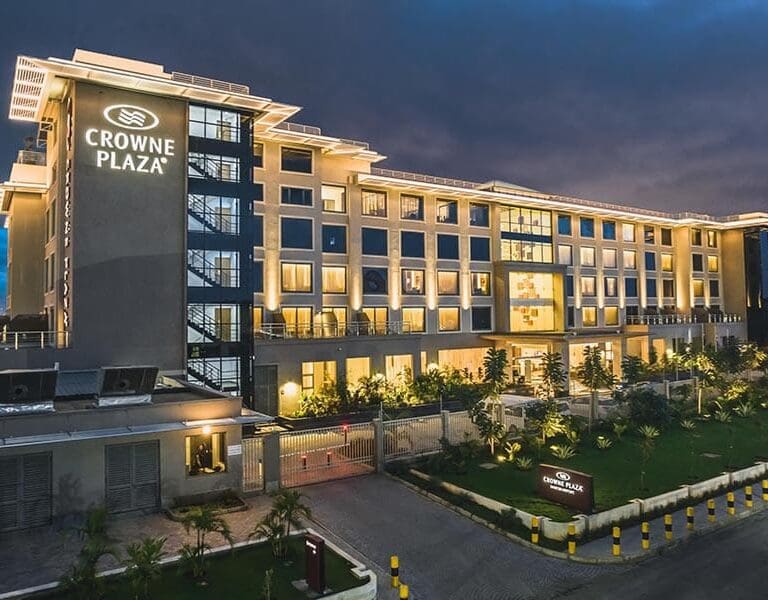 8 days
Morning and afternoon game drives on each full day on safari. Park and permit fees for the places on this route.
Kenya | Laikipia | Masai Mara | Nairobi
Ask for the rate
Kenya’s Laikipia & Mara Conservation & Wildlife Safari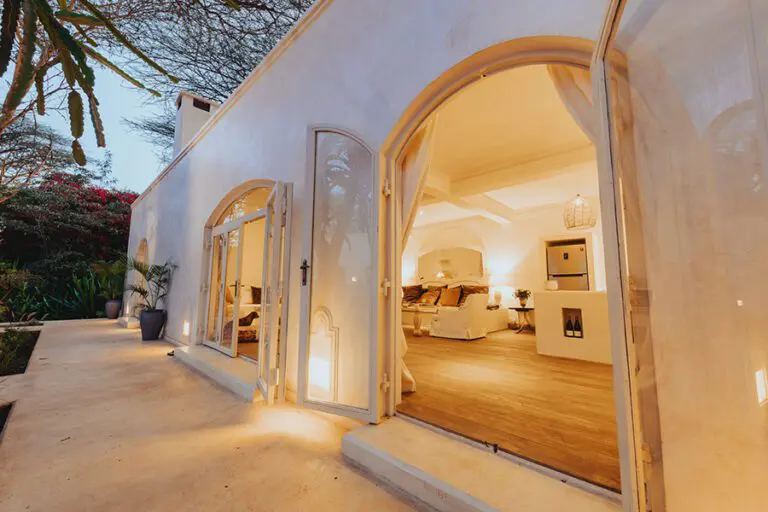 8 days
A rhino outing where this itinerary includes one.
Kenya | Laikipia | Masai Mara | Nairobi
From KSh928,486 pps
Kenya’s Amboseli & Masai Mara’s Hidden Gems Safari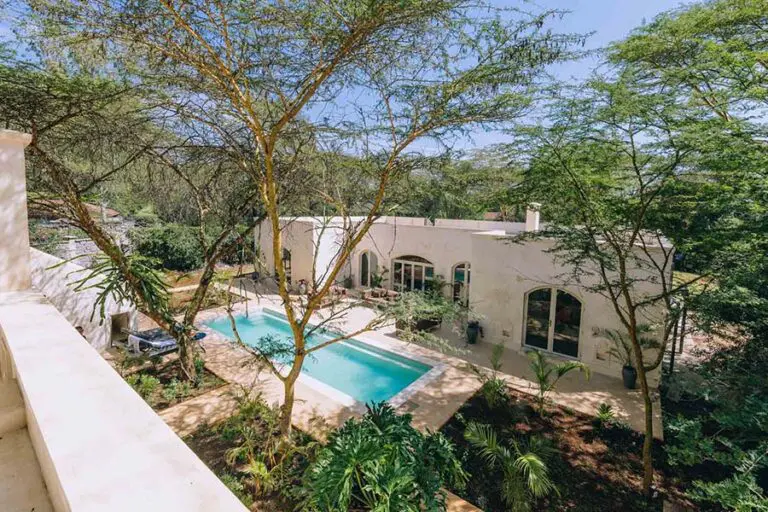 8 days
Morning and afternoon game drives on each full day on safari. Park and permit fees for the places on this route.
Amboseli National Park | Kenya | Masai Mara | Nairobi
The incomparable Masai Mara is one of the world’s greatest wildlife destinations. Not much can beat the delight of superb, year-round game viewing – let alone all the thrills of the Wildebeest Migration. Its popularity, however, means that several factors must be considered when choosing your Masai Mara accommodation.
Choosing which area to visit and when to go to the Masai Mara will impact your experience. The Masai Mara National Reserve's central region is busiest during the migration season (about August to November) and its many lodges and safari hotels cater for large numbers of people. The private conservancies in the north offer more seclusion and tucked-away accommodation, such as luxury tented camps and decadent safari suites. Plus, you’ll be able to enjoy a greater selection of activities like guided walks, night game drives and stargazing. The eastern region of the national reserve is closest to Nairobi and the accommodation is consequently larger in scale, catering for scheduled tour groups and the like.
Remember, however, that the Masai Mara delivers great game viewing throughout the year and your safari experience will certainly be different during the quieter low season (about November to March). You might not get the Wildebeest Migration's herds, but there’s plenty else to see and a wide range of places to stay; many of which offer discounted, out-of-season rates.
Browse our recommended Masai Mara accommodation below or simply get in touch with one of our Africa Safari Experts to help you find the one that's right for you:
Filter Your Results
28 stays. The rate is per person sharing.
From KSh1,685,323 pps
Masai Mara, KenyaCultural visits | Night drives | Game drives | Private vehicle with driver | Guided walking safaris | Specialist guides
From KSh1,951,495 to KSh3,804,312 pps
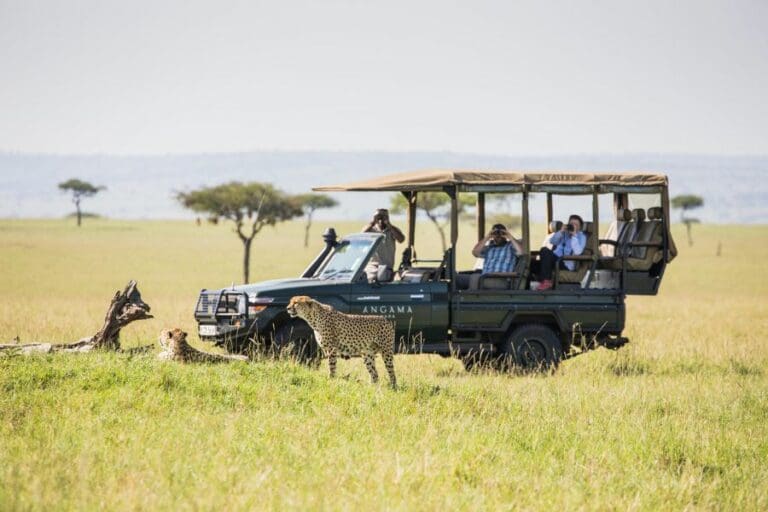 Masai Mara, Kenya
Cultural visits | Game drives | Guided walking safaris | Conservation projects | Bush dining | Bird watching
From KSh533,642 pps
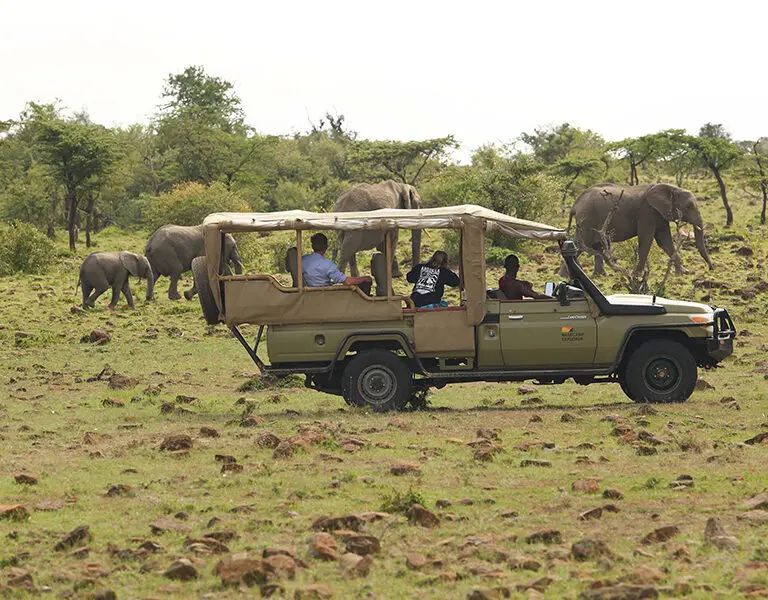 Masai Mara, Kenya
Cultural visits | Game drives | Bird watching | Hot air ballooning | Fishing | Spa treatments
From KSh1,541,201 to KSh1,828,147 pps
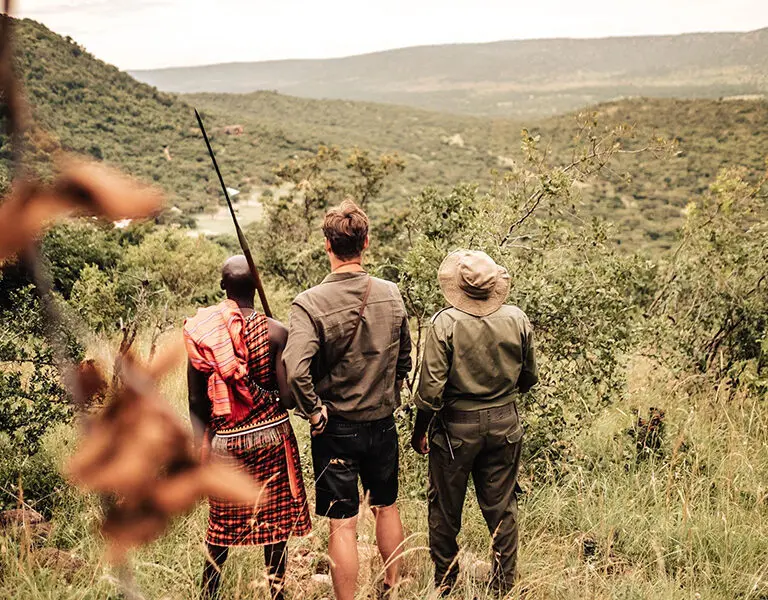 Masai Mara, Kenya
Cultural visits | Night drives | Game drives | Specialist guides | Bush dining | Bird watching
From KSh2,613,679 pps
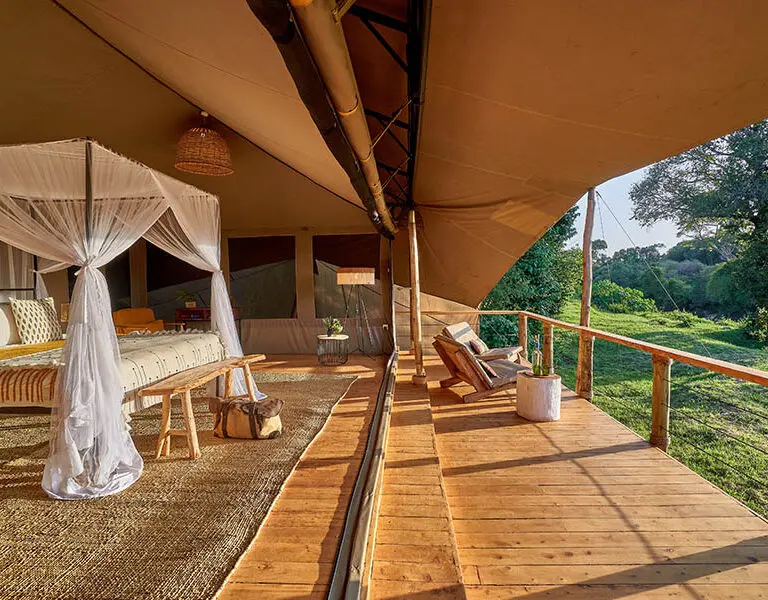 Masai Mara, Kenya
Cultural visits | Game drives | Private vehicle with driver | Guided walking safaris | Specialist guides | Conservation projects
From KSh1,119,221 to KSh2,982,425 pps
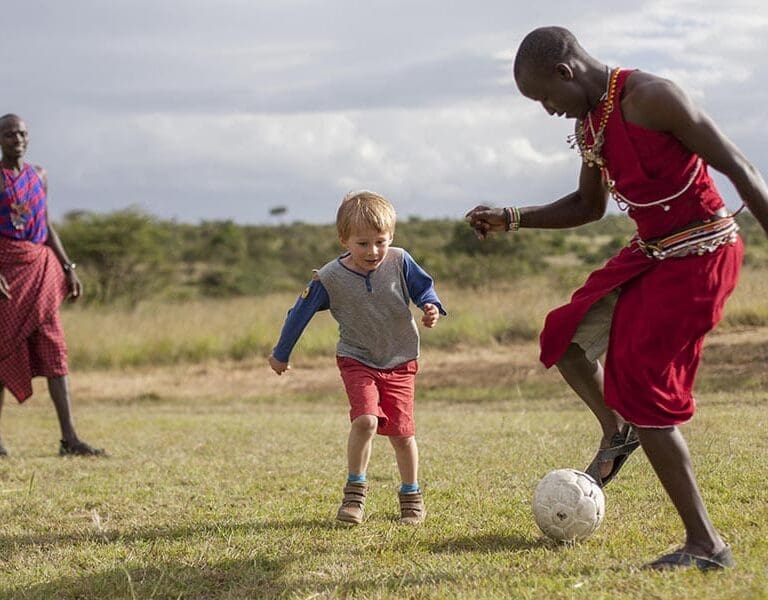 Masai Mara, Kenya
Cultural visits | Night drives | Game drives | Specialist guides | Star gazing | Rhino tracking
From KSh1,065,986 pps
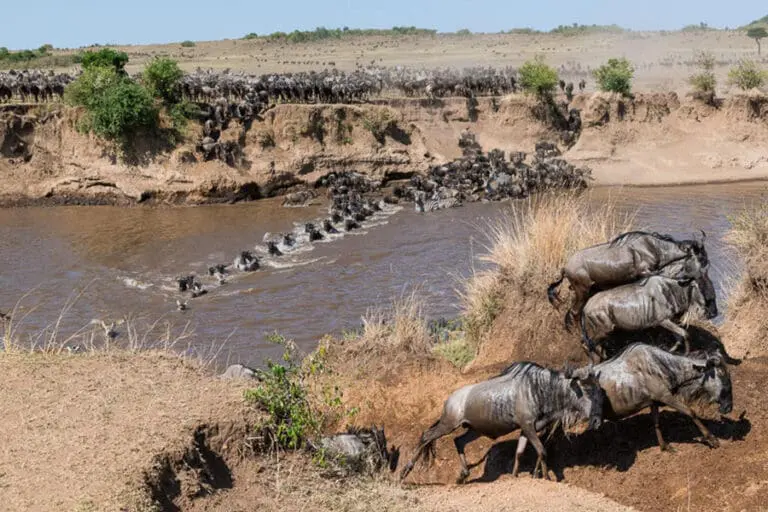 Masai Mara, Kenya
Cultural visits | Game drives | Guided walking safaris | Bush dining | Picnics | Hot air ballooning
From KSh876,420 to KSh1,134,802 pps
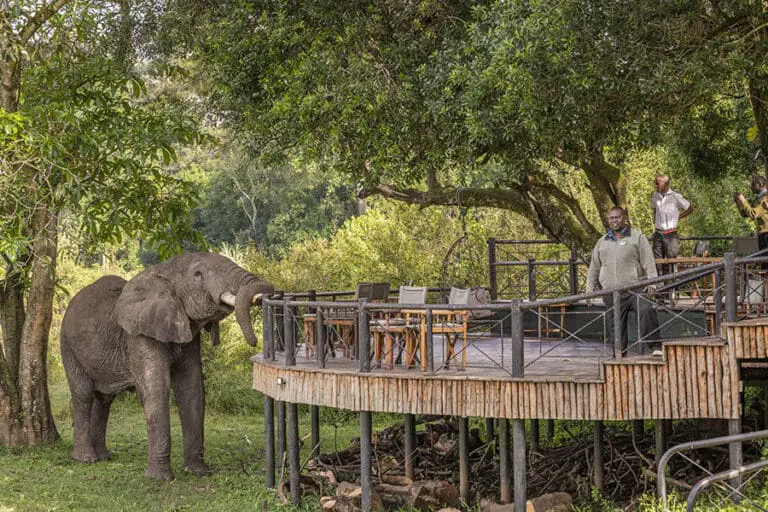 Masai Mara, Kenya
Cultural visits | Game drives | Guided walking safaris | Bush dining | Bird watching | Picnics
From KSh2,869,464 pps
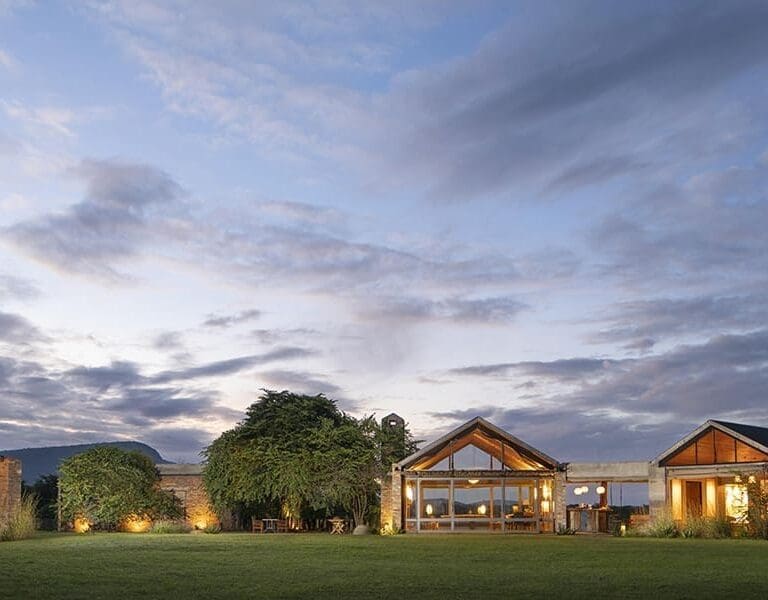 Masai Mara, Kenya
Cultural visits | Night drives | Game drives | Private vehicle with driver | Guided walking safaris | Conservation projects
From KSh933,550 to KSh1,387,990 pps
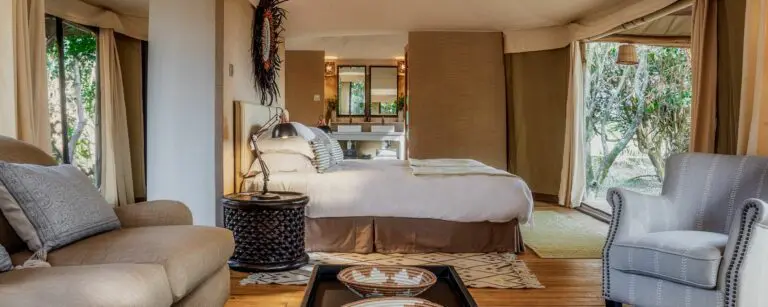 Masai Mara, Kenya
Cultural visits | Game drives | Bush dining | Bird watching | Private dining experience | Cooking lessons
From KSh3,665,383 pps
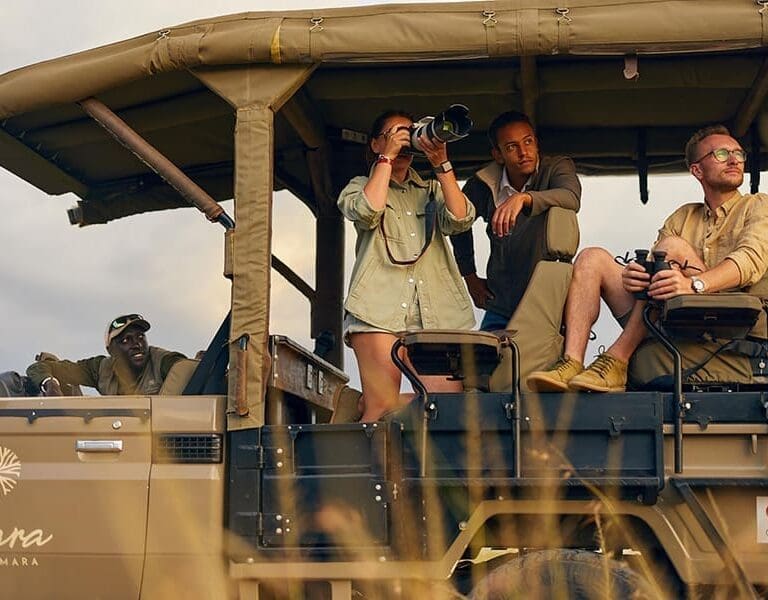 Masai Mara, Kenya
Cultural visits | Game drives | Sleep-out experience available | Rhino tracking | Bird watching | Helicopter flights
From KSh933,550 pps
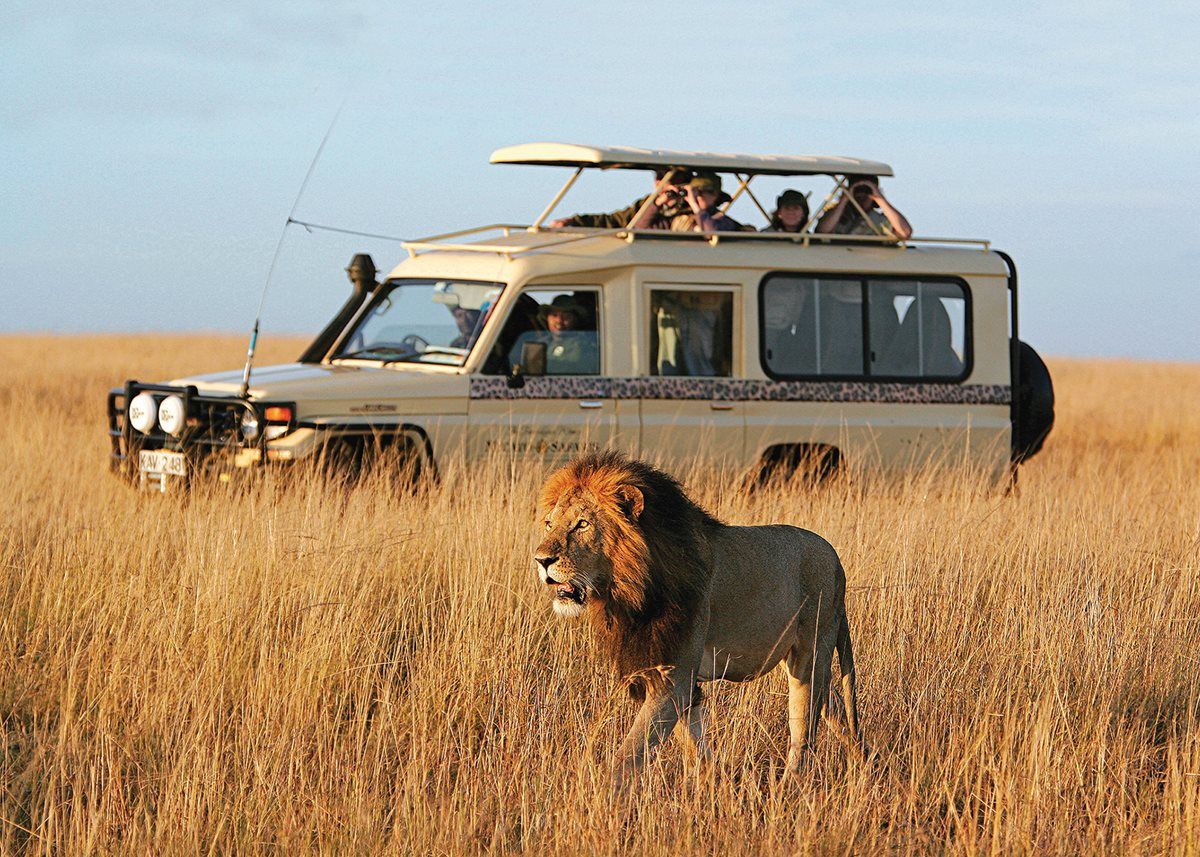 Masai Mara, Kenya
Guided walking safaris | Cultural visits | Night drives | Game drives | Bush dining | Hot air ballooning
July and August nearest the river are the expensive weeks. A conservancy fee is higher than a reserve fee and is a real slice of the total.
January to March is often the better value for the same cats without the crossing crowds.
Kenya sample trips show the published guide, some as a seasonal range. International flights, the authorisation, and tips are extra. Payment is the step after the quote.
Lodges
Best Masai Mara Safari Lodges Camps Our Top Picks is a planning note from Safari Continents Travel. It sits beside the destination guides for Masai Mara. Published trip prices are a guide. You receive a quote before anything is paid.
Places
The Full Guide to a Masai Mara Safari is a planning note from Safari Continents Travel. It sits beside the destination guides for Masai Mara. Published trip prices are a guide. You receive a quote before anything is paid.
Places
Kruger vs Masai Mara vs Serengeti is a planning note from Safari Continents Travel. It sits beside the destination guides for Masai Mara, Serengeti. Published trip prices are a guide. You receive a quote before anything is paid.
Places
Bucket List Things to Do Masai Mara is a planning note from Safari Continents Travel. It sits beside the destination guides for Masai Mara. Published trip prices are a guide. You receive a quote before anything is paid.
Camps, lodges and beach hotels we already plan here. Filter by who is travelling, the activities you want, the stay type and the meal plan.
Browse Masai Mara stays