Enquire for pricing
Anakao Ocean Lodge
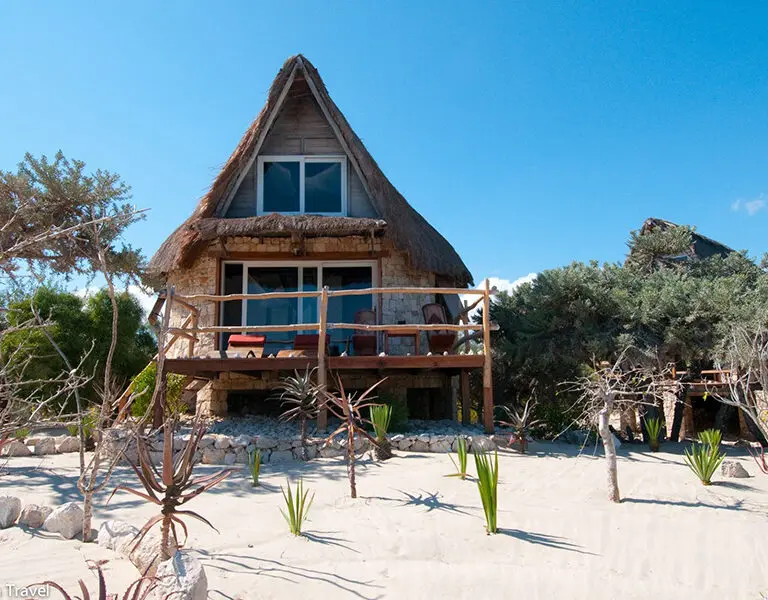 Anakao, Madagascar
Activities travellers enjoyed
Historical tours | Bird watching | Private dining experience | Canoeing | Hiking | Yoga
HomeDestinationsMadagascar
Madagascar is not a classic safari. The wildlife is its own list: lemurs, chameleons, fossas, and baobabs, with rainforests on one side of the island and dry spiny forest on the other.
Get a quote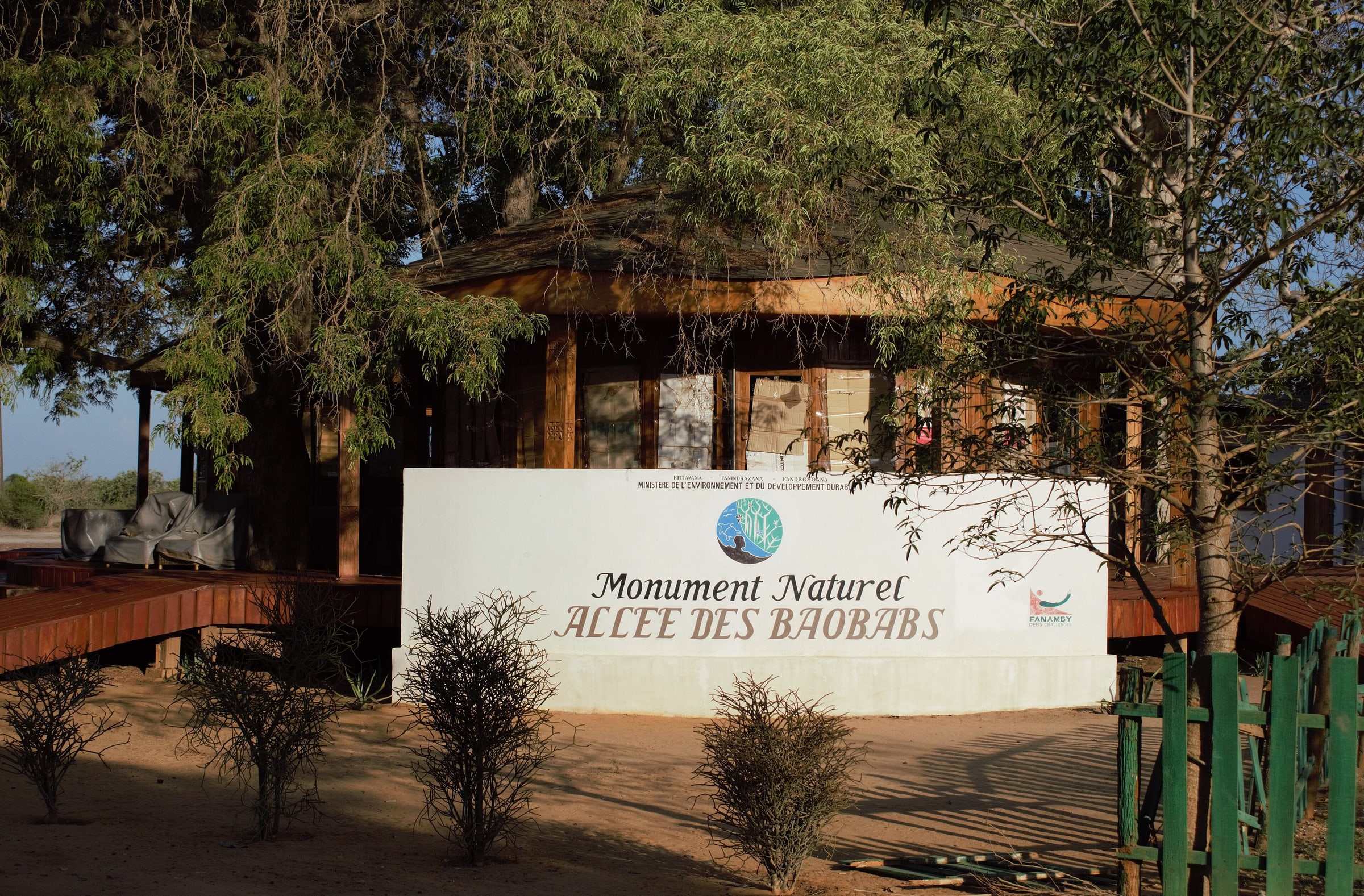
Are you looking for new places to explore away from the crowds? A Madagascar holiday offers an enviable combination of diving, snorkelling, hiking and sightseeing in an array natural beauty spots. Discover more here.
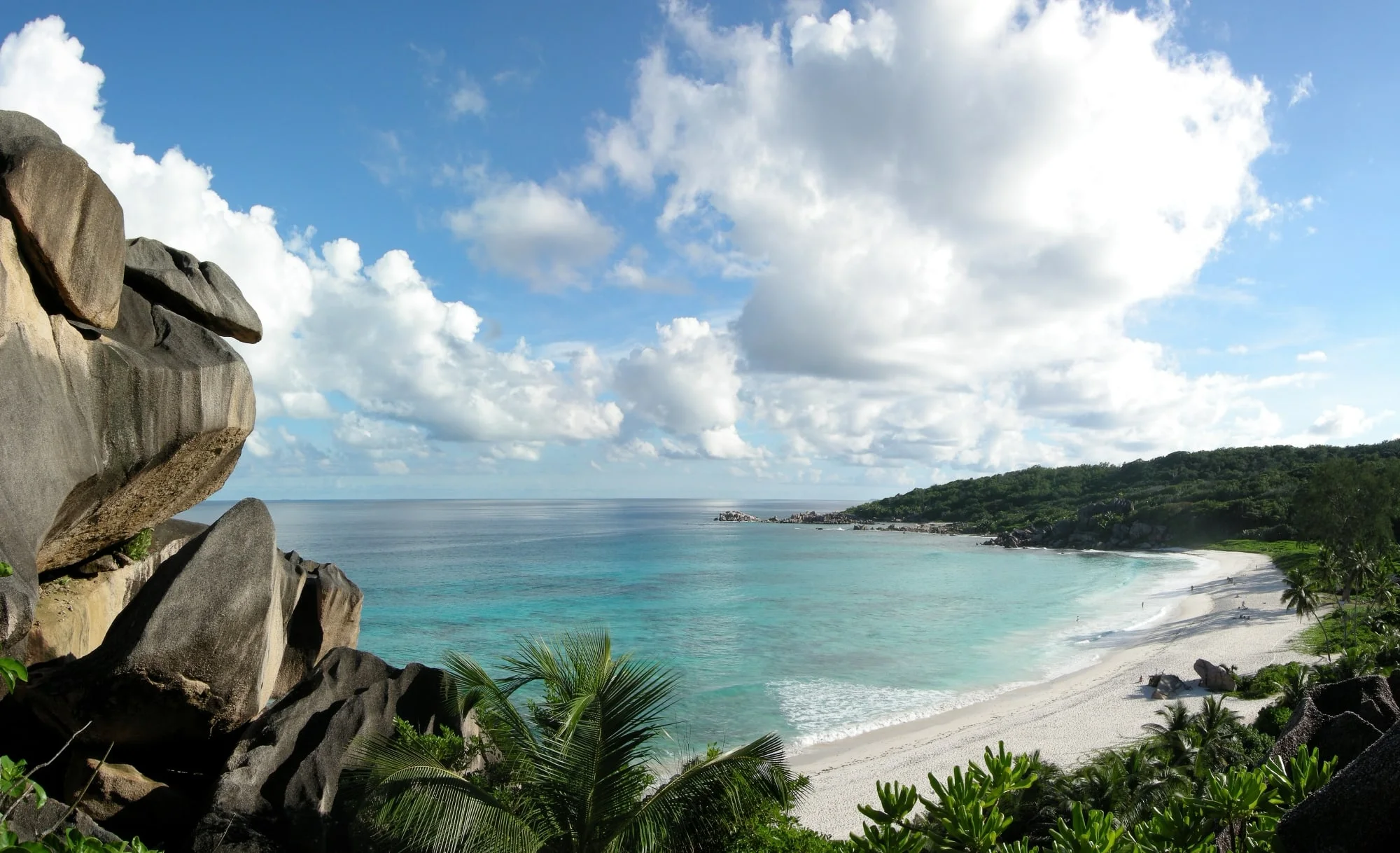
Madagascar, rightfully known as the ‘Galapagos of the Indian Ocean', is not only an exquisite island paradise, but a place where most of the fauna and flora are endemic – meaning they are found nowhere else in the world. It is one of only a handful of official Biodiversity Hotspots in the world with an enviable list of wildlife wonders. If the local wildlife isn't enough, Madagascar is also the perfect addition to a safari and beach holiday.
A unique blend of luxury and off-the-beaten-track adventure gives Madagascar a timeless quality and ensures there is something to entice every traveller. Stroll along blissful white beaches at sunset, shake fins with the local sea life while snorkelling along the coral reef, and discover the island's local celebrities, the lemurs. To end the day, enjoy local cuisine overlooking the clear azure ocean – pure bliss!
Is Madagascar a good place to visit? The answer would be a resounding yes. Spend your days exploring smaller surrounding islands like Nosy Be and Île Sainte-Marie, embark on exciting hikes, traverse diverse landscapes that range from lush to arid, and try your hand at various water-based activities. Visit Madagascar if uncrowded beaches, hidden coves, and breathtaking beauty sound like your idea of heaven.
Here are our top five reasons you should travel to Madagascar:
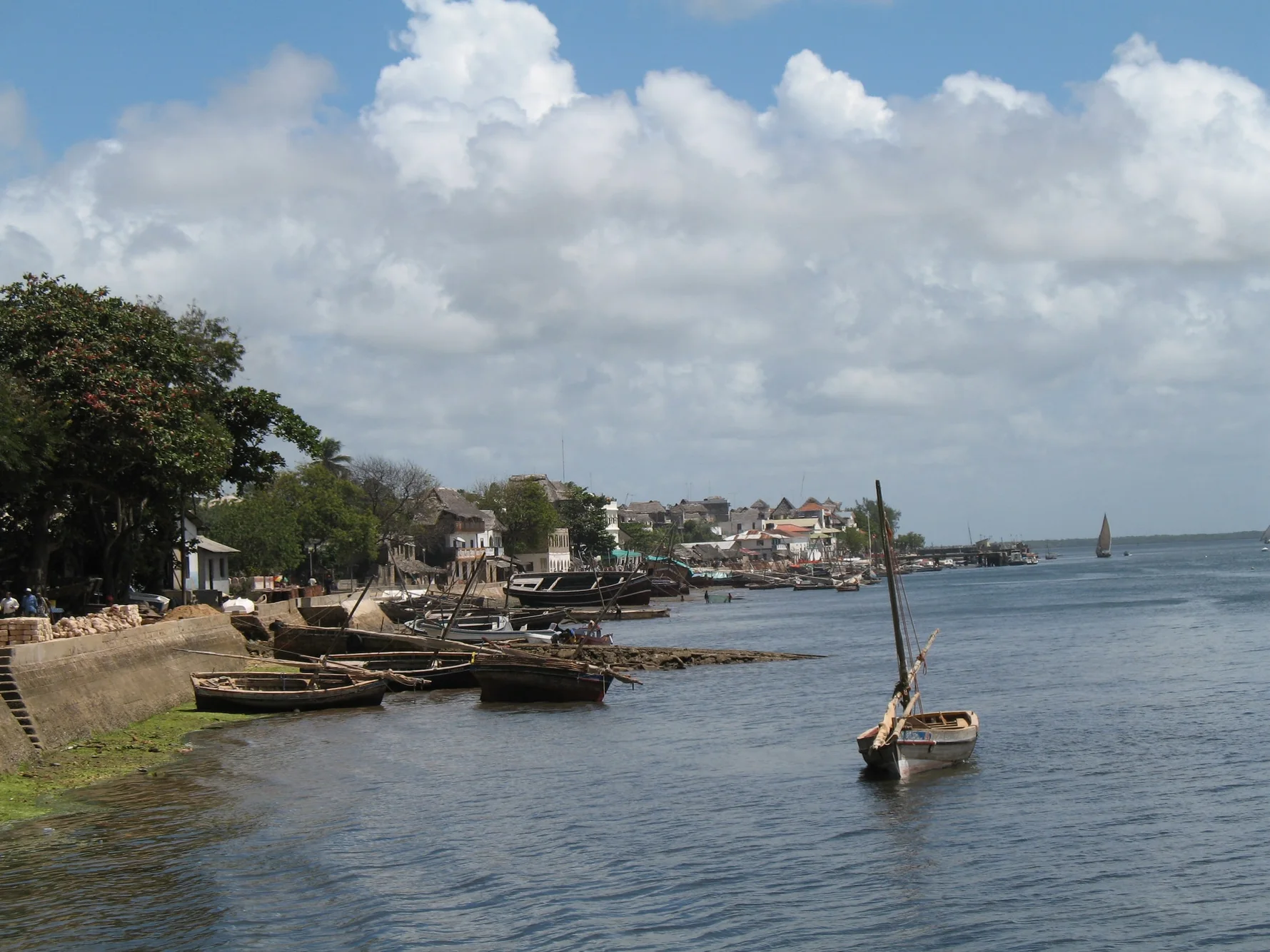
When thinking of the most beautiful beaches, the big hitters – Mauritius, Seychelles, and Maldives – always come to mind, but what about the exquisite paradisical beaches of Madagascar? While the mainland has its fair share of breathtaking beaches, such as Tulear and Ifaty, the smaller surrounding islands are home to some exceptional spots too.
Nosy Be, or “Big Island”, is one of the most popular islands to visit with its gorgeous coral reefs, powder-like beaches, and lush mangroves. Bright, azure waters and white sand contrast to create a setting like a scene out of Pirates of the Caribbean.
Île aux Nattes, or Nosy Nato, is another island that should make the list when visiting Madagascar. Seemingly endless stretches of powder-like sand, palm trees swaying in the breeze, and crystal-clear water combine to make an island oasis.
According to the World Wildlife Fund, approximately 95% of its reptiles, 89% of its plant life, and 92% of its mammals are endemic to the island and exist nowhere else on earth. Its residents include one of the rarest species in the world, the Silky Sifaka lemur, also known as 'The Angel of the Forest' due to its white furry coat. The Ploughshare tortoise is another threatened species endemic to Madagascar with around 1,000 remaining.
The island's hallmark mammals – lemurs – are present throughout the island with around 60 known species – most notably, the black and white ring-tailed Lemur Catta. Some of the best places to see these agile tree-dwellers is Ranomafana National Park, Andasibe National Park, and Loky-Manambato in Daraina. Watch them in their natural habitat on some of the less populated island like Nosy Komba and Aye-Aye Island.
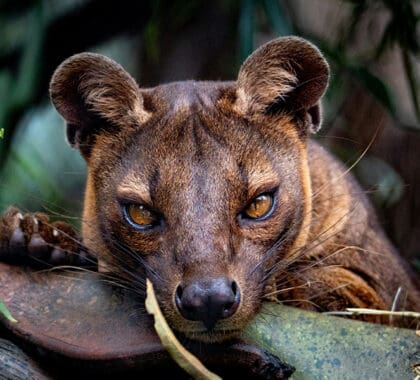
Other species to look out for are the ever-changing chameleons, Madagascar red owls, and the largest mammalian carnivore, the Fossa. For aviary enthusiasts, keep a pair of binoculars on hand to spot some of the 285 bird species on the islands, around 100 of which are endemic.
Calling all surfers! Madagascar and its surrounding islands are hiding some fantastic surf spots suited to both beginners and more advanced levels. Typically, the southwest side of the island is considered the best for surfing with several high-quality spots. Due to the offshore break, most are best accessed by boat, which creates a perfect opportunity to enjoy a snorkel around the reef on the same trip.
Corre is a great all-round spot suited to beginners and more intermediate levels. Lavanono is ideal for a typical paradisical island day – relaxing on the beach, snorkelling in clear waters, and catching a wave or two. Similarly, Ambila Lamentsa offers a stunning stretch of coastline with varied waves for newbies and more confident surfers. For a secluded beach with great breaks, Ifaty Beach is the perfect destination. The waves are best out by the coral reef and are not suitable for beginners, but a treat for more experienced surfers. Other more advanced spots include Flameballs, Little Teaupoo, and Mangoro.
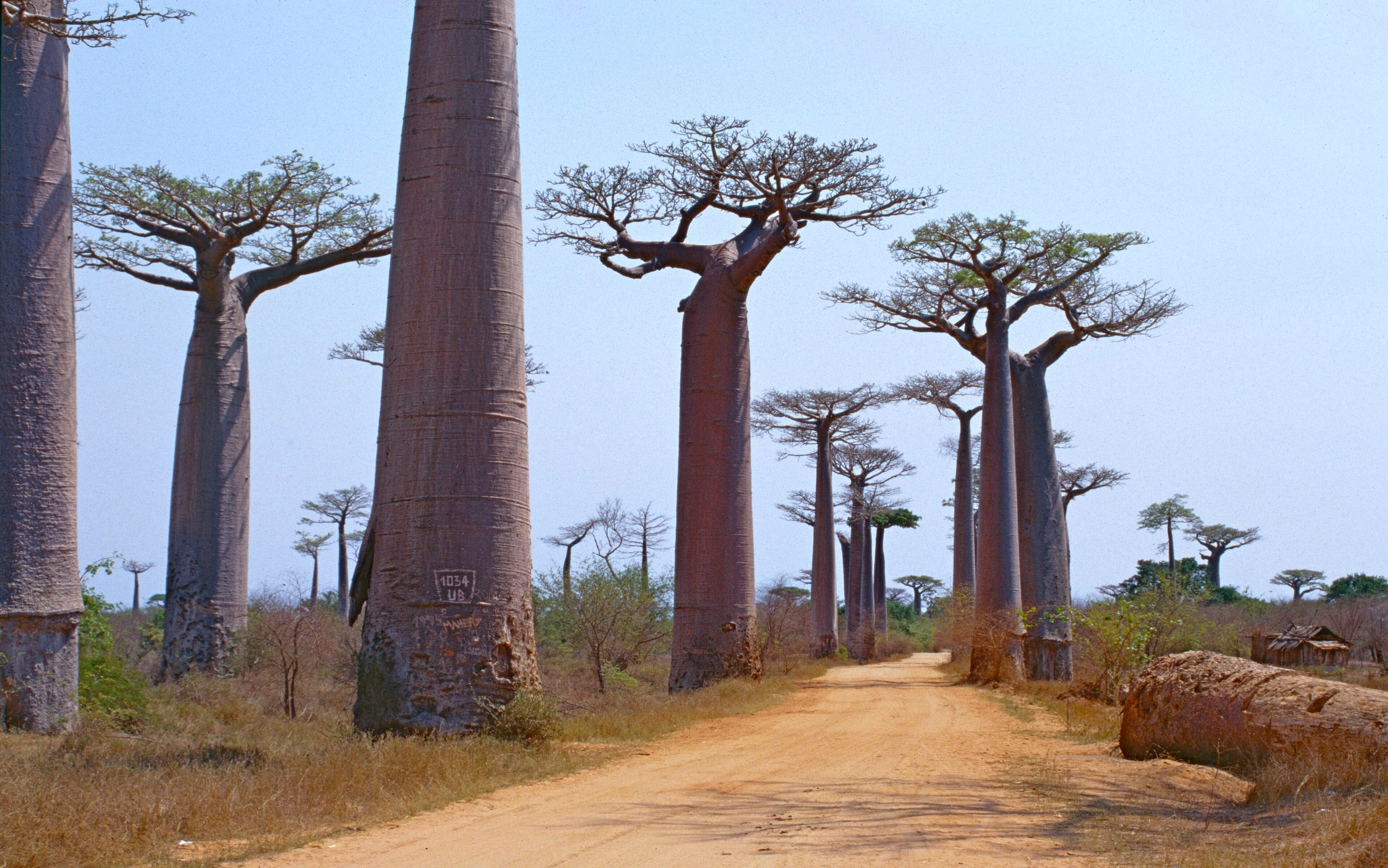
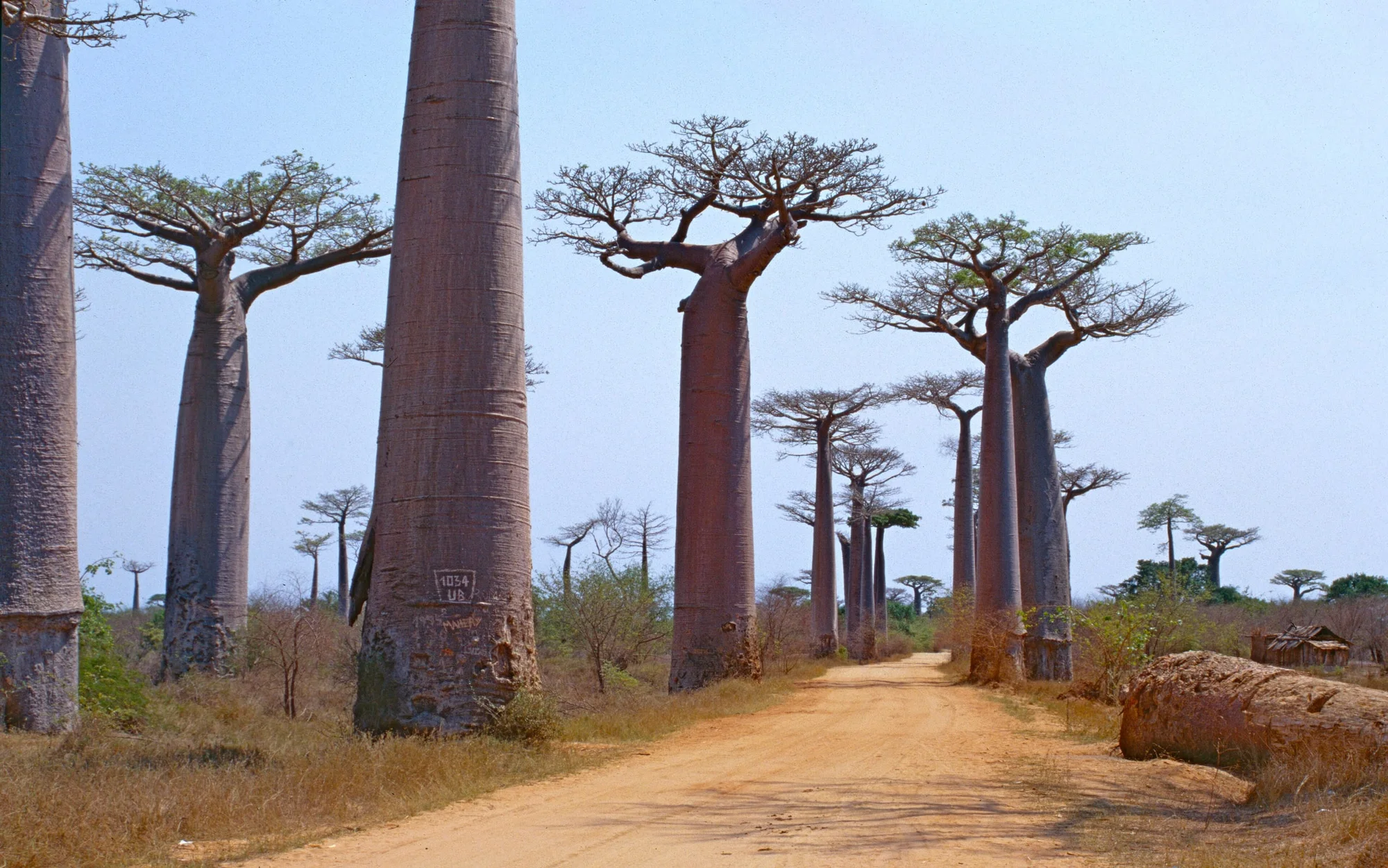
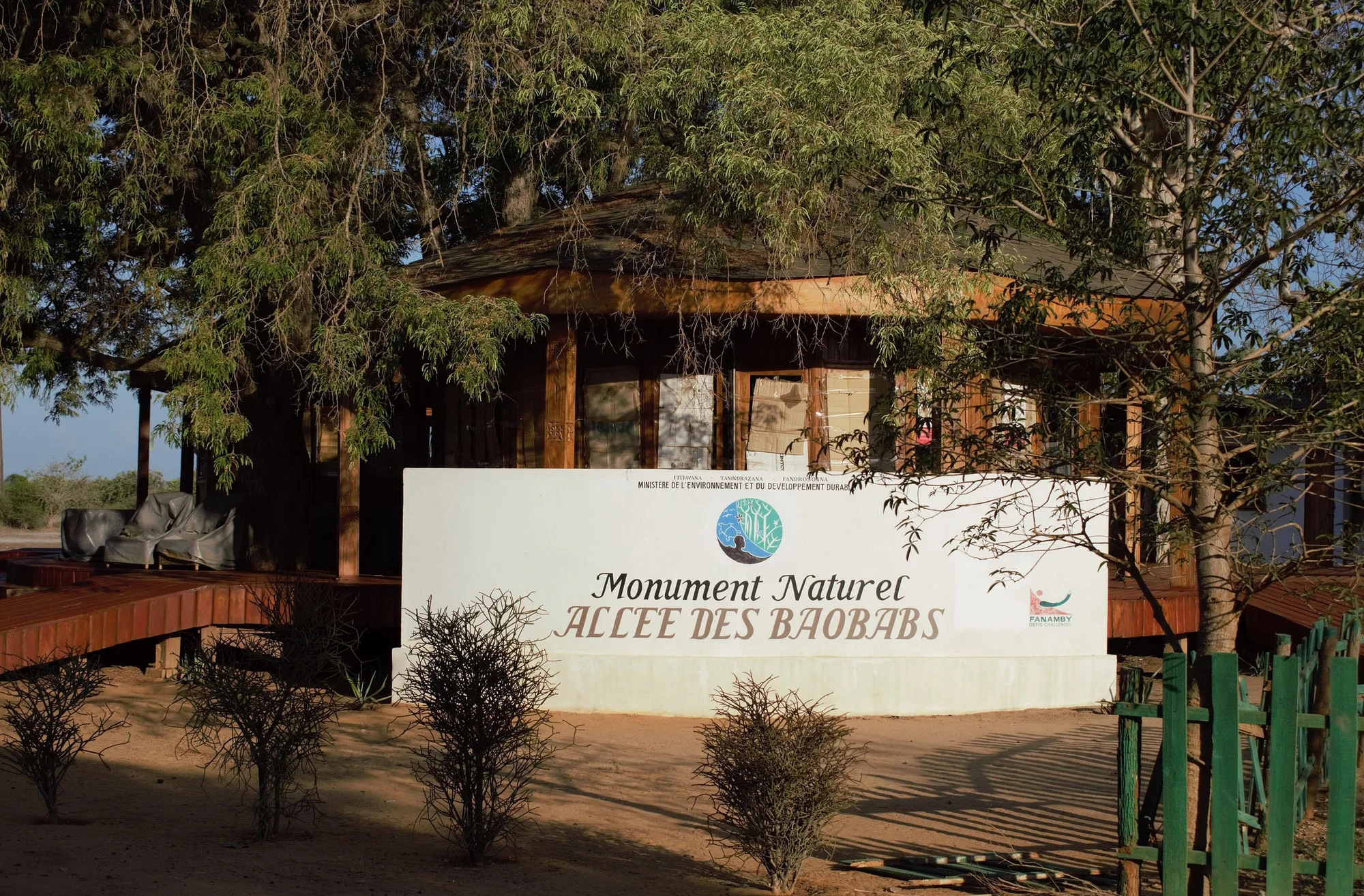
Visit the centuries old trees found in the breathtaking Avenue of the Baobabs, a row of giant deciduous trees known to be over 800 years old and up to 30ft tall. An impressive six of the eight known baobab species can be found in Madagascar as well as around 12,000 plant species, of which 70- to 80% are endemic. Fun fact: a whopping 860 orchid species can be found around the islands.
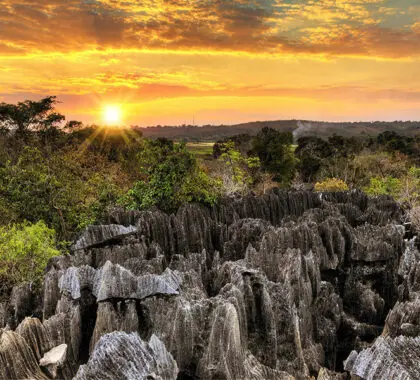
Discover some of the exquisite flora and landscapes in Tsingy de Bemaraha National Park, including the limestone cathedrals and formations often referred to as ‘The Stone Forest'. Diverse flora, interesting fauna, hidden caves, narrow canyons, and beautiful hiking trails make this a fantastic spot to visit.
From mid-June to September, Madagascar plays host to pods of migrating humpback whales. The whales make their way to warmer waters to breed and calve before leaving again. While their breaching and lobtailing can be seen from the shore, responsible whale watching boat tours provide an exciting perspective of their antics.
The whales are often found basking in the bay that separates Madagascar from Nosy Be but tend to follow a path around the island. Nosy Be is also a fantastic place to swim with Whale Sharks, known as the largest fish in the sea.
In addition to humpback whales, Madagascar, more specifically Nosy Be and Nosy Iranja, is known to house a rare species of whale, Omura's Whale. A real treat for whale enthusiasts.
Beaches
Bird watching
Diving and snorkelling
Food and wine
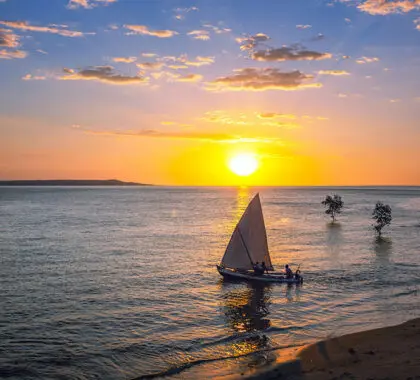
Sunset cruises and boating
Wildlife and safari
There are so many places to visit in Madagascar, with travellers to the region being spoilt for choice over the countless incredible destinations housed on this Southern African island. And with so many reasons to visit Madagascar, it can be difficult to choose just one part of the country to explore.
The below guide breaks down the most popular things to do in Madagascar destinations, from the best places to see ring-tailed lemurs in national parks and nature reserves to whale watching on the west coast.
All flights land in Madagascar's capital city, Antananarivo (don't worry if you can't pronounce it – even the locals call it ‘Tana'). Nestled on the slopes of the surrounding mountains, Tana is the melting pot of the island and is also the gateways to all the attractions in Madagascar's famous landscape. While here, immerse yourself in the traditions and culture of the island country, taking in the French architecture and Parisian structures of yesteryear.
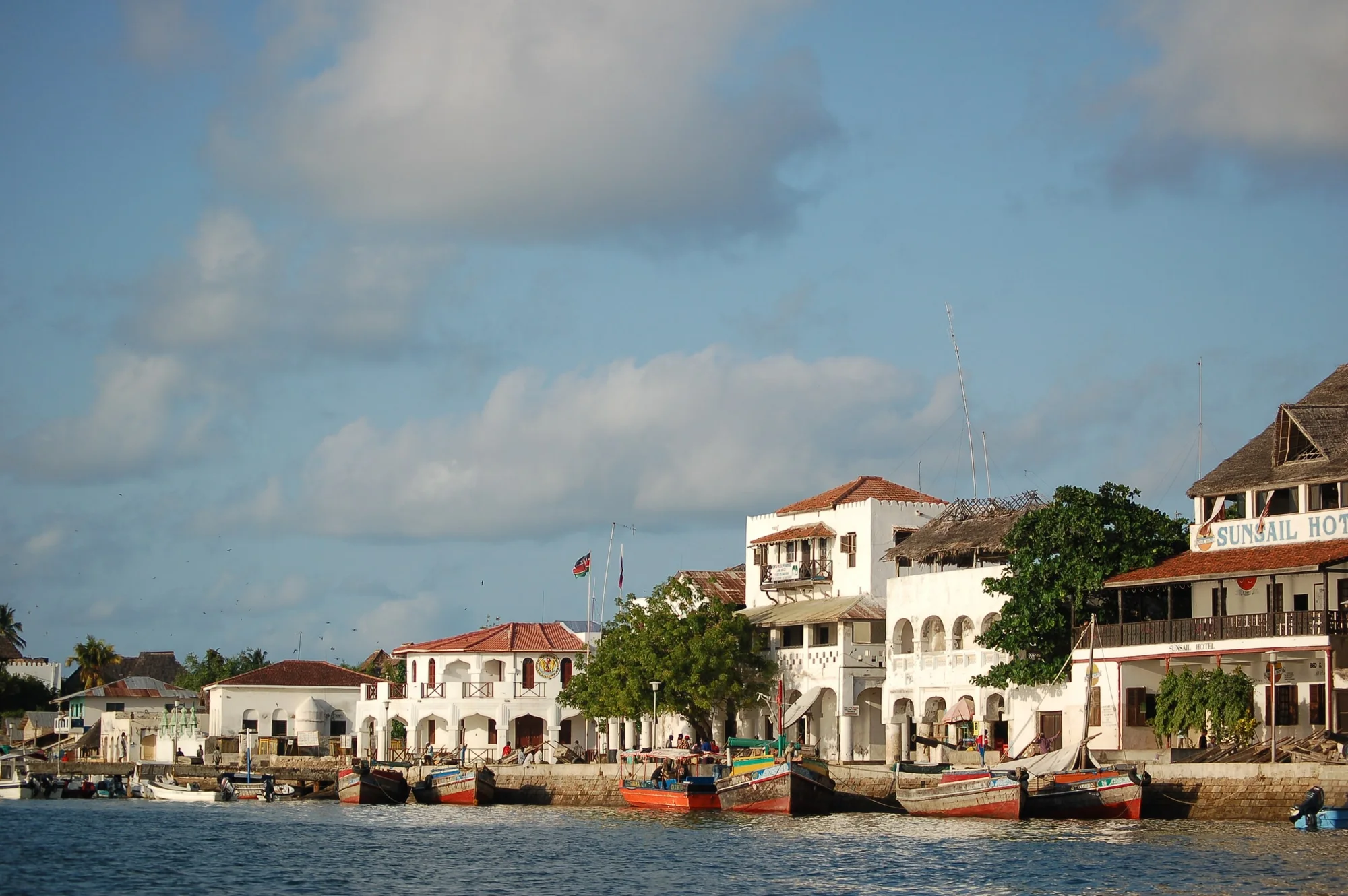
Some of the best Madagascar attractions are the many Indian Ocean archipelagos that surround the main island. The most popular of these islets is Nosy Be, a gem off the country's north coast that's home to pristine beaches, endless adventure, and some of the best Madagascar resorts. This low-key hub sees the most visitors because it has near-perfect conditions for kite surfing, swimming, snorkelling, and scuba diving. But if you're looking for more secluded coral reefs to explore, the archipelagos of Nosy Komba, Nosy Kelly, Nosy Ankao, and Nosy Mitsio make for great alternatives.
Antsiranana, also known as Diego Suarez, is regarded as one of the best places to visit in Madagascar. The eclectic holiday destination offers something for everyone, from its bustling nightlife and rich architecture to its wide range of activities – including hiking the French Mountain, surfing, and kitesurfing, and marvelling at the well-known deep-water harbour.
Translating to Amber Mountain in English, Montagne d'Ambre National Park is one of Madagascar's famous landmarks. Named after the red laterite soil and limestone pinnacles found in the area, the park is home to seven species of lemur, ring-tailed mongoose and the fossa – Madagascar's only predator.
Its exceptional scenic beauty is the main reason for the national park's popularity among tourists, with its accessibility and easy-to-navigate trails coming in at a close second. Exploring this marvel of nature will see you witness breathtaking scenes of volcanic mountains rising above the clouds, cascading waterfalls that lead into crater lakes and long rivers, and a variety of endemic flora and fauna that call Amber Mountain home – including lemurs.
Ranomafana National Park is perfect for those seeking an authentic Madagascar safari. The 400-kilometre-squared protected area is the best place to visit in Madagascar to spot the endangered golden bamboo lemur. Comprising misty montane forests and lowland plains with hiking paths and roaring waterfalls in between, Ranomafana is a biodiversity haven, boasting several species of rare fauna and flora. And if you're in the mood, be sure to take your swimming costume along and stand under the hot running water in any of the waterfalls found around the park.
Made up of mostly woodland are and a freshwater lake, Anja Community Reserve protects the highest concentration of ring-tailed lemurs in Madagascar. The nature reserve is a unique environmental and cultural preservation site. Managed by the local group, the nature reserve has created jobs and income for the community while preserving the wildlife and environment.
On many travellers lists of things to see in Madagascar, Isalo National Park offers a unique natural beauty. The park's surreal scenery is a canvas of carved rock gorges, winding canyons, cascading oases, towers of stacks of stone, and palm groves. Highlights of visiting Isalo are undoubtedly the natural pool on the western side of the reserve, rock plateaus, and glistening waterfalls.
Most, if not all, Madagascar travel advice will suggest a trip to Tsingy de Bemaraha Strict Nature Reserve. The UNESCO World Heritage Site is touted as one of the top Madagascar attractions, thanks to its surreal scenery. Tsingy de Bemaraha's dramatic landscape is one of nature's finest beauties, consisting of strikingly carved fossil deposits and colossal monoliths. Moulded 5 million years ago, these needle-sharp limestone pinnacles are known locally as Tsingies. Just outside the nature reserve sits one of the island's loveliest sites: the Avenue of the Baobabs. This collection of soaring baobab trees lines a gravel road that makes for the perfect photo opportunity.
Beautiful black coral reefs, beautiful beaches, pirate shipwrecks, and fascinating marine life are all characteristics of one of Madagascar's famous landmarks – Île Sainte-Marie (or Sainte-Marie Island in English). The tropical island is the perfect place for a classic beachside holiday, with conditions near-perfect for canoeing, swimming, sunbathing, and snorkelling. But splashing around in the Indian Ocean isn't the big lure of Sainte-Marie – whale watching is. Every year, from June to September, humpback whales arrive in Madagascan waters during their annual migration. The whales are very active on the huge reef off the island, with females giving birth and males ‘singing' to attract new mates. The whale song is often clearly audible to visitors thanks to a lack of surrounding noise pollution.
Being easily accessible from the island's capital city, Andasibe-Mantadia National Park is one of the most visited Madagascar attractions. The park is home to the country's largest species of lemur – the indri – and offers several hiking circuits, ranging from one to six hours long, as well as a waterfall. Keep an eye out for the inland crabs crawling along the forest floor.
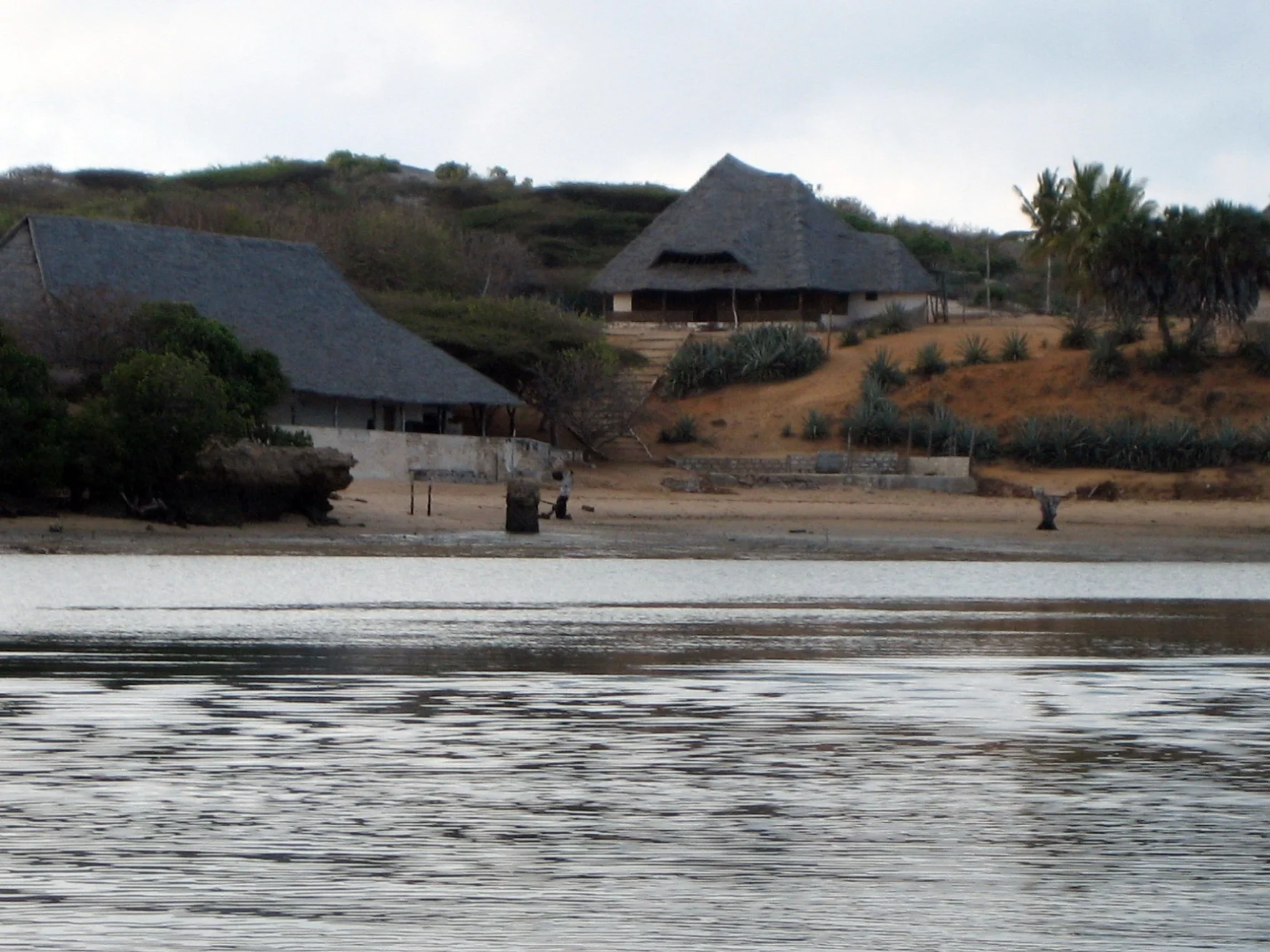
Toliara (also known as Tulear) is Madagascar's fifth largest city and is a charming destination that offers a glimpse of daily Madagascan life. It's also the gateway to Ifaty – a stretch of sun kissed former fishing villages, known for its pristine beaches and luxury resorts. Snorkelling, catamaran tours of the Mozambique cannel, cultural visits to traditional reed villages, and fresh, tasty seafood are just a few delights on offer in Ifaty.
The great thing about this destination is that there is no one best month to visit Madagascar, but rather a season. May to October is the island country's dry season and is widely considered the best time to go to Madagascar as it's much cooler, there's less rainfall, and conditions are ideal for observing wildlife, as well as enjoying the outdoors.
This does not mean that September to April is any less exciting. There are plenty of reasons to visit Madagascar outside of dry season too. Our month-by-month guide takes you through everything you need to know about travelling to Madagascar no matter the time of year.
| Destination | Jan | Feb | Mar | Apr | May | Jun | Jul | Aug | Sep | Oct | Nov | Dec |
|---|---|---|---|---|---|---|---|---|---|---|---|---|
|
Antananarivo |
27°C
340mm |
27°C
290mm |
27°C
191mm |
26°C
55mm |
24°C
19mm |
21°C
4mm |
21°C
8mm |
22°C
6mm |
24°C
10mm |
26°C
68mm |
27°C
135mm |
27°C
311mm |
|
Amber Mountain National Park & Joffreville |
27°C
313mm |
27°C
278mm |
27°C
225mm |
26°C
99mm |
26°C
25mm |
25°C
22mm |
23°C
30mm |
24°C
23mm |
25°C
15mm |
26°C
24mm |
27°C
70mm |
27°C
222mm |
|
Anakao |
33°C
88mm |
32°C
76mm |
32°C
36mm |
32°C
13mm |
30°C
15mm |
28°C
12mm |
27°C
5mm |
27°C
4mm |
29°C
10mm |
31°C
14mm |
31°C
34mm |
33°C
76mm |
|
Fort Dauphin |
29°C
222mm |
30°C
187mm |
29°C
215mm |
28°C
111mm |
27°C
119mm |
25°C
116mm |
24°C
114mm |
24°C
109mm |
25°C
67mm |
27°C
74mm |
28°C
110mm |
28°C
110mm |
|
île Sainte-Marie |
29°C
334mm |
30°C
416mm |
29°C
484mm |
28°C
406mm |
27°C
309mm |
25°C
266mm |
24°C
261mm |
24°C
181mm |
25°C
119mm |
26°C
77mm |
28°C
113mm |
29°C
251mm |
|
Mantadia National Park |
27°C
325mm |
27°C
333mm |
27°C
268mm |
26°C
108mm |
24°C
72mm |
22°C
90mm |
20°C
90mm |
20°C
78mm |
22°C
58mm |
25°C
52mm |
27°C
129mm |
27°C
263mm |
|
Ranomafana National Park |
27°C
375mm |
27°C
295mm |
26°C
284mm |
25°C
97mm |
24°C
60mm |
22°C
63mm |
20°C
57mm |
21°C
51mm |
23°C
45mm |
26°C
43mm |
27°C
148mm |
27°C
271mm |
| Wet Season | ||||||||||||
| Dry Season | ||||||||||||
| Whale Shark Season | ||||||||||||
| Lemur Breeding Season | ||||||||||||
| Best Time to Go |
Amber Mountain National Park & Joffreville
January to March is Madagascar's low season, also known as cyclone season. It's advised to not travel to the Southern African country during this time as heavy rains and cyclones are prevalent, with many accommodations closing and roads becoming muddy and impassable. Not to mention, it's the region's summertime, which means soaring temperatures and humid weather.
However, if you prefer to travel out of season and don't mind a bit of heavy rains, there are benefits to visiting the island in the off season. For one, hotels in Madagascar lower their prices. And with the sparse number of tourists visiting, you'll feel like you have this haven all to yourself.
April, May and June are shoulder season on the island and regarded as the best time of year to visit Madagascar to see newborn animals and the lush, green landscape. The weather begins to cool down and bar the odd heavy downpour, days are characterised by light showers with the sun peeking through.
Now that cyclone season is over and the sun starts making an appearance, the wildlife is enticed to come out from hiding. And since it's not yet peak season, visiting during this time means fewer tourists and better weather for outdoor activities.
The rainforest also comes alive with unique flora and fauna. Be sure to take some time to immerse yourself in the untamed nature.
July and August are the beginning of high season in Madagascar. During these months, visitors flock to the island from all over the world – so it's important to book as far in advance as possible to avoid disappointment.
The region heads into winter around this period and temperatures are at its lowest for the year. In a humid rainforest, this translates to dry, refreshing, and airy. Madagascar is also ripe for exploring. Hikes through the rainforest are wonderful at this time of year, while the coast beckons with perfect weather for swimming and sunbathing on pristine beaches. Island hopping between Madagascar's offshore isles are a must, while UNESCO World Heritage Site, Tsingy de Bemaraha National Park offers great rock-climbing opportunities with its surreal limestone formations.
Peak season also marks the start of whale migration, where humpback whales arrive at Madagascan waters to birth and nurture their calves. Spot the migrating whales from shore or hop onto a boat and get a closer look around the island of Île Sainte-Marie.
Many Madagascar travel guides detail September as the best time to visit. Madagascar safaris are at their peak, as the temperature begins rising, drawing wildlife out from hibernation. September is also birthing season for lemurs, offering the opportunity to spot newly born babies, while bird enthusiasts can get their fill of spotting over 200 species. And if you can't make it for July and August, September is the last month of whale watching season.
Beach days are best enjoyed in this month, as the temperate weather is great for snorkelling and canoeing along the coast or soaking up the warmth of the sun.
If the fossa is on your list of wildlife to see, the best time to go to Madagascar is in October. These cat-like, carnivorous mammals are endemic to Madagascar and particularly active in October and November in the forests of western Madagascar – it's their mating season. Baby lemurs are more commonly spotted in October, with hundreds of young ringtail lemurs running around the forest. Birding is also excellent.
Weather conditions are much warmer than September, and October is the best time to travel to Madagascar before the rainy season starts. Make the most of the beach, as October brings clear underwater visibility for scuba diving and great conditions for surfing.
When not enjoying the clear turquoise waters of Madagascar's coast, head inland to explore the gems of the rainforest. The Avenue of Baobabs is one of the must-see places in Madagascar. A stunning location comprising a gravel road lined with age-old baobab trees, there are few spots in the world that rival a photo opportunity at the Avenue of Baobabs – especially as the sun sets.
Speaking of picturesque settings, Anjajavy Private Nature Reserve thrives in October. Not only are the gardens a beautiful sight to behold, but Anjajavy is also backed by a beach – ensuring you won't have to choose between land and ocean.
Temperatures spike in November and December, bringing the rains with it. Fortunately, wildlife is still active during these months with no species going into hibernation just yet. The rainforest is still bright and vibrant, with the local flora making for a striking backdrop to your pictures. And during November, the beach is still a great place to spend a day snorkelling, swimming, or canoeing.
However, December tells a different story. The tropical storms are well and truly underway during the last month of the year and the heat is sweltering. If you plan to travel during this time, it is highly suggested that you visit earlier in the month.
Chat with someone who has first-hand experience with all that Madagascar has to offer. Get in touch with one of our African Safari Experts to help tailor-make a trip that's right for you.
Get the most out of your journey to Madagascar with our essential Madagascar travel advice, covering everything from lemur-trekking and etiquette to the logistical insights needed to navigate this wonderfully wild and diverse island.
The currency in Madagascar is the Malagasy ariary but almost all tourist-related costs and fees are contracted in euros. Take euros in cash to pay for sundry personal items not covered by your all-inclusive itinerary.
It is also best not to rely on credit cards as they are not accepted widely at all.
As in customary in Africa, tipping is voluntary in return for good service or assistance. It is usual to tip drivers, servers, skippers and their crew, and guides. It is not necessary to tip pilots. Gratuities should be in euros, if possible.
Madagascar has a classic southern hemisphere seasonal pattern: it is usually hot and rainy between about November and April (summer), and colder and drier between about May and October (winter).
January is generally the hottest month with an average temperature of 22°C / 72°F while July is the coldest at about 15°C / 59°F. December is the rainiest month with an average of 310mm / 12in of precipitation.
The climate is determined by the dominant south-eastern trade winds that originate in the Indian Ocean anti-cyclone.
Check out our Month-by-Month Guide for Travelling to Madagascar
Tourism is not well developed in Madagascar so it is important to pack thoughtfully as you will be unlikely to be able to easily buy items you forget once you leave Antananarivo and start to explore different parts of Madagascar.
Essentials include:
Madagascar does not have a highly developed tourism industry and most citizens are not used to tourists in their town or villages. It is very important to be mindful of this and show respect to people by:
Fady are local taboos or ancestral prohibitions that are central to Malagasy culture. They can vary from village to village, for example, a certain forest may be fady to enter on a Tuesday, or a specific animal may be considered sacred. Your guide will be your cultural ambassador, explaining these customs so you can travel respectfully. Following fady is a vital part of showing respect to the local communities that host you.
Madagascar offers an incredible fusion of French techniques and tropical ingredients; the zebu (local beef) steaks and fresh vanilla-bean sauces are legendary. However, because infrastructure is limited, we recommend a ‘peel it, cook it, or forget it’ approach to fruits and vegetables in smaller villages. Always stick to bottled water (even for brushing teeth) and enjoy the world-class seafood at our recommended luxury lodges, where hygiene standards are excellent.
In Antananarivo and at high-end island resorts (like those in Nosy Be), you will find reliable Wi-Fi and power. However, in more remote rainforest lodges, connectivity is often limited to the main reception area or may be unavailable entirely. Many eco-lodges run on solar power or generators that are turned off late at night. We recommend bringing a power bank for your devices and preparing for a refreshing ‘digital detox’ while you're in the deep bush.
There are direct flights into Antananarivo from Johannesburg in South Africa, Istanbul in Turkey, Addis Ababa in Ethiopia and Paris in France. You can easily combine a Southern African safari with time in Madagascar.
Madagascar is not a self-drive destination. Your Africa Safari Expert will put together a complete itinerary with all drivers and transfers included so you really enjoy your time on the island. Most journeys start in Antananarivo and go onto to Nosy Be in the north but we can create a tailor-made holiday based exactly on your interests, whether they are birding, hiking, diving or photography.
Because Madagascar is so vast, journeys will generally encompass flying and road transfers in 4x4s or ‘taxi-be’ as mini-busses are known on the island. Flights will all connect in Tana.
All visitors pay for a visa (in euros or US dollars) regardless of your citizenship. Please contact your nearest Malagasy consulate for the latest fees and applications. The short-term tourist visa will allow you 30 days' entry into the country.
Your passport must be valid for six months after your day of entry.
The history of Madagascar is as diverse as its landscapes, fauna and flora. It was originally part of the super-continent Gondwana; when it broke away from the mainland, the surviving species evolved into the endemic ones found today because they were cut off from outside influences and predators.
Although it is only about 400 kilometres or 250 miles from the African mainland, it has a wealth of other influences. The Mozambican Channel is very treacherous but other settlers may have arrived over the Indian Ocean from Indonesia, the Philippines and India, bringing rice with them. The Chinese and French also landed on Madagascar and, of course, the island's history includes African slavery and British colonialism.
Today there are at least 18 ethnicities – many with their own dialects. Most of the island is given over to agriculture but tourism, logging and mining are also making inroads (at least half the world's sapphires are said to originate from Madagascar).
The population is estimated at 20 million people and over 80 percent of them speak Malagasy. A small portion speak French while even fewer speak or are literate in English (this is why a Malagasy-speaking driver-guide is essential for your visit).
The culture is an enticing mix of African, South-East Asian, French, British and Chinese influences. Traditional clothing, houses and cuisine all have echoes of other world cultures, giving Madagascar an exotic accessibility.
The most iconic species that are most closely associated with Madagascar are, of course, lemurs. With their large eyes, acrobatic behaviour and multi-hued coats, lemurs are a type of primate that are distinct from apes and monkeys. They are the island's biggest attraction and the more travellers undertaking safaris to see them, the better their precious habitats will be protected. Lemurs are found across the country so it's worth combining two different areas to see as many types as possible.
Because it faces directly onto the Indian Ocean, the east coast is the wettest and lushest part of Madagascar and is covered by protected rainforest national parks. If you want to see lemurs, be sure to include this area in your itinerary. Head to Sainte Marie Island for seasonal whale watching. It is the most affected by the annual cyclone season (generally over December and January) so bear this in mind.
Directly opposite, on the west coast, you find a much more arid landscape that borders on semi-desert in some areas of the south-west. This drier climate is perfect for the growth of Africa's biggest tree – the baobab – and the world-famous Avenue of the Baobabs is found here.
Because Madagascar is the world’s fourth-largest island, its icons are spread across different climates. The famous Avenue of the Baobabs is in the arid West, while the most popular lemur-watching rainforests are in the East and Center. To see both in one trip, you will typically need to fly via Antananarivo. The best time to combine these is during the dry season (May to October), when the roads to the baobabs are accessible and the rainforest trails are less muddy.
Yes, and it is an experience you will never forget! The Indri Indri is the largest lemur species, known for its haunting, siren-like call that echoes through the canopy. They are found specifically in the rainforests of Andasibe-Mantadia National Park. Because they do not survive in captivity, seeing them in the wild is the only way to experience their song. We recommend including at least two nights in this region to ensure a sighting.
To see lemurs in their natural habitat, you generally need a moderate level of fitness. The rainforest trails can be steep, narrow, and slippery after rain. However, the pace is usually slow as you'll be stopping frequently to spot wildlife. Most parks offer a variety of trails, from short botanical walks to more strenuous half-day treks. If you have mobility concerns, let your Safari Expert know so we can select lodges with easier access to the surrounding wilderness.
Madagascar is a destination for the true explorer. Unlike the highly developed tourism infrastructure of South Africa or East Africa, Madagascar is more raw. Outside of the main towns, roads can be notoriously bumpy and slow-moving, a 100-mile journey can often take a full day. While the luxury lodges on the outer islands are world-class, the mainland experience involves a bit of grit and patience. We recommend embracing the slow pace as part of the island’s unique charm.
Chat with someone who’s been there. Get in touch with one of our Africa Travel Experts to help tailor-make a trip to Madagascar that’s right for you.
Trips to Madagascar differ from the typical African safari. For one, it's not a traditional safari destination, like the Kruger or Serengeti. But it's not a typical island getaway either, like Zanzibar or Mauritius. Instead, Madagascar safaris offer the best of both these worlds.
Travelling to Madagascar will easily be one of the most diverse trips you take in Africa. From spotting wildlife in untamed nature to snorkelling along the coral reefs off the coast and enjoying cultural tours, Madagascar vacation packages perfectly blend the best parts of bush and beach. But more than just its rich flora and fauna, national parks and private reserves, Madagascar trips have so many unique experiences and adventures to offer. A holiday in Madagascar is a unique adventure found in few other parts of the world.
A unique combination of stunning safari and beach destinations. Tropical island and protected coral reef environments off Madagascar.
Sunset boat cruises. Cycle tours of Nosy Ankao .
Madagascar's top safari highlights. Scenic fly-in itinerary.
Experience Madagascar's compelling nature reserves. Historical city-tours.
An immersive Malagasy safari. Fantastic lodgings.
A highlight of Madagascar's protected ecology. Excellent bird watching.
A unique combination of stunning safari and beach destinations. Tropical island and protected coral reef environments off Madagascar.
A unique combination of stunning safari and beach destinations. Tropical island and protected coral reef environments off Madagascar.
Sunset boat cruises. Cycle tours of Nosy Ankao .
Sunset boat cruises. Cycle tours of Nosy Ankao .
Madagascar's top safari highlights. Scenic fly-in itinerary.
Madagascar's top safari highlights. Scenic fly-in itinerary.
Experience Madagascar's compelling nature reserves. Historical city-tours.
Experience Madagascar's compelling nature reserves. Historical city-tours.
An immersive Malagasy safari. Fantastic lodgings.
An immersive Malagasy safari. Fantastic lodgings.
A highlight of Madagascar's protected ecology. Excellent bird watching.
A highlight of Madagascar's protected ecology. Excellent bird watching.
Safaris in Madagascar lets you soon discover why it’s deemed a biodiversity hotspot: it encompasses every kind of environment from canyons, rainforests and semi-deserts to sunny beaches and beautiful islands.
In addition to the picturesque landscapes and paradisical beachside escapes, the wide variety of Madagascar tourist attractions on offer ensures a memorable holiday filled with exciting escapades. These include combining Nosy Be with Sainte-Marie Island for diving and whale watching, spotting different lemur species and the world's smallest chameleon in Isalo National Park or Andasibe-Mantadia National Park, or immersing yourself in the dramatic landscapes of Amber Mountain and the Avenue of Baobabs.
Madagascar offers a wide range of safaris and tours for all types of travellers, from first-timers to Africa to seasoned visitors of the continent; from families travelling with kids to couples seeking a romantic getaway; from nature lovers to those who prefer the finer things in life.
So, whether your ideal vacation centres of thrilling adventure in the wild or luxury island escapes, you should visit Madagascar for the ultimate holiday.
Our choice of top Madagascar tours includes those crafted for honeymooners and romantics, wildlife enthusiasts and keen photographers, as well as divers. Browse our recommended safari itineraries below, and if you would like more Madagascar travel tips, simply ask one our Africa Safari Experts. And while you're at it, they will be happy to put together a tailor-made holiday that ticks all your boxes that you will remember for a lifetime.
Priced itineraries that pass through this place. Nights can still change when the quote is drawn up. Nothing is paid until you accept it.
Ask for the rate
Andasibe-Mantadia National Park Adventure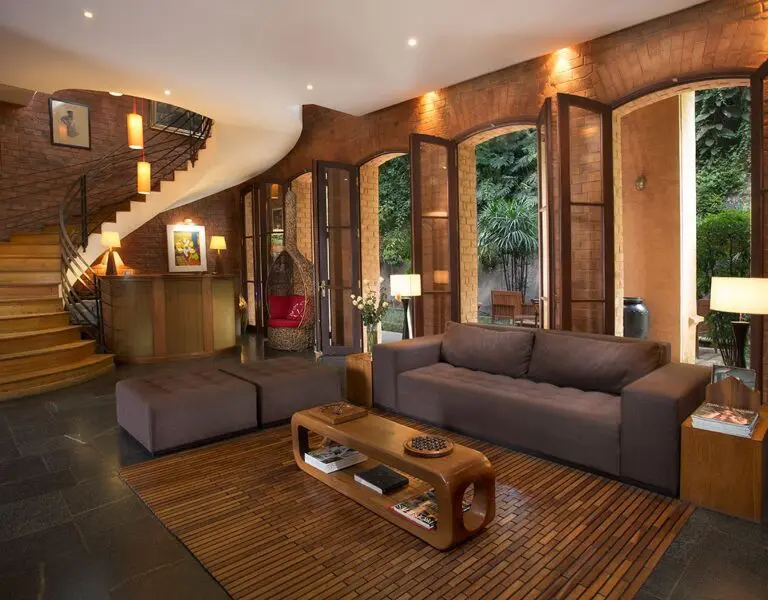 6 days
Morning and afternoon game drives on each full day on safari. Park and permit fees for the places on this route.
Madagascar
Ask for the rate
Ultra-Luxury Nosy Ankao Island Escape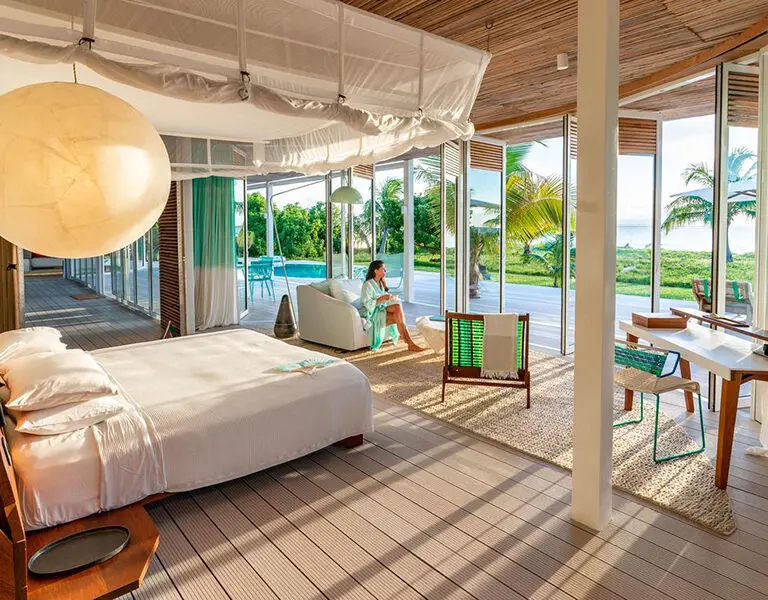 8 days
Time on the water by boat or canoe.
Madagascar
From KSh1,098,836 pps
Madagascar's Beach, Culture & Rainforest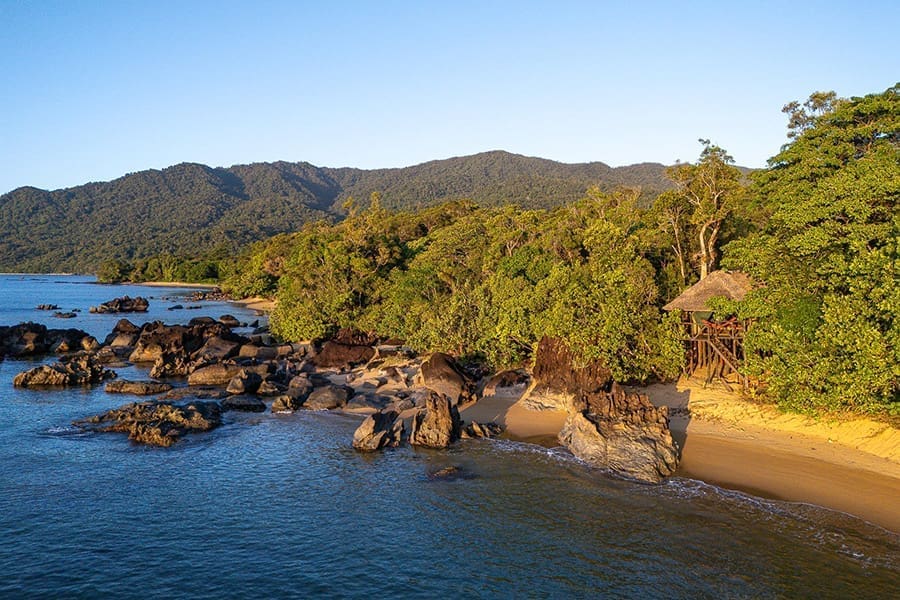 9 days
One night in Antananarivo at the Novotel Convention & Spa Seven nights at Masoala Forest Lodge, on the beach below the rainforest
Antananarivo, Madagascar | Masoala National Park, Madagascar
Ask for the rate
Madagascar Highlights (Flying Safari)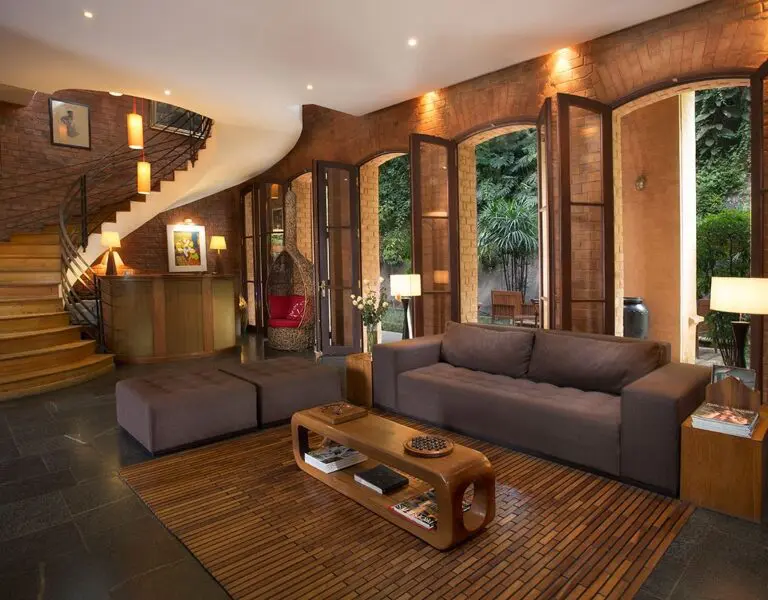 9 days
Morning and afternoon game drives on each full day on safari. Park and permit fees for the places on this route.
Madagascar
Ask for the rate
10-Day Madagascar's Lemurs, Rainforests and Beach Tour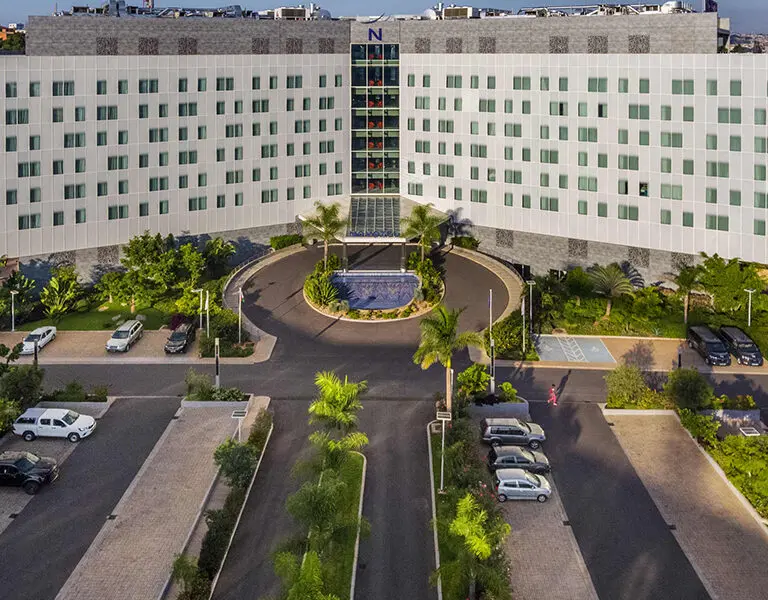 10 days
Beach days are part of this route.
Andasibe | Antananarivo | Madagascar | Masoala National Park
From KSh997,171 pps
Andasibe Rainforest & Magical Anjajavy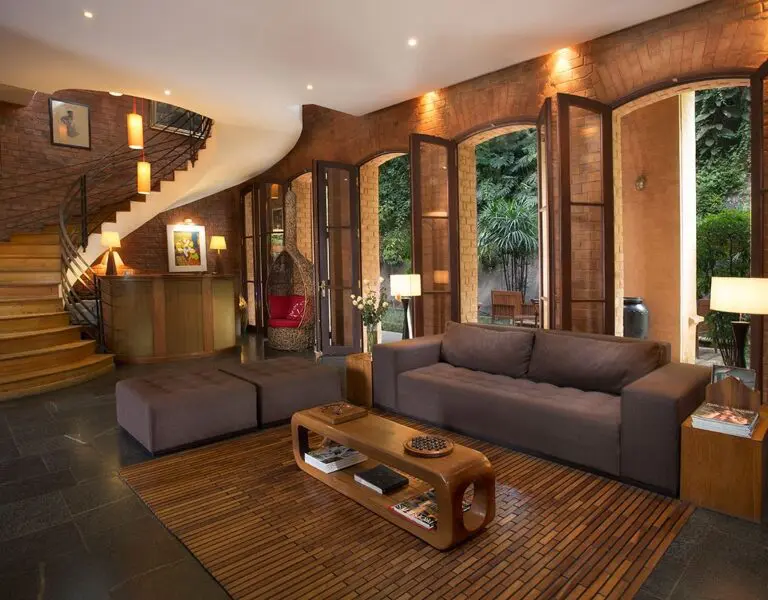 10 days
Morning and afternoon game drives on each full day on safari. Park and permit fees for the places on this route.
Madagascar
Ask for the rate
11-Day South Luangwa & Madagascar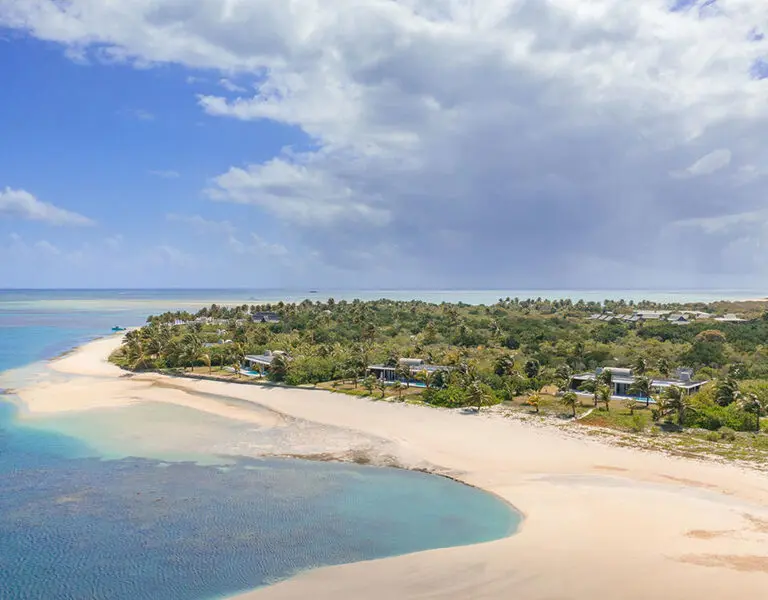 11 days
Beach days are part of this route.
Madagascar | South Luangwa National Park | Zambia
Ask for the rate
Baobabs, Rainforest & the Deep South 14 days
Morning and afternoon game drives on each full day on safari. Park and permit fees for the places on this route.
Madagascar
Choosing where to stay in Madagascar can be an overwhelming experience. Just as varied as its diverse landscapes and ecosystems that quickly change from beaches to rainforests to karstic terrain, Madagascar lodges, resorts, and hotels each offer their own distinct charm that makes it difficult to choose one property over the next.
The island country has more than enough options to ensure that every type of traveller will have their needs met. Those who prefer the finer things in life can take their pick of modern, luxury hotels, resorts, and lodges. While the visitor who prioritises ecology or would like a more authentic stay (think thatched roofs housing traditional structures on wooden decks) are catered for as well.
Filter Your Results
Accommodation in Madagascar runs the gamut of modern city hotels for overnight stays in Antananarivo to story-book beach huts right next to the ocean. Most are authentic, down-to-earth and no-fuss: the focus in Madagascar is on absorbing the local culture, beautiful scenery and amazing wildlife. Those who want to splurge will also be spoilt with private villas, infinity swimming pools, secluded grottos and even pizzerias right on the beach.
The itinerary of your Madagascar tours and safaris plays a vital role in what accommodations are available for your choosing. So, you might see a property that you'd love to spend a few nights at, but depending on which national parks, privates reserves and islands you're visiting during your trip, you might not get the opportunity. Although most parts of Madagascar are easily accessible, logistics might be tricky if you want to fit too much into one visit. Try to stay flexible when it comes to planning your itinerary and take the time to really think about your must-sees and -dos.
Finally, you'll want to consult an expert who has solid knowledge and first-hand experience on travelling around the region. Our Africa Safari Experts can provide valuable Madagascar travel tips and advice that will help you choose the right accommodation.
Be it luxury hotel, unassuming eco-lodge, or beachside resort, all accommodation found in every corner of Madagascar has one thing in common – location, location, location. No matter where you stay, you can rest assured that your Madagascar accommodation is well-positioned. Whether this be easy access to the pristine beaches and water sports in the Indian Ocean, short travel times to popular attractions like Isalo National Park or the Avenue of Baobabs, or simply being in close proximity to the airport for smooth logistics and travel.
Our selection of the best places to stay in Madagascar includes:
Browse our curated collection of Madagascar accommodations below to see what's right for your holiday. Or simply get in touch with one of our Africa Safar Experts to help you find the one that's right for you.
11 stays. The rate is per person sharing.
Enquire for pricing
Anakao, MadagascarHistorical tours | Bird watching | Private dining experience | Canoeing | Hiking | Yoga
From KSh997,171 pps
 West Coast, Madagascar
Bird watching | Picnics | Canoeing | Water-skiing | Hiking | Yoga
Enquire for pricing
 Ankilibe, Madagascar
Historical tours | Bird watching | Private dining experience | Canoeing | Hiking | Yoga
Enquire for pricing
 Isalo National Park, Madagascar
Historical tours | Bird watching | Private dining experience | Canoeing | Hiking | Yoga
Enquire for pricing
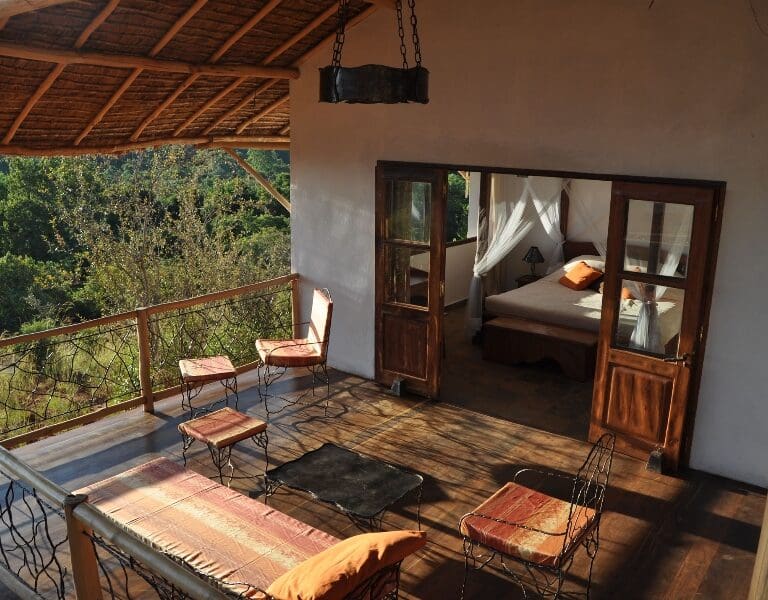 Tsingy de Bemaraha National Park, Madagascar
Bird watching | Hiking | Yoga | Spa treatments
From KSh997,171 pps
Antananarivo, MadagascarBird watching | Game drives | Guided walking safaris | Picnics | Canoeing | Hiking
From KSh997,171 pps
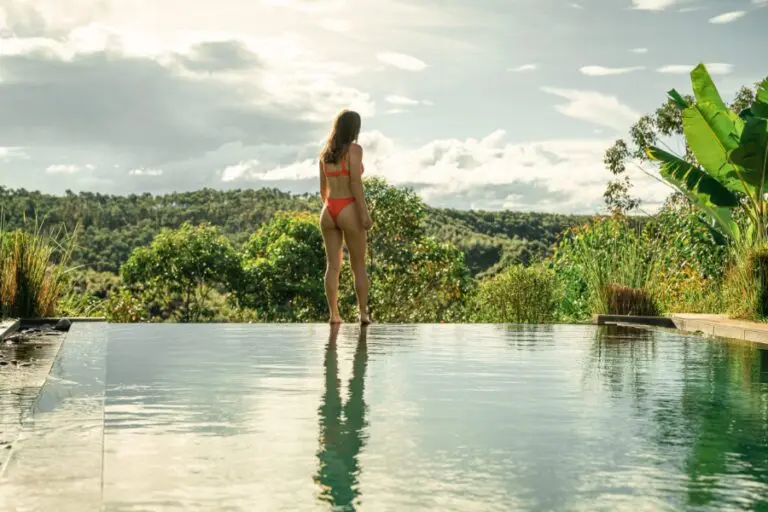 Andasibe-Mantadia National Park, Madagascar
Bird watching | Boat excursions | Yoga | Spa treatments | Picnics | Canoeing
From KSh1,098,836 pps
Masoala National Park, MadagascarBird watching | Boat excursions | Guided walking safaris | Kayaking | Snorkelling | Fishing
From KSh997,171 to KSh1,098,836 pps
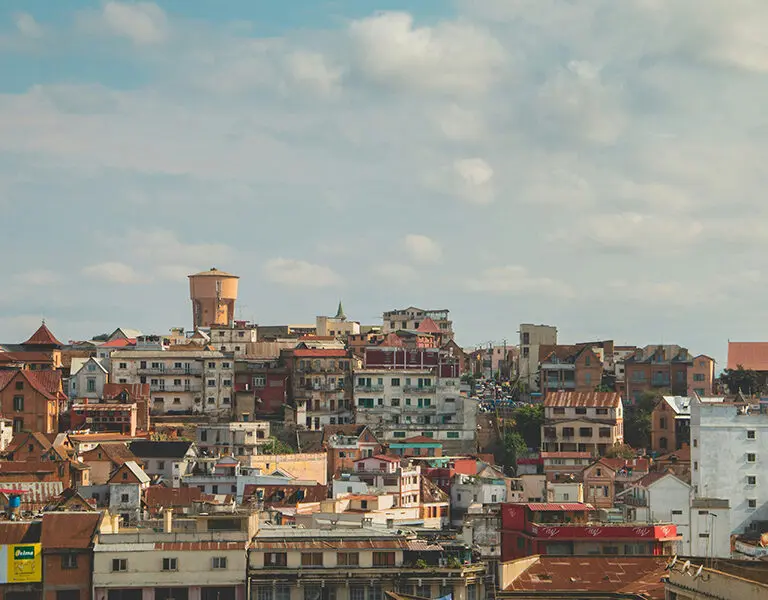 Antananarivo, Madagascar
Bird watching | Boat excursions | Yoga | Spa treatments | Picnics | Canoeing
Enquire for pricing
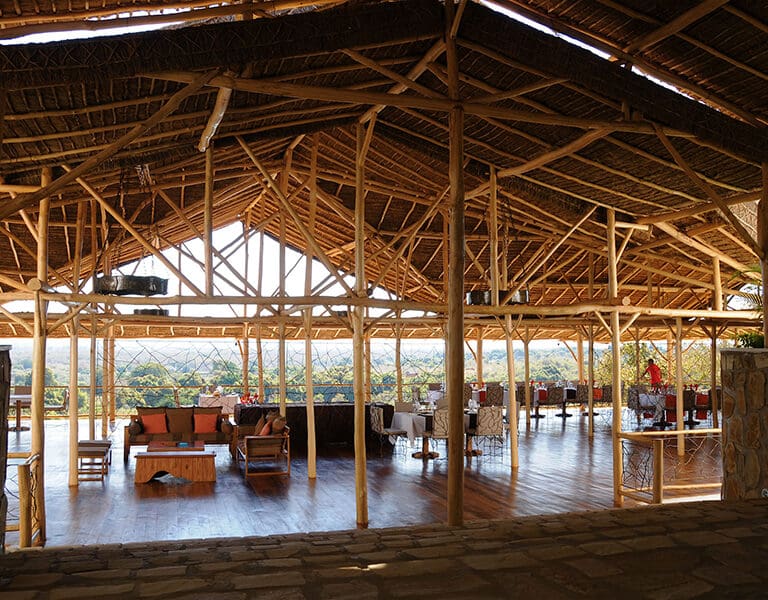 Morondava, Madagascar
Historical tours | Bird watching | Private dining experience | Canoeing | Kite surfing | Surfing
Enquire for pricing
Nosy Ankao, MadagascarCanoeing | Whale watching | Private dining experience | Picnics | Helicopter flights | Fishing
Experience all that Madagascar has to offer with our Madagascar cost guide. From budget to luxury, plan your adventure with ease knowing what to expect.
Madagascar provides a variety of diverse and truly enriching experiences, accommodations and for travellers. The cost of a Madagascar holiday will vary on factors such as your choice of accommodation and level of luxury, whether you want a private experience or a group experience, and seasonality. Where you choose to go will also significantly impact your travel costs, as more remote destinations often come with higher expenses due to the added time, effort, and logistics required for access.
More remote holiday destinations in Madagascar often require charter flights and the combination of several destinations will also have an impact, as will the type of holiday you embark on.
A holiday in Madagascar typically ranges from $550 to $4,950 per person per night based on double occupancy, depending on the season, location, and level of luxury. Entry-level options start around $550, while high-end stays on remote islands or exclusive lodges can far exceed $4,000. Costs vary with accommodation, internal travel (like charter flights), and activities such as national park safaris, beach getaways, or cultural excursions. The below table breaks down costs for Madagascar holidays calculated per person per night sharing in both low and high season:
| Entry Level | Mid Range | Luxury | 5-Star | ||||
|---|---|---|---|---|---|---|---|
| Low | High | Low | High | Low | High | Low | High |
| KSh71,400 pps* | KSh75,295 pps* | KSh101,260 pps* | KSh115,540 pps* | KSh111,645 pps* | KSh122,030 pps* | KSh150,590 pps* | KSh642,610 pps* |
* Please note: all costings in this blog are to be considered guidelines and based on an average per person per night sharing rate.
Madagascar accommodation spans a delightful range, from rustic eco-lodges nestled in lush rainforests to luxurious beachfront hotels, resorts, and lodges that offer unparalleled comfort with breathtaking views of the ocean. For those seeking a slightly more authentic stay, Madagascar's range of charming guesthouses and oceanfront bungalows with thatched roofs provide the perfect Malagasy dwelling.
| 4 Star Comfort | 4 Star Mid Range | 5 Star Luxury | |||
|---|---|---|---|---|---|
| Low | High | Low | High | Low | High |
| €390.00 pps* | €440.00 pps* | €570.00 pps* | €660.00 pps* | €660.00 pps* | €880.00 pps* |
* Please note: the above table contains pricing guidelines based on per person per night sharing basis during both high and low season.
The best time to visit Madagascar ultimately depends on what you want to experience. The time of year can impact the cost of a Madagascar holiday. High season, from July to September, brings the best weather for beach escapes and wildlife sightings like whale watching, but also comes with higher prices and greater demand. Low season, from January to March, sees heavy rains and potential travel disruptions, but offers lower rates and fewer crowds. Shoulder months like April to June and October strike a balance between good value and rewarding wildlife experiences, including baby lemurs and active fossas.
If you're interested in rare wildlife sightings, October is a prime time to visit, as Madagascar's elusive fossa is active during its mating season, and baby lemurs can be seen in the forests. However, the low season from January to March is best avoided due to the heavy rains and cyclones, which can disrupt travel plans. That said, those willing to visit during this time can benefit from fewer crowds and lower rates.
It's important to note that ‘all-inclusive' may not be as comprehensive as you first expect. In Africa, and on holidays, that can mean a range of things and it's always worth clarifying what is not included. One of the first things to do is consult our blog on visa free African countries for US citizens as that may tick off one of the boxes regarding associated costs already. What possible additional costs could you come across? Have a look at our list below:
Should you wish to plan your next great adventure to Madagascar with the help and guidance of one of our Africa Safari Experts, get in touch and they will be able to advise you on all the above and ensure each of your transfers is organised ahead of time and occurs as seamlessly as possible.
Places
Ultimate Madagascar Travel Guide is a planning note from Safari Continents Travel. It sits beside the destination guides for Madagascar. Published trip prices are a guide. You receive a quote before anything is paid.
Places
Best Places to Stay in Madagascar is a planning note from Safari Continents Travel. It sits beside the destination guides for Madagascar. Published trip prices are a guide. You receive a quote before anything is paid.
Places
Our 6 Best Madagascar Tours is a planning note from Safari Continents Travel. It sits beside the destination guides for Madagascar. Published trip prices are a guide. You receive a quote before anything is paid.
Camps, lodges and beach hotels we already plan here. Filter by who is travelling, the activities you want, the stay type and the meal plan.
Browse Madagascar stays