From KSh836,170 to KSh1,774,913 pps
Anantara Bazaruto Island Resort & Spa
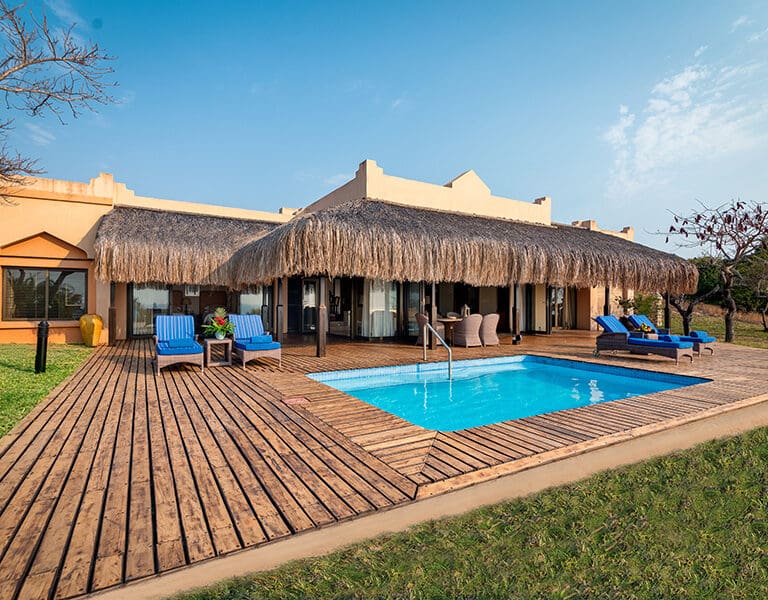 Bazaruto Archipelago, Mozambique
Activities travellers enjoyed
Bird watching | Cooking lessons | Fishing | Kayaking | Stand-up paddle boarding | Water-skiing
HomeDestinationsMozambique
Mozambique is 2,500 kilometres of Indian Ocean coast, plus a handful of real wildlife parks inland.
Get a quote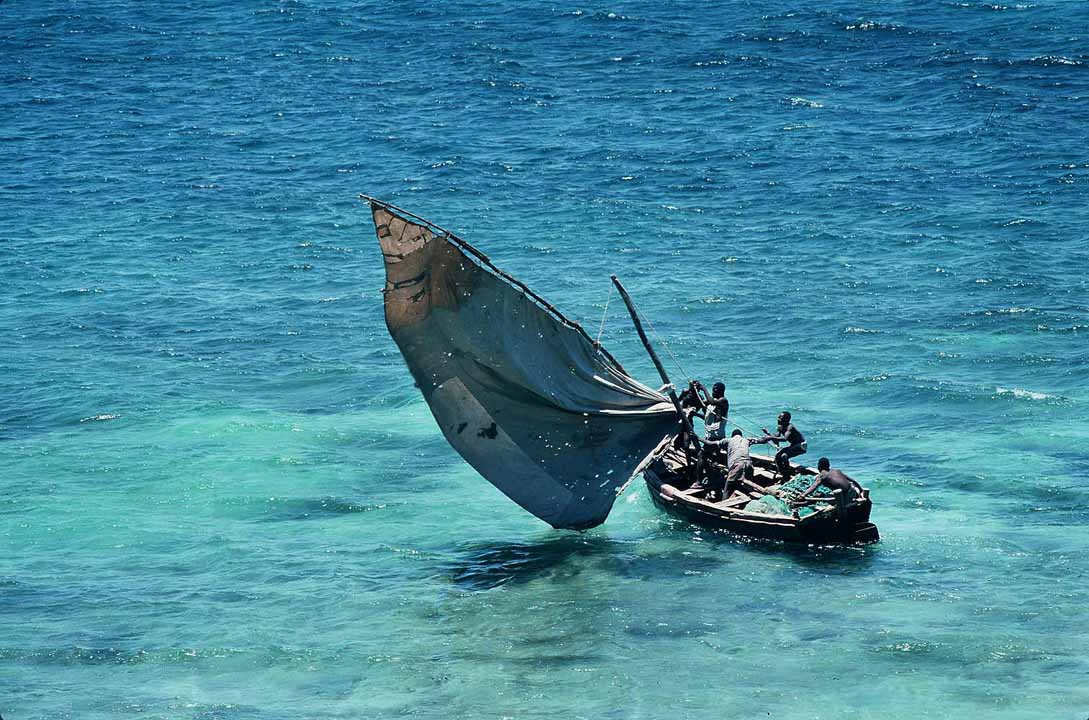
Whether it be for bush, beach or both, here are our favourite reasons for why you should visit Mozambique.
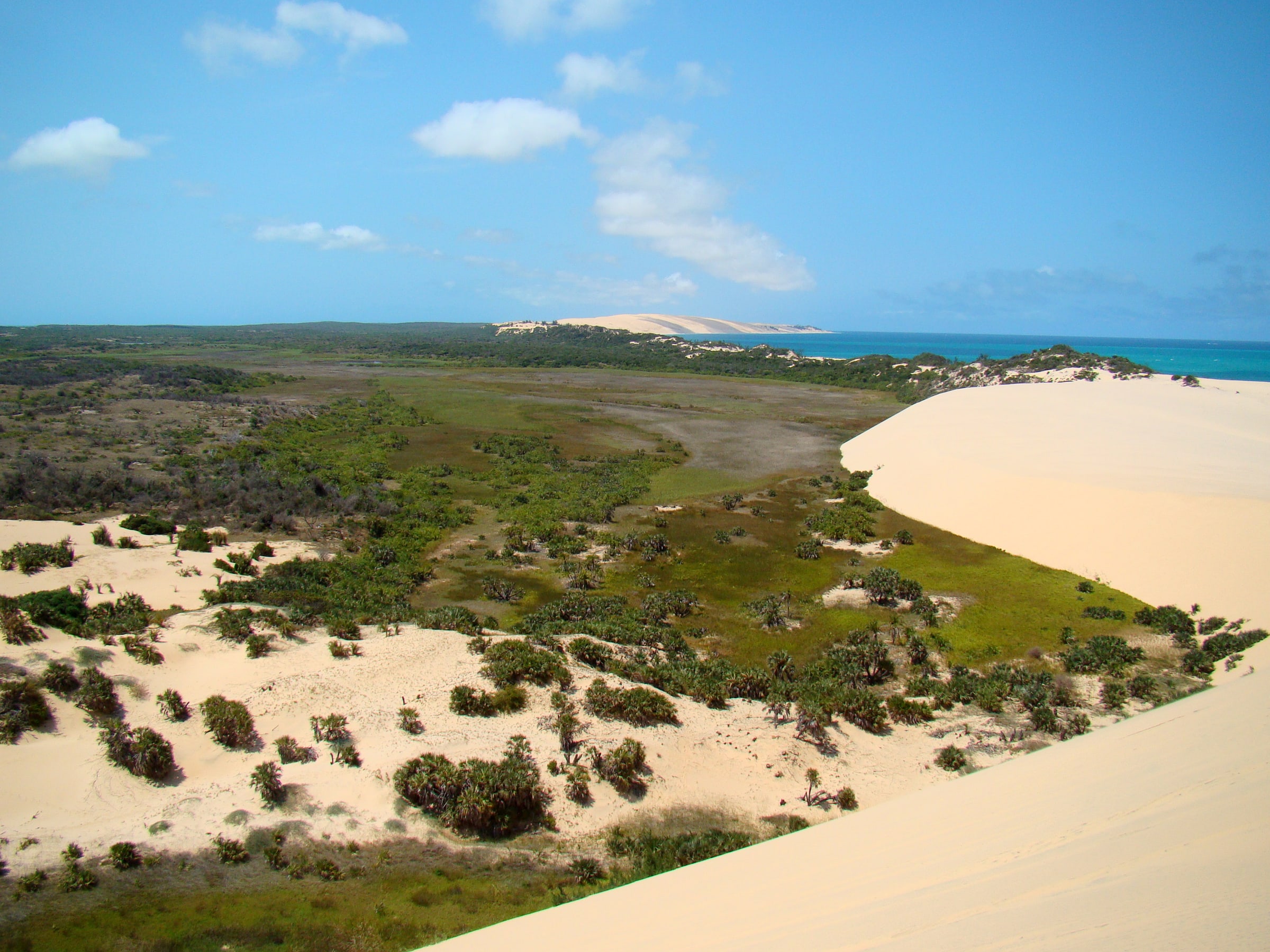
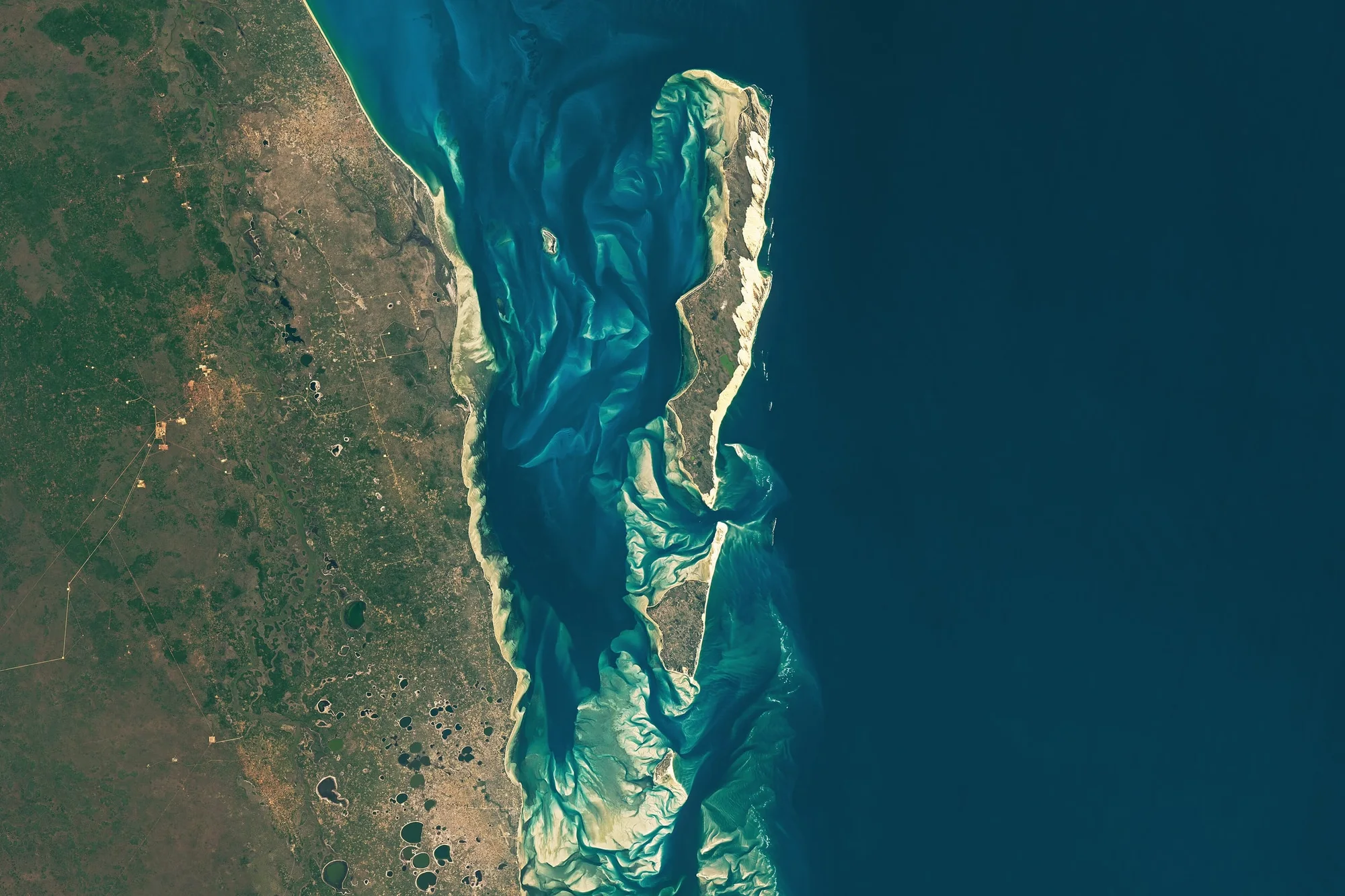
Mozambique brings together island escapes, Indian Ocean waters, and a strong sense of local tradition. Its 2,500-kilometre coastline stretches from the tranquil islands of the Bazaruto Archipelago to laid-back beach towns along the mainland, home to some of the best places to visit in Mozambique.
Trips to Mozambique often consist of visiting the mainland or an idyllic island off the coast, like Bazaruto Island or Benguerra Island. Mozambique beaches offer some of the best barefoot luxury holidays in the world, with a wide array of exciting activities to keep you busy when not soaking up the sun – including world-class diving in Bazaruto National Park.
But there’s more to Mozambique vacations than just tropical islands, immaculate beaches, and frolicking in the warm waters of the Indian Ocean. The mainland of this Southern African country has much to offer as well. From impeccable game viewing in Mozambique’s beautiful and diverse flagship park, Gorongosa National Park, to the rich cultural and historic experiences that have shaped this remarkable nation.
With its exceptional ability to offer unforgettable bush and beach safaris in paradise, Mozambique is standout destination in Africa.
Yes. Mozambique's main tourism regions are safe and welcoming for travellers. The beach destinations and safari areas we recommend are in established zones with experienced local teams and organised transfers.
Coastal areas such as Vilanculos, Bazaruto Archipelago, and Inhambane, are well prepared for visitors and comfortable to explore. As with travel anywhere, it is sensible to keep valuables secure and remain aware of your surroundings in towns and busy areas.
Mozambique is a good holiday destination for travellers looking to slow down and experience a different side of Southern Africa. Along its Indian Ocean coastline, long stretches of palm-fringed beaches meet warm, clear waters, creating a setting that feels both relaxed and uncrowded.
This coastal escape stands out for the way its experiences come together. You can spend your days snorkelling over coral reefs, sailing on traditional dhows or enjoying fresh seafood by the ocean, then travel inland to explore wildlife areas or connect with coastal communities. In places like Vilanculos and Inhambane, fishing, markets, and ocean-based traditions shape daily life and are easily accessible.
If you’re looking to explore beyond the coast, Gorongosa National Park provides a meaningful safari experience within one of Southern Africa's most important conservation areas. Guided drives and walking safaris focus on recovering wildlife populations, including elephants, lions and wild dogs, adding a rewarding bush element to a coastal itinerary.
Mozambique pairs naturally with Southern Africa's main safari destinations. Many travellers combine a Kruger National Park safari or Madikwe Game Reserve with a few days on the coast, creating a balanced itinerary that brings together wildlife, culture and coastline.
Here are our favourite reasons to go on vacation in Mozambique:
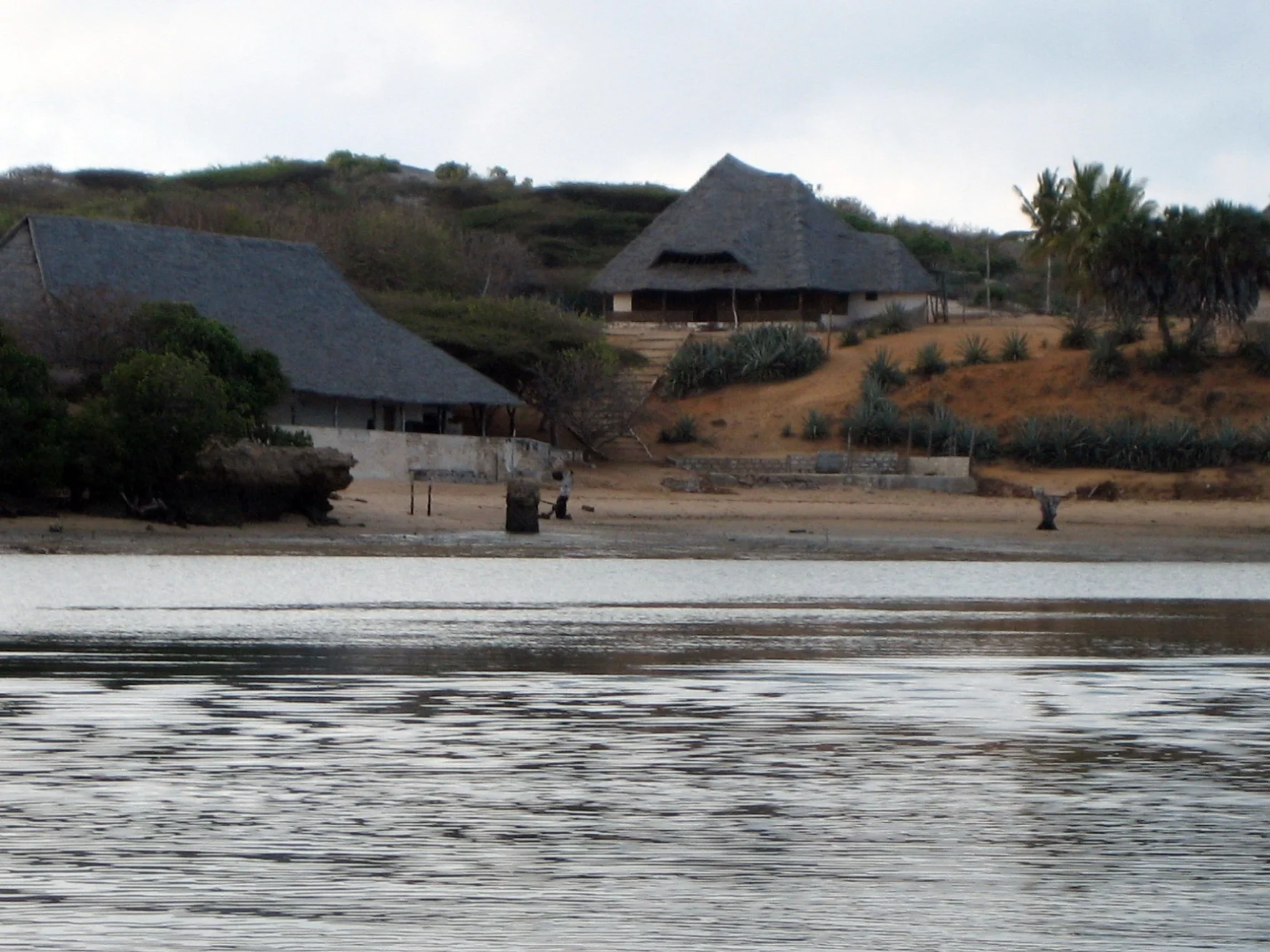
Swaying palm trees, year-round balmy weather, sparkling turquoise waters, and powder-white soft sand are staples of beaches in Mozambique. Whether you find yourself on the coastline of the mainland or the shores of one of the many idyllic isles, Mozambique beaches have a way of dispelling the stressors of everyday life and slowing things down to island time.
Although Mozambique is fast gaining a reputation for being Africa’s best beach destination, much of the coastline remains untouched – meaning that you’ll find many deserted beaches that stretch on for miles, leaving you with a truly private beach experience. There’s also plenty to keep you entertained during your visit, from diving in gorgeous coral reefs and big game fishing to whale watching and traditional dhow cruises.
Highlights:
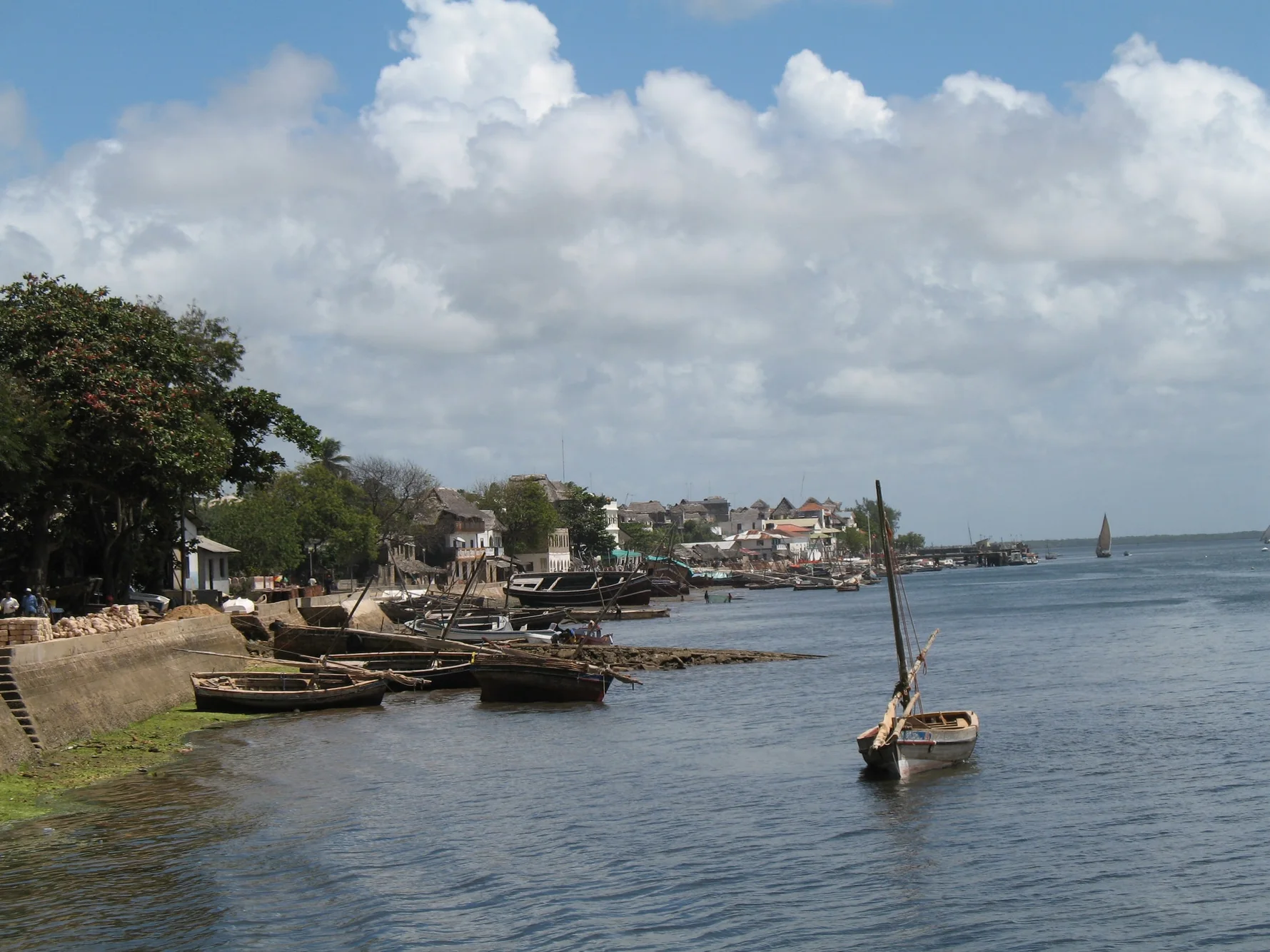
Trips to Mozambique are a delight for many reasons, but one that undeniably stands out is the fantastic accommodation on offer. Visitors are spoilt for choice with several stylish yet comfortable luxury resorts offering warm, friendly service, world-class amenities, and exceptional experiences. Whether you’re staying on the mainland or on one of Mozambique’s islands, you can be sure that barefoot luxury is always nearby.
Highlights:
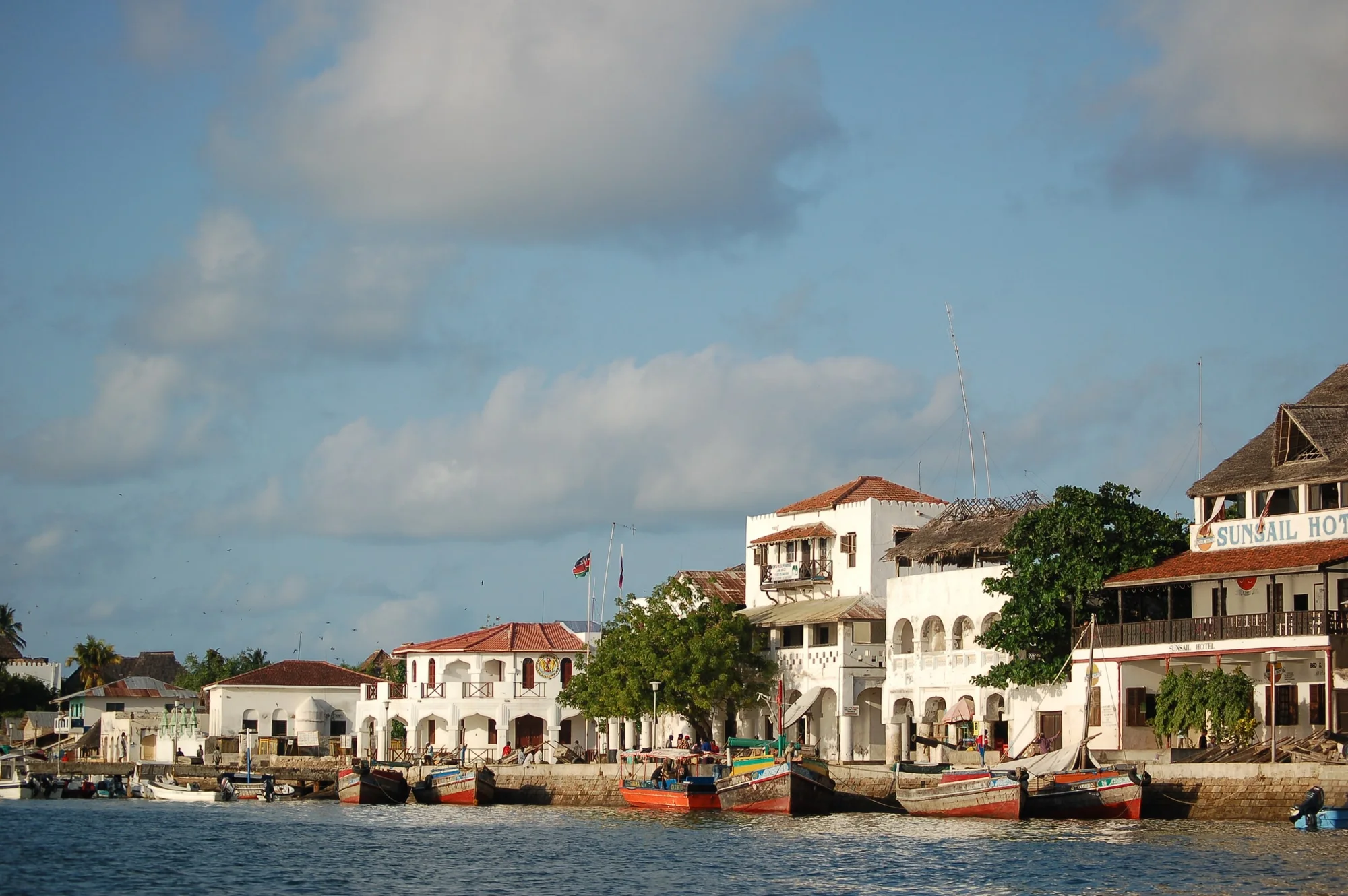
Unbeknownst to many, Mozambique is one of the best diving destinations in the world, offering a marine safari like no other. The warm, crystal-clear water of the Indian Ocean, unspoilt coral reefs and bounteous, varied marine life all blend to create the ideal diving conditions that accommodate all levels of divers.
When diving in Africa off the shores of Mozambique beaches, you’ll explore reef depths of between 10 and 40 metres (33 to 131 feet) that are home to an incredible range of coral, as well as over 6,000 species of fish. You stand a good chance of spotting barracuda, manta rays, moray eels, sharks, kingfish, giant lobsters, and whale sharks. The best part is that diving is a year-round activity in the country – making any time of year the best time to visit Mozambique.
Highlights:
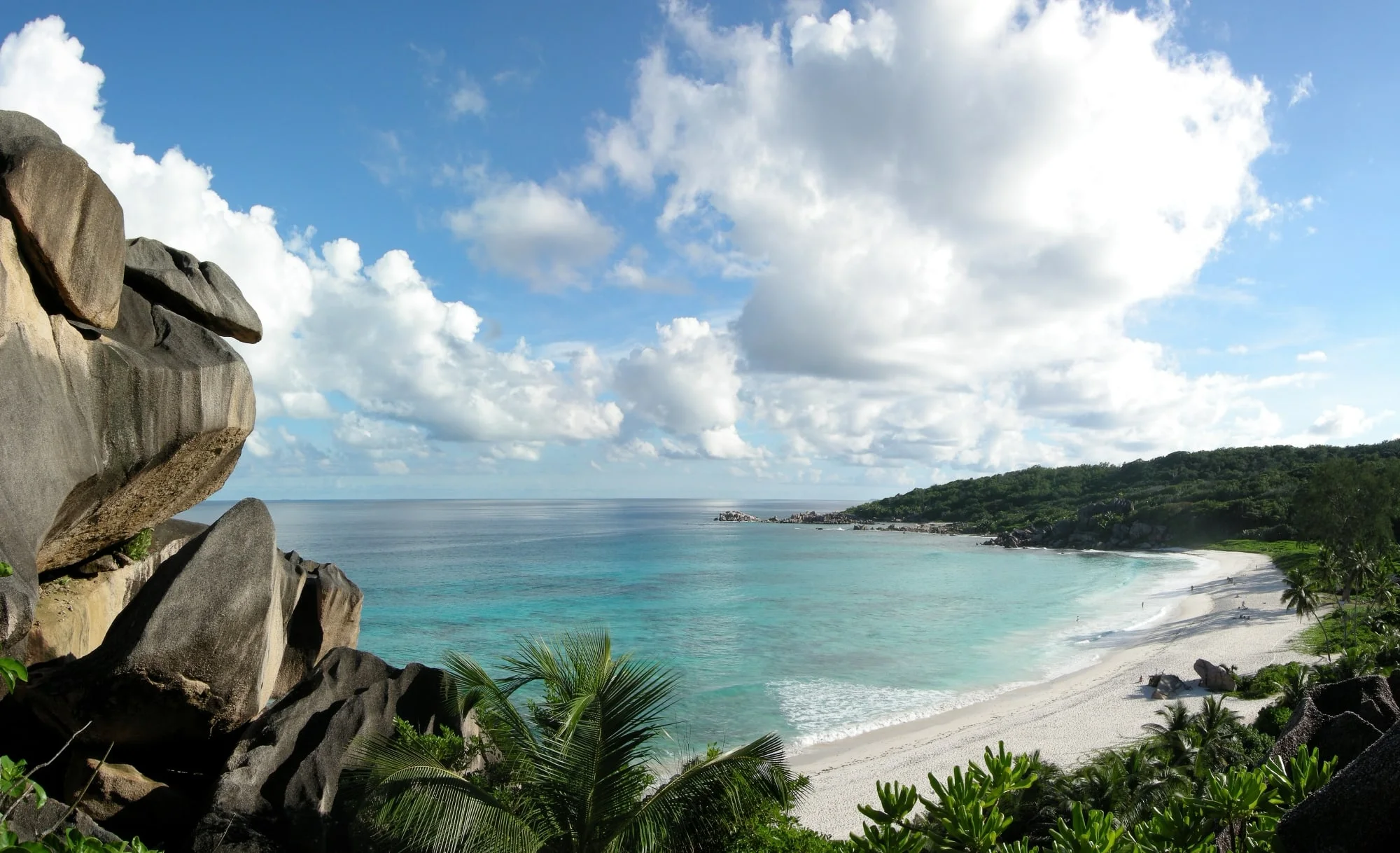
Recently, Mozambique began upgrading and rehabilitating several of its national parks. The most noteworthy of these projects is Gorongosa National Park, the country’s flagship conservation area. An off-the-beaten-path safari in Gorongosa offers the opportunity to spot buffalo, elephant, lion, and wild dog, to name a few. After a few days of traversing the beautiful and diverse flagship national park, you can easily head to any of Mozambique’s beachside destinations for some rest and relaxation.
Mozambique’s location is also ideal to combine with one of Southern or East Africa’s top safari destinations – making for the ultimate bush and beach holiday. South Africa, Zambia and Zimbabwe are within easy reach of Mozambique’s mainland destinations and Bazaruto Archipelago.
Highlights:
Every street and building in Mozambique is steeped in history and culture. No matter where you are in the country, be it on one of the idyllic islands or on the mainland, you’ll always be within arm's reach of a historical or cultural Mozambican treasure. From historical forts and train stations that have stood the test of time to downtown walking tours in Maputo, history and culture buffs alike can immerse themselves in Mozambique’s many experiences.
Highlights:
Beaches
Cultural interactions
Diving and snorkelling
Food and wine
Scenery
Sunset cruises and boating
Wildlife and safari
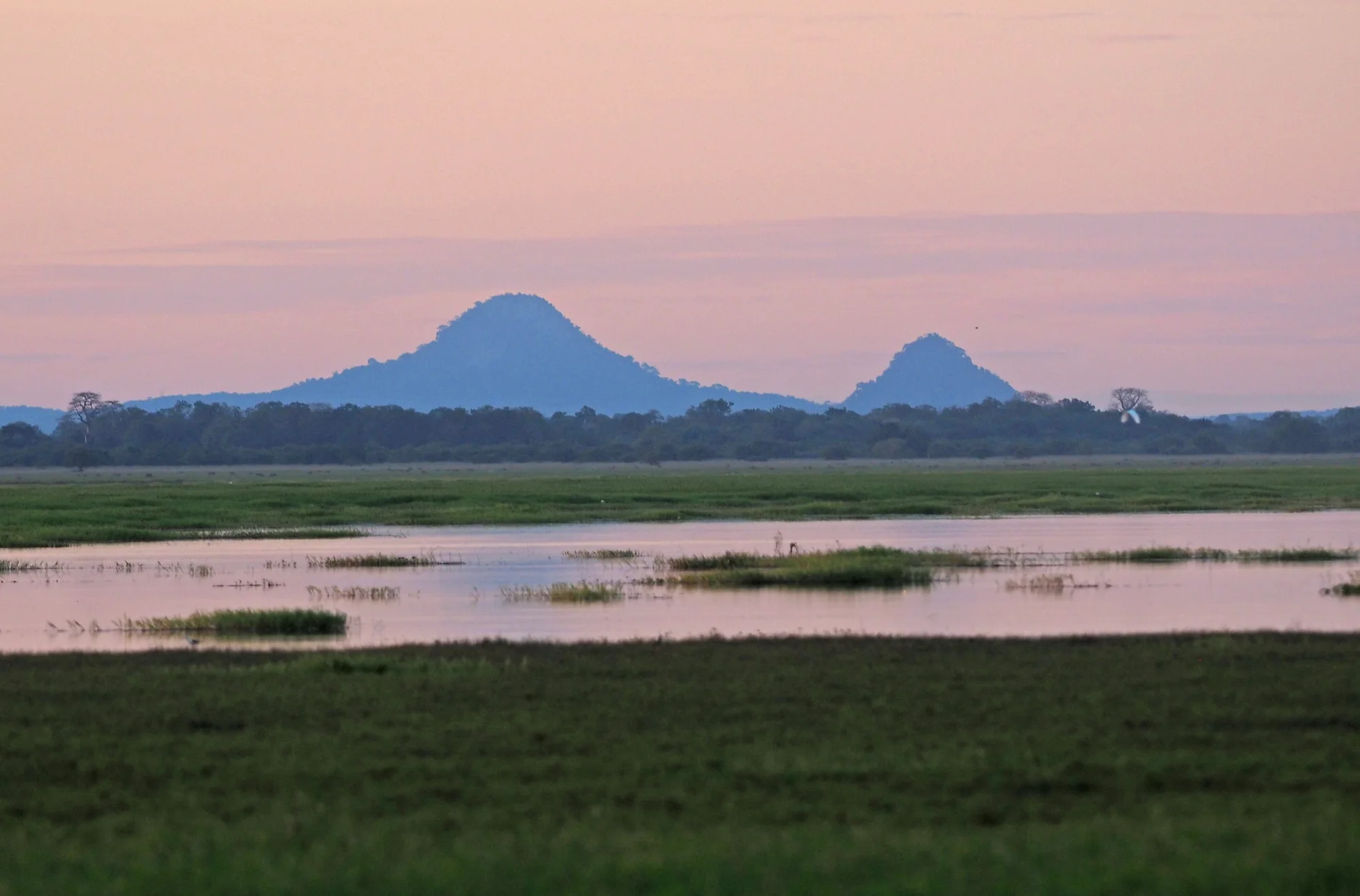
With a 2,500-kilometre (1,553-mile) coastline, protected islands, and wildlife-rich wilderness, the places to visit in Mozambique stretch far beyond a traditional beach holiday. You might snorkel in the warm waters of the Bazaruto Archipelago, explore centuries of history on Ilha de Mozambique, or head inland for a safari in Gorongosa National Park.
Where you go in Mozambique depends on the journey you're dreaming of. Vilanculos, Benguerra Island, and the Bazaruto Archipelago invite you to unwind on sunlit beaches, discover vibrant marine life, and embrace the gentle rhythm of island days. Tofo and Barra call to those who want to dive beneath the surface or seek out sightings with Mozambique's marine wildlife.
Step away from the Indian Ocean, and Gorongosa brings a completely different landscape shaped by floodplains, forests, and savannah. For practical tips and planning advice, our Mozambique Travel Guide is a helpful place to start, along with our top Mozambique travel tips for your holiday. Below, discover some of the best places to visit in Mozambique and what makes each one unique.
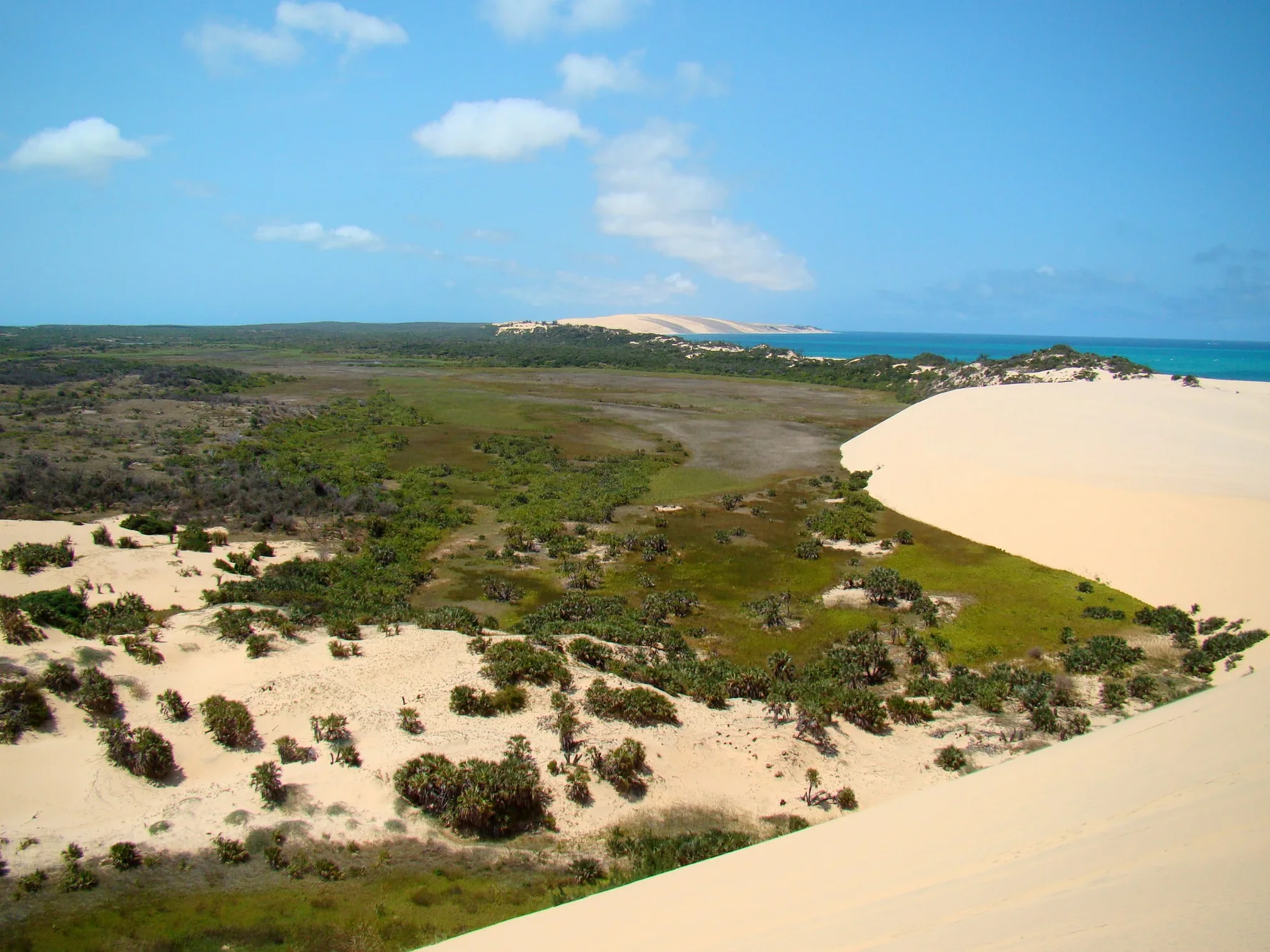
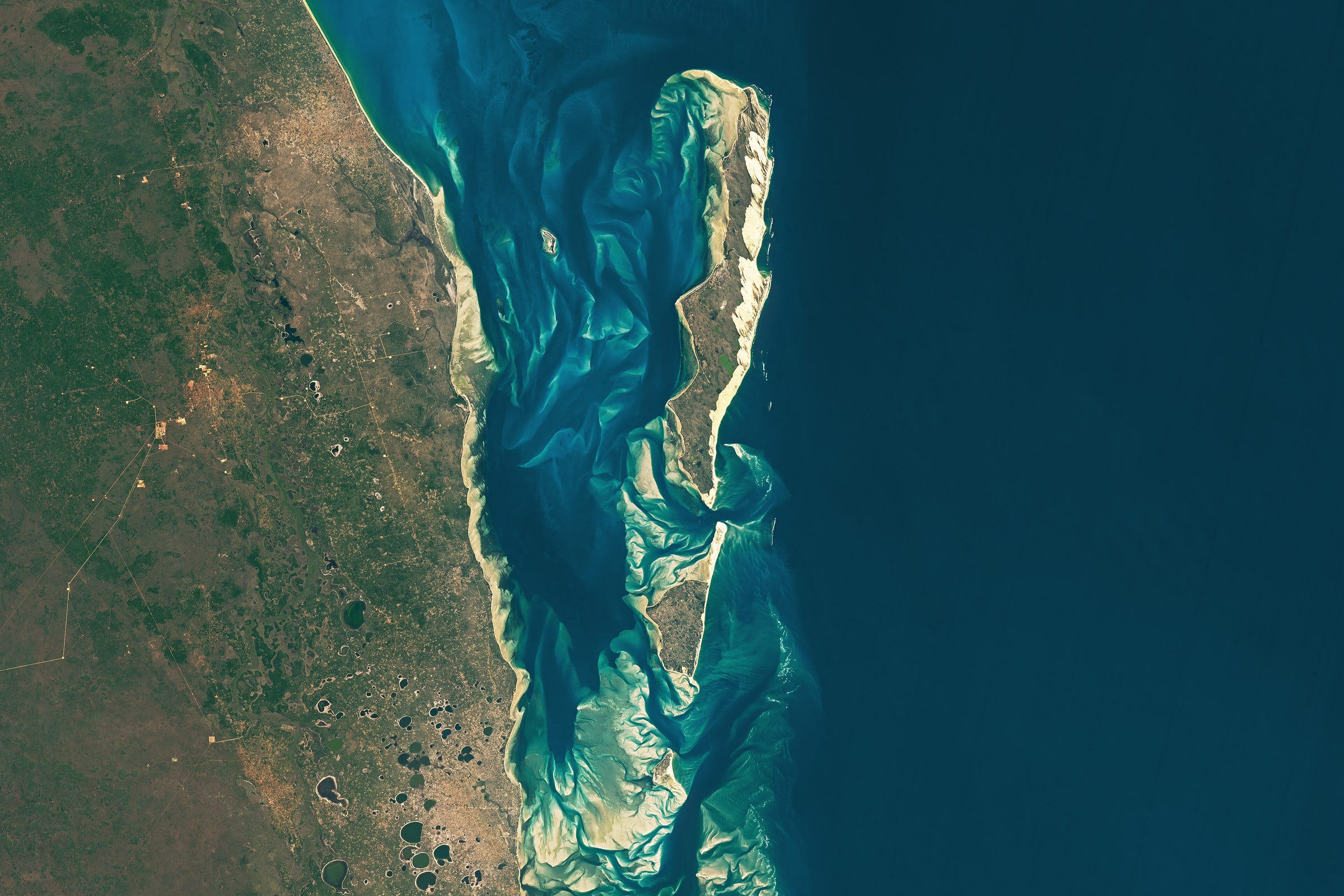
Just off the mainland town of Vilanculos, the Bazaruto Archipelago gathers some of Mozambique's most celebrated coastal destinations in one place. Vilanculos is your starting point, where boats and helicopters carry you over the Indian Ocean to the islands of Benguerra and Bazaruto.
On the islands, life moves with the tides. You might snorkel above colourful reefs, set out on a dhow to explore hidden sandbanks, or simply wander along quiet beaches. The protected waters support reef fish, while conditions and seasonal wildlife vary throughout the year.
Benguerra Island brings a slower pace, with intimate lodges and villas tucked close to the shore. Vilanculos, Bazaruto, and Benguerra are easily combined in a single journey, letting you experience the best of this region without choosing one destination.
The archipelago is among our best diving destinations in Africa, while a Bazaruto Island holiday can easily form part of a longer stay in Mozambique.
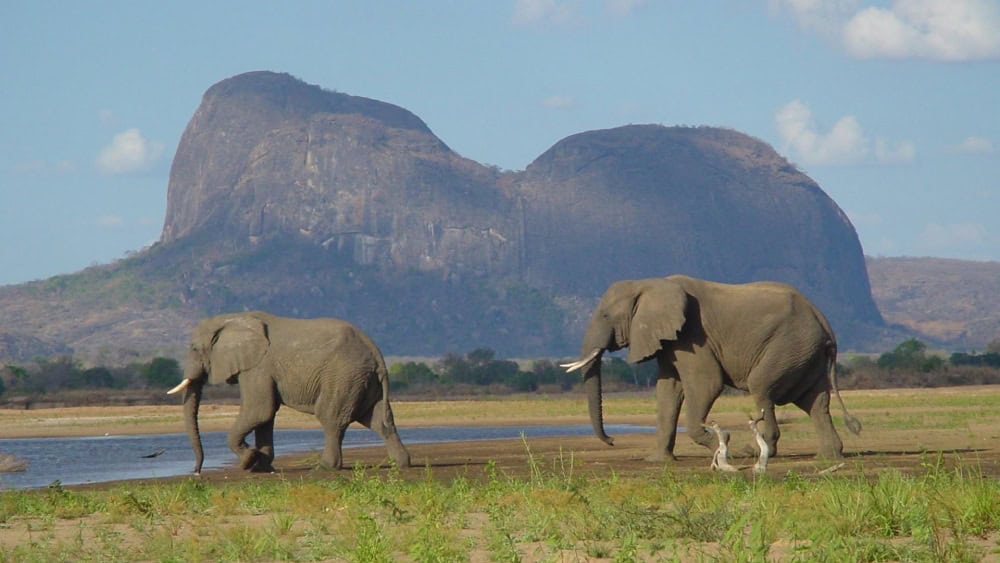
Gorongosa National Park leads you inland, where floodplains, woodlands, rivers, and rainforests create a landscape full of life. Years of dedicated conservation have helped wildlife return, making Gorongosa one of Mozambique's most rewarding safari destinations.
Game drives bring you close to elephants, lions, and a wealth of birdlife. A safari here feels different from Mozambique's coastal journeys, bringing conservation, wildlife, and changing habitats into the same experience.
Ilha de Mozambique rests just off the northern coast, linked to the mainland by a slender bridge. Though only a few kilometres long, the island's history stretches back centuries; it was once a hub of Indian Ocean trade and is now a UNESCO World Heritage Site.
Wander through Stone Town and Makuti Town to find layers of history in forts, churches, mosques, and buildings shaped by African, Arab, Indian, and Portuguese influences. Beyond the island's architecture, you can spend your days snorkelling, swimming, watching whales in season, or exploring the coastline.
If you're drawn to Mozambique for more than its beaches and wildlife, Ilha adds centuries of history and culture to your journey.
Inhambane sits along Mozambique's southern coast, with the beach towns of Tofo and Barra stretching out towards the Indian Ocean. Here, the pace is relaxed, with a different feel from the private islands of Bazaruto. It suits travellers who want to balance time on the beach with diving, snorkelling, and exploring the coastline.
Tofo is one of Mozambique's best-known diving destinations. Its offshore reefs support marine life, and the wider coastline is known for seasonal whale shark and manta ray sightings. Humpback whales also migrate along Mozambique's coast during the austral winter months. As with all wildlife sightings, timing varies with conditions and seasons.
A little further north, Barra has wide beaches and a quieter atmosphere, with swimming, snorkelling, and watersports. Inhambane town adds another layer, with lively markets, local restaurants, and historic buildings giving you a glimpse of daily life along the coast.
Together, Inhambane, Tofo, and Barra suit travellers who want to spend as much time exploring beneath the waves as they do relaxing on the sand.
May to October is Mozambique’s drier winter season, when days are warm and sunny, humidity drops, and rainfall is scarce across much of the country. Even during the coolest months, the coastline remains pleasantly warm, making it easy to combine a safari with time by the sea.
November to April is Mozambique’s summer, marked by hotter days, higher humidity and bursts of tropical rain. Showers can be heavy, but sunshine often returns quickly. Because this is also the region’s cyclone season, travelling at this time is best approached with a little extra flexibility.
The best time to visit Mozambique really depends on what you’re hoping to experience, because safari, diving, whale watching and turtle nesting each follow their own seasonal rhythms. Conditions also vary between the tropical north and the milder south, so whether you’re planning your trip around wildlife or time on the coast, the seasons shape each experience differently.
If you’re planning a Mozambique safari, the dry season generally brings easier conditions for exploring Mozambique’s wildlife areas. As the rains ease, roads become easier to navigate, and wildlife increasingly uses permanent water sources.
Gorongosa National Park is one of the country’s standout safari destinations, where floodplains give way to grasslands, woodland and forest. These varied habitats support elephants, lions, buffalo, hippos and crocodiles, alongside antelope, primates and rich birdlife. Beyond game drives, guided walks bring the smaller details of the landscape into focus, while seasonal water-based activities reveal another side of Gorongosa.
The park is generally open to visitors from until mid-December, although access and activities change with the seasons. April and May remain green after the summer rains, while July and August bring drier landscapes and greater concentrations of wildlife around remaining water sources. By September and October, temperatures begin to rise as the dry season moves towards the warmer summer months.
The park closes from mid-December until the end of March, and some roads may take longer to reopen following heavy rainfall.
If you’re dreaming of warm beach days with gentle breezes and little rainfall, May to October brings favourable conditions along much of Mozambique’s coast. With such a long coastline, conditions vary by region: the north remains distinctly tropical throughout winter, while destinations further south experience a more noticeable seasonal change.
The coast also changes with the seasons. During the austral winter, humpback whales migrate through Mozambican waters, while further south, loggerhead and leatherback turtles come ashore to nest between October and February. Diving and snorkelling are possible year-round in places like Bazaruto, though visibility and sea conditions vary with weather, tides and location.
Rainfall in Mozambique varies widely by season and region. January to March are typically the wettest months, while rainfall drops away as the country moves into its drier season from May onwards.
In Bazaruto, the average monthly rainfall drops from over 160mm in January and February to just 20-30mm between June and October. Further north, Pemba experiences an even more pronounced seasonal shift.
Travelling during the rainy season doesn't mean constant rain. Tropical downpours are often short-lived, though heavier rainfall can affect road conditions and access in wildlife areas. Cloud, wind and changing sea conditions may also influence your beach and marine experiences.
The wetter months also bring visible change to the landscape. Vegetation becomes greener, summer temperatures rise, and bird activity increases in wildlife areas such as Gorongosa, so the season has its own character even though road access and weather require more flexibility.
Mozambique’s summer is hot and humid, with daytime temperatures often reaching 30 to 32°C from December to March.
Regional differences are noticeable. The north stays warmer and more tropical for much of the year, while the south is milder. Pemba holds steady at 29 to 30°C even from June to August, while Maputo averages 25 to 26°C during the same period.
April and May mark the transition from Mozambique’s wetter summer into the dry season. Rainfall begins to ease, landscapes remain green, and temperatures become milder, making these months well suited to combining the coast with safari.
October and November bring the reverse transition. Temperatures rise as summer approaches, while October generally remains dry before rainfall increases through November and December.
Christmas and New Year are popular times for beach holidays, so if Mozambique is on your December wishlist, book well in advance.
Mozambique is well suited to combining time in the wilderness with the Indian Ocean coast, but seasonality matters when bringing the two together. During the drier months, Gorongosa is open for safari while coastal destinations experience lower rainfall and humidity, making it easier to plan both experiences within one journey.
Where you travel also shapes the combination. Mozambique stretches a long way from north to south, so your Africa-based Safari Expert can match the regions and timing to the experiences that matter most to you.
| Destination | Jan | Feb | Mar | Apr | May | Jun | Jul | Aug | Sep | Oct | Nov | Dec |
|---|---|---|---|---|---|---|---|---|---|---|---|---|
|
31°C
164mm |
31°C
167mm |
30°C
98mm |
30°C
49mm |
28°C
41mm |
26°C
31mm |
26°C
20mm |
26°C
25mm |
27°C
19mm |
29°C
26mm |
30°C
74mm |
31°C
149mm |
|
|
Maputo |
30°C
158mm |
31°C
133mm |
30°C
91mm |
29°C
56mm |
27°C
29mm |
25°C
18mm |
25°C
20mm |
26°C
16mm |
27°C
38mm |
28°C
63mm |
29°C
75mm |
30°C
87mm |
|
Pemba |
32°C
165mm |
32°C
162mm |
32°C
199mm |
32°C
122mm |
31°C
28mm |
29°C
15mm |
29°C
14mm |
30°C
5mm |
30°C
4mm |
32°C
9mm |
32°C
35mm |
32°C
128mm |
January to March falls within Mozambique's hot, humid summer and rainy season. Tropical downpours can be heavy, and this period overlaps with the southern Indian Ocean's cyclone season, so it's wise to allow extra flexibility in your plans.
Along the southern coast, these months overlap with an important period for marine life. Loggerhead and leatherback turtles typically nest near Ponta do Ouro from October to February, with hatchlings emerging later in the season.
Whale sharks are also found along southern Mozambique’s coast, especially around Inhambane and Tofo, although sightings are seasonal and never guaranteed.
April is a pleasant time as the summer rains have By April, summer rainfall begins to ease as Mozambique moves towards its drier season. Landscapes remain green, humidity begins to fall, and the coast stays warm into May.
In wildlife areas such as Gorongosa, you can see this seasonal transition across the landscape. Summer floods begin to recede, revealing green grass and full pools, while rainfall drops and evenings grow cooler. Along the coast, warm temperatures continue as the wetter months give way to more settled conditions.
The drier conditions also make it easier to add a touch of cultural exploration to your coastal journey. Off the northern coast, the UNESCO-listed Island of Mozambique reflects centuries of Indian Ocean trade, with architecture shaped by local traditions alongside Portuguese, Arab and Indian influences.
June to August brings some of Mozambique’s driest weather, with warm days, low humidity, and cooler evenings. The change is more noticeable in the south, while northern destinations like Pemba remain distinctly tropical.
In Gorongosa, the landscape gradually shifts from green to gold as the dry season progresses. Seasonal pans begin to recede, and wildlife makes increasing use of remaining water sources, while cooler days make time out on safari more comfortable.
Along the Indian Ocean, the same months bring lower humidity and the seasonal movement of humpback whales through Mozambican waters.
September and October fall within Mozambique’s dry season, bringing warm days and relatively little rainfall across much of the country.
On safari, drier vegetation and greater reliance on permanent water sources can make wildlife easier to spot. Along the coast, September is within the seasonal humpback whale migration, while October marks the beginning of turtle nesting around Ponta do Ouro.
For travellers hoping to combine safari and beach, these months bring favourable conditions for experiencing both in one journey.
November brings the shift into summer, with temperatures and humidity rising as the rains return. The first showers bring fresh growth to wildlife areas, while November brings increased bird activity in Gorongosa as migratory species arrive, and resident birds enter their breeding season.
Along the southern coast, turtle nesting season is underway, while December draws travellers for festive beach holidays. Summer also brings increasing rainfall and overlaps the cyclone season, so journeys spanning several regions may require greater flexibility.
Our Africa-based Safari Experts can help you choose when to travel and bring together the right combination of safari, coast and experiences for your journey.
There’s nothing like up-to-date, relevant travel information direct from the experts – get our practical Mozambique travel advice before you go.
While Mozambique is world-renowned for its barefoot luxury beach appeal, its safari industry is undergoing a remarkable revival. Destinations like Gorongosa National Park offer vast, untouched wilderness for travellers seeking an off-the-beaten-path safari experience. However, most visitors currently treat Mozambique as a premier beach and marine destination, often pairing it with a Big 5 safari in South Africa or Botswana to get the best of both worlds.
The choice depends on the vibe you're after. Mauritius is highly developed, featuring large-scale resorts and manicured coastlines, ideal for travellers who want easy, structured island living. Mozambique, by contrast, offers a more rugged, authentic, and exclusive feel. Here, you'll find boutique lodges on remote private islands, traditional dhows sailing the horizon, and some of the most pristine, uncrowded dive sites in the Indian Ocean. It is the go-to for travellers seeking seclusion and raw natural beauty over resort-style amenities.
Mozambique's official currency is the Metical (plural Meticais) but if you're travelling in southern Mozambique both the South African Rand and US Dollar are widely accepted. In the north it's best to carry dollars. If you want to use a foreign currency instead of Meticais when souvenir shopping at markets and craft shops then we’d recommend that you bring small denomination notes.
Most hotels and lodges have credit card facilities but there are a couple of exceptions so be on the safe side and check with your Africa Safari Expert before you travel.
At our recommended beach and island lodges all non-motorized water sports are usually free though you might be charged for snorkelling trips if a boat is needed to take you out to the reefs. We'd advise that you find out which activities are included beforehand to avoid any unexpected extras when it’s time to check out.
A 10% tip for service in most Mozambique restaurants is standard. Tipping tour guides is at your discretion and depends on the size of your group and the level of service you feel you've received.
For in-depth tipping guidelines, enquire with one of our Africa Safari Experts – they’d be happy to share their knowledge with you.
Refer to “best time to visit Mozambique” for climate charts and information on the cyclone season.
Yes, Mozambique is a safe and welcoming destination for international travellers, particularly within the main tourism hubs like the Bazaruto Archipelago and the southern coastal stretches. As with any international travel, we recommend staying informed on current travel advisories and using reputable transfer services. When you book with an expert, your logistics, from airport meet-and-greets to island transfers, are handled by professionals, ensuring a secure and worry-free holiday.
Generally, casual comfortable clothing is suitable throughout the year for a Mozambique holiday. If you are visiting Mozambique for a beach holiday, pack plenty of light cotton tops and shorts, as well as a hat, sunglasses, beach sandals and a pair of comfortable walking shoes.
If you are planning on taking lots of photographs, be sure to pack extra memory cards and batteries for your camera as these are difficult to find in Mozambique and very expensive if you do manage to get hold of them.
For the evenings – or if you are going on safari in combination with Mozambique – pack long-sleeved clothing to protect against mosquitoes and a fleece or jacket for winter game drives.
Mozambique is considered a malaria risk area. However, this shouldn’t deter you from visiting; it simply requires a bit of preparation. We strongly recommend consulting your doctor or a travel clinic well in advance about malaria prophylactics. At your lodge, you'll find that most beds are equipped with mosquito netting and rooms are treated with repellent. Wearing long-sleeved clothing and trousers in the evenings is also a simple and effective way to stay protected.
For flight schedules, fares and booking terms, check directly with the airline or your chosen travel agent.
Maputo International Airport: the main gateway into Mozambique with direct flights from Portugal, Johannesburg or Cape Town, holiday-makers are usually on their way to one of the country’s smaller airports to access the Indian Ocean coast.
Vilanculos International Airport: fly from Maputo, Johannesburg, Cape Town or Kruger International for the gateway to the Bazaruto Archipelago. The Kruger connection means a great logistics solution for a Big 5 safari and beach holiday.
Pemba International Airport: gateway to the Quirimbas Archipelago, Pemba is accessed via Maputo, Johannesburg, Nairobi and Dar es Salaam – the latter two making for a great East Africa safari and beach holiday combination.
It depends on your destination and the level of luxury you've chosen. For many of the luxury lodges in the Bazaruto Archipelago, the transfer is part of the adventure, often involving a breathtaking scenic flight via helicopter or light aircraft. Some lodges are accessed by speedboats or traditional sailing vessels from the mainland hubs of Vilanculos or Pemba. Your Africa Safari Expert will coordinate these logistics to ensure your arrival is as spectacular as the destination itself.
The islands are small enough to get around on foot though there will be plenty of opportunities for sailing and boating trips.
Mozambique is not a self-drive destination and travellers who want to explore its inland regions should arrange a guided safari.
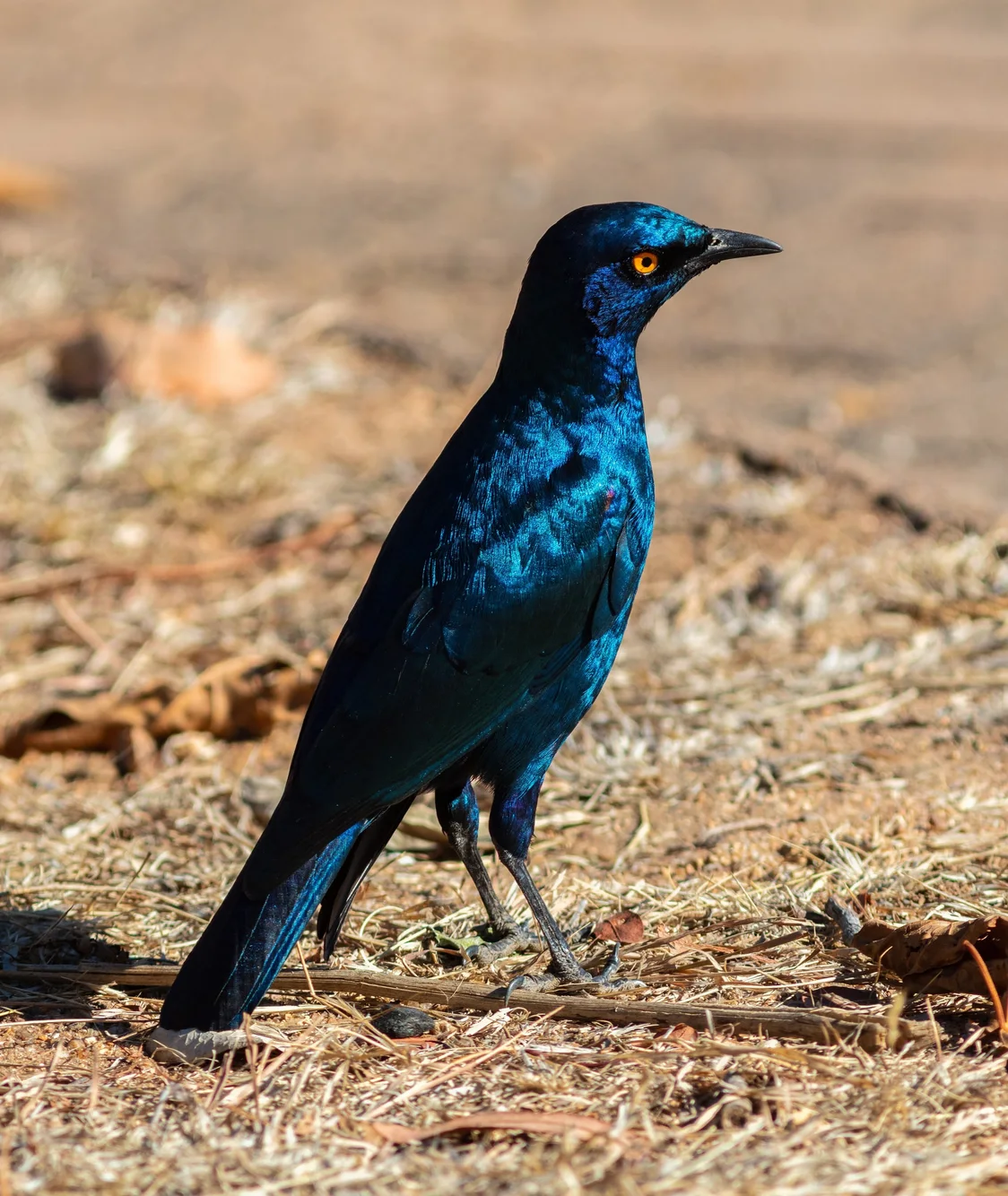
Absolutely. Mozambique is the perfect companion to a South African itinerary. There are daily direct flights (approximately 1 to 1.5 hours) from Johannesburg to Maputo, Vilanculos (the gateway to the Bazaruto Archipelago), and Pemba (the gateway to the Quirimbas). For those finishing a safari in the Kruger National Park, direct lodge-to-lodge charters or professional road transfers through the Komatipoort border make the transition from the bush to the beach incredibly smooth.
All visitors to Mozambique must possess a passport valid for at least six months after their departure from the country. Visas are required by everyone except citizens of South Africa, Zambia, Botswana and Swaziland and can be bought at most borders for between US $35 and US $80 depending on your nationality. However, due to recent reports of visitors being refused this service, we strongly advise you obtain your visas in advance from your nearest Mozambican Embassy.
Mozambique’s indigenous Khoisan hunter-gatherers were displaced two thousand years ago by West African migrants, bringing with them Iron Age technology, cattle and crops. The result was a collection of powerful tribal kingdoms scattered between the Zambezi and the Limpopo Rivers, trading with Swahili and Arab coastal settlements. Plagued by slavers, the country fell under control of the Portuguese in the early 16th century but freedom came late. Only after a bitter struggle was independence achieved in 1975, and that was followed by a devastating 17-year civil war.
Coming off virtually a zero base, the Mozambican economy has been among the fastest growing in the world. Agriculture, which employs 80% of the country’s workforce and makes up around 30% of GDP, has traditionally dominated but Mozambique’s economic future lies in its extensive natural resources which include huge coal reserves and the world’s fourth biggest natural gas fields. The country’s tourism sector is growing but still performing well below its potential.
Since the post-independence departure of some 360 000 Portuguese, Mozambique’s 24 million people are overwhelmingly drawn from its black ethnic groups, the largest being the Macau and Shangaan. Nevertheless, it is the Portuguese language that dominates and around 50% of Mozambicans speak it as a first or second language, despite the 60 or so regional languages.
Traditional African religious beliefs are still strongly held in Mozambique though some 56% of Mozambicans regarding themselves as Christian (especially in the south and in cities) with a further 18% adhering to Islam, particularly in the Arabian-influenced north. Music and dance feature prominently in Mozambican culture – the famous marimba is a local instrument – while the Portuguese influence on Mozambique’s spicy, Mediterranean-style cuisine will be obvious to visitors.
About three times the size of Great Britain, Mozambique is divided into two topographical regions by the Zambezi River. Northern Mozambique is a landscape of hills and low plateaus with rugged highlands in the west. Southern Mozambique is flatter due to the coastal plain which widens from north to south and accounts for almost half of the country’s surface area. Away from the coast, Mozambique is very under populated and its vast open woodlands remain virtually untouched.
Most visitors to Mozambique head for the country’s Indian Ocean coast. The mainland offers long stretches of palm-fringed beaches but it’s the Bazaruto and Quirimbas Archipelagos that are home to classic ‘desert islands’ and pristine coral reefs. Several of the best dive sites in the Indian Ocean can be found here and the marine life is exceptional. Highlights include year-round diving with whale sharks and manta rays, concentrations of which peak from October to April.
Once world-renowned, Mozambique’s wildlife is still recovering from decades of war but one or two big game destinations are emerging as the herds return and conservation efforts pay off. Head for the Gorongosa National Park and the Niassa Reserve for some of Southern Africa’s most remote, exclusive and crowd-free game viewing.
Yes, it can be a magical playground for families. While the remote nature of some lodges suits older children better, many resorts in areas like the Bazaruto Archipelago are very family-friendly, offering calm, shallow waters for swimming, professional kids’ clubs, and educational marine safaris. It's an incredible place for children to learn about conservation, snorkeling, and local culture in a safe, natural environment.
Prepare for a feast! Thanks to its Portuguese heritage and long coastline, Mozambique's cuisine is a highlight of any trip. You can expect world-class seafood - specifically the famous giant prawns and crayfish - often prepared with a spicy peri-peri kick. Beyond seafood, you'll find delicious Afro-Portuguese fusion dishes like frango azevia (grilled chicken) and matapa (a traditional dish made from cassava leaves and peanuts). Most luxury lodges also cater expertly to international palates and specific dietary requirements.
Chat with someone who’s been there. Get in touch with one of our Africa Travel Experts to help tailor-make a trip to Mozambique that’s right for you.
With miles of soft white sand fringing both its coastline as well as the islands of the Bazaruto and Quirimbas Archipelagos, Mozambique is a classic beach destination for honeymooners and families alike. There’s superb diving and snorkelling, the seafood is straight from the ocean, and if you’re looking for exclusivity on your beach holiday then pick from one of the private islands – tiny Medjumbe or Quilalea with its beautiful villas.
There’s a dose of history too: visit the enigmatic ruins on Ibo Island or spend time exploring the area around Pemba. And best of all, a Mozambique holiday is easily combined with a safari – it’s a short flight from the Kruger National Park to the powder-white beaches of Benguerra Island, or you can even round off a safari in the world-famous parks of Tanzania or Kenya with a Mozambique holiday.
Our selection of top Mozambique tours and holidays includes everything from private island escapes to family-friendly beach experiences – we’ve even got a couple of Mozambique safaris to super-remote big game reserves – but if you can’t find what you’re looking for, contact one of our Africa Safari Experts for a tailor-made itinerary.
Experience the vibrant city of Cape Town and the surrounding Winelands. Take the cable car up Table Mountain to savour views of Robben Island.
Blend big game with a beach holiday. Enjoy water and land safaris year-round.
Gorilla trekking in Bwindi National Park. Fantastic year round game viewing in Kenya.
Stay at top lodges in Kruger & Mozambique. An ideal honeymoon itinerary.
Visit the Masai Mara, Victoria Falls & Cape Town. Luxury accommodation & excellent service.
Ranger & tracker guided 4x4 safaris. Personal butler.
Cruise down the legendary Chobe River. Spot Botswana's huge elephant herds.
An outstanding bush and beach journey. See the famous Sabi Sands' leopards.
An outstanding bush & beach journey. In the game-rich Kruger National Park.
Luxury apartment in trendy city neighbourhood. A full-day tour of Cape Point and surrounds.
Experience the vibrant city of Cape Town and the surrounding Winelands. Take the cable car up Table Mountain to savour views of Robben Island.
Experience the vibrant city of Cape Town and the surrounding Winelands. Take the cable car up Table Mountain to savour views of Robben Island.
Blend big game with a beach holiday. Enjoy water and land safaris year-round.
Blend big game with a beach holiday. Enjoy water and land safaris year-round.
Gorilla trekking in Bwindi National Park. Fantastic year round game viewing in Kenya.
Gorilla trekking in Bwindi National Park. Fantastic year round game viewing in Kenya.
Stay at top lodges in Kruger & Mozambique. An ideal honeymoon itinerary.
Stay at top lodges in Kruger & Mozambique. An ideal honeymoon itinerary.
Visit the Masai Mara, Victoria Falls & Cape Town. Luxury accommodation & excellent service.
Visit the Masai Mara, Victoria Falls & Cape Town. Luxury accommodation & excellent service.
Ranger & tracker guided 4x4 safaris. Personal butler.
Ranger & tracker guided 4x4 safaris. Personal butler.
Cruise down the legendary Chobe River. Spot Botswana's huge elephant herds.
Cruise down the legendary Chobe River. Spot Botswana's huge elephant herds.
An outstanding bush and beach journey. See the famous Sabi Sands' leopards.
An outstanding bush and beach journey. See the famous Sabi Sands' leopards.
An outstanding bush & beach journey. In the game-rich Kruger National Park.
An outstanding bush & beach journey. In the game-rich Kruger National Park.
Luxury apartment in trendy city neighbourhood. A full-day tour of Cape Point and surrounds.
Luxury apartment in trendy city neighbourhood. A full-day tour of Cape Point and surrounds.
Priced itineraries that pass through this place. Nights can still change when the quote is drawn up. Nothing is paid until you accept it.
From KSh620,635 to KSh810,851 pps
6-Day Mozambique's Wilderness: Gorongosa Restoration Project Safari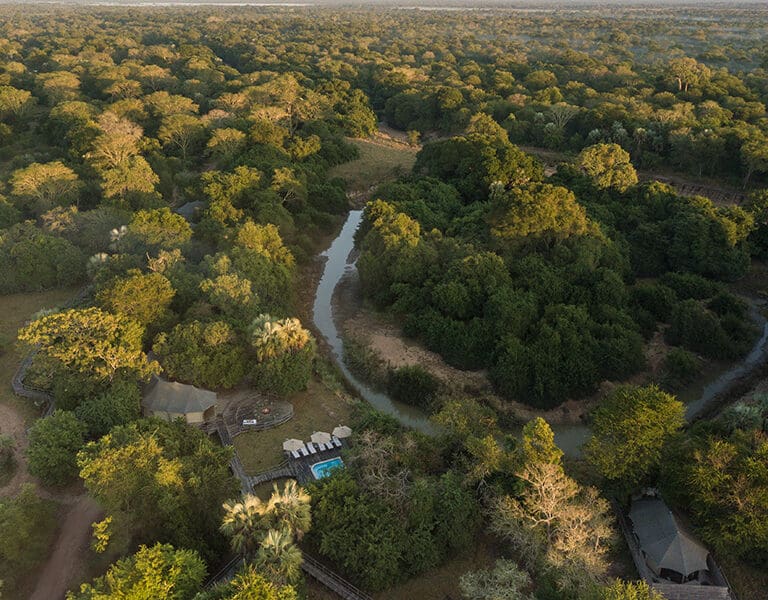 6 days
Time on foot with a guide. Morning and afternoon game drives.
Gorongosa National Park | Mozambique
From KSh762,161 to KSh1,000,417 pps
7-Day Mozambique's Gorongosa Restoration Project Safari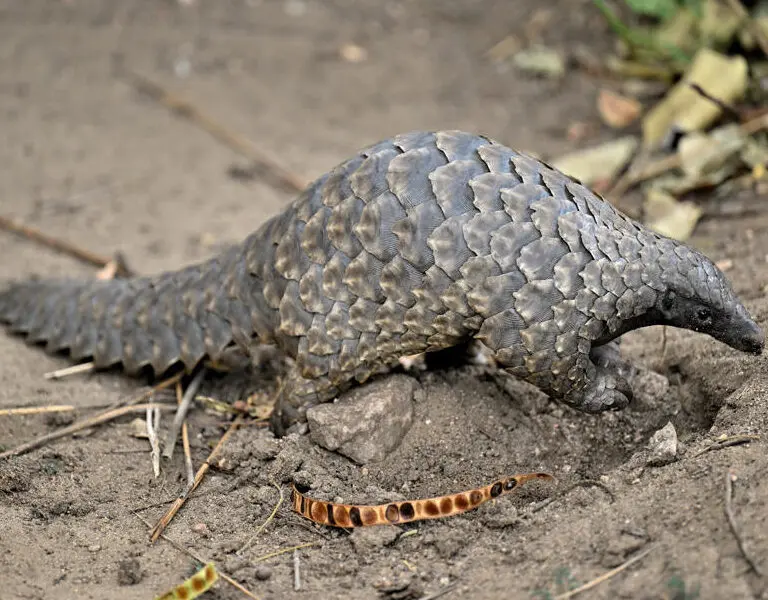 7 days
Morning and afternoon game drives on each full day on safari. Park and permit fees for the places on this route.
Gorongosa National Park | Mozambique
From KSh1,130,906 to KSh1,224,391 pps
Luxury Benguerra Island Holiday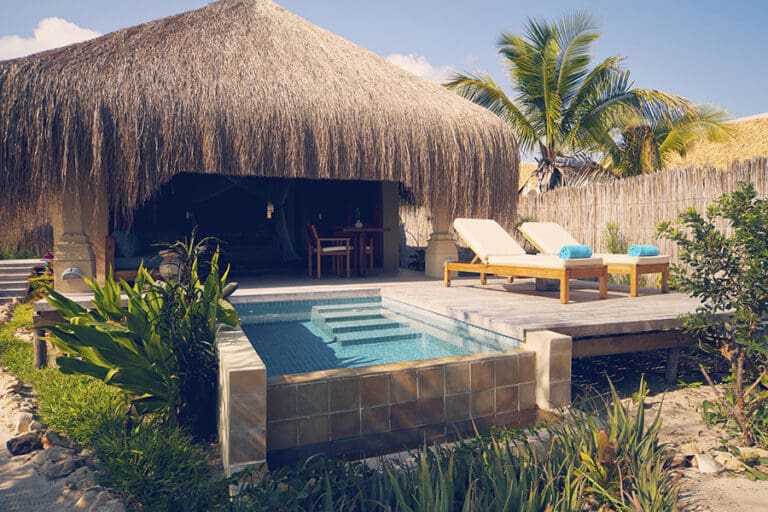 7 days
Beach days are part of this route.
Bazaruto Archipelago | Mozambique
From KSh1,291,908 to KSh1,400,974 pps
8-Day Bespoke Bush & Beach Honeymoon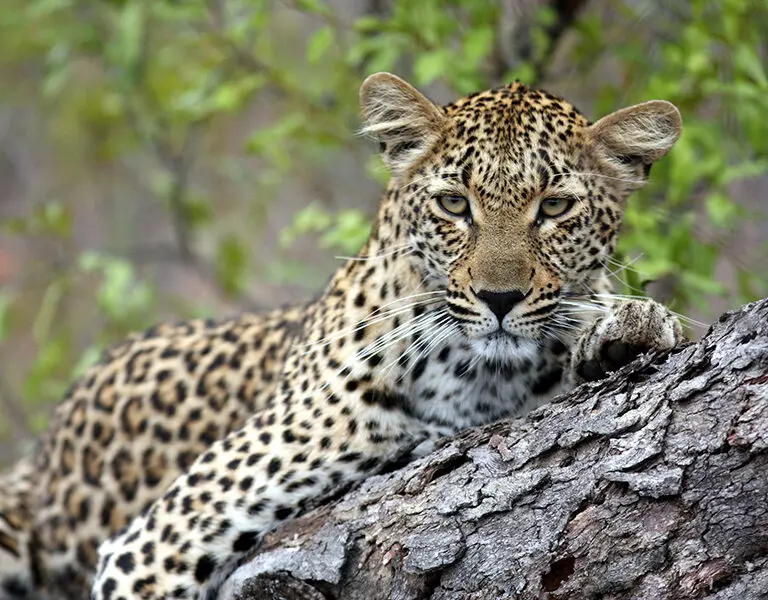 8 days
Three nights at Savanna Private Game Lodge in the Sabi Sands Morning and afternoon game drives, and a guided bush walk
Sabi Sands Game Reserve, South Africa | Bazaruto Archipelago, Mozambique
From KSh1,635,984 to KSh1,642,476 pps
8-Days Kruger to Coast: A Safari & Sea Escape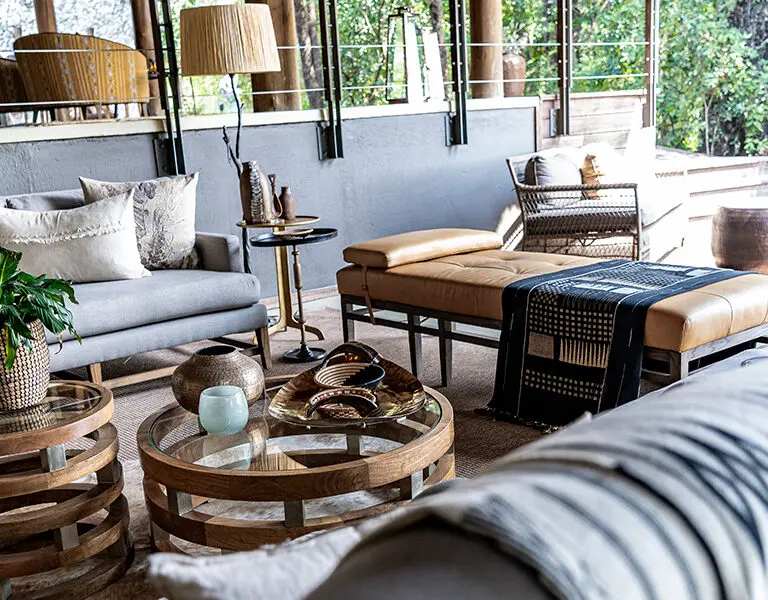 8 days
Morning and afternoon game drives.
Mozambique | Sabi Sands Game Reserve | South Africa | Vilanculos
From KSh692,047 to KSh803,710 pps
8 Days Adventurer Kruger & Mozambique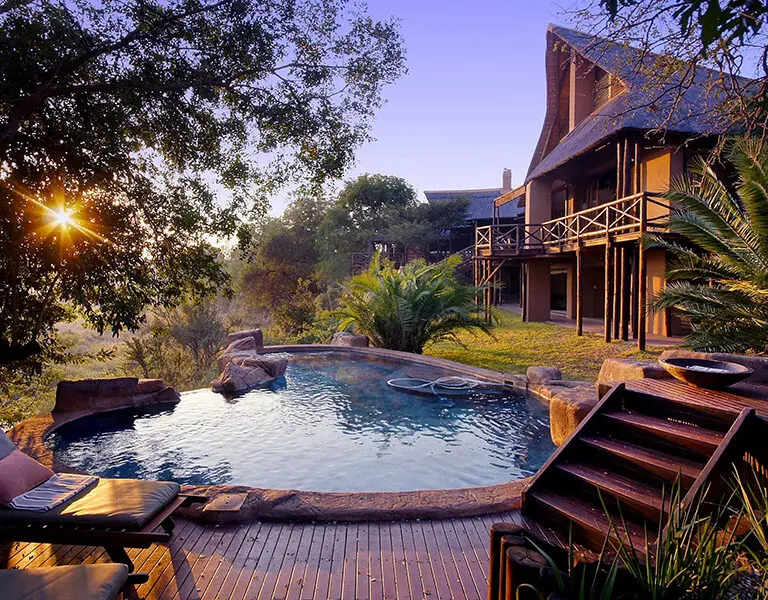 8 days
Morning and afternoon game drives on each full day on safari. Park and permit fees for the places on this route.
Kruger National Park | Mozambique | South Africa
From KSh1,791,792 to KSh1,908,648 pps
South Africa's Kruger & Mozambique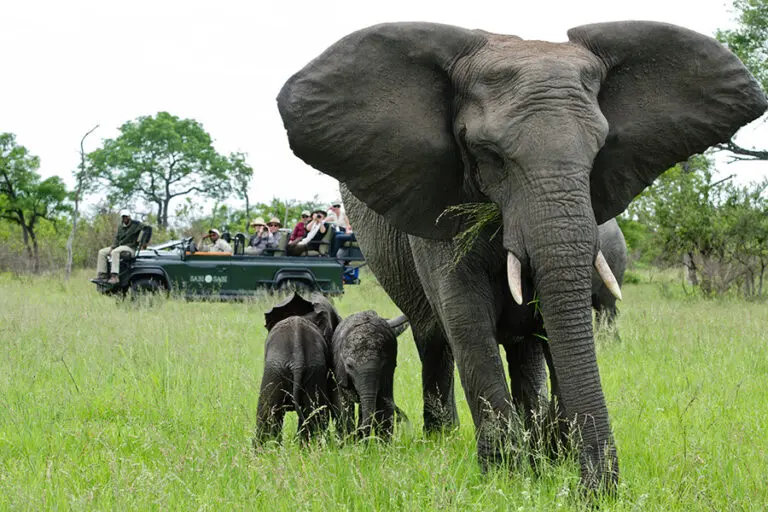 9 days
Beach days are part of this route.
Bazaruto Archipelago | Kruger National Park | Mozambique | South Africa
From KSh1,774,913 to KSh2,229,353 pps
Kruger & Mozambique's Bazaruto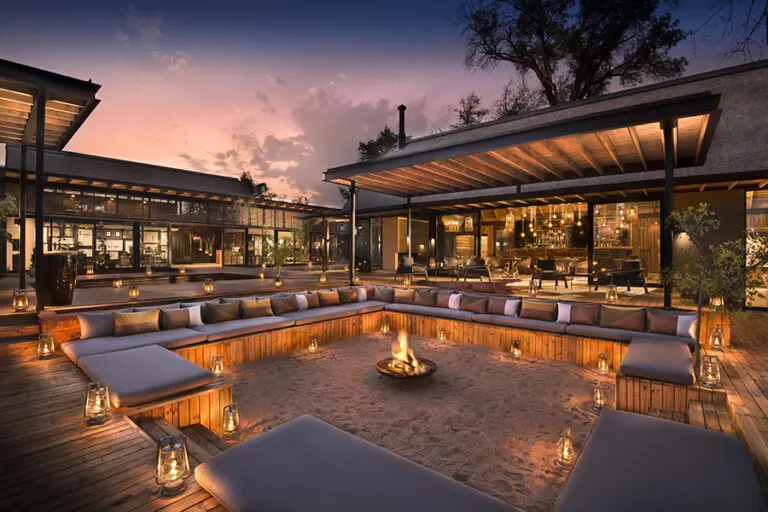 10 days
Morning and afternoon game drives on each full day on safari. Park and permit fees for the places on this route.
Bazaruto Archipelago | Kruger National Park | Mozambique | Panorama Route | South Africa
Mozambique beach holidays have long been associated with the concept ‘barefoot luxury', due in part to the intimate and exclusive accommodation available. Casually luxurious beach lodges and boutique hotels set on the mainland coast as well as on islands in the Quirimbas and Bazaruto Archipelagos make up some of our most sought after accommodation in Mozambique.
Best known for its beaches, Mozambique’s wild and beautiful game reserves such as Gorongosa National Park are home to some of the most remote safari lodges in Southern Africa. Alternatively, regular flights between South Africa’s Kruger Park and Vilanculos – gateway to the Bazaruto Archipelago – ensure safari and beach holiday combinations are simple to arrange. Simply contact us for advice on choosing the right Mozambique accommodation for your holiday.
Filter Your Results
8 stays. The rate is per person sharing.
From KSh836,170 to KSh1,774,913 pps
Bazaruto Archipelago, MozambiqueBird watching | Cooking lessons | Fishing | Kayaking | Stand-up paddle boarding | Water-skiing
From KSh1,130,906 to KSh3,819,893 pps
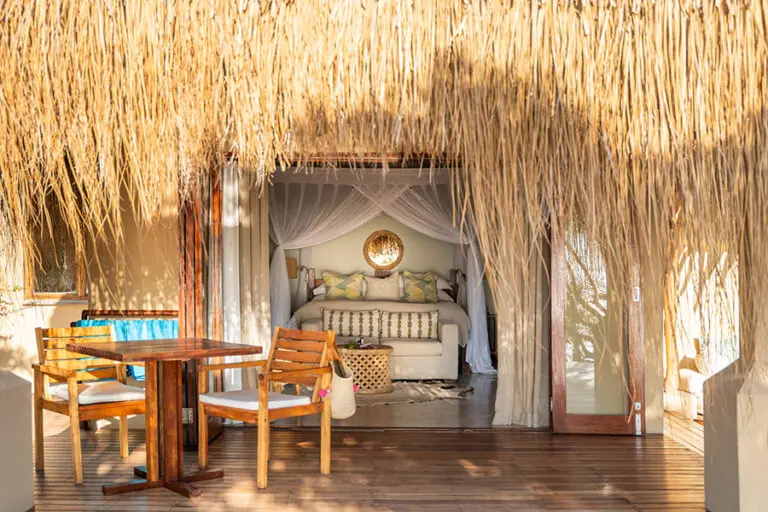 Bazaruto Archipelago, Mozambique
Cultural visits | Bush dining | Bird watching | Picnics | Helicopter flights | Scenic flights
From KSh1,180,246 to KSh1,321,771 pps
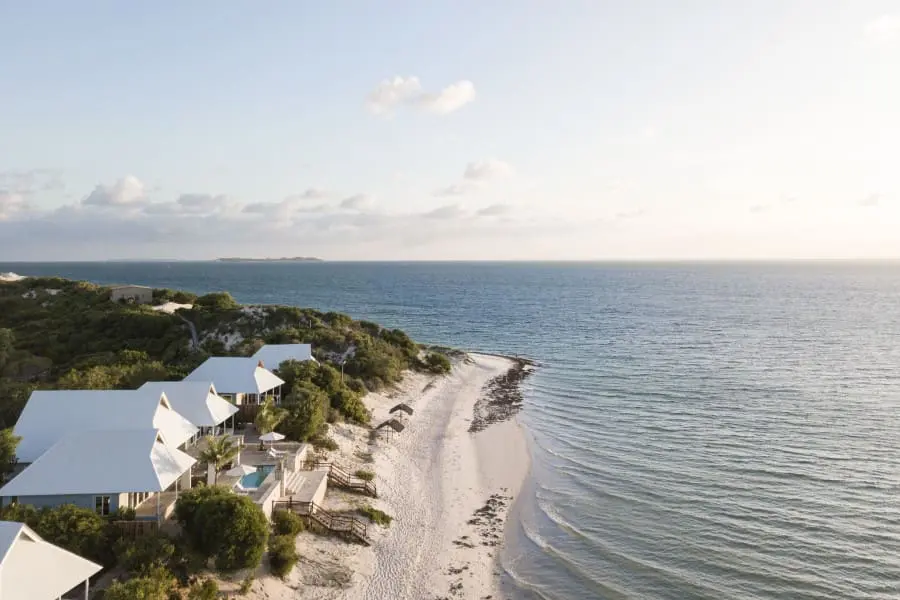 Bazaruto Archipelago, Mozambique
Helicopter flights | Kayaking | Snorkelling | Scuba diving | Fishing | Historical tours
From KSh2,269,603 to KSh2,534,477 pps
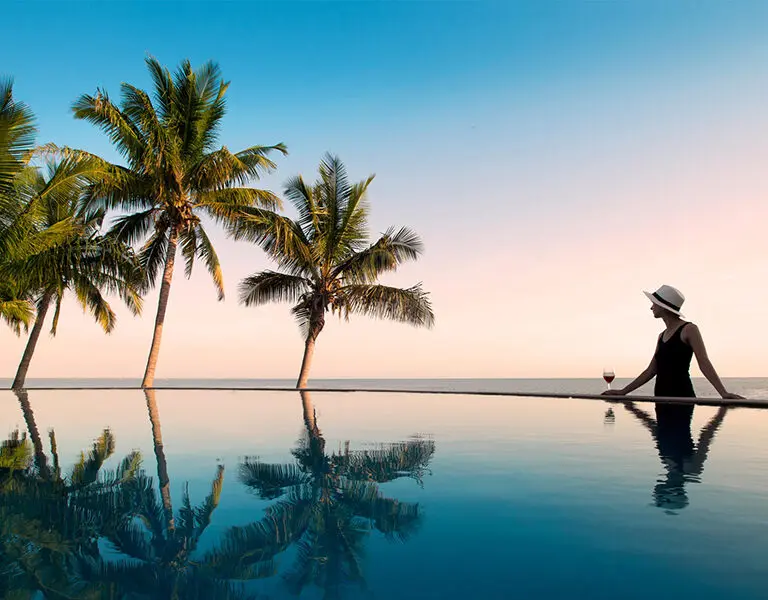 Bazaruto Archipelago, Mozambique
Bird watching | Picnics | Fishing | Sailing | Kayaking | Scuba diving
From KSh620,635 to KSh1,321,771 pps
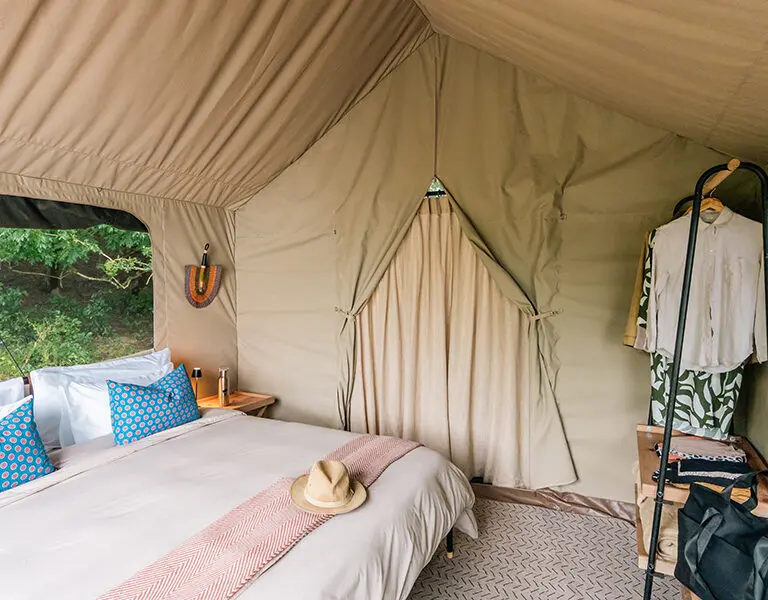 Gorongosa National Park, Mozambique
Night drives | Game drives | Private vehicle with driver | Guided walking safaris | Conservation projects | Cultural visits
From KSh692,047 pps
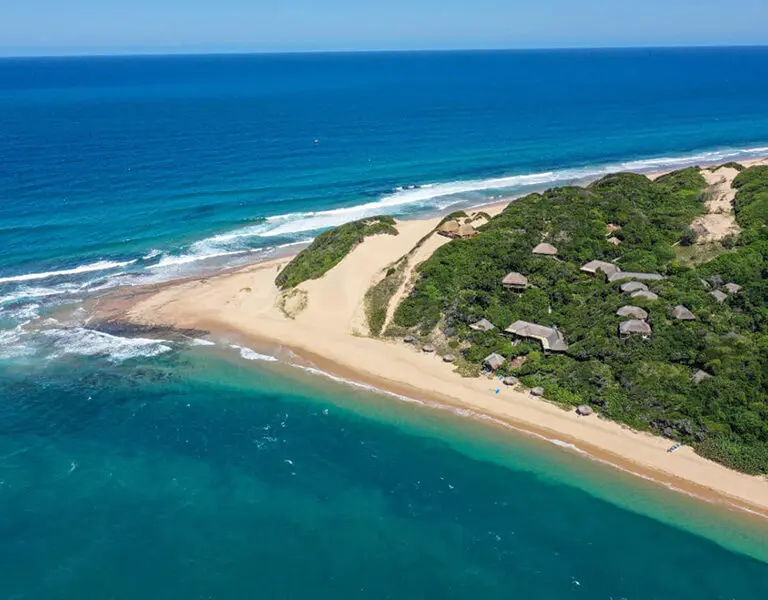 Maputo, Mozambique
Bird watching | Boat excursions | Picnics | Fishing | Kayaking | Scuba diving
From KSh620,635 to KSh1,321,771 pps
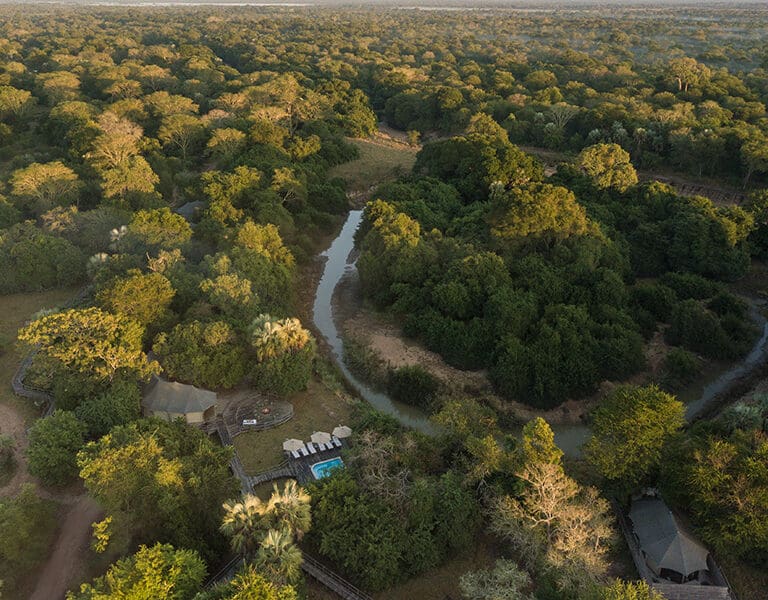 Gorongosa National Park, Mozambique
Night drives | Game drives | Private vehicle with driver | Guided walking safaris | Conservation projects | Cultural visits
From KSh1,635,984 pps
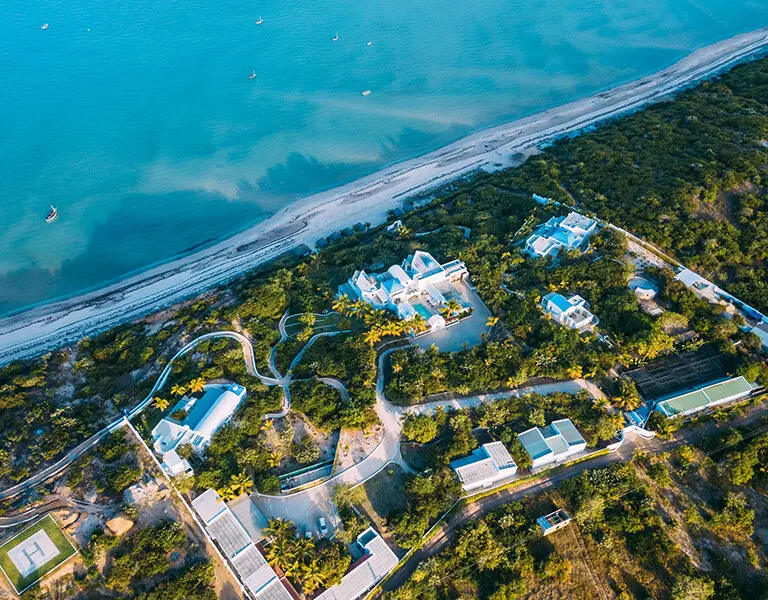 Vilanculos, Mozambique
Bush dining | Bird watching | Picnics | Water-skiing | Scuba diving | Snorkelling
A lesser-visited Southern African gem, Mozambique tours and safaris offer an unbeatable vacation that few other destinations on the continent can match. Visitors enjoy the best of both worlds, delighting in convenient, easy access to both untouched wildernesses teeming with Africa's iconic wildlife, as well as unspoilt coastline perfectly complemented by tropical islands offering pristine beaches, world-class resorts and hotels, and a whole lot of fun in the sun.
Combining a bush and beach experience within one destination makes for a logistical dream and streamlined planning, but what will a safari in Mozambique set you back? We dive into the associated costs, looking at everything from the influence of holiday types, levels of comfort, and other extras that have an impact on the budget.
Both Mozambique's mainland and offshore islands offer a good balance of high-end luxury escapes and rustic wilderness experiences, catering to a wide range of travellers, from families and friend groups to couples and honeymooners. But the final cost of your trip will ultimately depend on your travel tastes and interests. Everything from the accommodation you choose to non-inclusive activities you want to add and the time of year you wish to visit will influence the final amount.
Mozambique comprises several classic safari regions and tropical archipelagos, each offering its own unique experiences, logistics, and comfort levels. Therefore, where you choose to go will undoubtedly affect the cost of your trip. The best places to go in Mozambique often tend to be the more expensive options due to popularity, remoteness, or a mixture of both.
Something else you'll need to consider is the type of experience you choose to have, as this will have an impact too:
A safari in Mozambique typically ranges from $660 to $2,750 per person per night, depending on the level of comfort and season. Entry-level and mid-range trips start from $660–$1,100, while luxury and 5-star experiences can reach up to $2,750. Costs vary based on location - beach or bush - travel style, and extras like helicopter or boat transfers and non-inclusive activities.
| Entry Level | Mid-Range | Luxury | 5-Star Options | ||||
|---|---|---|---|---|---|---|---|
| Low | High | Low | High | Low | High | Low | High |
| KSh85,680 pps* | KSh107,750 pps* | KSh114,240 pps* | KSh142,800 pps* | KSh149,295 pps* | KSh228,485 pps* | KSh242,765 pps* | KSh357,005 pps* |
*Please Note:
Mozambique accommodation options span nearly every budget, interest, age, and comfort level. From rustic safari camps and upscale lodges to 5-star beachfront resorts and ultra-high-end private villas, even the most discerning traveller is catered to. Whether you're searching for wildlife in the rolling plains of the mainland or soaking up sun on one of the offshore islands, Mozambique properties deliver unforgettable experiences with world-class service, state-of-the-art facilities, sumptuous dining, and breathtaking views.
The cost of your Mozambican adventure will largely depend on the accommodation you choose – will you go budget-friendly or indulge in the more extravagant offerings? – as well as the time of year you visit. If planning a trip over the peak season, be prepared to spend more, as accommodation rates are at their highest. Below is a guideline of the average costs for various levels of comfort in Mozambique:
| 4-star comfort | 4-star luxury | 5-star luxury | |||
|---|---|---|---|---|---|
| Low | High | Low | High | Low | High |
| KSh71,400 pps* | KSh85,680 pps* | KSh99,960 pps* | KSh136,310 pps* | KSh171,360 pps* | KSh257,045 pps* |
*Please Note:
They say the ‘best things in life are free', while that may be true for most things, it certainly doesn't apply to African safaris. Unfortunately, the best time to visit Mozambique is also the most costly. Spanning from May to November, this period promises cooler temperatures and the least chance of rain when visiting Mozambique's islands, while game viewing peaks during the dry months of August and September.
Although every penny is worth the memorable experiences, we understand that not everyone is keen to empty out their pockets on one trip. The good news is that Mozambique's shoulder season offers an incredible getaway to Southern Africa – all you'll need to do is put up with the brief spells of downpours before the sun makes its return. Your reward? Fewer crowds, special deals on accommodation and flights, and value-adds (free nights, discounts, and upgrades).
We do, however, suggest not travelling to the Bazaruto Archipelago over January and February as this is the region's cyclone season, bringing incessant torrential rain.
When planning your holiday, it's best not to make assumptions. One thing that you'll want to make sure you understand fully is what is included and excluded in your package.
Start by diving into our blog on visa-free African countries for US citizens, as that may tick off one of the boxes regarding extra costs already. What possible additional costs could you come across? Have a look at our list below:
If you're ready to explore the best of both worlds in Mozambique with a bush and beach safari, it might be time to reach out to one of our Africa Safari Experts. With over two decades of first-hand knowledge and experience in travelling Africa, they're the perfect travel planning partner to help curate your next great adventure.
Places
Found Perfect Kruger Mozambique Vacation is a planning note from Safari Continents Travel. It sits beside the destination guides for Mozambique. Published trip prices are a guide. You receive a quote before anything is paid.
Places
See Do Ilha De Mozambique is a planning note from Safari Continents Travel. It sits beside the destination guides for Mozambique. Published trip prices are a guide. You receive a quote before anything is paid.
Places
Ultimate Travel Guide to a Mozambique Vacation is a planning note from Safari Continents Travel. It sits beside the destination guides for Mozambique. Published trip prices are a guide. You receive a quote before anything is paid.
Camps, lodges and beach hotels we already plan here. Filter by who is travelling, the activities you want, the stay type and the meal plan.
Browse Mozambique stays