


Bwindi Impenetrable National Park
Introduction
Bwindi Impenetrable National Park is one of Africa’s most extraordinary and emotionally powerful wildlife destinations. Located in southwestern Uganda, this ancient rainforest is dense, mist-covered, and biologically rich, earning its name from the thick vegetation that blankets its steep hills and valleys. Bwindi is a UNESCO World Heritage Site and one of the oldest ecosystems on Earth, having survived ice ages and major climatic shifts.
What makes Bwindi truly exceptional is that it is home to over half of the world’s remaining mountain gorillas. Trekking through the forest to encounter these gentle giants in their natural habitat is widely regarded as one of the most profound wildlife experiences anywhere in the world — intimate, humbling, and unforgettable.
Gorilla Trekking Experience
Gorilla trekking in Bwindi is carefully regulated to protect both the animals and their habitat. Small groups are guided by expert trackers through the forest, following signs of gorilla movements until a family is located. Once found, visitors spend a limited but deeply moving hour observing the gorillas at close range.
Beyond gorillas, Bwindi supports an extraordinary range of biodiversity, including monkeys, forest elephants, rare butterflies, and over 350 bird species. The surrounding communities play an integral role in conservation, making visits to Bwindi both impactful and sustainable.
Mgahinga Gorilla National Park
Introduction
Mgahinga Gorilla National Park is Uganda’s smallest but most dramatic national park, set within the Virunga Volcanoes along the borders of Rwanda and the Democratic Republic of Congo. Dominated by volcanic peaks and Afro-alpine vegetation, Mgahinga offers a strikingly different gorilla trekking environment compared to Bwindi’s dense rainforests.
Though smaller in size, Mgahinga delivers a powerful sense of scale and scenery. Its open terrain, bamboo forests, and volcanic slopes create a visually stunning backdrop for wildlife encounters.
Wildlife & Cultural Experience
Mgahinga is home to the Nyakagezi gorilla family, known for its occasional cross-border movements. Gorilla trekking here is often less crowded than Bwindi, making it appealing to travelers seeking exclusivity.
The park also supports golden monkeys, another rare and endangered primate species. Cultural experiences with the indigenous Batwa people add depth to visits, offering insight into traditional forest-dwelling lifestyles and Uganda’s human heritage.
Kibale Forest National Park
Introduction
Kibale Forest National Park is widely regarded as Africa’s best destination for chimpanzee tracking. Located in western Uganda, this lush tropical forest stretches across rolling hills and crater lakes, creating a green and vibrant landscape teeming with life.
Kibale’s high primate density and well-established tracking programs make it ideal for both first-time visitors and wildlife enthusiasts seeking active, engaging encounters.
Chimpanzee Tracking & Primate Diversity
Chimpanzee tracking in Kibale is dynamic and energetic, reflecting the chimps’ fast-paced behavior and vocal communication. Treks typically involve following vocalizations through the forest before encountering groups feeding, socializing, or moving through the canopy.
In addition to chimpanzees, Kibale hosts over 12 primate species, including red colobus monkeys, L’Hoest’s monkeys, and grey-cheeked mangabeys. The nearby Bigodi Wetland Sanctuary offers community-led birding and nature walks that complement the forest experience.
Queen Elizabeth National Park
Introduction
Queen Elizabeth National Park is Uganda’s most diverse savannah safari destination, stretching from the foothills of the Rwenzori Mountains to the shores of Lake Edward. Its varied landscapes include open plains, wetlands, forests, and volcanic crater lakes, creating one of the most scenic park environments in East Africa.
The park’s central location makes it a natural link between primate forests and savannah safaris, offering a well-rounded wildlife experience.
Wildlife & Boat Safari Experience
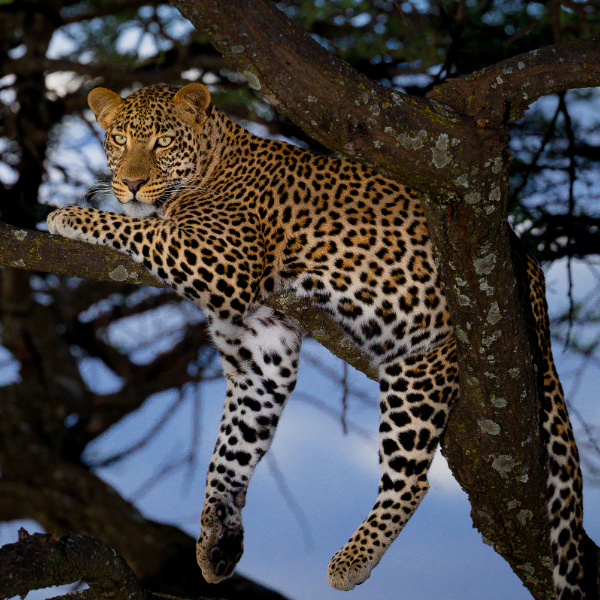
Queen Elizabeth is famous for its tree-climbing lions in the Ishasha sector, a rare behavior that attracts wildlife lovers and photographers. The park also supports elephants, buffalo, leopards, antelope, and abundant birdlife.
One of the highlights is the Kazinga Channel boat cruise, which provides close-up views of hippos, crocodiles, elephants, and countless bird species along the water’s edge. This relaxed safari style adds variety and visual richness to traditional game drives.
Murchison Falls National Park
Introduction
Murchison Falls National Park is Uganda’s largest and one of its most dramatic protected areas. Located in the northwestern part of the country, the park is defined by the powerful Victoria Nile River, which cuts through the landscape and plunges through a narrow gorge to create the spectacular Murchison Falls.
The park’s scale and raw natural energy give it a wild, frontier-like feel, distinct from Uganda’s forested regions.
River & Savannah Safari Experience
Murchison Falls offers a unique blend of river and savannah safaris. Game drives reveal giraffes, lions, elephants, buffalo, and antelope roaming open plains, while boat cruises along the Nile provide close encounters with hippos, crocodiles, and waterbirds.
Hiking to the top of Murchison Falls allows visitors to witness the sheer power of the Nile as it forces its way through a narrow rock gap, creating one of Africa’s most impressive natural spectacles.
Lake Bunyonyi
Introduction
Lake Bunyonyi is one of Uganda’s most scenic and tranquil destinations, set among rolling highlands near Bwindi Impenetrable Forest. With its calm waters, terraced hillsides, and dotted islands, Lake Bunyonyi provides a peaceful retreat after the physical demands of gorilla trekking.
The lake’s cool climate and quiet atmosphere make it ideal for rest, reflection, and cultural exploration.
Relaxation & Cultural Experience
Lake Bunyonyi is perfect for canoeing, nature walks, birdwatching, and community visits. Unlike safari parks, it offers a slower pace that allows travelers to absorb Uganda’s rural beauty and daily life.
Many itineraries include Lake Bunyonyi as a transition point between wildlife adventures, adding balance and emotional closure to Uganda journeys.
Safari & Primate Travel Experiences in Uganda
Introduction
Uganda is often called the “Pearl of Africa”, a name that perfectly captures its lush landscapes, rich biodiversity, and warm-hearted people. Unlike the vast open savannahs of Kenya and Tanzania, Uganda’s beauty lies in its dense rainforests, mist-covered mountains, freshwater lakes, and winding rivers. It is a destination that feels intimate and immersive, offering travelers a more personal and emotional connection with nature.
Uganda is globally renowned as one of the best places on Earth to encounter mountain gorillas and chimpanzees in the wild. Combined with classic savannah safaris, dramatic river ecosystems, and vibrant cultural heritage, Uganda delivers a uniquely balanced travel experience — one that blends rare wildlife encounters with profound natural and human richness.
Why Visit Uganda
Uganda stands out for travelers seeking meaningful, once-in-a-lifetime wildlife encounters, particularly with primates. Gorilla trekking in Uganda is not just an activity; it is a deeply moving experience that brings visitors face-to-face with one of humanity’s closest relatives in their natural environment. Few travel moments compare to standing quietly in a rainforest just meters away from a mountain gorilla family.
Beyond primates, Uganda offers impressive diversity in a compact area. Travelers can track chimpanzees in tropical forests, spot tree-climbing lions on open plains, cruise along the Nile among hippos and crocodiles, and enjoy spectacular birdlife — all within one country. Uganda also remains less crowded than many classic safari destinations, adding to its sense of authenticity and exclusivity.
Top Safari & Travel Destinations in Uganda
Uganda’s top destinations reflect its ecological diversity:
- Bwindi Impenetrable National Park – World-famous for mountain gorilla trekking
- Mgahinga Gorilla National Park – Gorilla trekking and volcanic landscapes
- Kibale Forest National Park – Chimpanzee tracking and primate diversity
- Queen Elizabeth National Park – Savannah safaris, tree-climbing lions, and boat cruises
- Murchison Falls National Park – The Nile River, powerful waterfalls, and abundant wildlife
- Lake Bunyonyi – Scenic highland lake and relaxation after gorilla trekking
- Jinja & the Source of the Nile – Adventure activities and cultural exploration
Each of these destinations contributes to Uganda’s reputation as one of Africa’s most diverse and rewarding safari countries.
Primate Encounters & Wildlife Experiences in Uganda
Uganda is Africa’s premier primate destination, hosting more than half of the world’s remaining mountain gorillas and over a dozen primate species. Gorilla trekking in Bwindi and Mgahinga is strictly regulated to protect the animals, creating intimate, low-impact encounters that feel exclusive and respectful.
Chimpanzee tracking in Kibale Forest offers a completely different but equally thrilling experience — fast-paced, vocal, and energetic. In addition, Uganda’s savannah parks support elephants, lions, leopards, buffalo, giraffes, antelope, and diverse birdlife. Queen Elizabeth National Park, in particular, provides a classic safari atmosphere combined with unique features such as the Kazinga Channel boat safari.
Best Time to Visit Uganda
Uganda is a year-round destination due to its equatorial climate, but the best times for travel are generally the drier months:
- June to August
- December to February
These periods offer better trekking conditions for gorilla and chimpanzee tracking, as forest trails are less slippery and visibility is improved. The wet seasons, from March to May and September to November, bring lush landscapes and fewer tourists, though trekking can be more physically demanding.
Uganda’s moderate temperatures and consistent climate make it suitable for travel at almost any time of year, particularly for forest and lake-based experiences.
Cultural & Community Experiences in Uganda
Uganda’s greatest asset, beyond wildlife, is its people. The country is home to dozens of ethnic groups, each with distinct languages, traditions, music, and dances. Cultural visits, village walks, and community-based tourism initiatives allow travelers to engage meaningfully with local communities and gain insight into daily life.
In regions around Bwindi, community projects supported by tourism contribute directly to conservation and local livelihoods. These experiences add depth and social impact to Uganda safaris, making travel here both enriching and responsible.
Who Uganda Is Perfect For
Uganda is especially suited for:
- Gorilla and chimpanzee trekking enthusiasts
- Nature lovers seeking forests, lakes, and scenic landscapes
- Experienced safari travelers looking for something different from classic savannah safaris
- Photographers interested in wildlife, landscapes, and human stories
- Travelers seeking meaningful, conservation-focused journeys
Popular Uganda Safari Experiences
Many travelers combine:
- Gorilla trekking in Bwindi or Mgahinga
- Chimpanzee tracking in Kibale Forest
- Savannah safaris in Queen Elizabeth or Murchison Falls
- Relaxation at Lake Bunyonyi
- Cultural experiences and river adventures in Jinja
Best Places to Visit in Uganda
Uganda could be considered a rather unknown destination for most travellers seeking beautiful places to experience in Africa, given its small size and landlocked position. Although there is no surrounding ocean, 25% of Uganda comprises lakes and rivers, and it certainly packs in many more wonderful places of interest that make those who visit Uganda yearn to come back for more.
Gorilla Trekking and Wildlife Safaris in Uganda
In his 1908 book My African Journey, Winston Churchill famously called Uganda the “Pearl of Africa.” The nickname perfectly captures the country’s stunning natural beauty—from vibrant landscapes and lush greenery to the extraordinary wildlife roaming its plains. Today, this description remains as fitting as ever, as Uganda continues to be one of Africa’s most sought-after safari destinations.
A safari in Uganda offers a truly unique adventure, with over 20% of the country’s land dedicated to protected wildlife areas. Much of the landscape remains pristine, allowing Uganda’s spectacular scenery to take center stage on every safari.
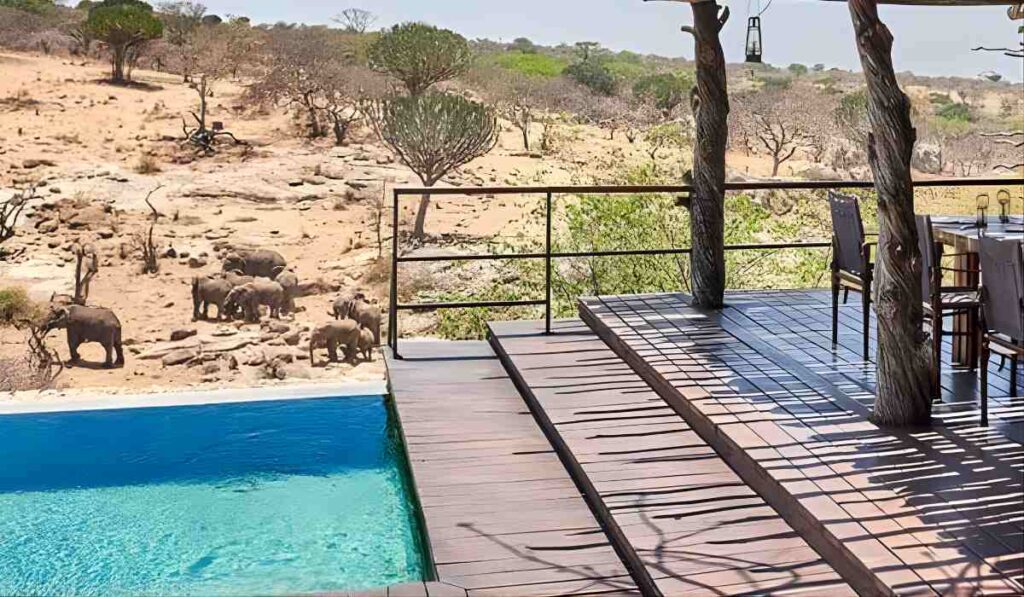
Uganda’s wildlife is rich and varied, offering experiences that are rare elsewhere. Murchison Falls and Queen Elizabeth National Park are top wildlife destinations, featuring classic big game safaris, chimpanzee trekking, river cruises, and the chance to see the famous tree-climbing lions. Kibale Forest National Park offers fascinating guided chimpanzee treks and insights into life within a tropical rainforest. Meanwhile, Bwindi Impenetrable Forest National Park and Mgahinga National Park protect more than half of the world’s mountain gorilla population, making them ideal for unforgettable gorilla trekking adventures.
With so much to explore, here are some of the top reasons to choose a Uganda safari:
When is the Best Time to Travel to Uganda?
The best time to visit Uganda is between its two dry seasons: December to February and between June and August. These times are the best for trekking to see mountain gorillas and chimpanzees. Game viewing in Uganda’s savannah parks is best at the end of the dry seasons – February and March and September/early October – when wildlife is concentrated around water sources.
Uganda Travel Advice
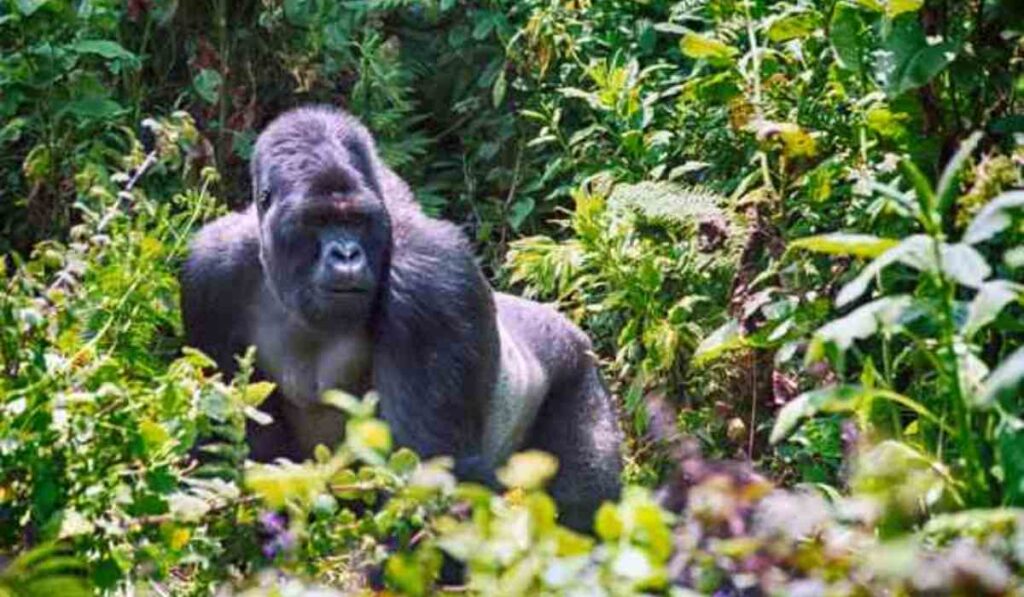
Uganda boasts the world’s highest concentration of primates and mountain gorillas. Its vast rainforest jungles shelter 20 primate species, including mountain gorillas, chimpanzees, and golden monkeys, making it a paradise for wildlife enthusiasts.
Gorilla trekking in Uganda has become one of Africa’s most unforgettable wildlife experiences. Thanks to successful conservation efforts, the endangered gorilla population is steadily increasing. Trekking in Bwindi Impenetrable Forest offers a 90% success rate for encountering habituated gorilla families, giving visitors a nearly guaranteed chance to spend an hour observing these magnificent creatures in their natural environment. The best time for gorilla and chimpanzee trekking is typically December to February and June to August.
Uganda’s primate adventures don’t stop with gorillas. Kibale Forest has the highest primate diversity in the world, with 13 species living in its lush canopy — making it the top destination for chimpanzee tracking. You can also explore the Virunga Mountains in Mgahinga National Park, where golden monkeys can be spotted, completing a remarkable primate trekking experience.
Highlights of Uganda Primate Safaris:
Observe mountain gorillas in Bwindi Impenetrable Forest and Mgahinga National Park
Track chimpanzees in Kibale Forest and golden monkeys along the Virunga slopes
Witness primates interacting naturally in their forest habitats
Enjoy a life-changing wildlife adventure through Uganda’s rainforests
Best Uganda Tours & Safaris
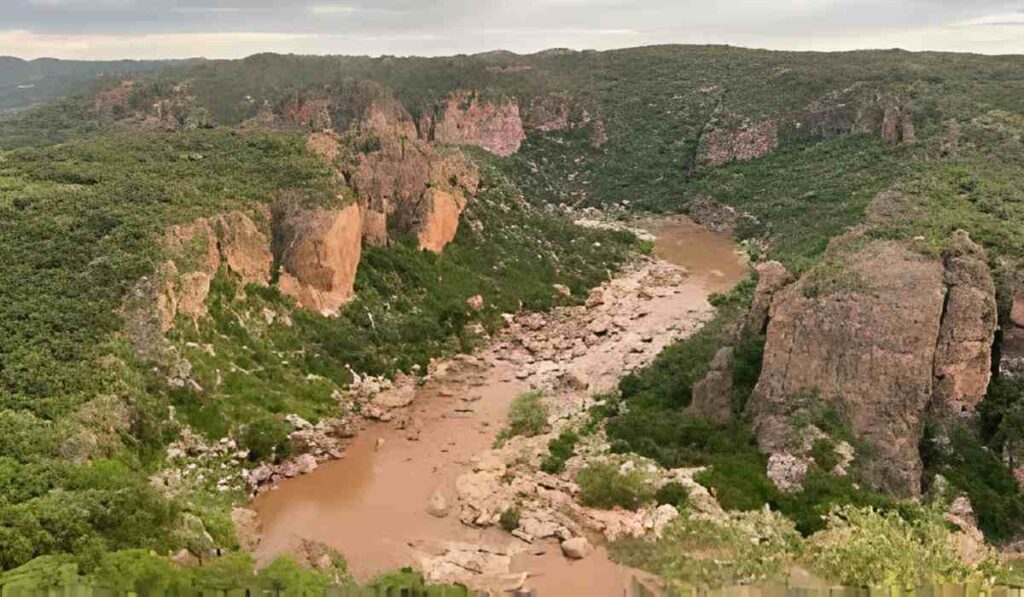
Thousands of travellers visit the Mara each year to experience some of Africa’s most authentic and wildlife-rich safaris. Here are a few reasons why a Masai Mara safari stands out:
We take pride in providing our travellers with unbiased advice based on extensive, first-hand experience in the destinations we recommend. We’ve been tailor-making Masai Mara safari itineraries since 1998 – here are some of our top tips:
Safari Continents Travel
Safari Continents Travel is a trusted travel company offering unforgettable safari experiences, adventure tours, and customized travel packages across top destinations. We focus on comfort, safety, and memorable journeys.

Join Our Newsletter
Exciting lodge openings, new trip ideas, and exclusive offers...
You can unsubscribe at any time
Explore Safari Continents
Locations In Africa
© 2025 Safari Continents. All Rights Reserved.
- Call: +254 722148782
- Email: Info@safaricontinents.com
- Call: +254 20 200 7750