


Maasai Mara National Reserve
Kenya’s Greatest Wildlife Sanctuary & the Heart of the African Safari
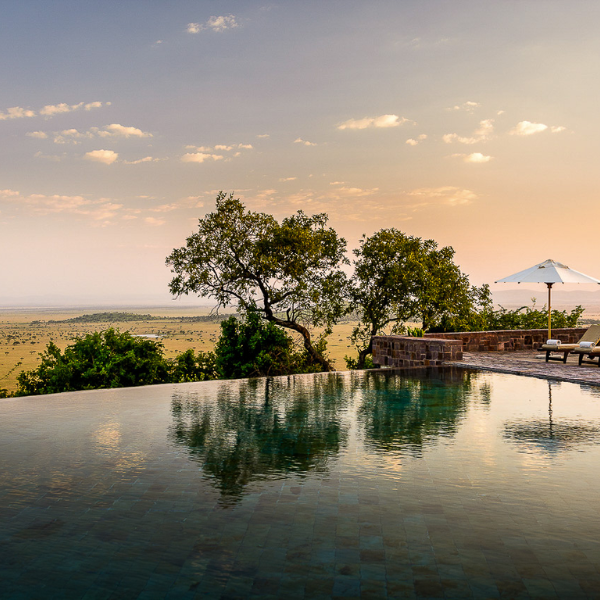
The Maasai Mara National Reserve is Kenya’s most iconic wildlife destination and one of the most celebrated safari landscapes on Earth. Stretching across vast rolling savannahs in southwestern Kenya and forming the northern extension of Tanzania’s Serengeti ecosystem, the Mara is a place where nature operates on a grand, ancient scale. This is the land of sweeping plains, dramatic river crossings, endless horizons, and some of the highest concentrations of wildlife anywhere in Africa.
For many travelers, the Maasai Mara is not just a destination — it is the definition of safari. Lions surveying the plains at sunrise, cheetahs sprinting after gazelles, elephants moving silently through golden grass, and wildebeest stretching to the horizon during the Great Migration all contribute to the Mara’s legendary status. Yet beyond the famous imagery lies a complex, living ecosystem shaped by seasonal rhythms, predator–prey dynamics, conservation initiatives, and deep-rooted Maasai culture.
A safari in the Maasai Mara offers far more than wildlife sightings. It delivers a profound connection to Africa’s natural heritage, combining dramatic scenery, rich biodiversity, and some of the finest guiding and safari experiences available anywhere on the continent.
Where Is the Maasai Mara?
The Maasai Mara is located in Narok County, in southwestern Kenya, approximately 225 km (140 miles) from Nairobi by road. It borders Tanzania’s Serengeti National Park to the south, together forming one of the largest and most important wildlife ecosystems in the world.
The reserve covers approximately 1,510 square kilometers, but when combined with surrounding private conservancies, the greater Mara ecosystem expands significantly, offering wildlife greater freedom of movement and visitors a more diverse range of safari experiences.
Access to the Mara is possible by:
- Road (5–6 hours from Nairobi)
- Scheduled flights to multiple airstrips
- Private charter flights
Landscape & Ecosystems
More Than Just Open Plains
While the Maasai Mara is famous for its vast grasslands, its landscapes are surprisingly diverse. The reserve features:
- Rolling open savannahs
- Riverine forests along the Mara, Talek, and Sand Rivers
- Acacia-dotted plains
- Seasonal marshes and wetlands
- Rocky outcrops and gentle escarpments
These varied habitats support an extraordinary range of wildlife and create excellent conditions for game viewing throughout the year. The open plains make it easier to spot predators, while river systems attract animals during dry periods and become dramatic focal points during the migration season.
Wildlife of the Maasai Mara
One of the Richest Ecosystems in Africa
The Maasai Mara is renowned for its exceptional wildlife density. It supports over 95 species of mammals and more than 450 bird species, making it one of the most biologically rich reserves in Africa.
The Big Five
- Lions – The Mara is one of the best places in Africa to see lions, with multiple resident prides and frequent daytime activity.
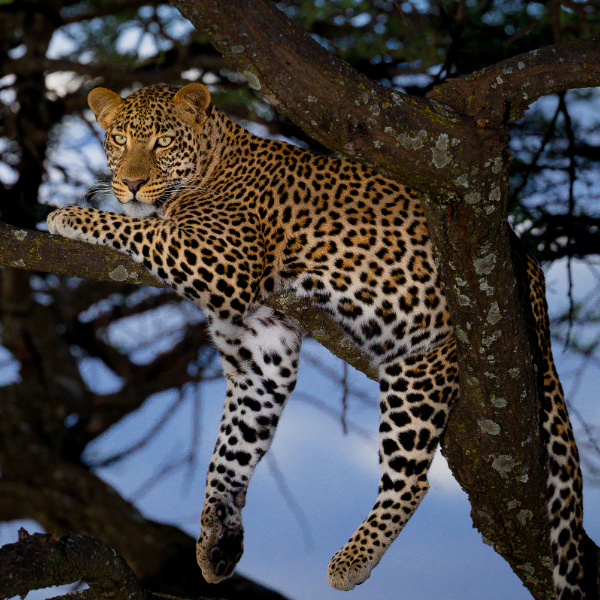
- Leopards – Often seen along riverine forests and acacia trees, particularly in the Mara Triangle and Talek regions.
- Elephants – Large breeding herds roam the reserve year-round.
- Buffalo – Common across the plains and river areas.
- Rhinos – Both black and white rhinos are present, though sightings are rarer and more localized.
Big Cats & Predators
The Mara is especially famous for its predators:
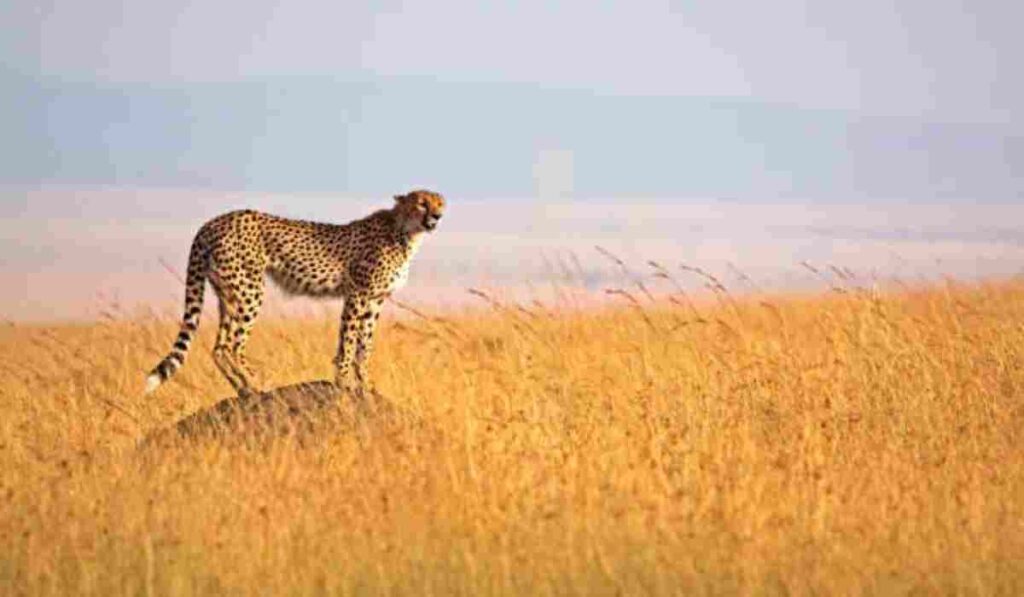
- Cheetahs thrive on the open plains and are frequently seen hunting.
- Hyenas are abundant and highly active.
- Jackals, servals, bat-eared foxes, and occasional caracals add to predator diversity.
Plains Game
Large herds of:
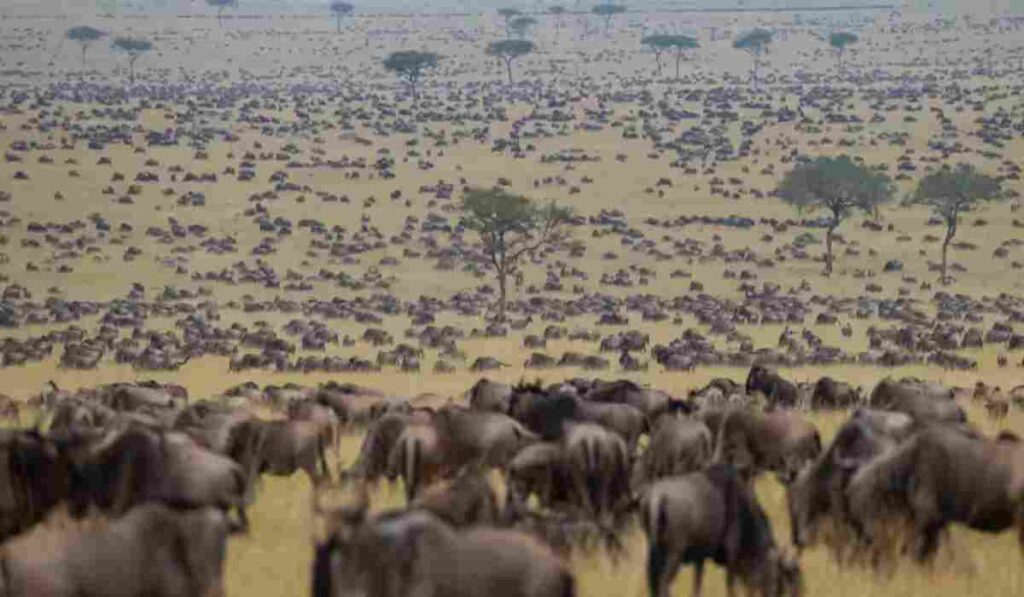
- Wildebeest
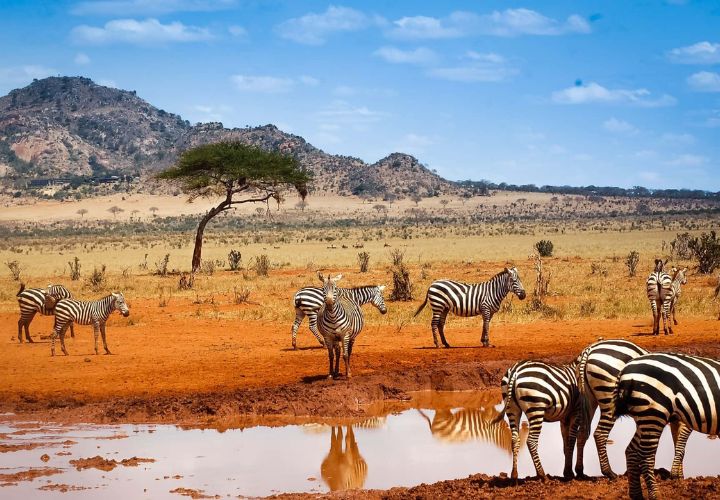
- Zebras
- Thomson’s and Grant’s gazelles
- Topi
- Eland
- Giraffes
These species form the backbone of the ecosystem and sustain the predator population.
The Great Wildebeest Migration
Nature’s Greatest Spectacle
The Maasai Mara is globally famous as one of the primary stages of the Great Migration, a continuous, circular movement of over 1.5 million wildebeest, accompanied by hundreds of thousands of zebras and gazelles.
Migration Highlights in the Mara
- Typically occurs July to October
- Characterized by dramatic river crossings at the Mara River
- Massive predator action due to dense prey concentrations
- Unpredictable, raw, and intensely wild
River crossings are not guaranteed on any given day — and that uncertainty is what makes the experience so powerful. When it happens, it is one of the most dramatic wildlife events on Earth.
Maasai Mara vs Mara Triangle
Understanding the Difference
The Maasai Mara ecosystem is divided into:
- Maasai Mara National Reserve (managed by Narok County)
- Mara Triangle (western section, managed separately)
Mara Triangle Advantages
- Better-controlled vehicle numbers
- Excellent predator sightings
- Strong conservation management
- High-quality guiding standards
While wildlife moves freely across both areas, many experienced safari planners favor the Mara Triangle for its less crowded game viewing and exceptional landscapes.
Private Conservancies
A Different Kind of Safari Experience
Surrounding the main reserve are several private conservancies such as:
- Olare Motorogi
- Naboisho
- Ol Pejeta (wider region context)
- Mara North
These conservancies are leased from Maasai landowners and offer:
- Fewer vehicles per sighting
- Off-road driving
- Walking safaris
- Night game drives
- Exclusive, low-impact experiences
They are ideal for travelers seeking privacy, luxury, and flexibility while still accessing the main reserve.
Safari Activities in the Maasai Mara
Game Drives
The core safari activity, conducted early morning and late afternoon when wildlife is most active.
Hot Air Balloon Safaris
A once-in-a-lifetime experience:
- Sunrise flight over the plains
- Aerial views of wildlife and landscapes
- Champagne bush breakfast
Walking Safaris (Conservancies)
Guided walks offering:
- Close-up ecology interpretation
- Tracking skills
- Deeper understanding of the ecosystem
Cultural Visits
Visits to Maasai villages provide insight into:
- Traditional lifestyles
- Pastoral culture
Conservation partnerships
Best Time to Visit the Maasai Mara
July – October (Peak Season)
- Great Migration in the Mara
- Excellent predator action
- Dry conditions, best visibility
- Higher prices and visitor numbers
January – March
- Excellent resident wildlife viewing
- Predator breeding season
- Fewer crowds
- Green landscapes
April – May (Green Season)
- Lush scenery
- Lower prices
- Occasional rain
- Excellent birding
November – December
- Short rains
- Fresh grazing
- Migratory birds arrive
The Mara offers excellent wildlife year-round, not only during migration season.
How Many Days to Spend in the Maasai Mara?
- 2 nights / 3 days – Minimum recommended
- 3–4 nights – Ideal for classic safari
- 5+ nights – Perfect for photographers, relaxed pace, or migration focus
More time allows deeper exploration and better chances of exceptional sightings.
Safari Styles in the Maasai Mara
Luxury Safaris
- High-end tented camps and lodges
- Private vehicles
- Personalized guiding
- Conservancy-based exclusivity
Mid-Range Safaris
- Comfortable tented camps
- Shared or private game drives
- Excellent value for money
Budget Safaris
- Lodge-based or mobile camps
- Fixed itineraries
- Great introduction to safari
Photography in the Maasai Mara
A Dream Destination
The open plains, soft golden light, dramatic skies, and abundant wildlife make the Mara one of the world’s best safari photography destinations. Both amateur and professional photographers benefit from:
- Unobstructed sightlines
- High predator activity
- Year-round wildlife
- Strong sunrise and sunset light
Conservation & the Maasai People
The Maasai Mara is named after the Maasai people, whose culture and traditional pastoral lifestyle have coexisted with wildlife for centuries. Modern conservation in the Mara increasingly relies on partnerships between landowners, conservancies, and safari operators.
Tourism plays a critical role in:
- Wildlife protection
- Anti-poaching efforts
- Community education
- Sustainable land use
Responsible travel directly supports these initiatives.
Why the Maasai Mara Is Truly Unique
What sets the Maasai Mara apart is not just the migration or the predators — it is the scale, accessibility, diversity, and consistency of wildlife experiences. Few places on Earth allow travelers to witness such raw nature, day after day, with such reliability.
It is a destination that rewards patience, curiosity, and respect — and leaves a lasting impression long after the safari ends.
Final Thoughts
A Maasai Mara safari is not simply a holiday. It is an encounter with one of the planet’s last great wild places — a living, breathing ecosystem where ancient rhythms continue largely unchanged. Whether it’s your first safari or your tenth, the Mara has a way of surprising, humbling, and inspiring every traveler.
For anyone seeking the ultimate African safari, the Maasai Mara remains unmatched.
Explore these Masai Mara Resources
Safari Continents Travel
Safari Continents Travel is a trusted travel company offering unforgettable safari experiences, adventure tours, and customized travel packages across top destinations. We focus on comfort, safety, and memorable journeys.

Join Our Newsletter
Exciting lodge openings, new trip ideas, and exclusive offers...
You can unsubscribe at any time
Explore Safari Continents
Locations In Africa
© 2025 Safari Continents. All Rights Reserved.
- Call: +254 722148782
- Email: Info@safaricontinents.com
- Call: +254 20 200 7750