
Why Go Gorilla Trekking?
Conservation and Gorilla Encounters in Congo
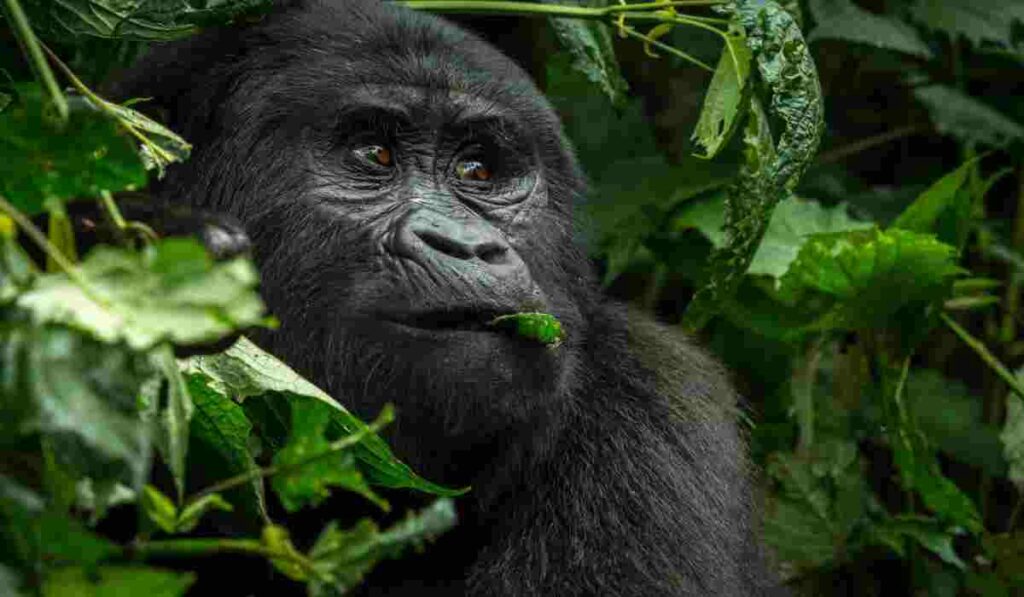
Bushmeat hunting and timber harvesting in the Congo Basin have significantly threatened the survival of the western lowland gorilla. These gorillas—the smaller, less shaggy relatives of mountain gorillas—inhabit lowland swamps, primary and secondary forests, and are classified as critically endangered.
Through primate research and gorilla trekking tourism, local communities around Odzala-Kokoua National Park have begun to recognize the importance of conservation. Tourism and research initiatives have created jobs and attracted investment, encouraging sustainable practices that benefit both people and wildlife. The park itself is a sanctuary for around 100 mammal species and hosts one of Africa’s most diverse primate populations.
Getting up close to a gorilla family, observing their social rituals, and gazing into their warm, intelligent eyes creates one of the most intimate and transformative wildlife experiences in Africa—truly a once-in-a-lifetime encounter.
Preparing for Gorilla Trekking
Gorilla trekking in mountainous rainforest involves hiking along steep, narrow trails and navigating dense jungle, often following a scout who clears a path with a machete. A good level of fitness is essential, though guides ensure regular breaks along the way.
For safety and comfort, trekkers should wear broken-in hiking boots that support the ankles, double-layered socks (cotton inners with thick outers), and knee-high gaiters.
It’s important to note that gorillas are extremely vulnerable to human illnesses. Anyone with a cold or contagious condition will not be permitted to join a gorilla trek, protecting both the animals and fellow visitors.
Safari Continents Travel
Safari Continents Travel is a trusted travel company offering unforgettable safari experiences, adventure tours, and customized travel packages across top destinations. We focus on comfort, safety, and memorable journeys.

Join Our Newsletter
Exciting lodge openings, new trip ideas, and exclusive offers...
You can unsubscribe at any time
Explore Safari Continents
Locations In Africa
© 2025 Safari Continents. All Rights Reserved.

- Call: +254 722148782
- Email: Info@safaricontinents.com
- Call: +254 20 200 7750