
Protecting Africa’s Natural Landscapes
Protecting Landscapes & Wildlife
Safaricontinents connects travellers with some of the most important and fragile ecosystems across East and Southern Africa. These regions are rich in biodiversity, vital for local communities, and essential for global climate stability. Through our community-driven conservation approach, we are dedicated to protecting and restoring these landscapes so both wildlife and the people who depend on them can thrive for generations.
In the last financial year, as part of the Nawiri Group, we contributed US$9.8 million toward nature protection through park fees, conservancy levies, conservation contributions, and infrastructure taxes. This funding plays a direct role in safeguarding these ecosystems by supporting essential conservation efforts.

Greater Cape Floristic Region
Found in South Africa, the Greater Cape Floristic Region is one of the world’s six recognized floral kingdoms and holds extraordinary biodiversity across its 90,000 km² landscape. This rare ecosystem is known for its iconic fynbos vegetation, more than 9,000 plant species, and unique wildlife such as the Cape sugarbird.
Today, climate change and expanding urban development pose serious threats to its fragile balance, making conservation efforts more important than ever. Safaricontinents supports initiatives that restore degraded areas, reintroduce fynbos in urban spaces, reconnect biodiversity corridors, and inspire local communities to take part in protecting this remarkable natural heritage.

Communities Living Among Wildlife Sustainably (CLAWS)
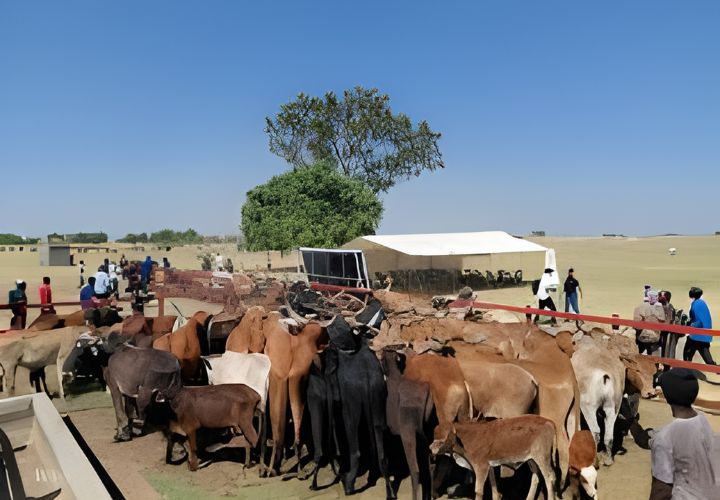
Safaricontinents’ impact mission includes reducing human–wildlife conflict and creating income opportunities connected to conservation. In northern Okavango, we collaborate with CLAWS to support peaceful coexistence between local communities and predators such as lions. Their model blends traditional cattle herding with modern conservation practices, directly benefiting three villages and more than 8,000 people.Safaricontinents supported the introduction of a mobile cattle boma and funded six eco-rangers to protect about 600 cattle, helping improve safety, resilience, and sustainable livelihoods for the community
Safari Continents Travel
Safari Continents Travel is a trusted travel company offering unforgettable safari experiences, adventure tours, and customized travel packages across top destinations. We focus on comfort, safety, and memorable journeys.

Join Our Newsletter
Exciting lodge openings, new trip ideas, and exclusive offers...
You can unsubscribe at any time
Explore Safari Continents
Locations In Africa
© 2025 Safari Continents. All Rights Reserved.

- Call: +254 722148782
- Email: Info@safaricontinents.com
- Call: +254 20 200 7750